
 Source:
 Alocasia ‘Scalprum’ short overview
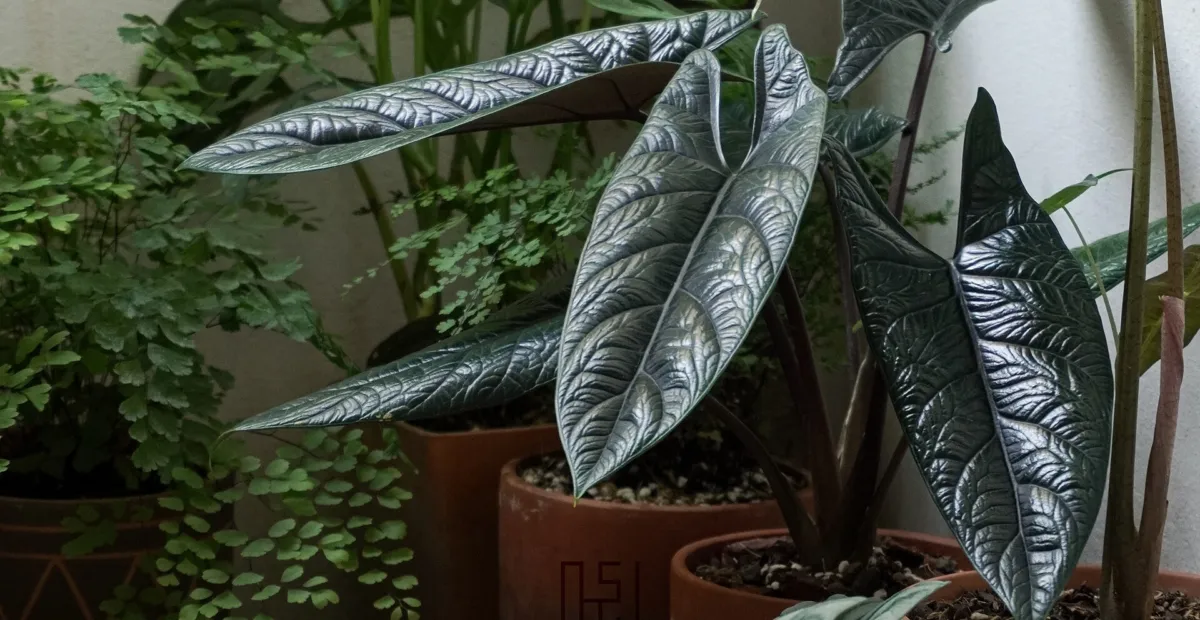
Alocasia 'Scalprum' is a rare tropical elephant ear associated with Samar in the Philippines and grown chiefly as a collector’s houseplant in the United States. Its compact clump produces distinctive narrow, lance-shaped leaves on short petioles, making it more architectural than broad-leaved Alocasia types. Give it warm temperatures, bright filtered light, airy moisture-retentive soil, steady humidity, and careful watering without prolonged saturation.
Taxonomic classification
Alocasia ‘Scalprum’ care guide
Light and placement
Provide bright filtered light or gentle partial shade, such as an east-facing window, a few feet back from a bright south or west window, or beneath a greenhouse shade cloth. Morning sun can be tolerated if leaves do not heat up. Too much direct midday sun may bleach or scorch foliage; too little light produces weak, stretched growth and slower drying of the mix.
Watering and humidity
Water thoroughly when the top inch of mix begins to dry, then let excess drain fully. Keep the root zone evenly moist during warm active growth but never leave the pot standing in water. In winter, water less often as light and temperature fall, while maintaining humidity and avoiding a completely dry rhizome for long periods.
Soil and growing medium
Use a loose, airy aroid mix that retains some moisture but drains quickly. A practical blend can combine fine orchid bark, coco coir or peat-free moisture-retentive material, and perlite or pumice with a modest amount of compost. Keep the root zone slightly acidic to neutral; avoid dense garden soil and containers that stay waterlogged.
Feeding
Feed only during active growth, typically spring through early fall indoors, using a complete balanced fertilizer diluted to about one-quarter to one-half the label rate every 3–4 weeks. Water the plant first if the mix is dry. Reduce or stop feeding during cool, dim winter conditions or after repotting until roots recover.
Growth and habit
This plant forms an upright, rhizomatous clump and may produce offsets as it matures. Growth is strongest with warmth, bright indirect light, adequate humidity, and consistent root-zone moisture. Cool temperatures, low light, or root disturbance can pause growth and may cause older leaves to decline.
Planting and repotting
In the United States, grow this tropical plant outdoors only during reliably warm weather and bring it inside before cool nights. Set the rhizome at the same depth as before, with the upper portion near the substrate surface. Allow room for a compact clump rather than crowding offsets against the pot wall.
Repot in spring or early summer when roots fill the container, or when the mix has decomposed. Move up only one pot size and disturb the rhizome as little as possible. After repotting, keep the plant warm, evenly but lightly moist, and out of harsh sun until new growth resumes.
Propagation and pruning
Propagation
Propagation is normally by separating offsets or dividing the rhizomatous clump during active growth. Remove an offset only when it has roots or a viable growth point, use a sterile blade, and pot it into a small airy container. Keep newly divided pieces warm and barely moist until roots establish. Seed production requires successful pollination and is not predictable indoors.
Pruning
Pruning is limited to removing yellow, damaged, or fully spent leaves. Cut the petiole cleanly near its base with sterile tools and avoid tearing the sheath or injuring the rhizome. Do not remove healthy leaves simply to shape the plant; each leaf contributes energy to the clump.
Overwintering
Bring outdoor plants indoors before temperatures approach 55°F, and certainly before frost. Place them in bright filtered light, reduce watering as growth slows, and keep foliage away from cold windows, drafts, and heating vents. Check carefully for mites and thrips during the transition indoors.
Uses
Used primarily as an indoor foliage specimen, greenhouse plant, or sheltered warm-climate container accent. Its narrow leaves suit curated aroid collections and small tropical displays. It has no well-supported culinary or medicinal use for this exact identity, and it should not be consumed because Alocasia tissues can be irritating and toxic.
Appearance
The plant is recognized by its compact upright habit and narrow, lance-shaped leaves, which are more slender than those of many commonly sold elephant ears. Leaves arise from short petioles and form a tidy rhizomatous clump. Mature foliage is generally deep green with a firm, sculptural surface; exact variation may occur among cultivated clones.
Flowering
As an Alocasia, it can produce a small arum-type inflorescence consisting of a spadix enclosed by a spathe. Flowering is uncommon in ordinary indoor culture and is not the principal ornamental feature. Reliable month-specific flowering data for this exact cultivar in the United States was not found.
Pollination and visitors
Reliable pollinator or visitor records for Alocasia 'Scalprum' were not located. Alocasia inflorescences can be associated with small insects in the genus, but assigning a specific visitor to this exact cultivar would be unsupported.
Alocasia 'Scalprum' photos
Click any photo for a larger view. Source, author and license are shown separately.
Diseases and pests
Diseases
Root and crown rot are the main risks when the substrate remains saturated or airflow is poor. Use a fast-draining mix, avoid standing water, and isolate plants with collapsing petioles or foul-smelling roots. Remove damaged tissue with sterile tools and replace persistently soggy media. Leaf-spot symptoms are favored by wet foliage and poor ventilation.
Pests
Watch for spider mites, thrips, mealybugs, and scale, especially in dry indoor air. Inspect leaf undersides and new growth weekly. Improve humidity and airflow, isolate affected plants, and wipe or wash pests away before using a labeled houseplant treatment according to its instructions. Avoid chronically wet foliage and overcrowding.
Related diseases and pests
Only Plant Doctor profiles whose host data indicate this plant may be affected are shown here.
 DiseasePhytophthora cactorum crown, collar, root and fruit rotPhytophthora cactorum
 DiseaseAlternaria leaf spot and fruit rotAlternaria alternata
 DiseasePhytophthora root and crown rotPhytophthora nicotianae
 PestOnion thripsThrips tabaci Lindeman
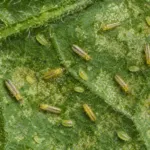 PestMelon thripsThrips palmi Karny
 PestChilli thripsScirtothrips dorsalis Hood
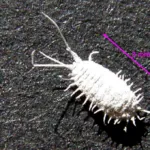 PestObscure mealybugPseudococcus viburni
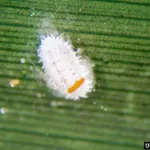 PestCitrus mealybugPlanococcus citri
Toxicity and pollen
Alocasia plants are treated as toxic ornamentals because tissues contain irritating calcium oxalate crystals. Chewing or ingesting leaves, petioles, rhizomes, or sap can cause immediate mouth and throat pain, burning, swelling, drooling, vomiting, or difficulty swallowing. Wear gloves when handling damaged tissue, keep away from children and pets, and seek poison-control or veterinary advice after ingestion.
- Pollination / pollen
- Pollen produced inside occasional enclosed inflorescences; airborne relevance not established
This is a flowering aroid, so it produces pollen when it flowers, but exact airborne pollen behavior and clinical allergy data for this cultivar were not found. Its enclosed arum inflorescence is not generally treated as a major outdoor seasonal pollen source in the United States. People with plant sensitivities should still avoid contact with sap and flowering structures.
Native habitat
The accepted species is native to Samar in the Philippines, within a wet tropical environment. Such conditions imply warm temperatures, high atmospheric moisture, filtered forest light, and organically rich but aerated rooting sites. It is not suited to freezing climates or exposed, drying landscapes.
Interesting fact
The species Alocasia scalprum was formally described from the Philippines in 1999. Its name is associated with a narrow, chisel-like leaf form. Kew records the species as native to Samar and adapted to a wet tropical biome. The plant is primarily collected for foliage rather than showy flowers.
Frequently asked questions (FAQ)
The most relevant questions about this plant, with short and direct answers.
🌱Quick care
How do you care for Alocasia 'Scalprum'?⌄
Give Alocasia 'Scalprum' bright filtered light, evenly moist but well-drained soil, warm temperatures, and moderate to high humidity. Let the surface dry slightly before watering again, and protect it from cold drafts and frost.
Is Alocasia 'Scalprum' easy to grow indoors?⌄
Alocasia 'Scalprum' is manageable indoors but can be sensitive to overwatering, dry air, cold temperatures, and sudden changes in conditions. Consistent warmth, filtered light, and an airy potting mix make it considerably more reliable.
How much light does Alocasia 'Scalprum' need?⌄
Alocasia 'Scalprum' needs bright filtered or indirect light, although it can tolerate partial shade. Protect the leaves from strong direct afternoon sun, which can cause bleaching, scorch marks, or crispy edges.
How often should you water Alocasia 'Scalprum'?⌄
Water Alocasia 'Scalprum' when the upper layer of its potting mix has dried slightly, then drain the excess completely. The schedule may range from about weekly in active summer growth to less often in a cool, dim winter location.
What temperature is best for Alocasia 'Scalprum'?⌄
Keep Alocasia 'Scalprum' warm, ideally around 65–80°F indoors. Avoid cold windows, air-conditioning vents, and temperatures below about 60°F, which can slow growth and increase stress or rot risk.
🌤️Environment and placement
Can Alocasia 'Scalprum' grow in low light?⌄
Alocasia 'Scalprum' can survive in moderate or lower light, but growth will usually slow and leaves may become smaller. A bright east- or west-facing window filtered by a sheer curtain is generally a better indoor placement.
Does Alocasia 'Scalprum' need high humidity?⌄
Alocasia 'Scalprum' prefers moderate to high humidity, especially when indoor air is dry. A humidifier is more dependable than misting, and good air circulation should be maintained to reduce fungal and bacterial problems.
Can Alocasia 'Scalprum' live outside in the United States?⌄
Alocasia 'Scalprum' can grow outdoors in warm, frost-free parts of the United States, provided it receives filtered light and protection from temperature extremes. In areas with cool autumns or freezing winters, bring it indoors before temperatures fall sharply.
What USDA hardiness zone is Alocasia 'Scalprum' suitable for?⌄
Alocasia 'Scalprum' is best treated as a frost-tender tropical plant rather than a reliably hardy perennial. It may be grown outdoors year-round only in very warm, frost-free locations; elsewhere, grow it as a container plant and overwinter it indoors.
Can Alocasia 'Scalprum' grow under a grow light?⌄
Alocasia 'Scalprum' grows well under a grow light when natural light is insufficient. Use bright, indirect-quality illumination for roughly 10–12 hours daily, keep the fixture far enough away to prevent leaf bleaching, and rotate the pot for even growth.
💧Care and problems
Why are the leaves of my Alocasia 'Scalprum' turning yellow?⌄
Yellow leaves on Alocasia 'Scalprum' commonly indicate overwatering, poor drainage, cold stress, or an aging lower leaf. Check the roots and potting mix before watering again, and remove only leaves that are fully yellow or damaged.
Why are Alocasia 'Scalprum' leaves curling or developing brown edges?⌄
Curling or brown leaf edges usually mean Alocasia 'Scalprum' is experiencing dry air, inconsistent watering, excessive light, or root stress. Check moisture at the roots, raise humidity gradually, and move the plant away from harsh direct sun or drafts.
Why is my Alocasia 'Scalprum' drooping?⌄
Alocasia 'Scalprum' may droop because the mix is too dry, the roots are damaged, temperatures are too cold, or the plant has recently been moved. Check both soil moisture and root health instead of automatically adding more water.
Why is my Alocasia 'Scalprum' losing leaves?⌄
Leaf loss can follow transport, repotting, cold exposure, low light, dry air, or root problems. If the corm and remaining roots are firm, stabilize warmth, light, moisture, and humidity; the plant may regrow after a period of adjustment.
What pests attack Alocasia 'Scalprum'?⌄
Spider mites, thrips, mealybugs, and scale can infest Alocasia 'Scalprum', particularly when conditions are warm and dry. Inspect leaf undersides and petioles regularly, isolate affected plants, and treat promptly with an appropriate labeled houseplant product.
How often should you fertilize Alocasia 'Scalprum'?⌄
Fertilize Alocasia 'Scalprum' every 4–6 weeks during active spring and summer growth with a balanced fertilizer diluted according to the label, or weaker if the plant is stressed. Reduce or stop feeding during slow winter growth.
🪴Planting and repotting
What soil is best for Alocasia 'Scalprum'?⌄
Use an airy, well-drained aroid mix containing moisture-retentive material plus components such as orchid bark, perlite, or another coarse amendment. The mix should hold some moisture while allowing oxygen to reach the roots and excess water to escape quickly.
Does Alocasia 'Scalprum' need a pot with drainage holes?⌄
Yes, Alocasia 'Scalprum' should be planted in a container with unobstructed drainage holes. Decorative cachepots may be used, but empty standing water after irrigation so the roots are not left in saturated conditions.
When should you repot Alocasia 'Scalprum'?⌄
Repot Alocasia 'Scalprum' when roots fill the container, drainage becomes poor, or the potting mix breaks down, preferably during active spring or summer growth. Move it into a pot only slightly larger than the current one to limit excess moisture.
How deep should you plant an Alocasia 'Scalprum' corm?⌄
Plant an Alocasia 'Scalprum' corm shallowly, with the growing point oriented upward and the top near or just above the surface of a moist, airy medium. Burying it deeply can keep it wet and encourage rot.
✂️Propagation and pruning
How do you propagate Alocasia 'Scalprum'?⌄
The most practical propagation method for Alocasia 'Scalprum' is separating offsets or cormels during repotting. Keep each piece attached to viable tissue when possible, place it in a warm, lightly moist, airy medium, and provide bright filtered light.
Can you propagate Alocasia 'Scalprum' from a leaf cutting?⌄
A leaf cutting alone cannot reliably produce a new Alocasia 'Scalprum' plant because new growth requires a viable node, corm, or growing tissue. A detached leaf may remain attractive temporarily but normally will not root into a complete plant.
How long do Alocasia 'Scalprum' cormels take to sprout?⌄
Alocasia 'Scalprum' cormels may take several weeks or longer to sprout, depending on warmth, moisture, light, and dormancy. Keep the medium lightly moist rather than wet, and do not discard a firm corm simply because growth is slow.
Can you divide Alocasia 'Scalprum' when repotting?⌄
Yes, you can divide Alocasia 'Scalprum' if the plant has separable offsets or corms with viable growing points. Handle the roots gently, use clean tools, and pot each division into a small container of airy, well-drained mix.
⚠️Toxicity and safety
Is Alocasia 'Scalprum' toxic to cats and dogs?⌄
Yes, Alocasia 'Scalprum' is considered toxic to cats and dogs if chewed or ingested. Its calcium oxalate crystals can cause painful mouth irritation, drooling, vomiting, and difficulty swallowing, so keep it away from pets and contact a veterinarian if ingestion occurs.
Is Alocasia 'Scalprum' poisonous to people?⌄
Alocasia 'Scalprum' can irritate people if plant tissue is chewed or swallowed because it contains calcium oxalate crystals. Keep it away from children, avoid contact with sap, and wash hands after handling damaged leaves or roots.
Should you wear gloves when repotting Alocasia 'Scalprum'?⌄
Wearing gloves when repotting or pruning Alocasia 'Scalprum' is a sensible precaution because sap and plant tissue may irritate skin and mucous membranes. Wash your hands and clean tools afterward, and prevent pets or children from accessing discarded pieces.
🌸Flowering and special interest
Does Alocasia 'Scalprum' flower indoors?⌄
Alocasia 'Scalprum' can produce small arum-type inflorescences indoors when mature and growing strongly, although flowering is less predictable than foliage production. Warmth, adequate light, nutrition, and stable care can improve its chances of blooming.
What does an Alocasia 'Scalprum' flower look like?⌄
An Alocasia 'Scalprum' flower is a typical aroid inflorescence consisting of a spathe surrounding a spadix rather than a showy, petaled bloom. It may appear near the plant’s base and can be mistaken for a new leaf while developing.
Should you cut off an Alocasia 'Scalprum' flower?⌄
Do not remove an Alocasia 'Scalprum' flower automatically; a healthy plant can usually support it. Cut the inflorescence only if the plant is severely stressed, the flower is unwanted, or it has finished and begun to decline, using a clean blade.
Similar plants
 Azure Monkshood (Aconitum carmichaelii) care guideAconitum carmichaelii
 Monkshood (Aconitum ‘Stainless Steel’)Aconitum 'Stainless Steel'
 Monkshood (Aconitum ‘Bressingham Spire’)Aconitum 'Bressingham Spire'
 Golden full moon maple (Acer shirasawanum ‘Aureum’)Acer shirasawanum 'Aureum'
 Globosum (Acer platanoides ‘Globosum’)Acer platanoides 'Globosum'
 Striped maple (Acer pensylvanicum) care guideAcer pensylvanicum