
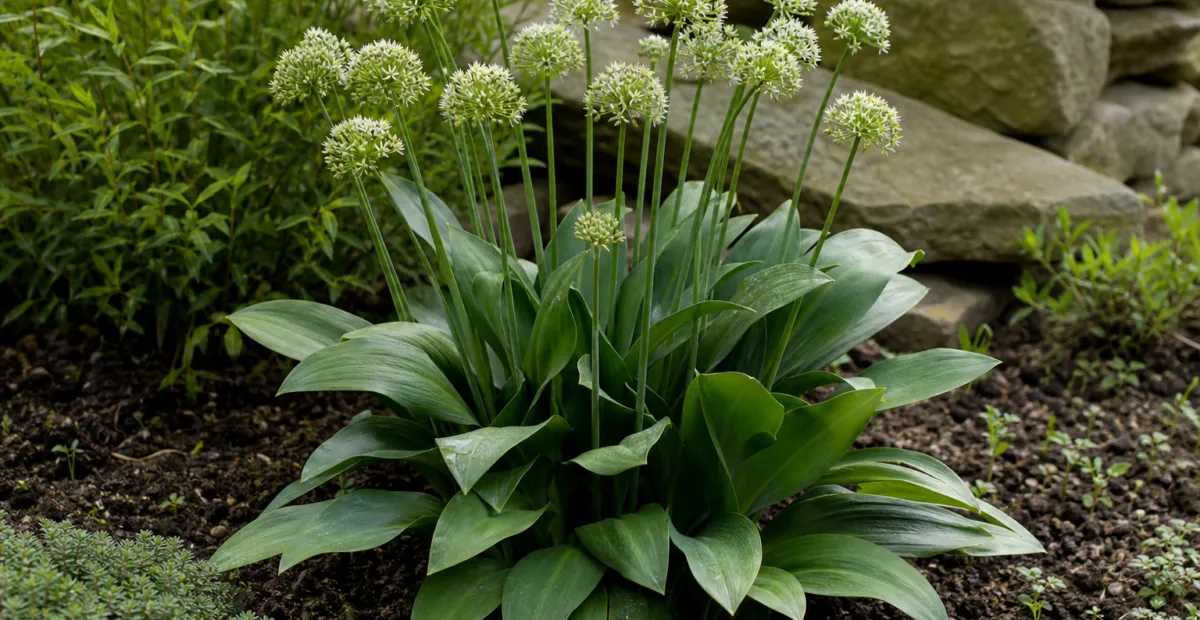
 AI-generated illustration
Victory onio (Allium victorialis) short overview
Victory onio (Allium victorialis) is a hardy, clump-forming bulbous perennial with broad, glossy, leek-like leaves and tall, leafless stems bearing rounded heads of small creamy-green flowers. Native from Europe to the Himalayas, it suits sunny, sheltered beds and containers with fertile, well-drained soil. The leaves and young shoots are edible, with a mild garlic flavor, while the plant also adds distinctive foliage and seasonal flower structure to an allium collection.
Taxonomic classification
Victory onio (Allium victorialis) care guide
Light and placement
Give full sun, ideally in a south- or west-facing, sheltered bed where the soil drains quickly after rain. In hot climates, morning sun with light afternoon protection may reduce heat stress, but heavy shade can weaken flowering and produce floppy growth. Pale, sparse leaves suggest insufficient light; scorched tips or premature dieback suggest excessive heat or drought.
Watering and humidity
Water deeply when the upper soil begins to dry during active growth, then allow excess water to drain fully. Keep bulbs evenly moist in spring and during establishment, but reduce watering as foliage yellows and the plant enters dormancy. Do not leave containers standing in saucers of water. Average outdoor humidity is adequate; additional misting is unnecessary.
Soil and growing medium
Use fertile, humus-enriched soil that drains freely after rain. Loam or sandy loam is suitable; improve heavy clay with organic matter and grit rather than leaving bulbs in stagnant winter moisture. Reported pH tolerance is broad, from acidic through neutral to alkaline, so drainage and structure matter more than precise pH adjustment.
Feeding
Incorporate a modest amount of mature compost before planting. In spring, apply a balanced bulb or perennial fertilizer at label rate if growth is weak or the soil is poor. Avoid high-nitrogen feeding, fresh manure, and late-season fertilization; excessive nitrogen can produce lush foliage while weakening bulbs and delaying dormancy.
Growth and habit
This perennial emerges from a bulb, forms a persistent clump, flowers on upright leafless scapes, and retreats toward dormancy after the growing season. Keep neighboring plants from overwhelming the clump, and leave healthy foliage in place until it naturally yellows so underground bulbs can store energy for the following year.
Planting and repotting
Plant bulbs in fall, or move dormant divisions in late summer or early fall. Set bulbs fairly deeply, with the pointed growing tip upward and several inches of soil above the bulb. Space about 8–12 inches apart so clumps can expand without excessive crowding, then water thoroughly once.
Repot only when a container is crowded or the growing medium has deteriorated. Lift and divide dormant bulbs in late summer or fall, refresh the mix, and replant at the original depth with good drainage. Avoid repeatedly disturbing established clumps.
Propagation and pruning
Propagation
Propagate by seed or division of established bulbs. Sow fresh seed when available and expect a juvenile period before flowering. Division is practical during dormancy: separate offsets carefully, replant promptly, and keep the divisions evenly moist while roots re-establish.
Pruning
Remove spent flower heads if seed production is not wanted, but retain green leaves until they yellow naturally. Once foliage has completely died back, clear it gently. Do not cut healthy leaves early because premature removal reduces bulb energy reserves.
Overwintering
Leave dormant bulbs outdoors in Zones 6–9 where soil drains well. In colder areas or exposed sites, apply a light mulch after the ground cools, keeping it loose around the crown. Container plants are more vulnerable to freeze-thaw cycles; group pots in a sheltered location or sink them into the ground for winter insulation.
Uses
Use in sunny flower borders, informal beds, rock gardens, and large containers. The broad foliage gives an allium collection a distinctive texture, and the flower heads provide seasonal structure. Leaves and young shoots are reported as culinary greens with a mild garlic flavor; harvest lightly so established bulbs retain enough foliage to replenish reserves.
Appearance
The plant forms a clump of broad, glossy, dark-green basal leaves resembling a small leek. Upright, leafless flower scapes rise above the foliage and terminate in rounded umbels of many tiny creamy-green flowers. The onion-garlic odor released when foliage is bruised is a useful identification feature, but correct botanical identification is essential before eating.
Flowering
Rounded umbels of numerous small, creamy-green, star-shaped flowers rise on leafless scapes from late spring into summer. Flowering is most reliable after a cool dormant period and adequate spring growth. Allow foliage to remain after flowering so the bulb can rebuild reserves.
Pollination and visitors
The open flower umbels are accessible to generalist insect visitors. Bees, bumblebees, hoverflies, and other small insects may visit, but a single consistently documented pollinator species was not established from the available sources.
Allium victorialis photos
Click any photo for a larger view. Source, author and license are shown separately.
Diseases and pests
Diseases
Possible problems include rust, onion white rot, and downy mildew. Reduce risk with free-draining soil, good air movement, clean planting material, and careful watering at the soil surface. Remove badly affected foliage and avoid replanting bulbs in persistently wet or contaminated ground.
Pests
Potential pests include stem and bulb eelworms, leek moth, and onion fly. Start with healthy bulbs, avoid planting after diseased alliums, inspect foliage and stems regularly, and remove severely infested material. Maintain weed-free planting areas and do not overwater, since stressed or waterlogged bulbs are more vulnerable.
Related diseases and pests
Only Plant Doctor profiles whose host data indicate this plant may be affected are shown here.
 DiseaseOnion downy mildewPeronospora destructor
 PestAllium leafminerPhytomyza gymnostoma Loew
 DiseaseTomato spotted wilt virusOrthotospovirus tomatomaculae (tomato spotted wilt virus; TSWV)
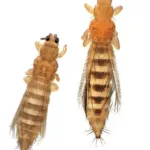 PestOnion thripsThrips tabaci Lindeman
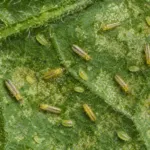 PestMelon thripsThrips palmi Karny
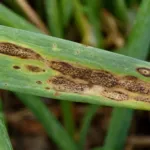 DiseaseStemphylium Leaf BlightStemphylium vesicarium (Wallr.) E.G. Simmons
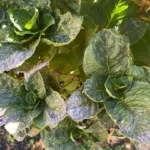 PestChilli thripsScirtothrips dorsalis Hood
 DiseaseRhizopus soft rotRhizopus stolonifer
Toxicity and pollen
Allium species contain sulfur compounds and can cause gastrointestinal upset if eaten in excessive quantities. The documented culinary use of leaves and young shoots does not eliminate the need for correct identification or moderation. Sap may irritate sensitive skin, and concentrated plant material should not be consumed by pets or children.
- Typical season
- May–August in much of the United States
- Pollination / pollen
- Insect-presented pollen; limited airborne dispersal
This is an insect-pollinated flowering bulb, so pollen is mainly presented within flowers rather than released as a large airborne cloud. That suggests a low routine airborne-allergy concern, but individual sensitivity is still possible during close contact, cutting, or handling flowering stems.
Native habitat
The species is native across temperate Eurasia from Europe toward the Himalayas. It is associated with cool mountain or upland environments, including forests, meadows, and open grassy habitats, often in soils that remain reasonably moist but are not stagnant. Garden sites should provide seasonal moisture, winter drainage, and protection from extreme heat.
Interesting fact
The species is a bulbous geophyte whose underground bulb survives unfavorable seasons. Its broad leaves are unusually leek-like for an ornamental allium. The plant has a wide native range extending from Europe to the Himalayas. Young shoots and leaves are reported as edible with a mild garlic flavor.
Frequently asked questions (FAQ)
The most relevant questions about this plant, with short and direct answers.
🌱Quick care
What is victory onio (Allium victorialis)?⌄
Victory onio is a hardy, bulbous perennial onion relative in the Amaryllidaceae family. It forms broad, leek-like leaves and rounded clusters of creamy green flowers, and it is also known as alpine leek in many horticultural references.
Is Allium victorialis a perennial?⌄
Yes, Allium victorialis is a hardy perennial that regrows from bulbs each year. Its foliage is seasonal, while the underground bulbs remain dormant during part of the year.
🌤️Environment and placement
How much sunlight does victory onio need?⌄
Victory onio grows best in full sun, ideally with at least 6 hours of direct light daily. It may tolerate some light shade, but heavily shaded plants can become weaker and flower less reliably.
What soil is best for Allium victorialis?⌄
Use fertile, well-drained loam or sandy loam enriched with organic matter. Avoid heavy, waterlogged soil because persistent excess moisture can damage the bulbs.
What USDA hardiness zones can grow Allium victorialis?⌄
Allium victorialis is generally considered a hardy perennial for roughly USDA Zones 4 through 9, although exact performance depends on the source, local moisture, and winter protection. Plants should have well-drained soil in colder regions.
Does Allium victorialis need winter protection?⌄
Established plants are frost hardy and usually need no special winter protection in suitable USDA Zones. In colder areas or containers, excellent drainage and a light mulch can help protect dormant bulbs from temperature extremes.
💧Care and problems
How often should I water victory onio?⌄
Water victory onio when the soil surface begins to dry, keeping the soil moderately moist but never saturated. Reduce watering after the foliage naturally dies back and the plant enters dormancy.
Is Allium victorialis drought tolerant?⌄
Victory onio has some tolerance of short dry periods once established, but it performs better with consistent moderate moisture. Drought during active spring growth can reduce leaf quality and flowering.
Does victory onio need fertilizer?⌄
Victory onio usually needs only moderately fertile soil and does not require heavy feeding. Apply compost before planting or a light balanced fertilizer as growth begins, avoiding excessive nitrogen that can produce soft foliage.
Why is my Allium victorialis turning yellow?⌄
Yellowing can be normal when victory onio finishes its seasonal growth and enters dormancy. If yellowing occurs early with wilting or soft bulbs, check for overwatering, poor drainage, bulb rot, or disease.
What pests and diseases affect victory onio?⌄
Victory onio may be affected by onion fly, leek moth, stem and bulb eelworms, rust, white rot, or downy mildew. Good drainage, clean planting material, adequate spacing, and removal of diseased tissue help reduce problems.
🪴Planting and repotting
Can victory onio grow in containers?⌄
Yes, victory onio can grow in a container with drainage holes and fertile, well-drained potting mix. Choose a deep container, avoid standing water, and protect the pot from extreme winter temperature swings.
When should I plant Allium victorialis bulbs?⌄
Plant dormant bulbs in fall or during the plant’s dormant season, setting them fairly deeply in well-drained soil. In areas with harsh winters, early fall planting gives roots time to establish before the ground freezes.
How deep should I plant victory onio bulbs?⌄
Plant the bulbs fairly deeply, generally with several inches of soil above the bulb’s top. Exact depth varies with bulb size, so follow the supplier’s instructions when available and prioritize firm anchoring and good drainage.
How far apart should Allium victorialis plants be spaced?⌄
Space victory onio plants about 6 to 9 inches apart for individual clumps, allowing room for broad leaves and gradual offset production. Wider spacing is suitable if you want the plants to naturalize over time.
✂️Propagation and pruning
How do I propagate Allium victorialis?⌄
Allium victorialis can be propagated by dividing established bulbs or by sowing fresh seed. Division is usually the quicker method for producing flowering-size plants, while seedlings may require several years to mature.
Can I grow victory onio from seed?⌄
Yes, victory onio can be grown from seed, and fresh seed may germinate at moderate temperatures in a clean, well-aerated medium. Seed-grown plants are slow to reach harvest or flowering size, so patience is necessary.
When should I divide Allium victorialis bulbs?⌄
Divide established clumps during dormancy, commonly in winter or after the foliage has died back. Replant healthy offsets promptly at the original depth and keep them evenly moist while roots reestablish.
Should I cut back victory onio after flowering?⌄
Remove spent flower heads if you do not want seed production, but leave healthy leaves until they yellow naturally. The foliage replenishes the bulb for the following season, so avoid cutting it back while it is still green.
Does Allium victorialis spread aggressively?⌄
Victory onio is a clump-forming perennial rather than a generally aggressive spreader. It can slowly increase through bulb offsets and seed, but it is usually manageable in borders, raised beds, or containers.
⚠️Toxicity and safety
Are victory onio flowers edible?⌄
The flowers and floral stems are reported as edible, but use only plants that have been correctly identified and grown without unsafe chemicals. Flavor and palatability are generally strongest when plant parts are harvested young.
Are victory onio leaves edible?⌄
Yes, the young leaves and shoots of Allium victorialis are reported as edible and have an onion or mild garlic flavor. Harvest conservatively so the bulb retains enough foliage to support future growth.
Can you eat Allium victorialis bulbs?⌄
The bulbs are reported as edible, but they are less commonly harvested in cultivation because removing them kills or weakens the plant. For a sustainable harvest, take only a small number of young leaves from established clumps.
Is victory onio toxic to people?⌄
Victory onio is generally regarded as a low-toxicity edible allium, but excessive intake may upset digestion. Never eat a wild plant unless its identity is certain, because unrelated plants with similar leaves can be dangerous.
Is Allium victorialis toxic to dogs or cats?⌄
Allium species can cause illness in pets when eaten in large amounts, and dogs and cats should not be allowed to consume victory onio. Contact a veterinarian or animal poison service promptly if a pet eats a significant quantity.
Is victory onio deer resistant?⌄
Victory onio is often considered relatively resistant to deer because of its strong onion-garlic aroma, but no plant is completely deer-proof. Hungry deer may still browse it, especially where preferred food is scarce.
🌸Flowering and special interest
When does Allium victorialis flower?⌄
Allium victorialis commonly flowers from late spring into summer, with timing varying by climate and elevation. Its rounded umbels contain small creamy white to greenish flowers on upright stems.
How tall does victory onio grow?⌄
Victory onio commonly reaches about 2 feet tall when flowering, although size varies with climate, soil, and the plant’s form. Broad basal leaves are usually shorter than the flowering stems.
Similar plants
 Azure Monkshood (Aconitum carmichaelii) care guideAconitum carmichaelii
 Monkshood (Aconitum ‘Stainless Steel’)Aconitum 'Stainless Steel'
 Monkshood (Aconitum ‘Bressingham Spire’)Aconitum 'Bressingham Spire'
 Golden full moon maple (Acer shirasawanum ‘Aureum’)Acer shirasawanum 'Aureum'
 Globosum (Acer platanoides ‘Globosum’)Acer platanoides 'Globosum'
 Striped maple (Acer pensylvanicum) care guideAcer pensylvanicum