
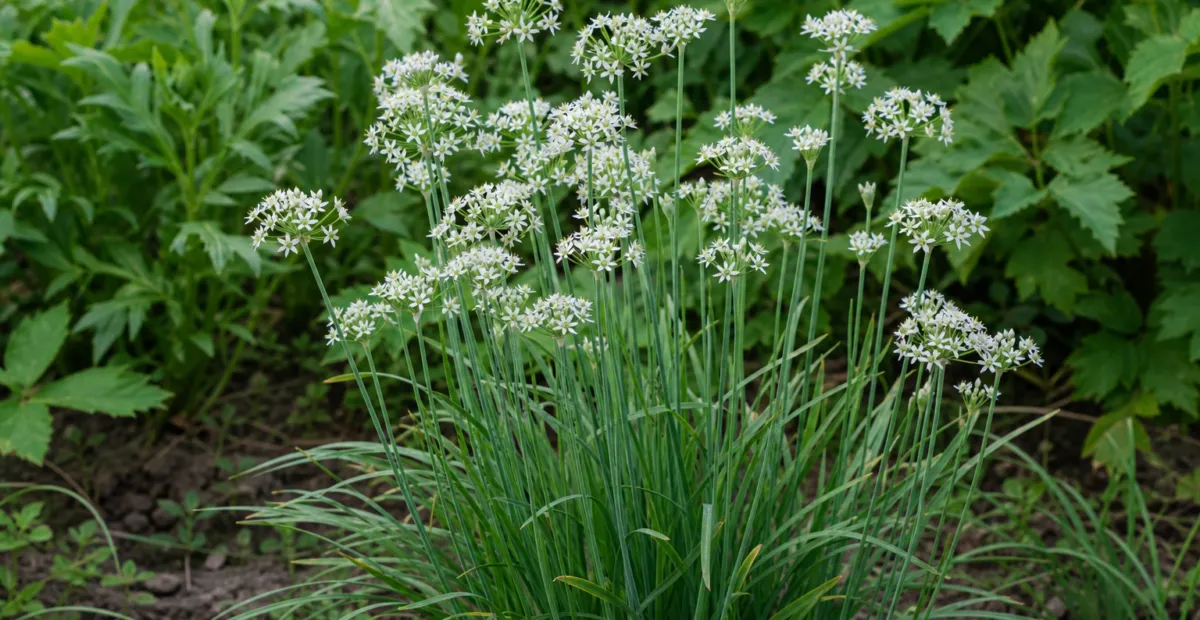
 AI-generated illustration
Kutsay (Allium tuberosum) short overview
Kutsay (Allium tuberosum) is a cold-hardy, clump-forming perennial grown for its flat, garlic-scented leaves and edible bulbs. In late summer, leafless stems rise above the foliage and carry loose clusters of small white, star-shaped flowers. It performs best in full sun and well-drained soil, tolerates some partial shade and dry conditions once established, and may spread readily through self-seeding and tuberous underground growth.
Taxonomic classification
Kutsay (Allium tuberosum) care guide
Light and placement
Grow in full sun for the strongest growth and flowering; morning sun with light afternoon shade is suitable in hot climates. South- or east-facing beds are usually effective. Pale, floppy growth suggests insufficient light, while scorched leaf tips or rapid wilting can indicate excessive heat combined with dry soil. Avoid dense shade, where flowering and clump strength decline.
Watering and humidity
Water deeply when the upper inch of soil begins to dry, then allow excess water to drain away. Keep plants more evenly moist during establishment, active spring growth, and flowering; reduce irrigation in cool fall weather and after dormancy begins. Established clumps tolerate short dry periods, but prolonged drought can reduce leaf quality and bloom.
Soil and growing medium
Use fertile, well-drained loam or amended garden soil. The plant tolerates a range of ordinary garden soils, but persistent winter wetness can damage bulbs and roots. A near-neutral to slightly alkaline reaction is suitable; avoid compacted soil and improve drainage before planting in heavy clay.
Feeding
Top-dress with compost in spring or apply a balanced, slow-release fertilizer at label rate as growth begins. Feed lightly because excessive nitrogen can produce soft, lush foliage and reduce plant balance. Do not fertilize drought-stressed, waterlogged, or dormant plants; water after applying granular products.
Growth and habit
Forms a dense, persistent clump from bulbous and tuberous underground structures. Foliage regrows seasonally, and mature plants may enlarge steadily without frequent division. Flowering stems can produce many seedlings, so removing spent heads is useful where a restrained planting is preferred.
Planting and repotting
Plant in spring after workable soil conditions, or in early fall where plants can establish before hard freezes. Set bulbs or divisions with the crown close to soil level and cover with roughly 1–2 inches of soil. Space plants about 8–12 inches apart for a continuous clump, or farther apart where natural spread is acceptable.
Repot container-grown plants in early spring when clumps become crowded. Move the whole clump into a slightly larger container with fresh, well-drained potting mix, or divide it into smaller sections. Ensure the container has drainage holes and do not bury the bulbs more deeply than they were previously growing.
Propagation and pruning
Propagation
Sow fresh seed as soon as ripe or in spring in a cold frame. Divide established clumps in early spring, or separate offsets in fall. Division gives faster, more uniform culinary plants; seed is easy but may produce numerous seedlings and can allow the plant to spread beyond the intended bed.
Pruning
No routine pruning is required. Harvest leaves from the outside of the clump, leaving enough foliage for continued growth. Cut flower stems after bloom if you want to prevent seed production and reduce spread; remove yellowing foliage only after it has naturally declined.
Overwintering
Plants are hardy through USDA Zones 3–9. In colder regions, leave the dormant clump in the ground and apply a light mulch after the soil cools, keeping mulch away from the crown. Containers are more exposed to freezing than garden beds; move them to a sheltered, unheated location or insulate the pot during severe cold.
Uses
Use the young leaves as a garlic-flavored culinary herb in salads, soups, stir-fries, egg dishes, and sauces. Flowers provide late-season ornamental value and nectar or pollen resources for insect visitors. Grow it in edible landscapes, containers, borders, and pollinator-oriented plantings. Harvest responsibly and deadhead if unwanted spread is a concern.
Appearance
Leaves are narrow, flat, strap-shaped, and gray-green, forming a grasslike clump. Leafless flowering scapes rise above the foliage and terminate in rounded umbels. Bruised or cut tissue has a clear onion-garlic odor, while the small white flowers are distinctive for their star shape and darker tepal markings.
Flowering
Flowering occurs on upright, leafless scapes in late summer into early fall. Each rounded umbel contains many small, six-tepaled, white flowers with darker markings on the tepals. Flowers are held above the foliage and may be followed by abundant black seeds if the heads are left to mature.
Pollination and visitors
Open umbels provide accessible floral resources for bees, bumblebees, butterflies, wasps, and other flower-visiting insects. Extension and horticultural sources consistently identify the flowers as useful to pollinators, especially during the late-season flowering window.
Allium tuberosum photos
Click any photo for a larger view. Source, author and license are shown separately.
Diseases and pests
Diseases
Generally trouble-free, but poorly drained sites may encourage onion white rot or downy mildew. Reduce risk with good drainage, adequate spacing, clean planting material, and crop rotation. Remove and discard badly affected plants rather than composting diseased bulbs; avoid overhead watering late in the day.
Pests
Watch for slugs, snails, allium leaf-mining fly, and onion fly. Inspect new growth and leaf bases, remove heavily damaged leaves, and maintain clean beds with good air circulation. Hand-picking and physical barriers are appropriate first responses in edible plantings; avoid unnecessary broad-spectrum insecticides during bloom.
Related diseases and pests
Only Plant Doctor profiles whose host data indicate this plant may be affected are shown here.
 DiseaseOnion downy mildewPeronospora destructor
 PestAllium leafminerPhytomyza gymnostoma Loew
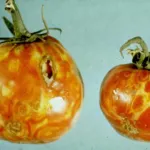 DiseaseTomato spotted wilt virusOrthotospovirus tomatomaculae (tomato spotted wilt virus; TSWV)
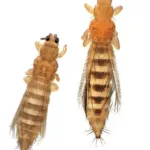 PestOnion thripsThrips tabaci Lindeman
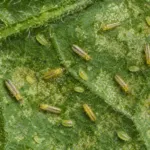 PestMelon thripsThrips palmi Karny
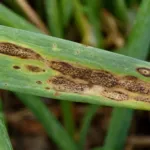 DiseaseStemphylium Leaf BlightStemphylium vesicarium (Wallr.) E.G. Simmons
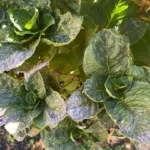 PestChilli thripsScirtothrips dorsalis Hood
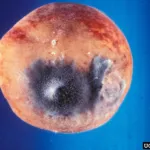 DiseaseRhizopus soft rotRhizopus stolonifer
Toxicity and pollen
The foliage, bulbs, and other tissues contain Allium compounds. They are edible for people in customary culinary quantities, but concentrated or substantial ingestion can cause problems in pets, especially cats and dogs, including gastrointestinal signs and red-blood-cell damage. Wash hands after handling cut material and keep harvested portions away from pets.
- Typical season
- Late summer to early fall
- Pollination / pollen
- Insect-presented pollen
This is an insect-pollinated flowering plant, so pollen is primarily presented at flowers rather than released in large windborne clouds. Sensitive people may still react to individual plant pollen or strong allium odors, but species-specific airborne-allergy data are limited; the low rating reflects limited documented airborne exposure, not proof of zero risk.
Native habitat
Native from the Himalaya through China, where it occurs in temperate environments including moist woodland and natural areas. In cultivation it adapts to ordinary fertile garden soil, provided drainage is reliable. It has naturalized in parts of the United States and may behave aggressively in favorable conditions.
Interesting fact
The species name tuberosum refers to its tuberous underground structures. Its leaves smell of garlic or onion when bruised, while the flowers are described as having a sweeter, violet-like scent. It can expand quickly because it combines vegetative spread with prolific self-seeding.
Frequently asked questions (FAQ)
The most relevant questions about this plant, with short and direct answers.
🌱Quick care
What is kutsay (Allium tuberosum)?⌄
Kutsay is a cold-hardy, clump-forming perennial allium grown for its flat, garlic-flavored leaves and white flowers. It belongs to the Amaryllidaceae family and is commonly grown as both an herb and an ornamental plant.
Is kutsay perennial or annual?⌄
Kutsay is a perennial that can return for many years when planted in well-drained soil. Its foliage may slow or die back during cold weather, then regrow in spring.
How much sun does kutsay need?⌄
Kutsay grows best in full sun but tolerates partial shade. More sunlight generally supports stronger growth and better flowering, while afternoon shade can help in very hot climates.
How often should I water kutsay?⌄
Water kutsay moderately, allowing the soil to dry slightly between waterings. Established plants tolerate short dry periods, but consistently soggy soil can cause bulb or root rot.
🌤️Environment and placement
What USDA hardiness zones can grow kutsay?⌄
Kutsay is a cold-hardy perennial commonly grown in USDA Zones 3 through 9. Local performance can still vary with winter moisture, soil drainage, and exposure.
What type of soil is best for kutsay?⌄
Use fertile, well-drained loam for kutsay. Improve heavy clay or compacted soil with organic matter and avoid locations where water remains after rain.
Can kutsay grow in containers?⌄
Yes, kutsay grows well in containers with drainage holes and a fertile, well-drained potting mix. Containers are also useful for limiting its tendency to spread by seed.
Can kutsay grow indoors?⌄
Kutsay can grow indoors in a bright, sunny window, although growth may be weaker during winter when light levels are low. Use a pot with drainage holes and avoid keeping the mix constantly wet.
Does kutsay tolerate drought?⌄
Established kutsay has useful drought tolerance once its roots are developed. Water deeply during prolonged dry weather, especially for plants in containers or newly planted beds.
💧Care and problems
Why is my kutsay turning yellow?⌄
Yellowing kutsay leaves may result from natural dormancy, overwatering, poor drainage, or insufficient light. Check the soil before watering and move or improve plants growing in persistently wet conditions.
Why is my kutsay not growing well?⌄
Poor growth commonly results from inadequate light, depleted soil, overcrowding, or excessive moisture. Give the clump sun to partial shade, fertile soil, and enough space for air circulation.
How do I harvest kutsay leaves?⌄
Harvest kutsay leaves by cutting them close to the base with clean scissors. Take only part of the foliage at one time so the clump can continue photosynthesizing and rebuilding energy.
Can you eat kutsay leaves and flowers?⌄
Kutsay leaves and flowers are traditionally used as edible herbs, with a flavor stronger and more garlicky than common chives. Eat only correctly identified plants grown without unsafe chemical treatments, and use moderation if you have sensitivities.
Does kutsay attract pollinators?⌄
Yes, kutsay’s white flower clusters attract pollinators, including bees and other flower-visiting insects. Leave some flowers open if supporting pollinators is more important than preventing seed spread.
🪴Planting and repotting
When should I plant kutsay seeds?⌄
Sow kutsay seeds in spring or in fall after they ripen, depending on your climate and seed source. Spring sowing should begin after the soil is workable, while fall sowing allows natural cold exposure.
How deep should kutsay seeds be planted?⌄
Plant kutsay seeds about 1/4 inch deep in moist, well-drained soil. Germination commonly takes about 7 to 14 days under suitable conditions.
How far apart should kutsay plants be?⌄
Space kutsay plants about 12 inches apart to allow mature clumps to develop. Wider spacing can make harvesting, weeding, and division easier.
Can I plant kutsay in wet soil?⌄
No, kutsay should not be planted in soil that stays wet. Poor drainage increases the risk of bulb and root problems, so choose raised, amended, or naturally well-drained ground.
Should I grow kutsay in a pot to control spreading?⌄
Growing kutsay in a pot is a practical way to reduce unwanted spread. Use a container with drainage holes and remove spent flower heads before they release seeds.
✂️Propagation and pruning
How do I propagate kutsay?⌄
Propagate kutsay by seed or by dividing established clumps. Division produces larger plants sooner, while seed is useful for producing many plants but may take longer to reach flowering size.
When is the best time to divide kutsay?⌄
Divide kutsay in early spring as new growth begins or when the plant is not under heat or drought stress. Replant the divisions promptly at the same depth and water them until established.
Does kutsay spread by itself?⌄
Yes, kutsay can self-seed readily, especially where flowers are allowed to mature. Remove spent flower heads before seed capsules open if you want to keep the plant contained.
Should I deadhead kutsay flowers?⌄
Deadhead kutsay after flowering if you want to prevent self-seeding and preserve a tidy clump. Leave the flowers in place if you want seeds or continued wildlife value.
How often should kutsay clumps be divided?⌄
Divide crowded kutsay clumps about every three years or when flowering and leaf production decline. Division helps restore vigor and gives each section more growing space.
⚠️Toxicity and safety
Is kutsay toxic to dogs and cats?⌄
Yes, kutsay is an Allium and should be treated as moderately toxic to dogs and cats if eaten. Ingestion can cause gastrointestinal upset and, with sufficient exposure, damage to red blood cells; contact a veterinarian or animal poison-control service if a pet consumes it.
Is kutsay safe for people to eat?⌄
Kutsay is used as a culinary herb, but edible use depends on correct identification and safe growing conditions. Do not eat plants treated with ornamental pesticides, and stop using it if it causes an adverse reaction.
Can children eat kutsay?⌄
Children should eat kutsay only when an adult has confirmed the plant’s identity and safe growing conditions. Keep uncooked plant material away from pets, and use small culinary portions rather than treating it as a large leafy vegetable.
🌸Flowering and special interest
When does kutsay bloom?⌄
Kutsay commonly blooms in mid to late summer, often around July and August in the United States. It produces fragrant white flower clusters held above the flat foliage.
What do kutsay flowers look like?⌄
Kutsay flowers are small, white, and grouped into rounded clusters on upright stalks. The blooms rise above the leaves and can be used ornamentally or allowed to support pollinators.
Why is my kutsay flowering but producing fewer leaves?⌄
Kutsay may produce fewer leaves while directing energy into flowering and seed production. Remove flower stalks for continued leaf harvest, and divide overcrowded clumps if growth remains weak.
Similar plants
 Azure Monkshood (Aconitum carmichaelii) care guideAconitum carmichaelii
 Monkshood (Aconitum ‘Stainless Steel’)Aconitum 'Stainless Steel'
 Monkshood (Aconitum ‘Bressingham Spire’)Aconitum 'Bressingham Spire'
 Golden full moon maple (Acer shirasawanum ‘Aureum’)Acer shirasawanum 'Aureum'
 Globosum (Acer platanoides ‘Globosum’)Acer platanoides 'Globosum'
 Striped maple (Acer pensylvanicum) care guideAcer pensylvanicum