
 AI-generated illustration
Sand Leek (Allium scorodoprasum) short overview
Sand leek (Allium scorodoprasum) is a hardy Eurasian bulbous perennial valued for its unusual purple flower heads and dark bulbils. Narrow, grassy leaves emerge in spring, then fade as wiry, leafless stems carry early-summer umbels. Plant bulbs in full sun and fertile, sharply drained soil. The species is edible but can spread readily by bulbils, and its tissues should be kept away from dogs and cats.
Taxonomic classification
Sand Leek (Allium scorodoprasum) care guide
Light and placement
Give sand leek full sun, ideally six or more hours of direct light with a south- or west-facing aspect. Bright exposure supports sturdy scapes and flowering; shade may produce weaker stems and reduced bloom. In very hot climates, light afternoon shade can reduce stress, but avoid dense shade and poorly ventilated positions.
Watering and humidity
Water after fall planting and during the first growing season whenever the upper soil begins to dry. Thereafter, provide moderate moisture during active spring growth, reducing irrigation as foliage fades and avoiding wet soil during dormancy. Container plants dry faster and need checking more often, but saucers should not hold standing water.
Soil and growing medium
Use fertile, well-drained sandy or loamy soil. Sand leek tolerates acidic, neutral, and alkaline conditions, including calcareous ground, but persistent winter saturation can cause bulb problems. Improve heavy clay with grit, organic matter, or a raised bed; containers are useful where drainage is poor.
Feeding
Feed in early spring as growth resumes with a balanced, slow-release bulb fertilizer or a light dressing of finished compost. Avoid heavy nitrogen, which can produce lush foliage at the expense of bulbs and flowering. Stop routine feeding once flowering is underway and do not fertilize dry or waterlogged soil.
Growth and habit
This geophytic perennial persists from a bulb and forms a seasonal clump. It grows actively in spring, flowers on upright scapes, and then retreats toward dormancy as the foliage fades. Bulbils can establish new plants near the parent, so deadhead or collect mature heads if a restrained planting is desired.
Planting and repotting
Plant bulbs in fall, generally from September through November in much of the United States, before the ground freezes. Set bulbs with the pointed end upward at roughly 3–4 inches deep and space them about 4–6 inches apart. Water after planting, then maintain even moisture while roots establish.
Repot or divide container-grown bulbs when dormant, usually in late summer or early fall. Use a pot with drainage holes and fresh, free-draining potting mix. Replant bulbs at the same depth rather than burying the neck deeply.
Propagation and pruning
Propagation
Propagate by offsets or bulbils when the plant is dormant or after flowering heads mature. Seed can be sown fresh in fall or in spring, but seed production may be inconsistent and bulbils usually provide the most practical increase. Remove surplus bulbils if unwanted spread is a concern.
Pruning
No regular pruning is required. Remove spent stems after the flower heads lose their display value, but allow foliage to yellow naturally so the bulb can replenish reserves. Cut back fully dormant leaves only after they have withered.
Overwintering
Leave bulbs outdoors in the ground in climates where the soil drains freely and winter temperatures remain within their hardiness range. In colder exposed sites, apply a light mulch after the ground freezes. Container bulbs are more vulnerable to repeated freeze-thaw cycles; move pots to a sheltered, unheated location rather than a warm indoor room.
Uses
Useful in sunny bulb borders, cottage gardens, meadow edges, wildlife plantings, and containers. The bulbs and bulbils have documented culinary use as a garlic-like seasoning, but identification must be certain and quantities should be modest. Its purple umbels also provide ornamental structure and resources for flower-visiting insects.
Appearance
The plant has two to five narrow, flat to slightly keeled basal leaves with a grassy appearance and rough leaf edges or midrib. A cylindrical, mostly leafless scape supports a rounded head. Purple flowers are mixed with conspicuous dark purple bulbils, a key identification feature, and the whole plant has an onion-garlic odor.
Flowering
Rounded umbels open in early summer on upright, leafless stems. The head combines purple, six-tepaled flowers with dark purple bulbils, and the umbels may remain decorative as they dry. Basal foliage commonly yellows or dies back around flowering.
Pollination and visitors
RHS lists this species as providing nectar and pollen for bees and other pollinating insects. Open umbels can also be visited by bumblebees, hoverflies, and other small flower visitors. Visitor records are stronger at the group level than for any single named pollinator species.
Allium scorodoprasum photos
Click any photo for a larger view. Source, author and license are shown separately.
Diseases and pests
Diseases
Watch for onion white rot and downy mildew, especially in wet or poorly ventilated conditions. Remove infected plants, avoid moving soil from affected beds, rotate allium plantings, and water at the soil surface rather than over the foliage. Good drainage is the main preventive measure.
Pests
Possible pests include allium leaf miner and onion fly. Inspect emerging foliage for mines, distorted growth, or larval damage; remove heavily affected leaves and use insect exclusion or local integrated pest-management guidance where pressure is persistent. Avoid planting repeatedly in the same bed.
Related diseases and pests
Only Plant Doctor profiles whose host data indicate this plant may be affected are shown here.
 DiseaseOnion downy mildewPeronospora destructor
 DiseaseAllium rustPuccinia allii
 PestAllium leafminerPhytomyza gymnostoma Loew
 DiseaseTomato spotted wilt virusOrthotospovirus tomatomaculae (tomato spotted wilt virus; TSWV)
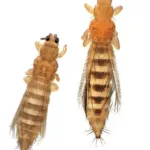 PestOnion thripsThrips tabaci Lindeman
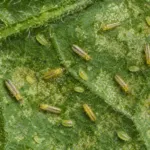 PestMelon thripsThrips palmi Karny
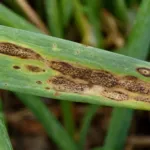 DiseaseStemphylium Leaf BlightStemphylium vesicarium (Wallr.) E.G. Simmons
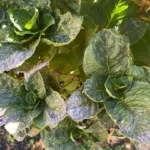 PestChilli thripsScirtothrips dorsalis Hood
Toxicity and pollen
Direct species-specific toxicity studies are limited, but Allium plants contain sulfur compounds and related onions and garlic can damage red blood cells in pets. Human culinary use is documented for this species, but use only positively identified, uncontaminated material and avoid excessive amounts. Wash hands after handling bulbs and do not allow pets to chew the plant.
- Typical season
- May–June in much of the United States; timing varies by region.
- Pollination / pollen
- Mostly insect-carried pollen
This is an insect-pollinated flowering bulb, so pollen is mainly presented within flowers rather than released as a large airborne cloud. Species-specific US aeroallergen data are scarce; sensitive people may still react to contact with flowers or concentrated pollen. Avoid rubbing the eyes after handling and remove spent heads carefully.
Native habitat
Native from Europe through the Caucasus and Israel, this temperate bulb occurs in habitats such as broad-leaved woodland margins, hedgerows, meadows, shores, and other seasonally moist but draining sites. It is adapted to fertile soils and can tolerate calcareous conditions, while prolonged saturation is unfavorable.
Interesting fact
The flower head often contains both true flowers and purple bulbils. Seeds may be sparse or inconsistent, making bulbils an important means of multiplication. Leaves can die back as flowering begins. Its strong onion-garlic odor is useful for field identification.
Frequently asked questions (FAQ)
The most relevant questions about this plant, with short and direct answers.
🌱Quick care
What is Sand Leek (Allium scorodoprasum)?⌄
Sand Leek is a cold-hardy, bulb-forming perennial allium in the Amaryllidaceae family. It produces onion-scented leaves, purple flower clusters, and distinctive bulbils around the flower head.
Is Sand Leek the same as rocambole garlic?⌄
Sand Leek is closely associated with the name rocambole, but it is not the same as cultivated rocambole garlic, which is usually a form of Allium sativum. Check the scientific name before buying or planting bulbs.
🌤️Environment and placement
How much sun does Sand Leek need?⌄
Sand Leek grows best in full sun, meaning at least 6 hours of direct sunlight daily. Some light afternoon shade may be tolerated, but reduced light can weaken growth and flowering.
What soil is best for Sand Leek?⌄
Use fertile, well-drained sandy or loamy soil. Heavy, saturated clay should be amended or avoided because prolonged winter wetness can encourage bulb rot.
What USDA hardiness zone is Sand Leek suitable for?⌄
Sand Leek is generally considered cold-hardy and is commonly listed for about USDA Zones 6–9. Exact performance can vary with drainage, winter exposure, and the source of the planting material.
Can Sand Leek grow in poor soil?⌄
Sand Leek can tolerate relatively lean, dry soil once established, but it grows better and forms stronger bulbs in fertile, well-drained soil. Avoid enriching the planting site with excessive moisture-retaining material.
💧Care and problems
How often should I water Sand Leek?⌄
Water Sand Leek moderately, keeping the soil lightly and evenly moist during active growth but not waterlogged. Allow the surface to dry somewhat between waterings, especially after the foliage begins to die back.
Does Sand Leek tolerate drought?⌄
Established Sand Leek has some drought tolerance, particularly in well-drained soil. Water during prolonged dry periods while it is actively growing, but avoid frequent irrigation during dormancy.
Does Sand Leek need pruning?⌄
Sand Leek does not need routine pruning. Remove spent flower stems and yellowing foliage only after they have naturally declined, unless you are cutting flower heads to prevent unwanted spread.
What pests and diseases affect Sand Leek?⌄
Sand Leek may be affected by allium leaf miner, onion fly, onion white rot, downy mildew, or rust. Good drainage, crop rotation, sanitation, and avoiding overhead watering can reduce disease pressure.
Why are Sand Leek leaves turning yellow?⌄
Yellowing leaves are normal as Sand Leek enters summer dormancy after flowering. If yellowing occurs during active growth, check for overwatering, poor drainage, root damage, pests, or disease.
🪴Planting and repotting
Can Sand Leek grow in containers?⌄
Yes, Sand Leek grows well in a container with drainage holes and a loose, fertile potting mix. Containers are especially useful where garden soil stays wet or contains heavy clay.
When should I plant Sand Leek bulbs?⌄
Plant Sand Leek bulbs in fall so they can establish roots before winter. In colder areas, plant several weeks before the ground normally freezes; spring planting is possible but may produce less growth in the first season.
How deep should Sand Leek bulbs be planted?⌄
Plant Sand Leek bulbs with the pointed end up and cover them with soil to roughly two to three times the bulb's height. Space them far enough apart for the mature clump and good air circulation.
✂️Propagation and pruning
Can Sand Leek be grown from seed?⌄
Yes, Sand Leek can be propagated from seed, but seed production may be limited and germination can be less predictable than vegetative propagation. Sow fresh seed when available or in spring after cold exposure.
How do you propagate Sand Leek from bulbils?⌄
Separate the small bulbils that form in or around the flower head and plant them in loose, well-drained soil. Bulbils are an important natural propagation method, but they usually need time to reach flowering size.
Can Sand Leek spread aggressively?⌄
Sand Leek can spread readily through bulbils that detach from the flower head and root nearby. Remove developing bulbils or flower heads if you want to limit self-spreading.
Should I divide Sand Leek clumps?⌄
Divide Sand Leek after flowering, once the foliage has begun to decline, by lifting the bulb cluster and separating offsets. Replant the offsets promptly at the same depth and water them in.
⚠️Toxicity and safety
Can you eat Sand Leek?⌄
Sand Leek has edible, onion- or garlic-flavored bulbs and bulbils, but species identification must be certain before eating any wild allium. Use only clean, correctly identified plants and avoid specimens exposed to pesticides or roadside contamination.
Is Sand Leek toxic to dogs and cats?⌄
Sand Leek should be treated as potentially toxic to dogs and cats because it belongs to the Allium genus. Keep pets from chewing the bulbs, leaves, flowers, or bulbils and contact a veterinarian promptly after ingestion.
What should I do if my pet eats Sand Leek?⌄
Contact your veterinarian or a U.S. pet poison service promptly if a dog or cat eats Sand Leek. Allium poisoning can damage red blood cells, and signs such as weakness, pale gums, vomiting, or collapse may be delayed for several days.
Is Sand Leek deer resistant?⌄
Sand Leek may be less appealing to deer and other browsing animals because of its strong onion-like odor, but it should not be considered completely deer-proof. Hungry animals can still damage or uproot plants.
🌸Flowering and special interest
Why is my Sand Leek not flowering?⌄
Sand Leek may fail to flower when bulbs are immature, light is insufficient, soil stays too wet, or the plant was recently transplanted. Give it full sun, excellent drainage, and time to establish.
When does Sand Leek bloom?⌄
Sand Leek typically flowers in late spring to early summer, although timing varies by climate and growing conditions. Purple flowers may appear with small bulbils in the rounded flower cluster.
What do Sand Leek flowers look like?⌄
The flowers form a rounded cluster of purple to reddish-purple, star-like blooms on a mostly leafless stalk. Small purple bulbils may be mixed among the flowers, giving the head a distinctive appearance.
Similar plants
 Azure Monkshood (Aconitum carmichaelii) care guideAconitum carmichaelii
 Monkshood (Aconitum ‘Stainless Steel’)Aconitum 'Stainless Steel'
 Monkshood (Aconitum ‘Bressingham Spire’)Aconitum 'Bressingham Spire'
 Golden full moon maple (Acer shirasawanum ‘Aureum’)Acer shirasawanum 'Aureum'
 Globosum (Acer platanoides ‘Globosum’)Acer platanoides 'Globosum'
 Striped maple (Acer pensylvanicum) care guideAcer pensylvanicum