
 Source:
 Ornamental onion (Allium ‘Red Mohican’) short overview
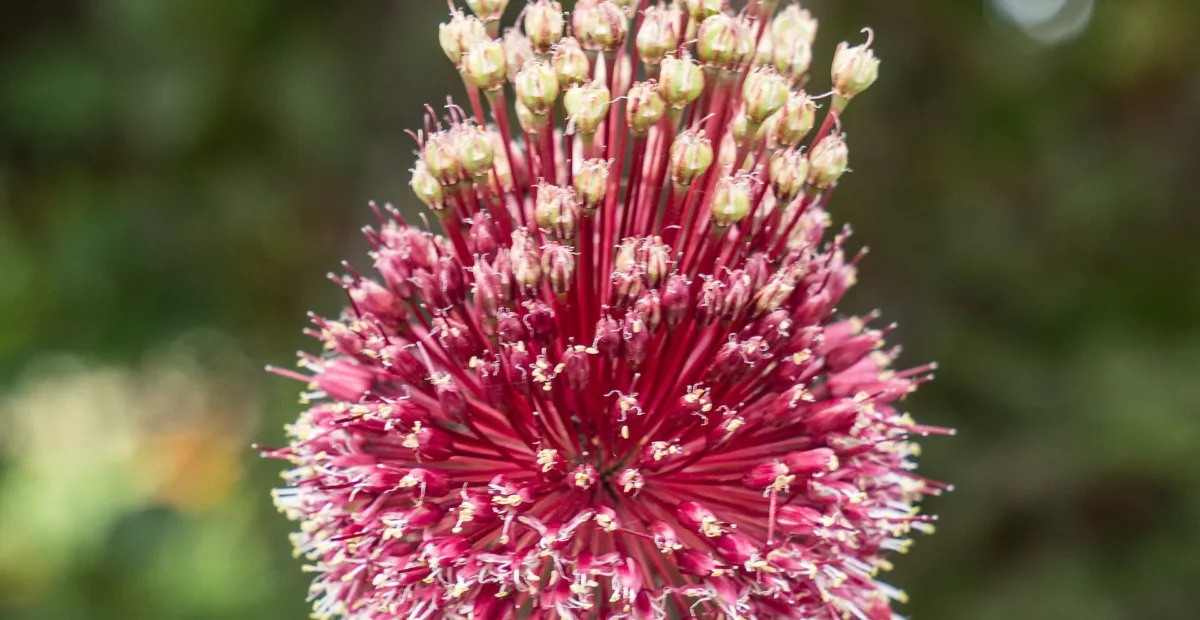
Allium 'Red Mohican' is a striking ornamental onion grown from a hardy bulb. Its tall, slender stems carry unusual wine-red, drumstick-like flower heads whose upper buds form a distinctive crested crown and open to pale white florets. Plant it in full sun and well-drained soil for an early-summer display. The flowers suit borders and cut arrangements, while the fading heads can add structure after bloom.
Taxonomic classification
Ornamental onion (Allium ‘Red Mohican’) care guide
Light and placement
Give full sun, ideally in an open bed with at least 6 hours of direct light. East-, south-, west-, or north-facing positions can work if the site is bright, but sheltered exposure helps protect tall stems. Weak, floppy stems or sparse heads suggest insufficient light; scorched foliage usually indicates heat, drought, or root stress rather than excessive sun alone.
Watering and humidity
Water thoroughly after fall planting and during the first growing season whenever the upper few inches of soil become dry. Once established, reduce irrigation and let the soil dry between waterings, especially after foliage begins to fade. Avoid frequent shallow watering and saturated winter soil; container plants may need more regular checks than border plants.
Soil and growing medium
Use fertile, sharply drained soil; sandy or loamy ground is ideal. Heavy clay should be amended with grit or coarse organic matter so bulbs do not remain waterlogged in winter. A broad pH tolerance is reported, from acidic through alkaline, provided drainage is good.
Feeding
In open ground, incorporate a modest amount of compost when planting and apply a balanced slow-release bulb fertilizer in fall or as growth begins. Avoid heavy nitrogen, which can produce lush foliage at the expense of sturdy flowering. Do not feed waterlogged or visibly diseased bulbs.
Growth and habit
A clump-forming bulbous perennial that produces basal foliage before sending up tall, mostly leafless flowering stems. Leaves often decline as flowering begins, so it combines well with plants that conceal the fading foliage. Leave stems and heads standing for visual structure until they deteriorate naturally.
Planting and repotting
Plant bulbs in fall, usually from September through November in much of the United States. Set them about 4 inches deep, or roughly two to three times the bulb’s height, with the basal plate down. Space about 6–10 inches apart; wider spacing helps individual flower heads show clearly.
Container-grown bulbs rarely need annual repotting. Refresh the mix and divide crowded bulbs after the foliage has died back, normally in late summer or early fall. Use a deep container with drainage holes and avoid leaving the pot in a saucer of water.
Propagation and pruning
Propagation
Propagate by offsets after flowering when the foliage has yellowed and the stem has dried. Lift the clump carefully, separate offsets from the parent bulb, and replant healthy material in fall. Seed propagation is possible for the species but will not reliably reproduce the cultivar.
Pruning
No routine pruning is required. Remove yellowing foliage only after it has naturally withered, because premature cutting reduces bulb replenishment. Cut flower stems for arrangements when the heads are well colored; leave some spent heads standing if you want architectural seed-head interest.
Overwintering
Leave bulbs outdoors in the ground in suitable climates, especially where soil drains freely. In colder areas, mulch lightly after the ground begins to freeze, keeping mulch away from the crown. Containers are more exposed to deep freezing; place them in a sheltered cold location rather than bringing them into warm indoor conditions.
Uses
Useful for sunny borders, gravel and rock gardens, wildlife plantings, containers with excellent drainage, and fresh or dried cut-flower arrangements. Its narrow habit and unusual flower structure provide vertical accent without creating a broad leafy mass. Do not use the bulbs for cooking because this ornamental cultivar has not been documented as a food crop.
Appearance
Narrow basal leaves emerge before flowering and commonly yellow as the stem rises. The flowering stem is slender, tall, and largely leafless. Before opening, the stem may arch like a shepherd’s crook; it straightens near flowering. Dense wine-red florets form a compact drumstick head, topped by elongated pale buds that create the cultivar’s signature crest.
Flowering
Flower heads appear in early summer, commonly June and sometimes extending into July depending on climate. The developing stem may arch or bend before straightening at anthesis. Wine-red florets are concentrated in a drumstick-like head, with elongated upper pedicels creating a conspicuous crested crown that opens pale white.
Pollination and visitors
The nectar-rich flowers are reported to attract bees, butterflies, and other insect visitors. The open florets and elevated flower heads make the plant useful in ornamental pollinator plantings, although visitor numbers will vary with local weather and surrounding habitat.
Allium 'Red Mohican' photos
Click any photo for a larger view. Source, author and license are shown separately.
Diseases and pests
Diseases
Generally trouble-free, but poor drainage can encourage bulb rots. Onion white rot and downy mildew are reported concerns. Remove diseased material, avoid planting in persistently wet soil, improve air circulation, and do not replant susceptible alliums in contaminated ground.
Pests
Usually resistant to browsing and generally pest-free. Watch for bulb-feeding pests in poorly managed or damaged plantings. Remove rotting bulbs and avoid overwatering rather than relying on routine pesticide use.
Related diseases and pests
Only Plant Doctor profiles whose host data indicate this plant may be affected are shown here.
 DiseaseOnion downy mildewPeronospora destructor
 DiseaseAllium rustPuccinia allii
 DiseaseTomato spotted wilt virusOrthotospovirus tomatomaculae (tomato spotted wilt virus; TSWV)
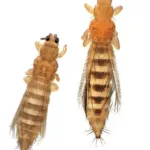 PestOnion thripsThrips tabaci Lindeman
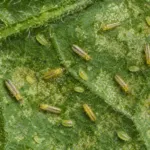 PestMelon thripsThrips palmi Karny
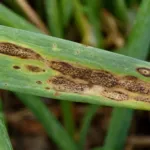 DiseaseStemphylium Leaf BlightStemphylium vesicarium (Wallr.) E.G. Simmons
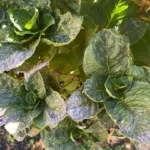 PestChilli thripsScirtothrips dorsalis Hood
 PestAllium leafminerPhytomyza gymnostoma Loew
Toxicity and pollen
Allium species contain sulfur compounds that can be harmful if eaten by dogs and cats, and ornamental bulbs should not be treated as edible. Human cultivar-specific toxicity data are limited; avoid ingestion and wash hands after handling damaged bulbs. Keep bulbs away from pets and children.
- Typical season
- June–July during flowering
- Pollination / pollen
- Mostly insect-carried pollen
This is an insect-pollinated bulb, so its pollen is not generally dispersed like wind-borne grass or ragweed pollen. However, ornamental flowers can still cause contact or respiratory symptoms in sensitized people, especially during close handling or professional flower work. Cultivar-specific allergy data are unavailable.
Native habitat
The species associated with this cultivar is linked to rocky, well-drained Mediterranean soils and dry summer conditions. In cultivation, the plant performs best where winter moisture drains freely and summers are not persistently wet. It is ornamental rather than native to the United States.
Interesting fact
The flowering stem can bend before bloom and straighten as the head opens. The cultivar’s unusual crown of pale florets gives the dense red head a mohawk-like silhouette. Fading seed heads can remain decorative after flowering.
Frequently asked questions (FAQ)
The most relevant questions about this plant, with short and direct answers.
🌱Quick care
What is Allium 'Red Mohican'?⌄
Allium 'Red Mohican' is a bulbous ornamental onion with wine-red flower heads topped by a distinctive tuft of white and dark-red florets. It typically grows about 3 to 4 feet tall and is grown for its unusual midsummer flowers.
How much sun does Allium 'Red Mohican' need?⌄
Allium 'Red Mohican' needs full sun for the strongest growth and flowering. Choose a site with at least 6 hours of direct sunlight daily.
Is Allium 'Red Mohican' perennial?⌄
Yes, Allium 'Red Mohican' is a hardy bulbous perennial that can return for many years. It performs best when planted in well-drained soil and allowed to remain relatively dry during summer dormancy.
What USDA zones can grow Allium 'Red Mohican'?⌄
Allium 'Red Mohican' is generally listed as hardy in USDA Zones 4 through 9. Local performance can vary with drainage, winter moisture, snow cover, and the quality of the planting site.
🌤️Environment and placement
What soil is best for Allium 'Red Mohican'?⌄
Use sandy or loamy soil that drains freely for Allium 'Red Mohican'. If the soil is heavy clay, improve drainage with grit or organic amendments and avoid locations that stay waterlogged.
Can Allium 'Red Mohican' grow in containers?⌄
Yes, Allium 'Red Mohican' can grow in a container if the pot has drainage holes and the growing mix drains quickly. Use a container deep enough for bulbs planted about 4 to 6 inches deep, and protect it from prolonged winter saturation.
Is Allium 'Red Mohican' drought tolerant?⌄
Allium 'Red Mohican' has low water needs and becomes relatively drought tolerant once established. Water during active growth when the soil is dry, but reduce watering after the foliage fades and avoid consistently wet soil.
Where should I plant Allium 'Red Mohican' in a garden?⌄
Plant Allium 'Red Mohican' in a sunny border, rock garden, cottage garden, or naturalistic planting. Its foliage can fade before flowering, so place it among or behind later-growing perennials that can conceal the base.
Is Allium 'Red Mohican' deer resistant?⌄
Allium 'Red Mohican' is commonly considered deer resistant, although no plant is completely deer-proof. Its onion-like scent generally makes it less attractive to deer and rabbits than many other bulbs.
💧Care and problems
How often should I water Allium 'Red Mohican'?⌄
Water Allium 'Red Mohican' when the soil begins to dry during active growth, then allow the soil to dry somewhat between waterings. Reduce irrigation after flowering and do not keep the bulbs continuously wet.
Does Allium 'Red Mohican' need fertilizer?⌄
Allium 'Red Mohican' usually needs little fertilizer in reasonably fertile soil. A light, balanced bulb fertilizer applied according to its label in fall or early spring is generally sufficient; avoid excessive nitrogen, which can favor foliage over flowers.
Why is my Allium 'Red Mohican' stem bent?⌄
A bent flower stem can be normal for Allium 'Red Mohican' because the stem may emerge curved and straighten shortly before flowering. Persistent bending after bloom development can instead result from weak growth, wind, insufficient light, or heavy wet conditions.
Does Allium 'Red Mohican' need staking?⌄
Allium 'Red Mohican' usually does not need staking when grown in full sun and well-drained soil. Stake plants only if stems lean substantially or the planting site is exposed to strong wind.
What problems affect Allium 'Red Mohican'?⌄
Allium 'Red Mohican' is generally low maintenance but can be affected by onion white rot and downy mildew. Good air circulation, full sun, crop rotation, and well-drained soil help reduce disease risk.
Should I remove Allium 'Red Mohican' foliage after flowering?⌄
Do not cut the foliage while it is still green because the leaves replenish the bulb for next year's growth. Remove or tidy the foliage only after it has naturally yellowed and withered.
🪴Planting and repotting
When should I plant Allium 'Red Mohican' bulbs in the United States?⌄
Plant Allium 'Red Mohican' bulbs in fall, before the ground freezes. In much of the United States, this means roughly September through November, while warmer regions may plant later in the season.
How deep should I plant Allium 'Red Mohican' bulbs?⌄
Plant Allium 'Red Mohican' bulbs about 4 to 6 inches deep, measuring from the bulb base to the soil surface. Use the deeper end in light soil and ensure the planting area drains well.
How far apart should Allium 'Red Mohican' bulbs be planted?⌄
Space Allium 'Red Mohican' bulbs about 6 to 12 inches apart. Use closer spacing for a fuller display and wider spacing when you want individual flower stems to stand out.
Can I plant Allium 'Red Mohican' bulbs in spring?⌄
Fall is the preferred planting season for Allium 'Red Mohican' bulbs, but spring planting may work if healthy bulbs or actively growing plants are available. Spring-planted bulbs may flower later or less reliably in their first season.
✂️Propagation and pruning
How do I propagate Allium 'Red Mohican'?⌄
Propagate Allium 'Red Mohican' primarily by separating offsets in fall. Carefully lift the clump after dormancy, detach naturally formed offsets, and replant them immediately at the usual planting depth.
Can Allium 'Red Mohican' be grown from seed?⌄
Allium 'Red Mohican' may produce seed, but seed-grown plants can take several years to reach flowering size and may not reproduce the cultivar exactly. Offsets are the more dependable way to preserve its distinctive characteristics.
Should I divide Allium 'Red Mohican'?⌄
Divide Allium 'Red Mohican' when clumps become crowded or flowering declines, usually during fall dormancy. Lift the bulbs, separate offsets, discard damaged material, and replant them in fresh, well-drained soil.
⚠️Toxicity and safety
Is Allium 'Red Mohican' toxic to dogs and cats?⌄
Allium 'Red Mohican' can be toxic to dogs and cats if eaten, as ornamental onions belong to the Allium group. Keep bulbs, foliage, and plant debris away from pets, and contact a veterinarian or animal poison service if ingestion is suspected.
Is Allium 'Red Mohican' edible?⌄
No, Allium 'Red Mohican' should not be grown or treated as an edible onion. Ornamental cultivars may be harmful if eaten, so use them only as decorative garden plants.
🌸Flowering and special interest
When does Allium 'Red Mohican' bloom?⌄
Allium 'Red Mohican' generally blooms in late spring to midsummer, with many United States sources listing June or July. Exact timing depends on USDA zone, winter conditions, and spring temperatures.
What do Allium 'Red Mohican' flowers look like?⌄
The flowers form wine-red to burgundy heads with small florets and a prominent crested tuft at the top, often opening toward white. The unusual crown gives the cultivar its distinctive mohawk-like appearance.
How tall does Allium 'Red Mohican' get?⌄
Allium 'Red Mohican' commonly reaches about 36 to 48 inches tall. Height can vary with bulb size, soil fertility, moisture, and available sunlight.
Can I use Allium 'Red Mohican' as a cut flower?⌄
Yes, Allium 'Red Mohican' is suitable for fresh and dried arrangements. Cut stems when the flower heads are well formed, and leave enough foliage on the plant for the bulb to recharge.
Do Allium 'Red Mohican' seed heads remain attractive?⌄
Yes, the dried flower heads can remain ornamental after blooming and provide structure in the garden. Leave them in place for seasonal interest or cut them for dried arrangements once they have fully dried.
Do pollinators visit Allium 'Red Mohican'?⌄
Allium 'Red Mohican' flowers are expected to attract pollinators, including bees, because Allium blooms provide nectar. Planting several bulbs together can make the display more useful and visible to visiting insects.
Similar plants
 Azure Monkshood (Aconitum carmichaelii) care guideAconitum carmichaelii
 Monkshood (Aconitum ‘Stainless Steel’)Aconitum 'Stainless Steel'
 Monkshood (Aconitum ‘Bressingham Spire’)Aconitum 'Bressingham Spire'
 Golden full moon maple (Acer shirasawanum ‘Aureum’)Acer shirasawanum 'Aureum'
 Globosum (Acer platanoides ‘Globosum’)Acer platanoides 'Globosum'
 Striped maple (Acer pensylvanicum) care guideAcer pensylvanicum