
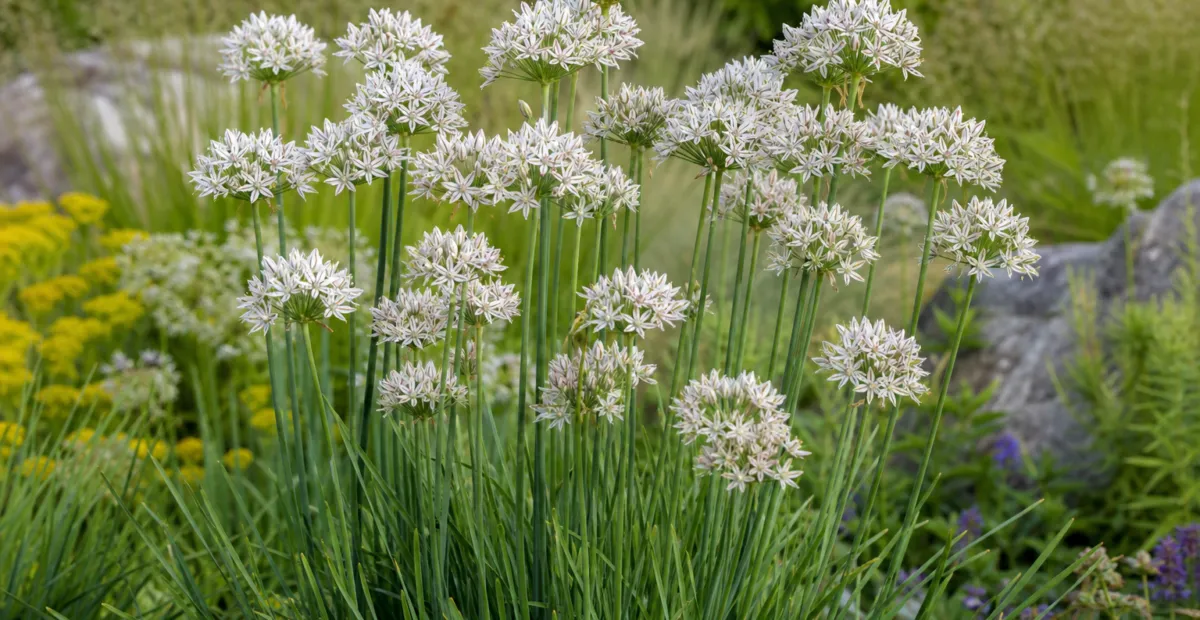
 AI-generated illustration
Allium ramosum short overview
Allium ramosum is a hardy, clump-forming bulbous perennial native from Central Asia through Mongolia, northern China, Siberia, and the Russian Far East. It produces narrow, grass-like leaves and upright stems topped with rounded clusters of white, lightly pink-veined flowers in summer. A sunny, well-drained site suits it best. The leaves are edible in some traditional food uses, but all plant parts should be kept away from dogs and cats because Allium compounds can damage red blood cells.
Taxonomic classification
Allium ramosum care guide
Light and placement
Provide full sun, ideally with at least 6 hours of direct light and a south- or west-facing exposure. An open position improves flowering and reduces foliar disease. Insufficient light may produce weaker, less upright scapes and sparse flowering; hot reflected light is usually tolerated if the soil drains well, but severe heat combined with drought can cause premature leaf yellowing.
Watering and humidity
Water thoroughly when the upper few inches of soil begin to dry during active growth, then allow excess water to drain completely. Keep plants moderately and evenly watered while establishing and during flowering, but reduce irrigation as foliage yellows. During dormancy, avoid routine watering unless conditions are exceptionally dry. Average outdoor humidity is adequate.
Soil and growing medium
Use a loose, sharply draining soil with moderate fertility. Sandy or gravelly loam is suitable, and adding grit or well-rotted compost can improve heavy ground. Neutral to slightly alkaline conditions are reported from parts of its native range, but ordinary fertile garden soil is usually acceptable if it does not remain waterlogged.
Feeding
Apply a thin layer of compost or a balanced, low-strength bulb fertilizer in early spring as growth resumes. Avoid heavy nitrogen, which can produce soft foliage and reduce bulb resilience. Do not feed dry or heat-stressed plants, and stop routine feeding as foliage begins to yellow and dormancy approaches.
Growth and habit
This perennial geophyte emerges from clustered, narrow bulbs and forms a persistent clump of leaves with seasonal flowering scapes. It generally benefits from being left undisturbed for several years. Divide crowded clumps after flowering or during dormancy, and allow foliage to yellow naturally so the bulbs can replenish reserves.
Planting and repotting
Plant dormant bulbs in fall or early spring in a sunny bed. Set them with the bulb covered by roughly 2–3 inches of soil, adjusting for bulb size and drainage. Space plants about 6–8 inches apart for a natural clump while allowing air movement. Water after planting and keep evenly moist during establishment.
Repot container plants when clumps become crowded or the growing medium loses drainage, preferably as foliage begins growth or after dormancy. Separate offsets carefully, refresh with a gritty, well-drained mix, and avoid burying the bulbs deeply in wet compost.
Propagation and pruning
Propagation
Propagate from fresh seed or by dividing clustered bulbs and offsets. Sow fresh seed in a cold frame or outdoors in fall; spring sowing may also work after cold treatment. Division is generally the quickest method for flowering-sized clumps and is best carried out during dormancy or active early growth.
Pruning
Remove spent flower stems if seed production is not wanted, but leave green leaves intact until they naturally yellow. Cut the plant to ground level only after dormancy is complete. Remove diseased foliage promptly and dispose of it rather than composting heavily infected material.
Overwintering
Plants in suitable USDA Zones 4–9 can remain outdoors in the ground. In colder or poorly drained sites, mulch lightly after the ground freezes, keeping mulch away from the bulb crown. Container specimens are more exposed to cold; move them to a sheltered, unheated location and keep the mix barely dry during dormancy.
Uses
Useful as a low-maintenance ornamental for sunny borders, rock gardens, meadow-style plantings, and containers with excellent drainage. The leaves are documented as edible in parts of its native range, but food use should be limited to correctly identified, cleanly grown material. Do not make medicinal claims, and keep edible portions away from pets.
Appearance
Leaves are narrow, linear, and grass-like, usually shorter than the flowering scape. They may be three-angled or keeled and can have slightly rough margins. The upright scape is smooth and largely leafless above the basal sheaths. Clustered bulbs and rounded flower heads help distinguish the plant from many finer-leaved alliums.
Flowering
The species forms many-flowered, hemispherical to subglobose umbels on smooth, upright scapes. Individual flowers have six white tepals, often with pale pink or greenish midveins. Flowering is documented mainly from June through September in its native-range floristic treatment; timing in the United States varies with climate.
Pollination and visitors
The open, nectar-bearing allium umbels are structurally suitable for insect visitors. Reliable species-specific visitor records were not located, so the listed groups represent characteristic allium visitors rather than a confirmed exclusive pollinator relationship.
Allium ramosum photos
Click any photo for a larger view. Source, author and license are shown separately.
Diseases and pests
Diseases
Good drainage and spacing help prevent bulb rots and foliar fungal problems. Remove badly affected foliage, avoid overhead irrigation, and do not replant bulbs in persistently wet soil. Allium rust and fungal leaf spots are possible but are not specifically documented here as characteristic problems of this species.
Pests
Monitor for onion thrips, bulb mites, and allium leaf-mining insects where they occur. Use clean planting stock, remove badly damaged foliage, keep weeds down, and avoid planting repeatedly in the same contaminated soil. Because species-specific pest records are limited, identify the pest before choosing a treatment.
Related diseases and pests
Only Plant Doctor profiles whose host data indicate this plant may be affected are shown here.
 PestOnion thripsThrips tabaci Lindeman
 DiseaseAllium rustPuccinia allii
 PestMelon thripsThrips palmi Karny
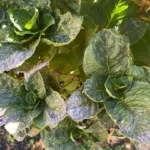 PestChilli thripsScirtothrips dorsalis Hood
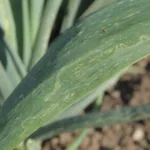 PestAllium leafminerPhytomyza gymnostoma Loew
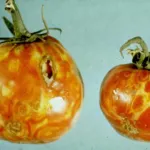 DiseaseTomato spotted wilt virusOrthotospovirus tomatomaculae (tomato spotted wilt virus; TSWV)
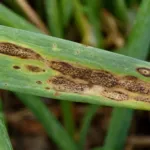 DiseaseStemphylium Leaf BlightStemphylium vesicarium (Wallr.) E.G. Simmons
 DiseaseRhizopus soft rotRhizopus stolonifer
Toxicity and pollen
Allium species contain sulfur compounds associated with gastrointestinal irritation and red-blood-cell damage in dogs and cats. Species-specific clinical data for Allium ramosum are limited, so avoid treating it as a pet-safe plant. Keep bulbs, leaves, and trimmings away from pets and seek veterinary advice after significant ingestion.
- Typical season
- Usually June–September where flowering occurs
- Pollination / pollen
- Primarily insect-borne pollen; limited airborne dispersal
Allium ramosum is insect-pollinated, so its pollen is not generally released as a large wind-borne cloud. Direct species-specific aerobiological data are scarce, and sensitive people may still react to pollen or plant contact. Avoid handling flowers or foliage if a personal allium allergy is known.
Native habitat
Native from Central Asia through Mongolia, northern China, Siberia, and the Russian Far East. It is associated with sunny hills, pastures, plains, steppes, alkaline meadows, stony slopes, and some waterside gravel habitats, commonly in temperate climates from roughly 500–2,100 m elevation.
Interesting fact
The species is an accepted taxon, while Allium odorum is treated as a synonym in major taxonomic resources. Its scapes may reach about 25–60 cm, while the linear leaves are shorter than the scape. In the wild it occurs from lowland steppe settings to elevations around 2,100 m. The leaves are reported as edible in Chinese floristic resources.
Frequently asked questions (FAQ)
The most relevant questions about this plant, with short and direct answers.
🌱Quick care
What is Allium ramosum?⌄
Allium ramosum is a hardy, bulb-forming perennial in the Amaryllidaceae family. It is native from Central Asia to the Russian Far East and is cultivated as an ornamental and culinary allium.
How can I tell Allium ramosum from Allium tuberosum?⌄
Allium ramosum is closely related to Allium tuberosum and can be difficult to distinguish without examining leaf and floral characteristics. A. ramosum commonly flowers earlier and has different leaf structure, so a specialist identification may be needed for certainty.
🌤️Environment and placement
What light does Allium ramosum need?⌄
Grow Allium ramosum in full sun for the strongest growth and flowering. It can tolerate some light shade, but reduced light may produce weaker stems and fewer flowers.
What USDA zones can grow Allium ramosum?⌄
Allium ramosum is considered frost-hardy, but a definitive USDA hardiness-zone range is not consistently documented for this exact species. Its temperate, cold-region native range suggests it is suitable for many continental U.S. gardens when planted in well-drained soil.
💧Care and problems
How often should I water Allium ramosum?⌄
Water Allium ramosum moderately during active growth, allowing the soil to dry somewhat between waterings. Reduce watering when the plant is dormant, especially in rainy or cold conditions.
Does Allium ramosum spread aggressively?⌄
Allium ramosum forms clusters of bulbs and may enlarge gradually into a clump. Its tendency to spread can vary by site, so remove unwanted seed heads and divide crowded plants if necessary.
🪴Planting and repotting
What type of soil is best for Allium ramosum?⌄
Use well-drained sandy or loamy soil for Allium ramosum. Avoid heavy, poorly drained ground because persistent winter or dormant-season moisture can cause bulb and root problems.
Can Allium ramosum grow in containers?⌄
Allium ramosum can be grown in a container if the pot has drainage holes and the mix is loose and well drained. Choose a container large enough for the clump and protect it from prolonged waterlogging.
When should I plant Allium ramosum bulbs?⌄
Plant Allium ramosum bulbs in fall or early spring while they are dormant or beginning growth. Set them in well-drained soil at a depth appropriate to the bulb, generally about two to three times the bulb’s height.
How deep should Allium ramosum bulbs be planted?⌄
Plant Allium ramosum bulbs approximately two to three times as deep as the bulb is tall, with the pointed growing tip facing upward. Exact depth can vary with bulb size and soil drainage.
How far apart should Allium ramosum plants be spaced?⌄
Space Allium ramosum plants about 6 to 12 inches apart, allowing room for clumps to expand. Wider spacing improves air circulation and makes harvesting or division easier.
✂️Propagation and pruning
How do you propagate Allium ramosum?⌄
Propagate Allium ramosum by seed or by separating established bulb clusters. Division is usually the more predictable method for maintaining a known plant, while seed-grown plants may take longer to reach flowering size.
Can Allium ramosum be grown from seed?⌄
Allium ramosum can be grown from seed, although germination and time to flowering may vary. Sow fresh seed in a well-drained medium and provide a natural cool period when required by the seed lot.
When should Allium ramosum be divided?⌄
Divide Allium ramosum after flowering or during dormancy, when the foliage has started to die back. Lift the clump carefully, separate healthy bulbs, and replant them promptly in well-drained soil.
Should Allium ramosum be cut back after flowering?⌄
Remove spent flower heads from Allium ramosum if you want to limit self-seeding or keep the plant tidy. Leave healthy foliage until it yellows naturally so the bulbs can replenish their energy.
⚠️Toxicity and safety
Is Allium ramosum edible?⌄
Allium ramosum has a history of culinary use in parts of northern China and Mongolia, where its leaves and flowers have been eaten or preserved. Only consume a plant when its identification is certain and it has been grown under safe, uncontaminated conditions.
Is Allium ramosum toxic to dogs and cats?⌄
Allium ramosum should be treated as potentially toxic to dogs and cats because it belongs to the onion and garlic genus. Keep pets from eating the leaves, bulbs, flowers, or concentrated plant material, and contact a veterinarian if ingestion occurs.
🌸Flowering and special interest
When does Allium ramosum bloom?⌄
Allium ramosum generally flowers in early to midsummer, earlier than the closely related Allium tuberosum in many growing conditions. Its rounded flower clusters are typically white to pale pink with darker veins.
What do Allium ramosum flowers look like?⌄
Allium ramosum produces crowded, rounded umbels on upright flower stalks that can reach roughly 2 feet tall. The flowers are usually white or pale pink and may show a colored midvein.
Similar plants
 Azure Monkshood (Aconitum carmichaelii) care guideAconitum carmichaelii
 Monkshood (Aconitum ‘Stainless Steel’)Aconitum 'Stainless Steel'
 Monkshood (Aconitum ‘Bressingham Spire’)Aconitum 'Bressingham Spire'
 Golden full moon maple (Acer shirasawanum ‘Aureum’)Acer shirasawanum 'Aureum'
 Globosum (Acer platanoides ‘Globosum’)Acer platanoides 'Globosum'
 Striped maple (Acer pensylvanicum) care guideAcer pensylvanicum