
 Source:
 Ornamental onion (Allium ‘Purple Sensation’) short overview
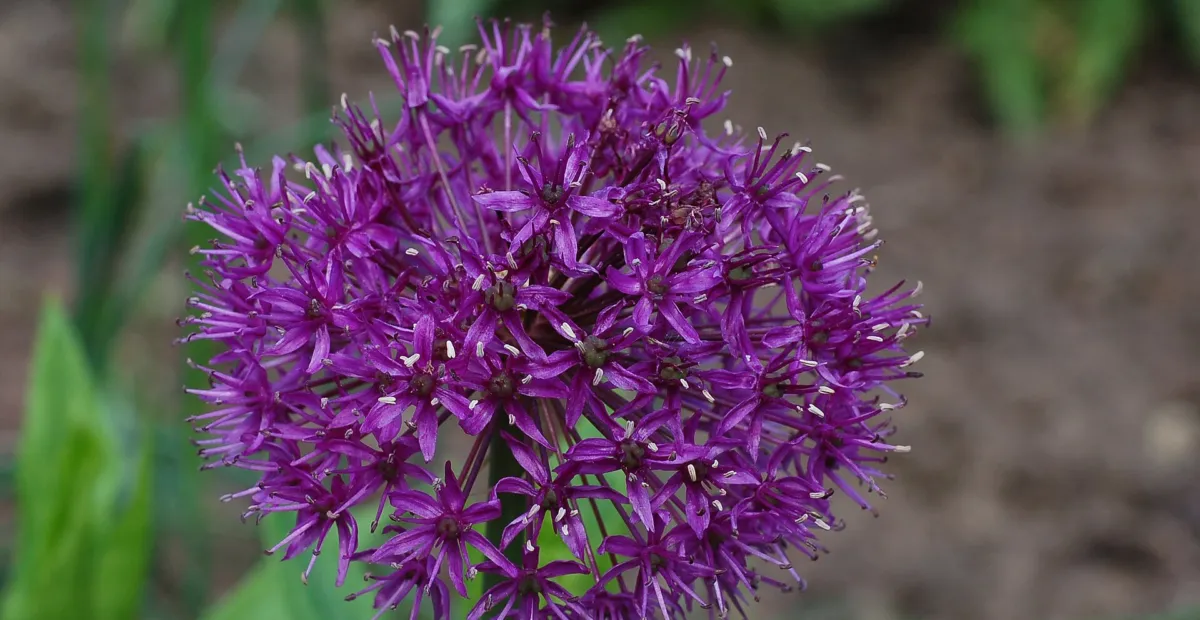
Allium 'Purple Sensation' is a hardy ornamental onion prized for its tall, leafless flower stems and rounded violet-purple flower heads. Each globe is formed from many small, star-shaped flowers and rises above the fading basal foliage in late spring. This long-lived bulb is easy to grow in sunny, well-drained soil, works beautifully in borders and cutting gardens, and provides documented food for bees and butterflies.
Taxonomic classification
Ornamental onion (Allium ‘Purple Sensation’) care guide
Light and placement
Plant in full sun, ideally with at least 6 hours of direct light and good air movement. In hot-summer regions, light afternoon shade can reduce stress without greatly reducing bloom. Weak, floppy scapes or sparse flower heads usually indicate insufficient light; scorched foliage or prematurely collapsing leaves may reflect intense heat combined with drought rather than excessive light alone.
Watering and humidity
Water thoroughly after planting and during the first growing season whenever the upper soil begins to dry. Established bulbs tolerate dry conditions, but water during prolonged spring drought while leaves and flower stems are developing. Reduce watering after flowering as foliage yellows, and keep bulbs much drier during summer dormancy. Avoid frequent shallow irrigation and saturated soil, which can encourage bulb rot.
Soil and growing medium
Use loose, sharply draining soil that does not remain waterlogged in winter. Sandy or loamy beds are suitable; improve heavy clay with compost and structural amendments rather than planting bulbs in a water-trapping pocket. The cultivar tolerates a broad soil range, with neutral to slightly alkaline conditions generally suitable. Raised beds or slopes are useful where winter drainage is poor.
Feeding
Mix a modest amount of finished compost into poor soil before planting, then apply a balanced bulb fertilizer in fall or as shoots emerge in spring according to the product label. Do not overfeed with high-nitrogen fertilizer, especially after flowering; excessive leaf growth can weaken the bulb and delay dormancy. Stop routine feeding once the foliage begins to yellow.
Growth and habit
This bulb forms a seasonal clump of basal leaves, then sends up rigid, unbranched scapes that hold the flower heads well above surrounding plants. Foliage often declines before or during bloom, so pairing it with later-emerging perennials can conceal the yellowing leaves. Plants may self-seed if spent heads are left in place, although seedlings will not necessarily reproduce the named cultivar.
Planting and repotting
Choose a sunny, well-drained site and plant bulbs point upward at roughly two to three times the bulb's height, commonly about 6–8 inches deep. Water once after planting to settle the soil, then avoid excessive irrigation. Grouping bulbs in drifts creates a stronger effect, while nearby late-season perennials can hide declining foliage.
Container-grown bulbs can remain in place for several seasons if drainage is excellent and the pot is large enough to prevent overheating and freezing extremes. Repot or divide during dormancy when the container becomes crowded. Use a free-draining potting mix and never allow the container to sit in water.
Propagation and pruning
Propagation
Propagate by separating offsets when the clump is dormant or by sowing seed. Division is the practical method for maintaining a named cultivar, while seedlings may vary from the parent. Lift and divide crowded clumps in early fall or after the foliage has died back, and replant offsets promptly.
Pruning
Remove spent flower heads after bloom if you want to limit self-seeding. Leave the foliage in place until it yellows naturally so the bulb can replenish its reserves. Once fully brown, remove the leaves at soil level. Do not cut green foliage immediately after flowering.
Overwintering
The cultivar is outdoor-hardy in USDA Zones 4–9. Leave bulbs in the ground where soil drains well. In colder areas, a light mulch after the ground freezes can reduce freeze-thaw heaving; remove excess mulch in spring. Container bulbs need protection from prolonged wetness and extreme temperature swings.
Uses
Use in mixed borders, cottage gardens, prairie-style plantings, rock gardens, containers with excellent drainage, and cutting gardens. The tall globes provide vertical structure and are effective fresh or dried. Although the genus includes culinary onions, this ornamental cultivar should not be eaten unless its identity and food suitability are specifically confirmed; protect pets from chewing it.
Appearance
The plant has broad, strap-like to linear basal leaves with a green to gray-green color and a noticeable onion-like odor when crushed. Scapes are upright, smooth and mostly leafless. The distinctive inflorescence is a near-spherical globe composed of many small violet-purple, six-tepaled flowers, giving the plant a strong architectural silhouette.
Flowering
The cultivar is one of the earlier large-flowered ornamental alliums, producing a single rounded flower head on each mature scape in late spring. Individual florets open across the globe, creating a vivid purple sphere that can remain ornamental after flowering as the seed structure develops. Bloom timing varies with region and spring temperatures.
Pollination and visitors
The nectar-rich florets are documented as attractive to bees and butterflies. The numerous small flowers in each globe provide repeated landing and feeding points, making the cultivar useful in ornamental pollinator plantings during its late-spring bloom period.
Allium 'Purple Sensation' photos
Click any photo for a larger view. Source, author and license are shown separately.
Diseases and pests
Diseases
Bulb rot is the main cultural risk and is encouraged by saturated soil or poor drainage. Improve drainage, avoid overwatering, and discard soft or foul-smelling bulbs. Mildew, rust and leaf spots may occur during wet weather; improve spacing and air circulation, remove badly affected foliage, and avoid overhead watering. Follow local extension guidance before using fungicides.
Pests
Thrips may occasionally distort or scar foliage and flowers; inspect plants regularly and use a strong water spray or an appropriately labeled treatment if damage is significant. Deer and rabbits generally avoid ornamental alliums. Good sanitation and avoiding stressed, overcrowded plants help reduce pest pressure.
Related diseases and pests
Only Plant Doctor profiles whose host data indicate this plant may be affected are shown here.
 DiseaseRhizopus soft rotRhizopus stolonifer
 DiseaseBacterial soft rotPectobacterium carotovorum
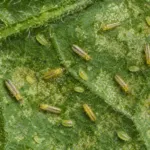
 PestOnion thripsThrips tabaci Lindeman
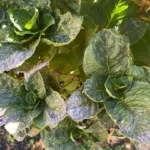
 PestMelon thripsThrips palmi Karny
 PestChilli thripsScirtothrips dorsalis Hood
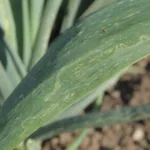 PestAllium leafminerPhytomyza gymnostoma Loew
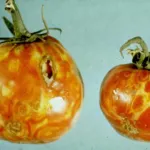 DiseaseTomato spotted wilt virusOrthotospovirus tomatomaculae (tomato spotted wilt virus; TSWV)
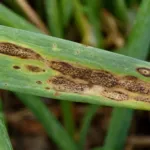 DiseaseStemphylium Leaf BlightStemphylium vesicarium (Wallr.) E.G. Simmons
Toxicity and pollen
Allium species contain sulfur compounds that can cause gastrointestinal upset and red-blood-cell damage when enough plant material is ingested. Evidence is strongest for culinary onions, garlic and related Allium plants, but ornamental alliums should still be treated as unsafe to eat. Do not use this cultivar as food, and seek medical or veterinary advice after significant ingestion.
- Typical season
- Typically May–June in much of the United States
- Pollination / pollen
- Insect-carried pollen; not typically released as a conspicuous airborne cloud
The flowers produce pollen, but the plant is primarily insect-pollinated and does not usually create the large airborne pollen clouds associated with wind-pollinated trees and grasses. Sensitive people may still react to pollen or plant contact, especially when handling flowers closely; avoid rubbing the eyes and wash hands after garden work.
Native habitat
This is a cultivated bulb rather than a wild North American native. It performs best in open, sunny garden conditions with seasonal moisture during active growth, followed by relatively dry summer dormancy. Good winter drainage is important because dormant bulbs are vulnerable to rot in persistently wet soil.
Interesting fact
The cultivar's botanical placement is not presented consistently: horticultural sources associate it with Allium aflatunense, while the RHS lists Allium hollandicum 'Purple Sensation'. Its flower head is an umbel, so the apparent globe is made of many separate flowers rather than one single bloom. The dried heads can remain attractive after the purple color fades.
Frequently asked questions (FAQ)
The most relevant questions about this plant, with short and direct answers.
🌱Quick care
What is Allium 'Purple Sensation'?⌄
Allium 'Purple Sensation' is a hardy ornamental onion grown for its vivid purple, globe-shaped flower heads. It is a bulbous perennial typically reaching about 24–30 inches tall.
Is Allium 'Purple Sensation' easy to grow?⌄
Yes, Allium 'Purple Sensation' is generally easy to grow and needs little maintenance once established. Good drainage and plenty of sun are the main requirements.
What USDA zones can grow Allium 'Purple Sensation'?⌄
Allium 'Purple Sensation' is hardy in USDA Zones 4–9. In colder areas, plant bulbs deeply enough and use well-drained soil to reduce winter rot.
🌤️Environment and placement
Does Allium 'Purple Sensation' need full sun?⌄
Allium 'Purple Sensation' grows best in full sun but can tolerate light afternoon shade. In hot climates, some afternoon shade can help protect the foliage and flowers.
What soil is best for Allium 'Purple Sensation'?⌄
Use well-drained sandy or loamy soil for Allium 'Purple Sensation'. If the soil is heavy clay, incorporate compost or grow the bulbs in a raised bed or container to improve drainage.
Can Allium 'Purple Sensation' grow in containers?⌄
Yes, Allium 'Purple Sensation' can grow in containers if the pot has drainage holes and the soil drains freely. Choose a deep, sturdy container because the flower stalks can reach 2–2.5 feet.
Is Allium 'Purple Sensation' drought tolerant?⌄
Allium 'Purple Sensation' is moderately drought tolerant after establishment. Water during prolonged dry periods, especially while the bulbs are actively growing, but avoid keeping the soil wet.
Can Allium 'Purple Sensation' grow in shade?⌄
Allium 'Purple Sensation' does not perform well in deep shade. It may flower with light afternoon shade, but insufficient sunlight can lead to weak stems and fewer blooms.
💧Care and problems
How often should I water Allium 'Purple Sensation'?⌄
Water Allium 'Purple Sensation' when the soil begins to dry, providing dry-to-medium moisture rather than consistently wet conditions. Reduce watering after flowering as the foliage dies back and the bulb enters dormancy.
Why is my Allium 'Purple Sensation' not flowering?⌄
Common causes include inadequate sunlight, poor drainage, shallow planting, overcrowding, or immature bulbs. Allow the foliage to remain until it naturally yellows so the bulb can store energy for the next season.
Why are the leaves of Allium 'Purple Sensation' turning yellow?⌄
Yellowing leaves after flowering are usually normal because Allium 'Purple Sensation' is entering dormancy. Yellowing before or during flowering can indicate excess moisture, poor drainage, disease, or other root stress.
What problems affect Allium 'Purple Sensation'?⌄
Potential problems include bulb rot in wet soil, mildew, rust, leaf spots, and occasional thrips. Good air circulation, full sun, and well-drained soil help reduce many of these issues.
Are deer and rabbits likely to eat Allium 'Purple Sensation'?⌄
Deer and rabbits generally avoid Allium 'Purple Sensation' because of its onion-like odor and taste. However, browsing pressure can vary by location and available food.
🪴Planting and repotting
When should I plant Allium 'Purple Sensation' bulbs?⌄
Plant Allium 'Purple Sensation' bulbs in fall, after summer heat has eased and before the ground freezes. Fall planting allows the bulbs to establish roots before spring growth.
How deep should I plant Allium 'Purple Sensation' bulbs?⌄
Plant Allium 'Purple Sensation' bulbs with the pointed end up at roughly two to three times the bulb's height, commonly about 6 inches deep for large bulbs. Follow the package instructions if the supplied bulbs differ substantially in size.
How far apart should I plant Allium 'Purple Sensation'?⌄
Space Allium 'Purple Sensation' bulbs about 6–8 inches apart for a naturalized display. Wider spacing improves air circulation, while closer groupings create a denser mass of flower heads.
Can I plant Allium 'Purple Sensation' in heavy clay soil?⌄
You can plant it in clay only if drainage is improved substantially. Add organic matter, raise the planting area, or use a container because saturated clay can cause bulb rot.
✂️Propagation and pruning
How do I propagate Allium 'Purple Sensation'?⌄
Propagate Allium 'Purple Sensation' mainly by separating offsets from established bulbs. Lift and divide the clump after flowering has finished or in early fall, then replant the offsets promptly.
Can Allium 'Purple Sensation' grow from seed?⌄
Yes, Allium 'Purple Sensation' can produce viable seed and may self-sow. Seed-grown plants usually take several years to reach flowering size and may not reproduce every feature of the named cultivar.
Should I deadhead Allium 'Purple Sensation'?⌄
Deadhead Allium 'Purple Sensation' after flowering if you want to reduce self-seeding and keep the display tidy. Leave the foliage in place until it yellows naturally, because it replenishes the bulb.
Should I cut back Allium 'Purple Sensation' leaves after flowering?⌄
Do not cut back the leaves while they are still green unless they are damaged or diseased. Remove them when they have naturally yellowed and dried, allowing the bulb to store energy first.
⚠️Toxicity and safety
Is Allium 'Purple Sensation' toxic to people?⌄
Yes, Allium 'Purple Sensation' is toxic if eaten. Keep bulbs, leaves, and flowers away from children and do not use this ornamental cultivar as a food plant.
Is Allium 'Purple Sensation' toxic to dogs and cats?⌄
Yes, ornamental alliums can be harmful to dogs and cats if eaten, with bulbs posing particular risk. Prevent pets from chewing the plant and contact a veterinarian or animal poison service if ingestion occurs.
🌸Flowering and special interest
When does Allium 'Purple Sensation' bloom?⌄
Allium 'Purple Sensation' usually blooms in late spring to early summer, often during May and June. Bloom timing varies with USDA zone, weather, and planting conditions.
How large are the flowers on Allium 'Purple Sensation'?⌄
The rounded flower heads of Allium 'Purple Sensation' are typically about 4–5 inches across. Each head contains many small violet-purple, star-shaped flowers.
Does Allium 'Purple Sensation' attract pollinators?⌄
Yes, Allium 'Purple Sensation' attracts bees, butterflies, and other pollinating insects when it is in bloom. Its flower heads also provide useful late-spring garden interest.
Can I use Allium 'Purple Sensation' as a cut flower?⌄
Yes, Allium 'Purple Sensation' makes a good fresh cut flower and can also be dried. Cut stems when most of the florets have opened, using clean shears.
Can I leave Allium 'Purple Sensation' seed heads in the garden?⌄
Yes, the dried seed heads can remain attractive through summer and fall. Remove them before seeds mature if you want to limit self-sowing.
Similar plants
 Azure Monkshood (Aconitum carmichaelii) care guideAconitum carmichaelii
 Monkshood (Aconitum ‘Stainless Steel’)Aconitum 'Stainless Steel'
 Monkshood (Aconitum ‘Bressingham Spire’)Aconitum 'Bressingham Spire'
 Golden full moon maple (Acer shirasawanum ‘Aureum’)Acer shirasawanum 'Aureum'
 Globosum (Acer platanoides ‘Globosum’)Acer platanoides 'Globosum'
 Striped maple (Acer pensylvanicum) care guideAcer pensylvanicum