
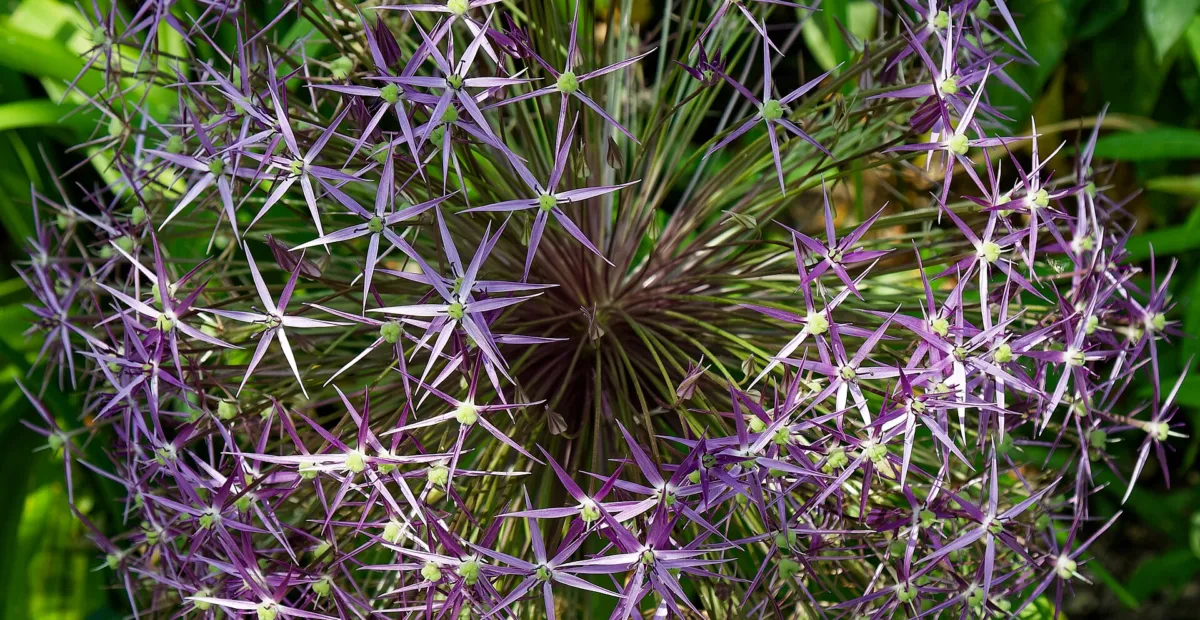
 Source:
 Star-of-Persia (Allium cristophii) short overview
Star-of-Persia is a bulbous perennial prized for its enormous, open spheres of metallic violet-purple, star-shaped flowers. The foliage emerges in spring, then fades as the sturdy flower stems rise above it. Plant the bulbs in full sun and sharply drained soil, where the long-lasting flowerheads add architectural interest to borders, gravel gardens, and dried arrangements. It is generally easy to grow and returns reliably after a cold winter.
Taxonomic classification
Star-of-Persia (Allium cristophii) care guide
Light and placement
Give Star-of-Persia a site with at least 6 hours of direct sun, preferably with a warm southern or western exposure. Light shade is tolerated, but heavier shade can weaken stems and reduce flowering. Excessively low light commonly produces floppy growth and smaller umbels. Avoid locations where taller plants or structures block spring and early-summer sun.
Watering and humidity
Water thoroughly after planting and during the first growing season whenever the upper few inches of soil become dry. Once established, it is relatively drought tolerant and usually needs only occasional watering during prolonged dry spells. Reduce irrigation as the foliage yellows and stop routine watering during summer dormancy unless conditions are exceptionally dry. Avoid constantly wet soil, especially in winter.
Soil and growing medium
Use loose, gritty soil that drains quickly after rain. Sandy or gravelly loam is ideal; heavy clay should be amended broadly with mineral material and organic matter or replaced with a raised, free-draining planting area. The species tolerates a broad pH range from slightly acidic to slightly alkaline. Poor drainage is the main soil-related cause of bulb loss.
Feeding
In early spring, as shoots begin active growth, apply a balanced slow-release bulb fertilizer according to the product label, or top-dress lightly with mature compost. Do not overfeed with high-nitrogen fertilizer, which can encourage soft foliage at the expense of sturdy flowering. Avoid fertilizing once the plant has entered dormancy and do not feed waterlogged or diseased bulbs.
Growth and habit
The bulb produces a seasonal clump of foliage followed by one or more firm, upright flower stems. Leaves commonly decline around flowering, so place the plant among later-emerging perennials or ornamental grasses that can conceal the fading foliage without crowding the bulbs. Mature flowerheads remain decorative after bloom and can self-seed if left in place.
Planting and repotting
Plant firm bulbs in fall with the pointed end upward, at roughly three times their diameter deep. Choose a sunny, well-drained site and water once after planting to settle the soil. In heavy soils, use a raised bed or amend the planting area for reliable drainage. Space bulbs so the large umbels do not crowd neighboring plants, and allow foliage to yellow naturally after flowering.
Container-grown bulbs rarely need annual repotting. If the pot becomes crowded or the growing medium stays wet, lift and divide the bulbs after the foliage has died back, then replant in fresh gritty, well-drained potting mix. Use a container with drainage holes and enough depth for the bulbs and their roots.
Propagation and pruning
Propagation
Propagate by offsets or by seed. Separate offsets when the foliage has died back and replant them immediately at the normal bulb depth. Seed is best sown fresh or in a cold, protected outdoor container, but seedlings can take several years to reach flowering size. Named nursery selections should be propagated vegetatively to preserve their traits.
Pruning
Do not cut the foliage while it is still green; it is replenishing the bulb for the next season. Remove yellowed leaves after they have died back naturally. Flower stems can be cut for arrangements once the umbels are fully developed, or left standing for dried seedhead interest. Remove old seedheads in late winter or spring if self-seeding is unwanted.
Overwintering
The bulbs are winter hardy in much of the United States when planted in well-drained soil. In colder areas, a light mulch of dry leaves or straw can reduce temperature swings, but avoid heavy, wet mulch directly over the planting site. Container bulbs are more exposed to freezing and may need insulation or placement in an unheated protected space.
Uses
Use Star-of-Persia in sunny perennial borders, gravel gardens, rock gardens, containers, and pollinator-oriented plantings. The large umbels provide strong vertical and geometric contrast, while the persistent dried heads work well in fresh or dried arrangements. Treat bulbs and foliage as ornamental rather than edible; do not use this species as a culinary onion.
Appearance
Leaves are narrow, strap-shaped, and gray-green to glaucous, usually forming a low basal clump. The upright stems carry exceptionally large, open spherical umbels composed of numerous small six-pointed flowers. The dry seedheads retain a papery, geometric outline and are useful as standing winter structure or for dried arrangements.
Flowering
The flower stem rises as the basal leaves are declining, producing a broad, airy sphere made from many small purple, six-pointed flowers. Bloom is typically concentrated in May and June in much of the United States. The flowerheads dry attractively on the plant, gradually shifting toward a papery brown appearance while retaining their rounded structure.
Pollination and visitors
The open umbels expose nectar and pollen across many small flowers and are documented as attractive to pollinators. Bees and other flower-visiting insects may forage among the individual florets; the species is also listed in horticultural guidance as useful for pollinator plantings. Visitor abundance depends on weather, surrounding habitat, and local insect populations.
Allium cristophii photos
Click any photo for a larger view. Source, author and license are shown separately.
Diseases and pests
Diseases
The main prevention strategy is excellent drainage and avoiding overwatering. Watch for bulb or basal rot, yellowing that occurs prematurely, and soft or foul-smelling bulbs, especially in heavy wet soil. Remove affected bulbs and improve drainage; do not replant damaged material. Good air circulation helps limit foliar fungal problems during unusually wet weather.
Pests
Allium bulbs can be affected by onion flies, bulb mites, slugs, or other general garden pests, although serious problems are not consistently reported for this ornamental species. Inspect bulbs before planting, avoid damaged stock, and remove plant debris. Use barriers or hand-picking for slugs where needed, and reserve chemical controls for a verified, significant infestation.
Related diseases and pests
Only Plant Doctor profiles whose host data indicate this plant may be affected are shown here.
 DiseaseRhizopus soft rotRhizopus stolonifer
 DiseaseBacterial soft rotPectobacterium carotovorum
 PestAllium leafminerPhytomyza gymnostoma Loew
 DiseaseAster yellows‘Candidatus Phytoplasma asteris’
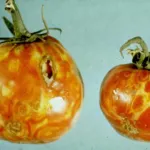 DiseaseTomato spotted wilt virusOrthotospovirus tomatomaculae (tomato spotted wilt virus; TSWV)
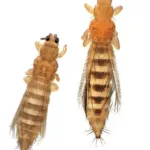 PestOnion thripsThrips tabaci Lindeman
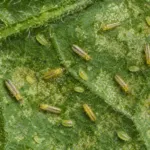 PestMelon thripsThrips palmi Karny
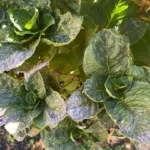 PestChilli thripsScirtothrips dorsalis Hood
Toxicity and pollen
Allium cristophii is treated by horticultural guidance as an ornamental bulb that should not be eaten, and ingestion can be toxic to pets. Keep bulbs, foliage, and flowers away from dogs and cats, and do not use the plant in food preparations. Wear gloves if handling causes skin irritation, and seek professional advice after suspected ingestion rather than inducing vomiting.
- Typical season
- Typically May–June in much of the United States
- Pollination / pollen
- Insect-dispersed pollen released within open flower umbels
This is an insect-pollinated flowering bulb, so its pollen is not primarily dispersed by wind. However, reliable species-specific clinical allergy data are limited, and insect pollination does not prove zero allergy risk. People with known onion or Allium sensitivities should avoid ingestion and use reasonable caution when handling flowering plants.
Native habitat
The species originates in dry, open regions of Iran, Turkey, and Turkmenistan, where bulbs experience a seasonal growth cycle, sunny conditions, and soils that drain readily. Its garden performance reflects this ecology: active growth occurs in the cooler, wetter part of the year, followed by flowering and summer dormancy in comparatively dry conditions.
Interesting fact
The species is known for unusually large flowerheads compared with many ornamental onions. Its umbels have a metallic visual quality created by the dense arrangement of small purple flowers. The dried heads can remain attractive for weeks or months after the flowers fade. The plant has received the Royal Horticultural Society Award of Garden Merit.
Frequently asked questions (FAQ)
The most relevant questions about this plant, with short and direct answers.
🌱Quick care
What is star-of-Persia?⌄
Star-of-Persia (Allium cristophii) is a cold-hardy, spring-flowering bulbous perennial in the Amaryllidaceae family. It produces large, spherical clusters of silvery-lavender, star-shaped flowers.
How much sun does star-of-Persia need?⌄
Star-of-Persia grows best in full sun, with at least 6 hours of direct sunlight daily. More sun generally improves flowering and helps keep the soil dry enough to prevent bulb rot.
Is star-of-Persia easy to grow?⌄
Yes, star-of-Persia is generally easy to grow when planted in full sun and sharply draining soil. It needs relatively little maintenance once established and tolerates summer drought.
🌤️Environment and placement
What USDA hardiness zones can grow star-of-Persia?⌄
Star-of-Persia is commonly grown in USDA Hardiness Zones 4 through 8. Performance can vary in hot, humid regions, where bulbs may be less persistent in poorly drained or excessively wet sites.
What soil is best for star-of-Persia?⌄
Use sandy or loamy soil that drains sharply and does not stay wet. Rich, gritty, or average garden soil is suitable, but heavy clay should be amended or avoided because excess moisture can cause bulb rot.
Can star-of-Persia tolerate drought?⌄
Established star-of-Persia has good drought tolerance, especially in sunny, well-drained soil. Provide regular moisture during active spring growth, then keep the plant considerably drier after the foliage dies back.
Can star-of-Persia grow in partial shade?⌄
Star-of-Persia may tolerate light partial shade, but full sun is preferred for the strongest stems and best flowering. Avoid deep shade, which can reduce bloom quality and keep the soil too damp.
Is star-of-Persia deer resistant?⌄
Star-of-Persia is usually resistant to deer and rabbits because its foliage and bulbs have an onion-like odor. Resistance is not absolute, particularly when other food sources are scarce.
Does star-of-Persia attract pollinators?⌄
Yes, the flowers of star-of-Persia attract pollinators such as bees and butterflies. The large flower clusters are especially useful in late-spring gardens when many earlier bulbs are finishing.
💧Care and problems
How often should I water star-of-Persia?⌄
Water star-of-Persia when the soil begins to dry during active spring growth, but do not keep it constantly wet. After flowering and leaf dieback, reduce watering because the dormant bulbs prefer drier conditions.
Why are my star-of-Persia leaves turning yellow before flowering?⌄
Yellowing or withering leaves before flowering is usually normal for star-of-Persia. Its basal foliage often declines as the flower stems emerge, so surrounding it with later perennials or grasses can hide the fading leaves.
What problems affect star-of-Persia?⌄
Star-of-Persia has few serious pest or disease problems, but bulb rot can occur in wet soil. Mildew, rust, leaf spots, or thrips are possible under unfavorable conditions, especially where airflow and drainage are poor.
Should I fertilize star-of-Persia?⌄
Star-of-Persia usually needs little fertilizer when grown in reasonably fertile soil. If growth is weak, apply a modest bulb fertilizer according to the label in fall or as spring growth begins, avoiding excessive nitrogen.
🪴Planting and repotting
When should I plant star-of-Persia bulbs?⌄
Plant star-of-Persia bulbs in fall, before the ground freezes but while the soil is still workable. Fall planting allows the bulbs to establish roots before producing their spring foliage and flowers.
How deep should star-of-Persia bulbs be planted?⌄
Plant star-of-Persia bulbs about 3 to 6 inches deep, generally with the pointed end facing upward. Use the deeper end of that range in lighter soil and the shallower end in heavier soil.
How far apart should I plant star-of-Persia bulbs?⌄
Space star-of-Persia bulbs about 10 to 12 inches apart. Planting several bulbs together creates a stronger visual display while still allowing the clumps room to spread gradually.
Can star-of-Persia grow in containers?⌄
Yes, star-of-Persia can grow in containers with drainage holes and a gritty, well-drained potting mix. Keep the container from remaining waterlogged, and provide winter protection where container bulbs are more exposed to freezing.
✂️Propagation and pruning
How do I propagate star-of-Persia?⌄
Propagate star-of-Persia by dividing established clumps or growing it from seed. Division is usually the more practical method for producing flowering-size plants, while seedlings may take several years to bloom.
When should I divide star-of-Persia?⌄
Divide star-of-Persia in fall after the foliage has died back, or in early spring before vigorous growth begins. Lift the clump, separate the offsets or bulbs, and replant them promptly at the original depth.
Does star-of-Persia self-seed?⌄
Yes, star-of-Persia can self-seed if its flowerheads are allowed to mature. Seedlings may spread the planting gradually, but they are not usually considered invasive and can take time to reach flowering size.
Should I deadhead star-of-Persia?⌄
Deadhead star-of-Persia after flowering if you want to limit self-seeding and keep the bed tidier. Leave the seedheads in place if you want attractive dried structures or material for dried arrangements.
When can I cut back star-of-Persia foliage?⌄
Leave the foliage in place until it has naturally yellowed and withered, because the leaves replenish the bulb after flowering. Remove it once it is fully dry, rather than cutting it back while it is still green.
⚠️Toxicity and safety
Is star-of-Persia toxic to people?⌄
Yes, star-of-Persia is considered toxic if eaten and may cause gastrointestinal symptoms such as nausea, vomiting, or diarrhea. Keep bulbs and plant parts away from children, and contact a medical professional or poison center after ingestion.
Is star-of-Persia toxic to dogs and cats?⌄
Yes, star-of-Persia can be harmful to dogs and cats if eaten, particularly the bulbs and other plant parts. Prevent pets from chewing the plant and contact a veterinarian or pet poison service if ingestion occurs.
Can star-of-Persia be used as a cut flower?⌄
Yes, star-of-Persia makes a good fresh or dried cut flower. The flowerheads can retain their spherical shape after drying, although cut stems and bulbs may have an onion-like odor when bruised.
🌸Flowering and special interest
When does star-of-Persia bloom?⌄
Star-of-Persia typically blooms in late spring to early summer, often around May depending on local conditions. Its pale lavender flowerheads commonly measure about 8 to 12 inches across.
How long do star-of-Persia flowers last?⌄
Star-of-Persia flowers commonly remain attractive for roughly 2 to 3 weeks, followed by long-lasting dried seedheads. Bloom duration varies with temperature, rainfall, and the plant’s growing conditions.
Why did my star-of-Persia bloom poorly?⌄
Poor flowering is most often linked to insufficient sunlight, overly wet soil, immature bulbs, or overcrowded clumps. Move plants toward full sun, improve drainage, and divide crowded bulbs in fall if needed.
Do star-of-Persia flowers have a scent?⌄
The flowers of star-of-Persia generally have little or no noticeable fragrance. The leaves and bulbs can smell onion-like when cut, crushed, or bruised.
Similar plants
 Azure Monkshood (Aconitum carmichaelii) care guideAconitum carmichaelii
 Monkshood (Aconitum ‘Stainless Steel’)Aconitum 'Stainless Steel'
 Monkshood (Aconitum ‘Bressingham Spire’)Aconitum 'Bressingham Spire'
 Golden full moon maple (Acer shirasawanum ‘Aureum’)Acer shirasawanum 'Aureum'
 Globosum (Acer platanoides ‘Globosum’)Acer platanoides 'Globosum'
 Striped maple (Acer pensylvanicum) care guideAcer pensylvanicum