
 Source:
 Reginae (Agave victoriae ‘Reginae’) short overview
Agave victoriae 'Reginae' is a compact, exceptionally sculptural agave grown for its symmetrical rosette of thick green leaves marked with crisp white lines. The cultivar name is not consistently documented in major public plant databases, so some horticultural details are best treated as species-level guidance for Agave victoriae-reginae. Give it intense light, sharply draining soil, restrained watering, and protection from prolonged freezing or winter wet.
Taxonomic classification
Reginae (Agave victoriae ‘Reginae’) care guide
Light and placement
Place outdoors in full sun after gradual acclimation, ideally with several hours of direct morning or afternoon light and excellent air circulation. In very hot inland locations, light afternoon shade can prevent scorch. Indoors, use the brightest south- or west-facing window or a strong grow light. Stretching, wider spacing, and dull color indicate insufficient light; bleached patches or crispy tan areas suggest excessive abrupt sun or heat stress.
Watering and humidity
Water thoroughly only after the mix has dried completely, allowing excess water to drain freely from the pot. In spring and summer, inspect every 2–4 weeks rather than watering by calendar; warm, bright plants may need more frequent checks. Reduce watering sharply in fall and winter, especially in cool rooms. Never leave the rosette or pot standing in water. Humidity does not need to be increased, and stagnant damp air raises rot risk.
Soil and growing medium
Use a porous cactus or succulent mix amended generously with pumice, perlite, coarse grit, or lava rock. The root zone should drain rapidly while retaining a small amount of moisture after irrigation. Avoid dense peat-heavy mixes, garden clay, and containers without drainage holes. The associated species is commonly linked with rocky, limestone-derived soils, so a neutral to mildly alkaline medium is appropriate; exact pH is less important than rapid drainage.
Feeding
Feed only during active spring and summer growth, using a balanced fertilizer at one-quarter to one-half the label strength once every 6–8 weeks. A fertilizer with modest nitrogen helps preserve the compact form. Do not fertilize newly repotted, stressed, dormant, or cold plants. Rich compost and frequent feeding can encourage soft growth and reduce the tight architectural appearance.
Growth and habit
This is expected to remain a slow-growing, compact rosette rather than forming a branching shrub. Plants are often solitary, though offsets may occasionally develop, and the rosette gradually becomes more substantial with age. Its slow pace makes it useful for long-term container displays. Keep the plant stable and avoid unnecessary disturbance; remove dead lower leaves only after they dry naturally.
Planting and repotting
Choose a raised, gravelly, fast-draining site in full sun. Handle the root ball carefully and keep soil away from the central crown. Water once after planting to settle the roots, then allow the soil to dry before irrigating again. In regions colder or wetter than USDA Zone 8, grow in a container that can be moved under cover.
Repot in spring only when the container is crowded, unstable, or the mix has broken down. Choose a heavy pot with a drainage hole and only slightly more root room than necessary. Let the plant dry before handling, protect yourself from the spines, and keep the new mix dry for several days before the first light watering. Avoid frequent repotting because growth is slow.
Propagation and pruning
Propagation
Propagation is usually by fresh seed when viable seed is available. Some plants produce offsets, but this is not dependable for every form. Separate offsets only after they have developed their own roots, allow cut surfaces to callus briefly, then pot into a dry, gritty mix. Seed-grown plants may not reproduce the exact traits of 'Reginae', while offsets are more likely to preserve the parent form.
Pruning
Routine pruning is unnecessary. Remove only fully dead, dry leaves using clean, sturdy tools, and avoid cutting into healthy leaves or the central growing point. Handle the plant with gloves and long sleeves because the terminal spines can puncture skin. After flowering, allow the spent rosette to decline naturally before removal or replacement.
Overwintering
Keep outdoor plants cold, bright, and completely protected from prolonged rain when temperatures approach freezing. In colder parts of the United States, move containers indoors before hard frost and provide the brightest available light with cool-to-moderate temperatures. Water sparingly indoors during winter. A dry sheltered porch, greenhouse, or sunroom is preferable to a warm, dim room.
Uses
Best used as a specimen in rock gardens, gravel gardens, xeric beds, alpine-style displays, and containers. Its compact size suits patios, balconies, conservatories, and bright indoor spaces. The terminal spines make it unsuitable beside narrow paths, play areas, or frequently handled planting edges. No culinary or medicinal use is supported here for this exact cultivar.
Appearance
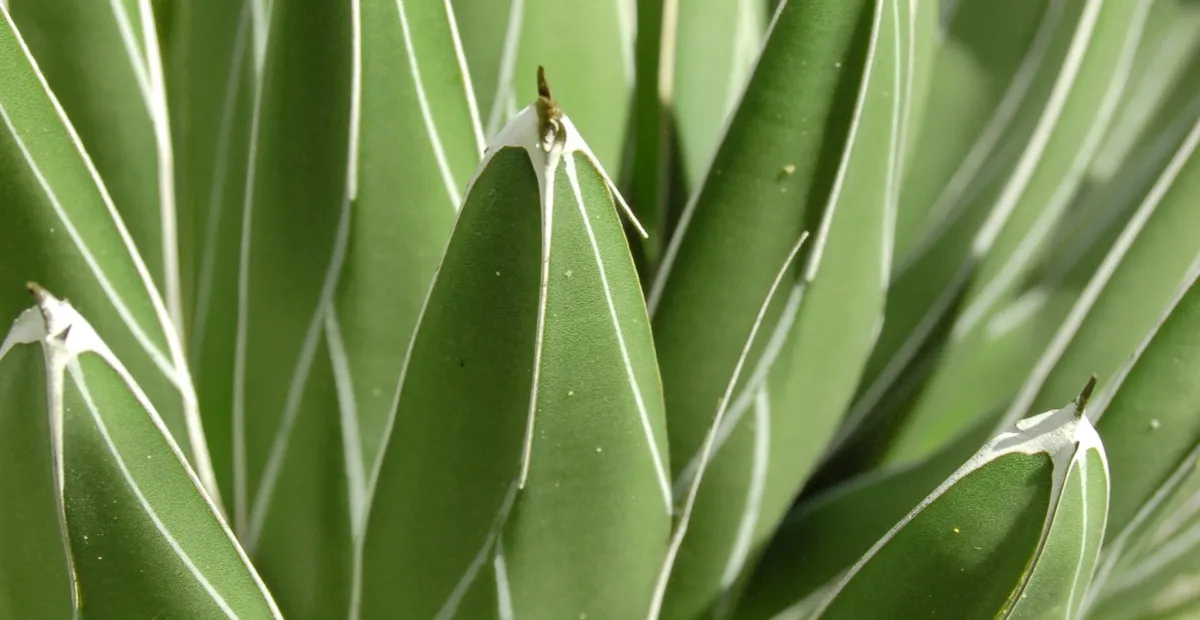
The rosette is tightly packed and geometrically symmetrical, with thick triangular green leaves carrying conspicuous white lines along margins and keels. Leaf edges are generally not heavily toothed, but each leaf ends in a stiff dark terminal spine that requires careful placement. The white markings and compact spherical outline are key identification features associated with Agave victoriae-reginae, though intensity varies among forms and cultivated selections.
Flowering
Flowering is terminal and monocarpic: a mature rosette sends up a conspicuously tall stalk, bears flowers toward the upper portion, then declines and dies after seed production. Species-level references place flowering mainly in late spring through summer, but timing varies with climate and cultivation. The exact flowering behavior of the 'Reginae' cultivar has not been independently documented.
Pollination and visitors
Species-level horticultural references report attraction of nectar-feeding birds and insects to the flowering spike. The exact visitor community depends on region and whether the plant flowers outdoors. A specific pollinator species is not consistently documented for this cultivar, so only broad visitor groups are listed.
Agave victoriae 'Reginae' photos
Click any photo for a larger view. Source, author and license are shown separately.
Diseases and pests
Diseases
The principal risk is crown or root rot caused by persistently wet soil, poor drainage, or water trapped in the rosette. Use a porous medium, a drainage hole, and careful winter watering. Soft, dark tissue or a collapsing center requires immediate isolation and removal of affected material with sterilized tools; salvage healthy tissue only if firm, uninfected tissue remains.
Pests
Watch for agave snout weevil in outdoor plantings where it occurs, along with scale insects, mealybugs, and occasional mites on stressed container plants. Inspect leaf bases and the crown regularly. Isolate affected containers, remove small infestations mechanically, and use a labeled treatment only according to its directions. Avoid routine broad-spectrum insecticide use around flowering plants.
Related diseases and pests
Only Plant Doctor profiles whose host data indicate this plant may be affected are shown here.
 PestBroad mitePolyphagotarsonemus latus (Banks)
 DiseasePhytophthora cactorum crown, collar, root and fruit rotPhytophthora cactorum
 DiseaseRhizopus soft rotRhizopus stolonifer
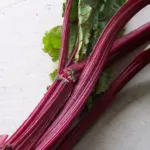 DiseaseBacterial soft rotPectobacterium carotovorum
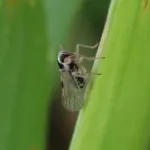 PestSmall Brown PlanthopperLaodelphax striatellus (Fallén, 1826)
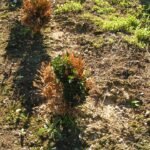 DiseasePhytophthora root and crown rotPhytophthora nicotianae
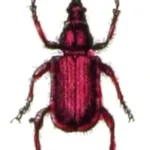 PestPeach weevilRhynchites bacchus
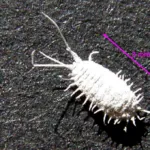 PestObscure mealybugPseudococcus viburni
Toxicity and pollen
Reliable cultivar-specific toxicology data are limited. Agave sap and leaf tissues can cause painful skin irritation or dermatitis in susceptible people, and sharp leaf tips create a separate puncture hazard. Wear gloves and eye protection when handling or cutting the plant, wash exposed skin promptly, and keep chewed plant material away from children and pets.
- Typical season
- Late spring through summer if flowering occurs outdoors
- Pollination / pollen
- Pollen released from insect-visited flowers; airborne exposure is not well characterized.
Agaves produce pollen only when they flower, and this compact plant may take many years to bloom. Its pollen is presented on a tall flower spike and is associated with flower visitors, but the airborne allergy importance of Agave victoriae-reginae has not been adequately characterized. People with known pollen sensitivity should avoid handling flowering material closely and monitor individual reactions.
Native habitat
The associated species occurs in the Chihuahuan Desert region of northeastern Mexico, especially on rocky or limestone slopes, cliffs, and other sharply drained semi-desert sites. Plants experience intense sun, seasonal rainfall, dry air, and rapid drainage. These conditions explain the need for mineral soil, infrequent irrigation, and protection from cold winter moisture in cultivation.
Interesting fact
The rosette is monocarpic, so flowering is followed by the death of the flowering plant. White lines can trace the leaf margins and central keels, emphasizing the plant's geometric form. The species is unusually compact for an agave and may take many years to reach flowering size. Mature flowering spikes can be several times taller than the rosette.
Frequently asked questions (FAQ)
The most relevant questions about this plant, with short and direct answers.
🌱Quick care
How do you care for Agave victoriae 'Reginae'?⌄
Grow Agave victoriae 'Reginae' in full sun to bright filtered light, sharply draining gritty soil, and with low watering. Let the soil dry thoroughly between waterings and protect the plant from hard freezes.
Is Agave victoriae 'Reginae' easy to grow?⌄
Yes, Agave victoriae 'Reginae' is generally easy to grow when given strong light, excellent drainage, and restrained watering. Its main risks are winter wetness, root rot, and accidental contact with the sharp terminal spine.
How fast does Agave victoriae 'Reginae' grow?⌄
Agave victoriae 'Reginae' grows slowly, typically forming a compact rosette over several years. Growth is faster in warm, bright conditions but remains much slower than many larger agaves.
How large does Agave victoriae 'Reginae' get?⌄
Agave victoriae 'Reginae' usually remains a compact agave, reaching roughly 1 to 2 feet wide at maturity. Exact size varies among plants sold under this name and according to growing conditions.
🌤️Environment and placement
How much light does Agave victoriae 'Reginae' need indoors?⌄
Indoors, place Agave victoriae 'Reginae' at the brightest window available, preferably with several hours of direct sun. Bright filtered light can work temporarily, but insufficient light may loosen the rosette and weaken its markings.
Can Agave victoriae 'Reginae' grow in full sun?⌄
Yes, Agave victoriae 'Reginae' can grow in full sun after gradual acclimation. Plants moved abruptly from indoor or shaded conditions may develop sunburn, so increase exposure over one to two weeks.
Can Agave victoriae 'Reginae' grow in shade?⌄
Agave victoriae 'Reginae' tolerates bright shade or filtered light, but deep shade is unsuitable. Low light commonly produces slower growth and a less compact, less symmetrical rosette.
What USDA hardiness zone is Agave victoriae 'Reginae'?⌄
Agave victoriae 'Reginae' is often grown outdoors in approximately USDA Zones 8 through 10, although cold tolerance varies with drainage, humidity, and exposure. In colder areas, grow it in a container and bring it indoors before freezing weather.
What temperature can Agave victoriae 'Reginae' tolerate?⌄
Agave victoriae 'Reginae' tolerates brief light frosts when dry, but it should be protected from hard freezes. Cold, wet soil is especially dangerous because it can cause crown and root rot even before severe leaf damage appears.
Can Agave victoriae 'Reginae' stay outside year-round?⌄
Agave victoriae 'Reginae' can stay outside year-round only where winters are mild, drainage is excellent, and hard freezes are uncommon. In much of the United States, container culture provides safer winter protection.
💧Care and problems
How often should you water Agave victoriae 'Reginae'?⌄
Water Agave victoriae 'Reginae' thoroughly only after the potting mix has dried completely. The interval may range from every few weeks in active growth to much longer in winter, depending on light, temperature, pot size, and humidity.
How do you know when Agave victoriae 'Reginae' needs water?⌄
Check the soil several inches below the surface and water only when it is fully dry. A firm, compact rosette is normal; persistent softness, yellowing, or a sour-smelling mix suggests excess moisture rather than drought.
Should you water Agave victoriae 'Reginae' in winter?⌄
Water Agave victoriae 'Reginae' very sparingly in winter, especially indoors or in cool conditions. Allow the mix to remain dry for extended periods and never leave the roots sitting in runoff.
Why is my Agave victoriae 'Reginae' turning brown?⌄
Brown areas on Agave victoriae 'Reginae' may result from sunburn, cold injury, physical damage, or rot. Dry, papery patches after a sudden increase in sunlight suggest sunburn, while soft or spreading brown tissue requires immediate inspection for excess moisture.
Why are the leaves of Agave victoriae 'Reginae' soft?⌄
Soft leaves on Agave victoriae 'Reginae' most often indicate overwatering, poor drainage, or cold wet conditions. Move the plant to a dry, bright location, inspect the roots and crown, and remove only tissue that is clearly rotting.
What causes root rot in Agave victoriae 'Reginae'?⌄
Root rot in Agave victoriae 'Reginae' is usually caused by waterlogged soil, inadequate drainage, or frequent watering during cool weather. Use a porous gritty mix, a pot with drainage holes, and allow the roots to dry fully between waterings.
Does Agave victoriae 'Reginae' need fertilizer?⌄
Agave victoriae 'Reginae' needs little fertilizer. If desired, apply a diluted balanced fertilizer once or twice during spring and summer, and avoid feeding recently repotted, dormant, or stressed plants.
Does Agave victoriae 'Reginae' need high humidity?⌄
No, Agave victoriae 'Reginae' does not need high humidity and generally prefers good air circulation. In humid regions, reduce watering and keep the crown and soil surface from staying wet.
🪴Planting and repotting
What soil is best for Agave victoriae 'Reginae'?⌄
The best soil for Agave victoriae 'Reginae' is a sharp-draining sandy or gritty succulent mix. Add mineral material such as pumice, perlite, coarse sand, or crushed gravel if the existing mix stays wet for more than a few days.
What type of pot is best for Agave victoriae 'Reginae'?⌄
Use a pot with a drainage hole that is only slightly larger than the root ball. Terracotta is useful because it dries quickly, while a shallow, heavy container helps support the compact but top-heavy rosette.
How do you repot Agave victoriae 'Reginae'?⌄
Repot Agave victoriae 'Reginae' into dry, gritty soil with the crown kept at or slightly above the soil line. After repotting, wait several days before watering so damaged roots can dry and heal.
When should you repot Agave victoriae 'Reginae'?⌄
Repot Agave victoriae 'Reginae' in spring or early summer when active growth can help it recover. Repot only when the mix has broken down, roots fill the container, or drainage has become poor.
Can Agave victoriae 'Reginae' grow in the ground?⌄
Yes, Agave victoriae 'Reginae' can grow in the ground in warm, dry regions with sharply draining soil. A raised bed, rock garden, or sloped site is safer than a low area that collects rain or irrigation.
How do you plant Agave victoriae 'Reginae' outdoors?⌄
Plant Agave victoriae 'Reginae' in full sun or bright filtered light, keeping the crown above surrounding soil and mulch. Choose a site with rapid drainage and leave enough space around the rosette for safe access.
✂️Propagation and pruning
How do you propagate Agave victoriae 'Reginae'?⌄
Agave victoriae 'Reginae' is most reliably propagated from fresh seed because many plants produce few or no offsets. Rooted offsets can also be separated when available, but this cultivar’s offsetting behavior is not well documented.
Does Agave victoriae 'Reginae' produce pups?⌄
Agave victoriae 'Reginae' may produce offsets, but it is commonly described as producing them sparingly. Do not assume a mature plant will make pups; seed propagation may be the more dependable option.
How do you separate an offset from Agave victoriae 'Reginae'?⌄
Separate a rooted offset from Agave victoriae 'Reginae' with a clean knife, allow any cut surface to callus for several days, and pot it in dry gritty mix. Begin light watering only after roots or new growth indicate recovery.
Does Agave victoriae 'Reginae' need pruning?⌄
Agave victoriae 'Reginae' does not require routine pruning. Remove only completely dead leaves with clean tools, and avoid cutting healthy leaves because damaged tissue does not regrow and the spine can cause injury.
⚠️Toxicity and safety
Is Agave victoriae 'Reginae' poisonous to pets?⌄
The toxicity of Agave victoriae 'Reginae' specifically is not well established, so keep it away from pets and children. Its sharp terminal spine can cause puncture injuries, and chewing plant material may cause irritation or digestive upset.
Does Agave victoriae 'Reginae' have sharp spines?⌄
Yes, Agave victoriae 'Reginae' has a sharp terminal spine on its leaves. Place it away from walkways, play areas, and eye level, and wear thick gloves and eye protection when handling it.
Can Agave victoriae 'Reginae' cause skin irritation?⌄
Agave sap may irritate skin, although the reaction from Agave victoriae 'Reginae' is not well documented for this exact cultivar. Wear gloves when cutting or repotting it and wash exposed skin promptly with soap and water.
🌸Flowering and special interest
How long does it take Agave victoriae 'Reginae' to flower?⌄
Agave victoriae 'Reginae' usually requires many years to flower, commonly around 15 to 30 years under cultivated conditions. Timing varies with genetics, climate, container culture, and overall growing conditions.
What does an Agave victoriae 'Reginae' flower look like?⌄
Agave victoriae 'Reginae' produces a tall central flower stalk bearing cream to yellow-green flowers. The stalk can rise many feet above the compact rosette, making flowering a dramatic but rare event.
Does Agave victoriae 'Reginae' die after flowering?⌄
Yes, Agave victoriae 'Reginae' is monocarpic and normally dies after flowering. Any offsets or seedlings produced before or during flowering can continue the plant’s lineage.
Should I remove the flower stalk from Agave victoriae 'Reginae'?⌄
Remove the flower stalk from Agave victoriae 'Reginae' only if it creates a safety or structural problem. Cutting it will not reliably prevent the rosette from completing its life cycle, so leaving it in place is usually preferable for observation or seed production.
Similar plants
 Azure Monkshood (Aconitum carmichaelii) care guideAconitum carmichaelii
 Monkshood (Aconitum ‘Stainless Steel’)Aconitum 'Stainless Steel'
 Monkshood (Aconitum ‘Bressingham Spire’)Aconitum 'Bressingham Spire'
 Golden full moon maple (Acer shirasawanum ‘Aureum’)Acer shirasawanum 'Aureum'
 Globosum (Acer platanoides ‘Globosum’)Acer platanoides 'Globosum'
 Striped maple (Acer pensylvanicum) care guideAcer pensylvanicum