
 Source:
 Twin-flowered Agave (Agave geminiflora) short overview
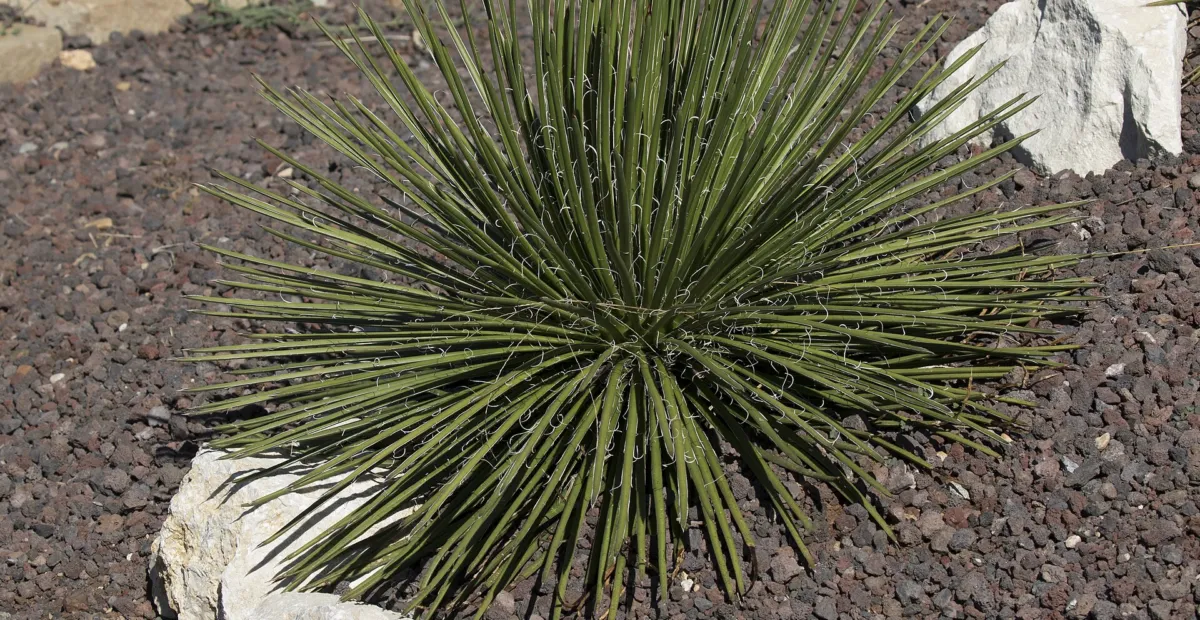
Twin-flowered Agave is a compact, evergreen succulent from dry shrubland in western Mexico. Its dense, rounded rosette holds scores of narrow, dark-green leaves edged with delicate white fibers, creating a soft, fountain-like texture despite the sharp tips. In maturity, an unbranched flower spike carries paired greenish-yellow blooms. Grow it in gritty, fast-draining soil, bright light, and a protected location where winter freezes are limited.
Taxonomic classification
Twin-flowered Agave (Agave geminiflora) care guide
Light and placement
Give full sun to part shade, with at least several hours of direct light outdoors. In hot desert climates, morning sun with light afternoon protection can prevent scorch; indoors, use the brightest south- or west-facing window available. Stretching, sparse leaves indicate insufficient light, while bleached patches or crispy exposed tissue suggest excessive abrupt sun or heat stress.
Watering and humidity
Water deeply only after the mix has dried substantially, allowing excess water to drain completely. In spring and summer, container plants may need periodic watering when actively growing; reduce frequency in fall and keep the plant nearly dry during cool winter conditions. Never leave the pot standing in water, and keep water out of the crown.
Soil and growing medium
Use a porous, gritty mix that drains rapidly, such as a cactus or succulent medium amended with pumice, perlite, coarse sand, or small gravel. Avoid heavy clay and containers without drainage holes. A near-neutral to slightly acidic mineral substrate is suitable; prolonged saturation is more damaging than lean soil.
Feeding
Feed only during active growth, using a balanced succulent fertilizer at half strength once in spring and, if growth is strong, once again in early summer. Do not fertilize newly repotted or drought-stressed plants. Avoid high-nitrogen feeding, which can produce softer growth and is unnecessary in lean, mineral soil.
Growth and habit
This is a slow-growing, solitary, evergreen rosette agave that remains compact for many years. It usually has a symmetrical, rounded habit and may become top-heavy when flowering. Keep the crown dry, remove spent inflorescence material after seed collection, and maintain enough space for the leaf tips.
Planting and repotting
Plant outdoors in spring after the threat of hard freezes has passed, setting the rosette at the same depth it was growing in its container. Do not bury the crown. Space plants about 24–36 inches apart for airflow and mature spread. Water once after planting, then let the soil dry substantially between irrigations while roots establish.
Repot in spring when the container is crowded or the mix has degraded. Move the plant only one pot size larger, handle the root ball carefully, and allow damaged roots to dry briefly before watering. A heavy, stable container helps prevent the tall rosette or future flower spike from tipping.
Propagation and pruning
Propagation
Propagate from fresh seed when available, sowing on the surface of a sterile, gritty medium and keeping it lightly moist and warm until germination. Offsets may occur but are less dependable than in many agave species. Separate offsets in warm weather, allow cut surfaces to callus, then root them in barely moist, fast-draining mix.
Pruning
Little pruning is needed. Remove dead lower leaves with clean, sharp tools and cut spent flower stalks after seed collection or once they become unstable. Wear thick gloves and eye protection, and avoid cutting into the crown. Do not remove healthy leaves merely to reshape the rosette.
Overwintering
Protect from temperatures near freezing and prolonged cold, especially when soil is wet. In colder U.S. zones, move containers indoors before frost to a bright, cool-to-temperate location and water sparingly. Resume more regular watering gradually in spring. Outdoor plants in marginal climates need a rain-sheltered, well-drained site and frost cloth during brief cold events.
Uses
Use as a specimen, architectural accent, container plant, rock-garden subject, or warm-climate succulent planting. Its fine-textured rosette works well where a softer agave silhouette is desired. It is ornamental rather than a documented food or medicinal crop; handle with gloves because sap and leaf tips can irritate or injure.
Appearance
The plant forms a dense, symmetrical pin-cushion rosette of roughly 100–200 narrow, flexible leaves. Leaves are dark green with convex margins, fine white horny lines, and curled white filaments; the tips are needle-like rather than broad marginal teeth. This combination gives the species a distinctive fountain-like texture.
Flowering
This species is monocarpic: after many years, the rosette can produce a tall, unbranched flowering spike and then decline after flowering and seed production. The greenish-yellow flowers occur in pairs along the stalk, which is the source of the epithet geminiflora, meaning twin-flowered. Flowering is uncommon in containers and depends on maturity and growing conditions.
Pollination and visitors
The pale, paired flowers are associated with nocturnal floral visitation in the broader Agave/Polianthes group, and horticultural references report attraction by nocturnal pollinators. Other insects may visit open flowers, but a species-specific primary pollinator for Agave geminiflora is not sufficiently documented here.
Agave geminiflora photos
Click any photo for a larger view. Source, author and license are shown separately.
Diseases and pests
Diseases
The main risk is crown or root rot caused by persistent wetness, especially in cool weather. Use a sharply draining medium, avoid overhead irrigation into the rosette, and remove collapsed tissue with sterile tools. Good airflow and dry winter conditions reduce fungal problems. Isolate and discard severely rotted plants rather than repeatedly watering them.
Pests
Watch for agave snout weevil in outdoor plantings, although species-specific susceptibility is not well established. Also inspect leaf bases and roots for scale or mealybugs, especially on container plants. Remove pests manually or use an appropriate labeled treatment; avoid routine spraying without identifying the pest.
Related diseases and pests
Only Plant Doctor profiles whose host data indicate this plant may be affected are shown here.
 DiseasePhytophthora cactorum crown, collar, root and fruit rotPhytophthora cactorum
 DiseasePhytophthora root and crown rotPhytophthora nicotianae
 PestPeach weevilRhynchites bacchus
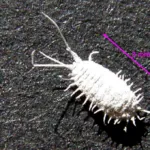 PestObscure mealybugPseudococcus viburni
 PestCitrus mealybugPlanococcus citri
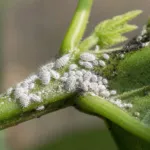 PestCotton mealybugPhenacoccus solenopsis Tinsley
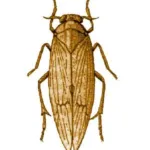 PestBrown planthopperNilaparvata lugens (Stål)
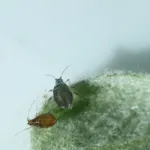 PestRosy Apple AphidDysaphis plantaginea
Toxicity and pollen
Species-specific clinical toxicity data are limited. Agave sap is documented as an irritant in the genus and can cause skin inflammation after contact; the needle-like leaf tips also present a puncture hazard. Wear gloves and eye protection when cutting or repotting, wash exposed skin promptly, and keep plant debris away from children and pets. Do not treat the plant as edible.
- Typical season
- Flowering season in the local climate, often winter in warm U.S. regions
- Pollination / pollen
- Flower pollen; primarily animal-associated, not documented as strongly windborne
Agave geminiflora produces pollen when it flowers, but reliable U.S. data quantifying airborne pollen or allergy prevalence for this exact species are lacking. Its flowers are generally associated with animal visitation rather than wind dispersal, so substantial airborne exposure is not established. Sensitive gardeners should still avoid direct contact with flowers and sap.
Native habitat
Native to dry shrubland and desert or seasonally dry vegetation in western Mexico, especially Nayarit. It is adapted to bright light, lean soils, seasonal moisture, and rapid drainage rather than permanently humid or waterlogged ground. Cultivation outside warm climates is best in containers that can be protected from freezes.
Interesting fact
The species name geminiflora refers to paired flowers along the inflorescence. Its leaves are unusually narrow and filamented for an agave, giving the rosette a soft, grass-like appearance. Mature plants can produce an 8–10 ft unbranched spike even though the vegetative rosette remains comparatively compact.
Frequently asked questions (FAQ)
The most relevant questions about this plant, with short and direct answers.
🌱Quick care
How do you care for Twin-flowered Agave indoors?⌄
Give Twin-flowered Agave the brightest light available, use gritty sharply draining soil, and water only after the mix dries completely. Keep it away from cold drafts and reduce watering substantially during winter.
🌤️Environment and placement
How much light does Agave geminiflora need?⌄
Agave geminiflora grows best in full sun to part shade. Provide morning sun or bright filtered light in very hot climates, and acclimate gradually when moving it from shade into direct sunlight.
Can Twin-flowered Agave grow in full shade?⌄
Twin-flowered Agave may tolerate bright shade, but full shade usually produces a looser, less symmetrical rosette. Give it at least several hours of bright indirect light or gentle direct sun for the best form.
What USDA hardiness zones are suitable for Agave geminiflora?⌄
Agave geminiflora is generally suited to USDA Zones 9–11, although reported cold tolerance varies with plant condition and winter moisture. In colder areas, grow it in a container that can be protected from freezing temperatures.
How cold hardy is Twin-flowered Agave?⌄
Twin-flowered Agave should be protected from frost and prolonged freezing weather. Some established plants may tolerate brief temperatures around 20–30°F in dry conditions, but reliable performance depends on shelter, drainage, and local climate.
💧Care and problems
How often should you water Agave geminiflora?⌄
Water Agave geminiflora thoroughly, then allow the soil to dry completely before watering again. The interval may range from weekly during active warm-season growth to several weeks in cool or dormant conditions.
Can you overwater Twin-flowered Agave?⌄
Yes, overwatering is one of the main risks for Twin-flowered Agave because constantly wet soil can cause root or crown rot. Use a drainage hole and gritty soil, and never leave the pot standing in water.
Why are the lower leaves on my Agave geminiflora turning brown?⌄
A few older lower leaves naturally yellow or brown as Agave geminiflora grows. Remove them only when they are fully dry; widespread browning, softness, or a foul smell can indicate excess moisture or rot.
Why is my Twin-flowered Agave turning bronze?⌄
Twin-flowered Agave can develop bronze or reddish tones when exposed to drought, intense sun, or temperature stress. If the leaves remain firm, the color may be temporary; soft or collapsing leaves suggest a more serious problem.
Does Agave geminiflora need fertilizer?⌄
Agave geminiflora needs little fertilizer. If growth is weak, apply a diluted cactus or succulent fertilizer once during active spring growth, and avoid feeding during cold or dormant periods.
🪴Planting and repotting
What soil is best for Twin-flowered Agave?⌄
Use a gritty cactus or succulent mix that drains sharply and contains little water-retentive organic matter. In the ground, amend heavy soil with mineral material or plant on a raised mound to prevent standing moisture.
How do you plant Agave geminiflora in the ground?⌄
Plant Agave geminiflora at the same depth it was growing, in a sunny or lightly shaded site with rapid drainage. Keep the crown above surrounding soil and water lightly until established, then follow a dry-between-waterings routine.
Can Twin-flowered Agave be grown in a container?⌄
Yes, Twin-flowered Agave grows well in a container with a drainage hole and enough room for its mature 2–3-foot rosette. Use cactus soil, avoid oversized pots, and move the container under cover before frost.
When should you repot Agave geminiflora?⌄
Repot Agave geminiflora in spring when roots have filled the container or drainage has declined. Use a pot only slightly larger than the current one, handle the leaves carefully, and wait several days before watering after repotting.
✂️Propagation and pruning
Does Twin-flowered Agave produce pups or offsets?⌄
Twin-flowered Agave is usually solitary and produces few or no offsets compared with many other agaves. As a result, propagation is more commonly done from seed or from specialized nursery material when available.
How do you propagate Agave geminiflora?⌄
Propagate Agave geminiflora primarily from seed, because mature plants commonly produce few offsets. Sow seed in a sterile, sharply draining medium and keep it lightly moist and warm until germination, then gradually reduce watering.
Can you prune Twin-flowered Agave?⌄
Twin-flowered Agave generally needs no routine pruning. Remove only dead or damaged leaves with clean tools, wear gloves, and avoid cutting into the central growing point.
⚠️Toxicity and safety
Are Twin-flowered Agave leaves sharp?⌄
Yes, the narrow leaves have pointed terminal tips even though they lack the prominent marginal teeth found on many agaves. Place the plant away from walkways, pets, and children, and wear gloves when handling it.
Is Agave geminiflora poisonous to dogs or cats?⌄
Agave geminiflora should be treated as irritating rather than pet-safe because its sap may irritate skin, mouth, or the digestive tract, and its leaf tips can cause puncture injuries. Keep it inaccessible to pets and seek veterinary advice if ingestion causes symptoms.
Can Twin-flowered Agave cause skin irritation?⌄
Yes, the sap of Twin-flowered Agave can irritate skin, and the pointed leaf tips can injure hands or eyes. Wear gloves and eye protection when repotting, pruning, or cutting the plant, and wash exposed skin promptly.
🌸Flowering and special interest
Does Agave geminiflora flower only once?⌄
Yes, Agave geminiflora is generally monocarpic, meaning the rosette flowers once at maturity and then dies. The plant may take many years to bloom, and its solitary habit means replacement plants are not usually produced as basal pups.
When does Twin-flowered Agave bloom?⌄
Twin-flowered Agave blooms only after reaching maturity, and the season varies by climate and growing conditions. It sends up a tall, unbranched stalk bearing greenish-yellow flowers in pairs.
How tall is the Agave geminiflora flower stalk?⌄
The flower stalk of Agave geminiflora commonly rises about 8–10 feet above the rosette, although size can vary. Leave ample overhead and surrounding clearance before planting a mature specimen near structures or paths.
Why is my Twin-flowered Agave growing a tall stalk?⌄
A rapidly developing tall stalk usually means Twin-flowered Agave is entering its mature flowering phase. The rosette will typically decline after flowering, so preserve seed if desired and plan for the parent plant’s eventual replacement.
What do Twin-flowered Agave flowers look like?⌄
Twin-flowered Agave produces greenish-yellow flowers arranged in pairs along a tall, narrow stalk. The paired blooms are the feature behind the plant’s documented common name, Twin-flowered Agave.
Similar plants
 Azure Monkshood (Aconitum carmichaelii) care guideAconitum carmichaelii
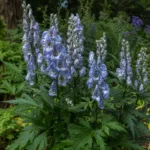 Monkshood (Aconitum ‘Stainless Steel’)Aconitum 'Stainless Steel'
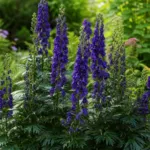 Monkshood (Aconitum ‘Bressingham Spire’)Aconitum 'Bressingham Spire'
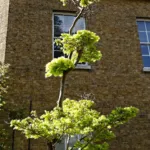 Golden full moon maple (Acer shirasawanum ‘Aureum’)Acer shirasawanum 'Aureum'
 Globosum (Acer platanoides ‘Globosum’)Acer platanoides 'Globosum'
 Striped maple (Acer pensylvanicum) care guideAcer pensylvanicum