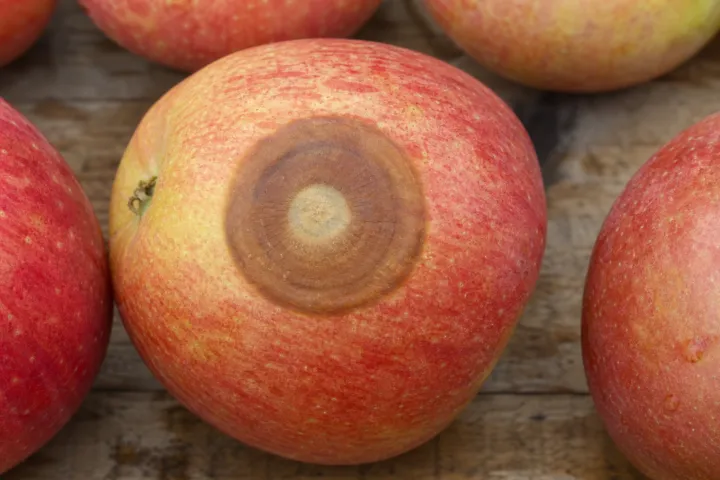
Bull’s-eye Rot and Perennial Canker
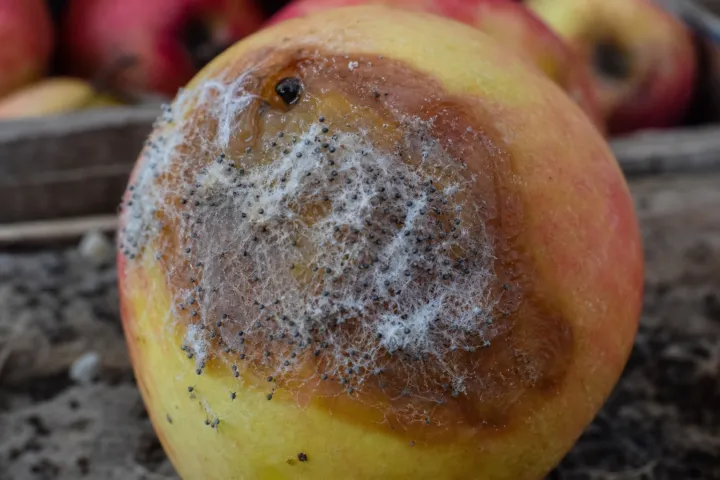
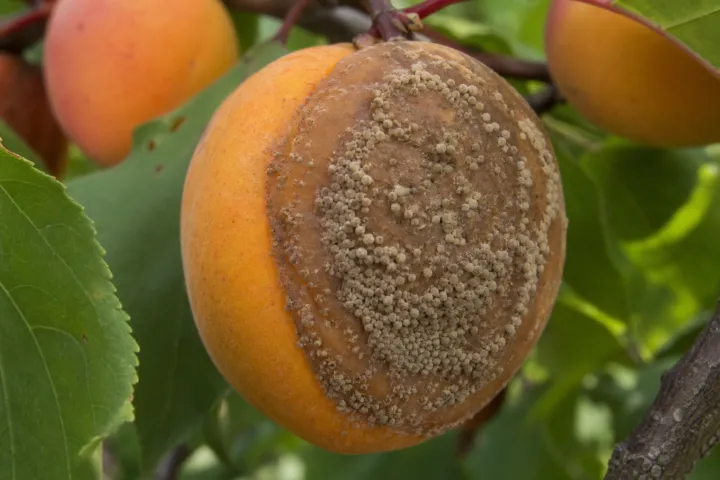
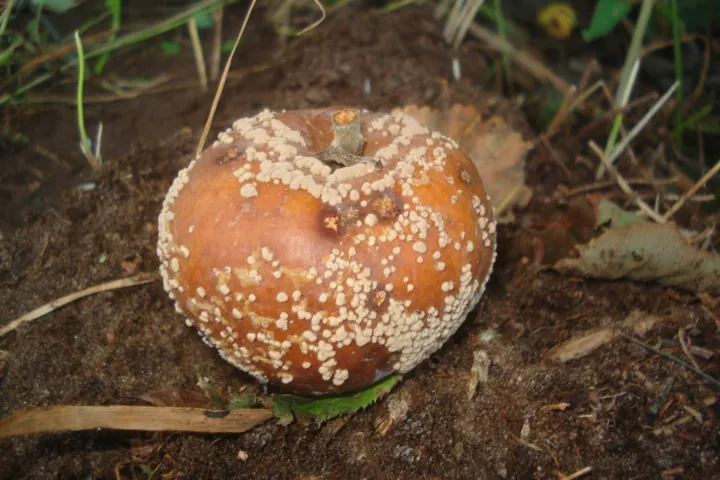
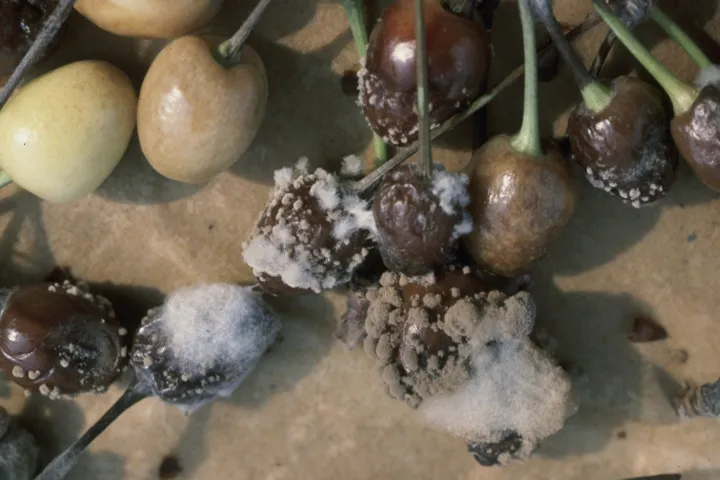
Neofabraea perennansNeofabraea perennans is a fungal pathogen associated with bull’s-eye rot of stored apples and pears and with perennial cankers on pome-fruit trees. Infections commonly…
DetailsDetailed profiles of common plant diseases, pests, nutrient deficiencies and environmental problems.
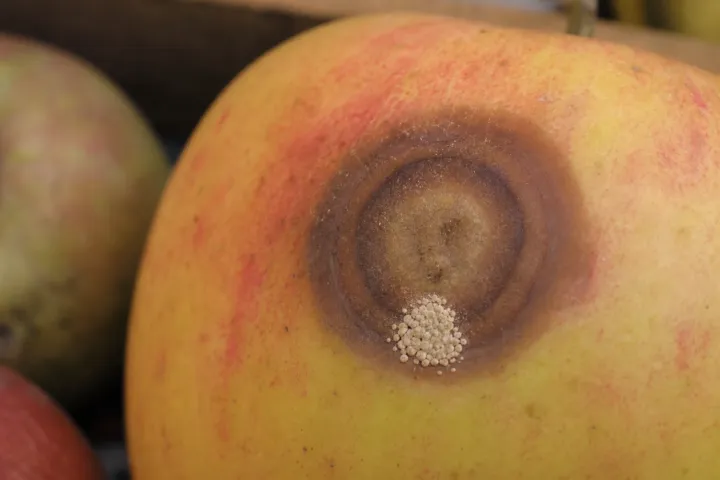
Neofabraea perennans is a fungal pathogen associated with bull’s-eye rot of stored apples and pears and with perennial cankers on pome-fruit trees. Infections commonly…
Details
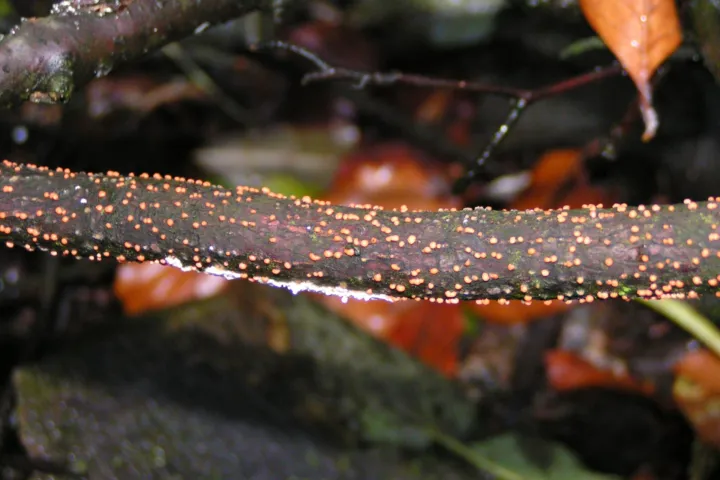
Neofabraea alba is a fungus associated with bull’s-eye rot, a mainly postharvest disease of apples and pears. Fruit may be infected in the orchard…
Details
Coral spot canker is an opportunistic fungal disease of many deciduous trees and woody shrubs, especially tissue weakened by drought, transplant stress, winter injury,…
Details
European brown rot, caused by the fungus Monilinia laxa, is a disease of stone fruits that can kill blossoms and short shoots and rot…
Details
European brown rot is a quarantine fungal disease caused by Monilinia fructigena. It primarily affects apples, pears and other pome fruits, but can also…
Details
Brown rot of stone fruit, caused by the fungus Monilinia fructicola, attacks blossoms, twigs and fruit. In spring it can turn blossoms brown and…
Details
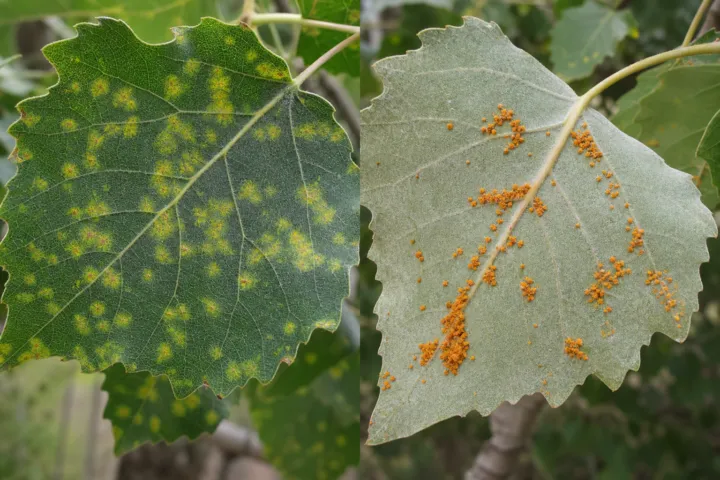
Poplar leaf rust is a wind-dispersed fungal disease caused by Melampsora larici-populina. It primarily affects Populus species and hybrids, producing yellow leaf spots above…
Details
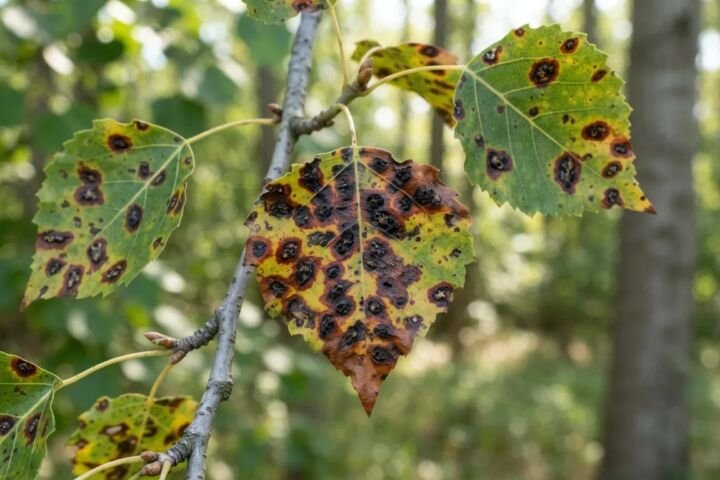
Marssonina brunnea causes a fungal leaf-spot disease mainly of poplars (Populus spp.), especially susceptible hybrid and black-poplar types. Small brown to black spots with…
Details
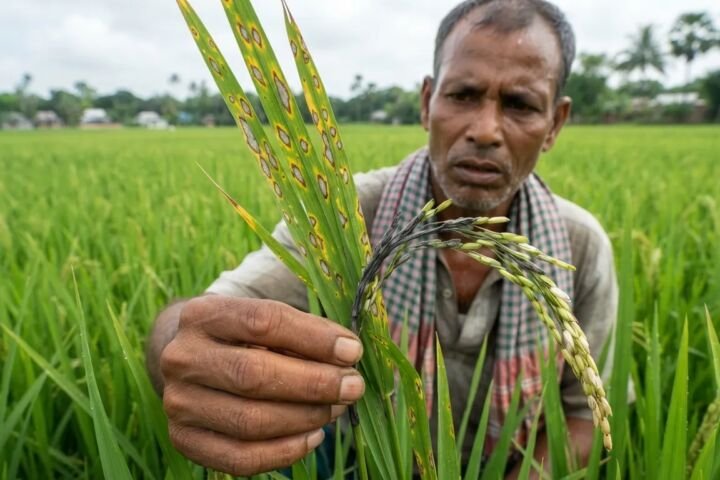
Rice blast is a destructive fungal disease caused by Magnaporthe oryzae, best known for diamond-shaped lesions on rice leaves and damaging infections of the…
Details
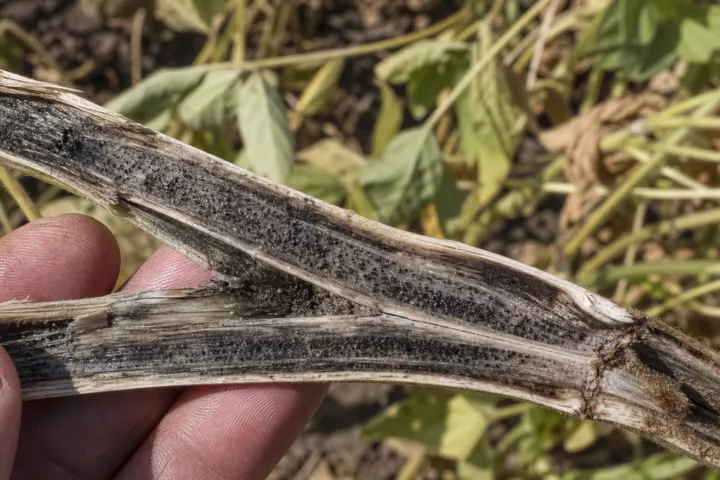
Charcoal rot is a soilborne fungal disease caused by Macrophomina phaseolina. It is most damaging when hot, dry conditions stress the crop, especially during…
Details
Lophodermium needle cast is a fungal disease of pine needles caused primarily by Lophodermium seditiosum. It is most damaging to young trees, nursery stock…
Details