

Disease
Potato virus X
Potato virus XPotato virus X (PVX) is a widespread viral disease of potato that may remain completely symptomless while reducing yield and tuber quality. When symptoms…
DetailsDetailed profiles of common plant diseases, pests, nutrient deficiencies and environmental problems.
Potato virus X (PVX) is a widespread viral disease of potato that may remain completely symptomless while reducing yield and tuber quality. When symptoms…
Details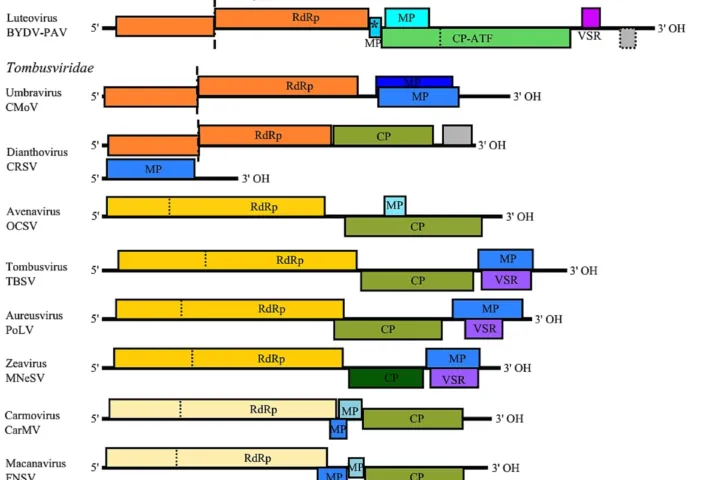
Potato leafroll is a viral disease of potato caused by Potato leafroll virus (PLRV). Infected plants may become upright, stunted, pale and stiff, with…
Details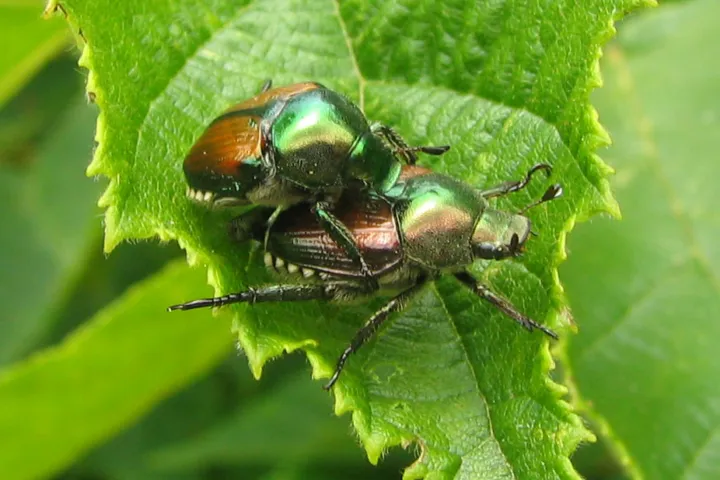
The Japanese beetle, Popillia japonica, is an invasive scarab beetle that damages ornamental plants, fruit crops, vegetables, and turf in many parts of the…
Details
Broad mite, Polyphagotarsonemus latus, is a minute tarsonemid mite that attacks tender growing points, young leaves, flower buds and small fruit. Its toxic saliva…
Details
Polymyxa betae is a microscopic, obligate root parasite and persistent soilborne vector of Beet necrotic yellow vein virus, the cause of beet rhizomania. The…
Details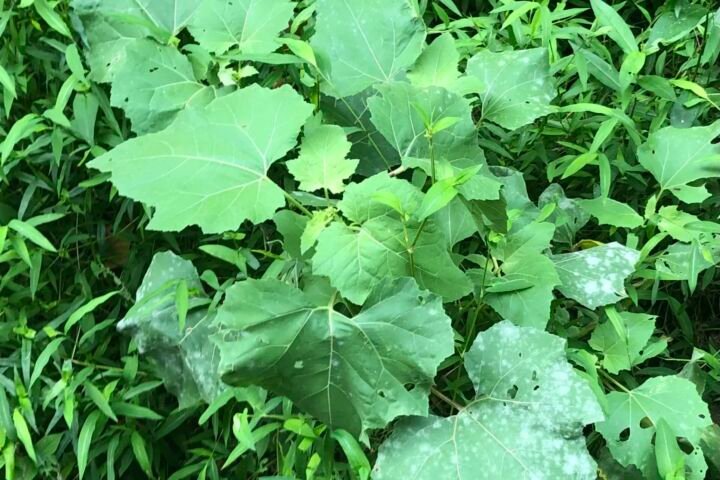
Cucurbit powdery mildew, caused primarily by the obligate biotrophic fungus Podosphaera xanthii, forms conspicuous white, flour-like colonies on cucumber, melon, squash, pumpkin, gourd and…
Details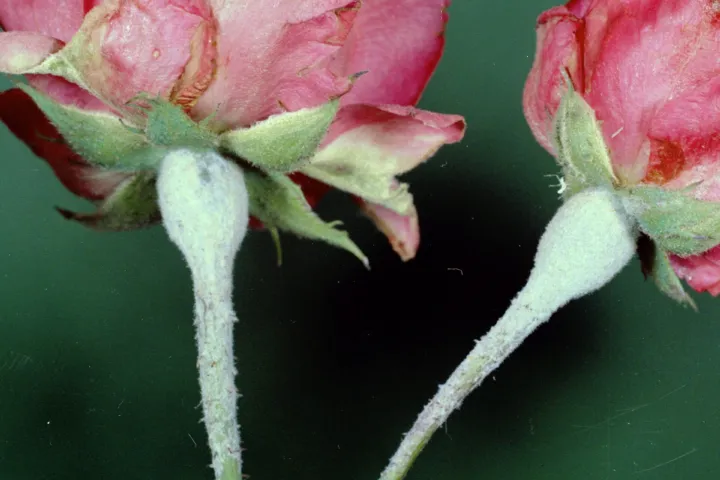
Rose powdery mildew, caused by the obligate biotrophic fungus Podosphaera pannosa, appears as white to gray, flour-like growth on rose leaves, shoots, sepals, buds…
Details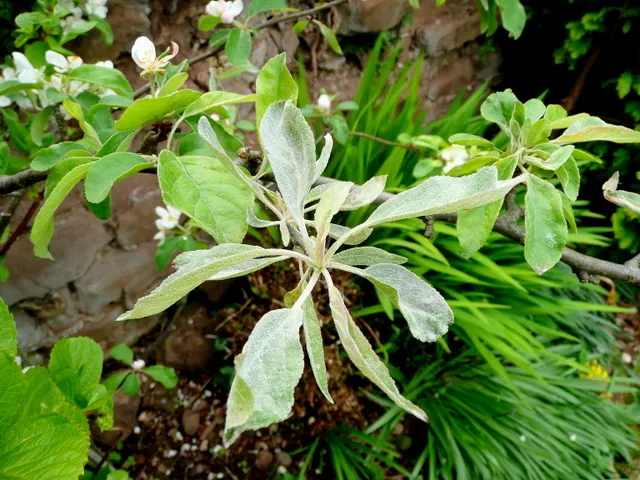
Apple powdery mildew is a fungal disease caused by Podosphaera leucotricha. It primarily attacks young apple leaves, shoots, flower clusters, buds, and developing fruit,…
Details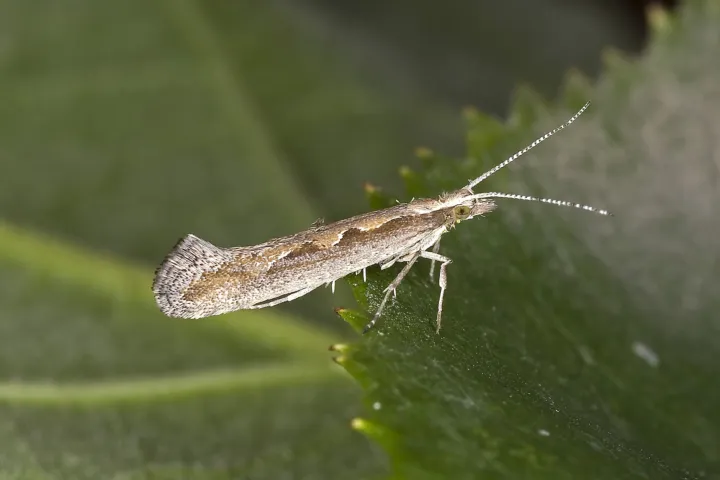
The diamondback moth, Plutella xylostella, is a small, highly mobile moth whose caterpillars damage cabbage-family crops by scraping, mining and chewing leaves. Young larvae…
Details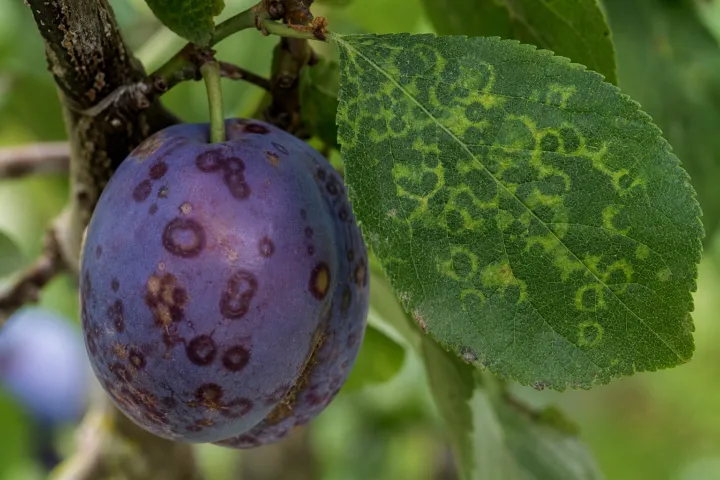
Plum pox, also called Sharka, is a serious viral disease of peaches, plums, apricots, nectarines, cherries, almonds and some ornamental Prunus. Infected trees may…
Details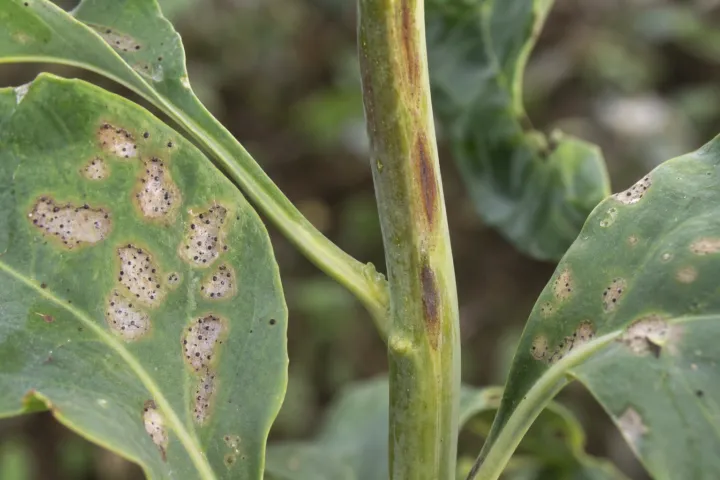
Plenodomus biglobosus is a fungus associated with blackleg, or phoma stem canker, of canola, oilseed rape and other Brassicaceae. It commonly produces leaf spots…
Details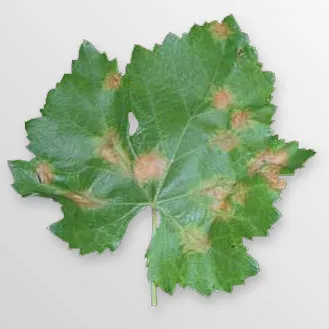
Grape downy mildew is a destructive disease of grapevines caused by the oomycete Plasmopara viticola. It favors warm, rainy or persistently humid weather and…
Details