
 Source:
 Weingartia arenacea short overview
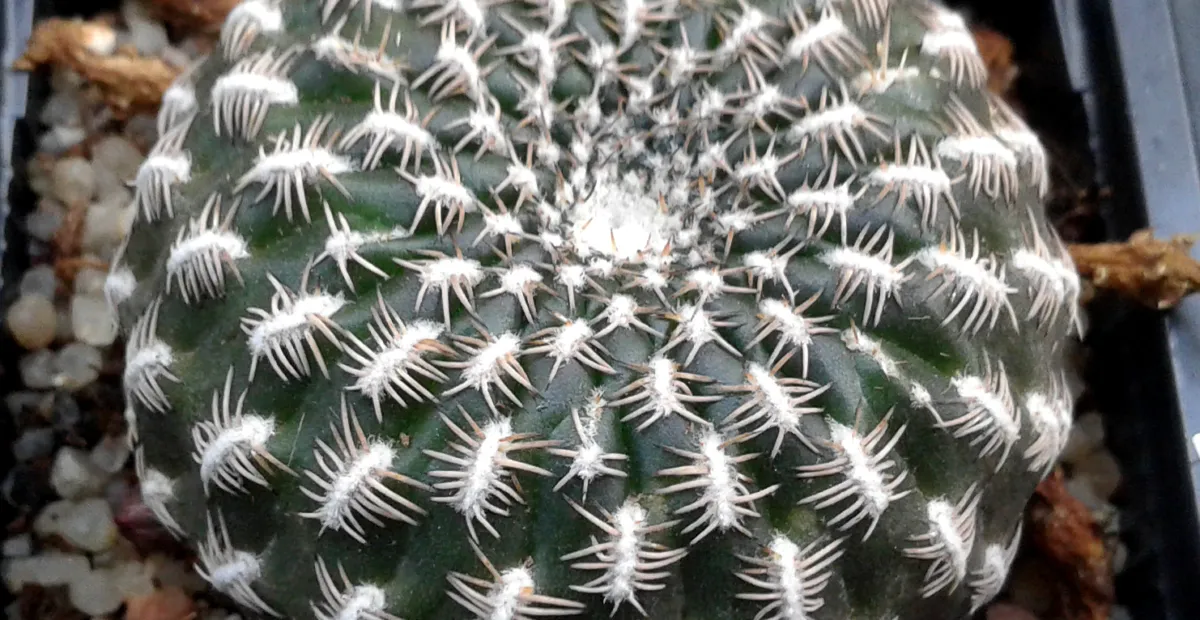
Weingartia arenacea is a diminutive Bolivian cactus valued for its compact, globular body, spiraling tubercles, and dense pale spines that give the plant a sandy appearance. In spring, mature specimens can produce several vivid yellow to yellow-orange flowers around the stem. Grow it in strong light and a very porous mineral mix, water only during active growth, and keep it cool and nearly dry in winter to reduce rot and encourage flowering.
Taxonomic classification
Weingartia arenacea care guide
Light and placement
Give several hours of direct sun, ideally from a south- or east-facing exposure, with bright filtered light or light midday shade during extreme summer heat. A plant that becomes pale, stretched, or sparsely spined is likely receiving too little light. Bleached patches, scarring, or rapid yellowing indicate excessive heat or sun after insufficient acclimation.
Watering and humidity
Water thoroughly only after the mix has dried completely, then let excess drain away. During spring and summer growth, the interval may range from roughly 10–21 days depending on pot size, heat, and airflow. Reduce watering in fall and keep the plant almost completely dry through its cool winter rest. Never leave the pot standing in water.
Soil and growing medium
Use a very porous cactus mix with a high proportion of pumice, perlite, lava rock, coarse sand, or other mineral grit. Drainage is more important than organic fertility because the plant has a thick root system that can rot in stagnant or persistently wet soil. A slightly acidic to neutral mix is suitable; avoid heavy, peat-rich substrates that stay wet.
Feeding
Feed only during active spring and summer growth. Use a balanced or low-nitrogen cactus fertilizer diluted to about one-quarter to one-half the label strength every few waterings, or apply a single light spring feeding. Do not fertilize dry, dormant, recently repotted, diseased, or root-damaged plants.
Growth and habit
This is a slow-growing, compact cactus that is usually solitary but may produce basal offsets with age or under favorable cultivation. Its thickened root system makes rapid drying and careful winter dormancy important. Strong light helps maintain a compact body and dense spine development; insufficient light can produce weaker, elongated growth.
Planting and repotting
Plant only after the danger of cold, wet weather has passed. Set the stem at its previous soil level and keep the root collar above surrounding soil, using a grit mulch to prevent moisture from collecting against it. In containers, allow room for occasional basal offsets but avoid oversized pots, which dry slowly.
Repot in spring, preferably before new growth begins. Handle the roots gently, remove wet or damaged mix, and allow any root injuries to dry before planting into fresh, dry mineral substrate. Use a shallow pot with excellent drainage and only modestly more width than the root system. Delay watering for several days after repotting.
Propagation and pruning
Propagation
Sow fresh seed in spring or early summer using sterile, gritty, well-drained medium and bright filtered light. Basal offsets can be separated during active growth and rooted after the cut surface calluses. Grafting is used when seedling growth or root performance is difficult, but it is not essential for ordinary cultivation.
Pruning
No routine pruning is required. Remove dead flowers or dried tissue only if desired, using clean tools. If rot develops, cut back to firm, healthy tissue and allow the wound to callus fully before replanting in dry substrate.
Overwintering
Keep cool and dry in winter, ideally around 32–50°F if the plant is completely dry and well ventilated. In colder or wetter areas, overwinter it indoors, in a greenhouse, or in an alpine house with strong light. Avoid warm, dim, damp conditions, which encourage weak growth and rot.
Uses
Primarily an ornamental collector’s cactus for pots, alpine-house displays, windowsills, balconies, and protected xeric arrangements. Its small stature and conspicuous spring flowers suit miniature cactus gardens. It is not documented here for culinary, medicinal, or other utilitarian uses.
Appearance
The body is a small globose to somewhat flattened cactus, usually greenish, brown-green, or occasionally darker in tone. Spirally arranged tubercles form distinct ribs, while pale areoles carry numerous short, closely set whitish, yellowish, amber, or tan spines. The dense, orderly spination gives the plant a sandy, textured appearance.
Flowering
Flowers are produced in spring, often in a flush, from areoles around the lower to middle portion of the stem. They are relatively large compared with the body and are usually yellow to yellow-orange. A cool, dry winter rest is commonly recommended for reliable bud formation, although timing varies with greenhouse conditions and local climate.
Pollination and visitors
Species-specific pollinator records were not located. The open, colorful flowers of related Weingartia and Rebutia-group cacti may be visited by insects, but a visitor group is not assigned here without direct evidence for W. arenacea.
Weingartia arenacea photos
Click any photo for a larger view. Source, author and license are shown separately.
Diseases and pests
Diseases
The principal risk is root or collar rot caused by wet soil, poor drainage, low airflow, or watering during dormancy. Inspect for soft, darkened tissue and remove affected roots or stem sections promptly with sterile tools. Keep the plant dry after treatment and replace contaminated or waterlogged substrate.
Pests
Watch for mealybugs, scale, and spider mites, especially on plants kept warm indoors. Inspect areoles and the root collar regularly. Remove isolated pests mechanically or treat with an appropriate labeled product, avoiding routine spraying in hot direct sun. Good airflow and quarantine of new plants reduce outbreaks.
Related diseases and pests
Only Plant Doctor profiles whose host data indicate this plant may be affected are shown here.
 Environmental stressPoor drainage stress (waterlogging)
 DiseaseRhizopus soft rotRhizopus stolonifer
 DiseaseBacterial soft rotPectobacterium carotovorum
 Environmental stressWaterlogging
 PestObscure mealybugPseudococcus viburni
 PestCitrus mealybugPlanococcus citri
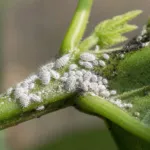 PestCotton mealybugPhenacoccus solenopsis Tinsley
Toxicity and pollen
No authoritative species-specific toxicity assessment was located. The main practical hazard is mechanical injury from the spines and irritation if plant material contacts eyes or broken skin. Keep away from children and pets and handle with tongs or protective gloves.
- Typical season
- During flowering, typically spring in the United States
- Pollination / pollen
- Likely insect-dispersed pollen; species-specific data unavailable
As an insect-pollinated cactus, its pollen is generally not expected to be widely dispersed like wind-borne grass or tree pollen, but species-specific allergenicity data were not found. Avoid treating low concern as proof of zero allergy risk, particularly around abundant flowering plants.
Native habitat
Native to central Bolivia, where it occurs in dry desert or dry-shrubland environments. The species is associated with mountainous, seasonally dry conditions rather than continuously humid lowlands. In cultivation, its ecological adaptations translate into mineral soil, rapid drainage, pronounced seasonal dryness, and good air circulation.
Interesting fact
The species was originally described as Rebutia arenacea and has also been treated in Sulcorebutia. Kew currently accepts Weingartia arenacea, illustrating the changing generic boundaries within this cactus group. The epithet arenacea refers to a sandy appearance associated with its pale, dense spination. It is native to central Bolivia and grows in dry shrubland or desert environments.
Frequently asked questions (FAQ)
The most relevant questions about this plant, with short and direct answers.
🌱Quick care
How do you care for Weingartia arenacea?⌄
Grow Weingartia arenacea in strong light, gritty soil, and water sparingly but thoroughly during active growth. Keep it almost completely dry during its winter rest and protect it from frost.
Is Weingartia arenacea easy to grow indoors?⌄
Yes, Weingartia arenacea can grow indoors if it receives several hours of direct sun or very bright filtered light and excellent airflow. A sunny south- or west-facing window is usually the best placement.
How often should I water Weingartia arenacea?⌄
Water Weingartia arenacea only when its soil is fully dry, then let excess water drain completely. In winter, water little or not at all unless the plant shows significant shriveling.
What soil is best for Weingartia arenacea?⌄
Use a gritty, rocky cactus mix that drains rapidly and contains plenty of mineral material. Avoid dense potting soil because prolonged wetness can cause root loss and rot.
What is another name for Weingartia arenacea?⌄
Weingartia arenacea has also been treated under names such as Rebutia arenacea and Sulcorebutia arenacea in cactus literature. Plant labels and references may therefore use different genus combinations for the same taxon.
🌤️Environment and placement
How much light does Weingartia arenacea need?⌄
Weingartia arenacea prefers full sun to bright filtered light. Introduce it to stronger sunlight gradually to reduce the risk of sunburn, especially after indoor growing or shipping.
Can Weingartia arenacea grow outside in the United States?⌄
It can grow outdoors in frost-free areas with dry, sunny conditions and fast-draining soil. In regions that experience freezing temperatures or wet winters, grow it in a container that can be moved under cover.
What USDA hardiness zone is suitable for Weingartia arenacea?⌄
A precise USDA hardiness rating is not well standardized for this species, so it is safest to treat Weingartia arenacea as frost-tender. Move it indoors or provide dependable frost protection whenever temperatures may approach freezing.
What temperatures can Weingartia arenacea tolerate?⌄
Weingartia arenacea tolerates cool, dry conditions better than cold, wet conditions. Keep it above freezing and especially protect the roots from frost, rain, and waterlogged soil.
💧Care and problems
Why is my Weingartia arenacea turning brown or soft?⌄
Brown, soft, or collapsing tissue usually indicates rot caused by excess moisture, poor drainage, or cold wet conditions. Stop watering, inspect the roots and stem, and remove healthy tissue from any advanced rot before attempting to re-root it.
Why is my Weingartia arenacea shrinking?⌄
Some shrinking is normal during winter dormancy, but severe wrinkling can indicate prolonged drought or damaged roots. Resume cautious watering only when the plant is warm, actively growing, and the soil is completely dry.
Why is my Weingartia arenacea stretching or becoming pale?⌄
Stretching and pale growth usually mean the plant is not receiving enough light. Move it gradually toward stronger light and avoid sudden exposure to intense midday sun.
Should Weingartia arenacea be fertilized?⌄
Fertilize Weingartia arenacea lightly during active growth with a diluted, low-nitrogen cactus fertilizer. Do not fertilize during winter dormancy or when the roots are dry, damaged, or recently disturbed.
Does Weingartia arenacea need a winter dormancy?⌄
A cool, dry winter rest is strongly beneficial for Weingartia arenacea and can support compact growth and flowering. Keep it bright, frost-free, and nearly dry until active growth resumes.
🪴Planting and repotting
When should I repot Weingartia arenacea?⌄
Repot Weingartia arenacea at the beginning of its active growing season or when the root system has filled the container. Let any disturbed roots dry before watering, and use a pot with a drainage hole.
Does Weingartia arenacea need a deep pot?⌄
No, Weingartia arenacea generally does not need a deep pot; a shallow container with enough room for its roots and offsets is usually suitable. Choose stability and drainage over excess soil volume.
Can Weingartia arenacea grow in a clay pot?⌄
Yes, an unglazed clay pot can work well because it allows the soil to dry more quickly. Adjust watering carefully because clay containers dry faster than plastic pots.
✂️Propagation and pruning
How do you propagate Weingartia arenacea?⌄
Weingartia arenacea is most often propagated from seed or by carefully separating offsets when they have developed roots. Allow cuts to callus before planting offsets in dry, gritty mix.
Does Weingartia arenacea produce offsets?⌄
Yes, Weingartia arenacea can form offsets and eventually make a small clump. Remove an offset only when it is large enough to handle safely and preferably has its own roots.
⚠️Toxicity and safety
Is Weingartia arenacea poisonous to cats or dogs?⌄
Species-specific toxicity information for Weingartia arenacea is not well established. Keep it away from pets and children because its spines can cause painful punctures and mechanical injury.
How should I handle Weingartia arenacea safely?⌄
Handle Weingartia arenacea with thick gloves, folded newspaper, or cactus tongs rather than bare hands. Use care when repotting because small spines can be difficult to see and remove.
🌸Flowering and special interest
How do I get Weingartia arenacea to flower?⌄
Provide strong light, a gritty mineral soil, restrained feeding, and a cool, dry winter rest to encourage flowering. Plants may fail to bloom when they are too young, kept warm and wet in winter, or grown in insufficient light.
When does Weingartia arenacea bloom?⌄
Weingartia arenacea commonly flowers during the spring or early growing season after its winter rest. The exact timing varies with light, temperature, dormancy, and growing conditions.
What do Weingartia arenacea flowers look like?⌄
The flowers are produced around the upper part of the small cactus and are commonly described in warm shades such as yellow, orange, or reddish tones, depending on the form. Flower color can vary among cultivated plants.
Similar plants
 Azure Monkshood (Aconitum carmichaelii) care guideAconitum carmichaelii
 Monkshood (Aconitum ‘Stainless Steel’)Aconitum 'Stainless Steel'
 Monkshood (Aconitum ‘Bressingham Spire’)Aconitum 'Bressingham Spire'
 Golden full moon maple (Acer shirasawanum ‘Aureum’)Acer shirasawanum 'Aureum'
 Globosum (Acer platanoides ‘Globosum’)Acer platanoides 'Globosum'
 Striped maple (Acer pensylvanicum) care guideAcer pensylvanicum