
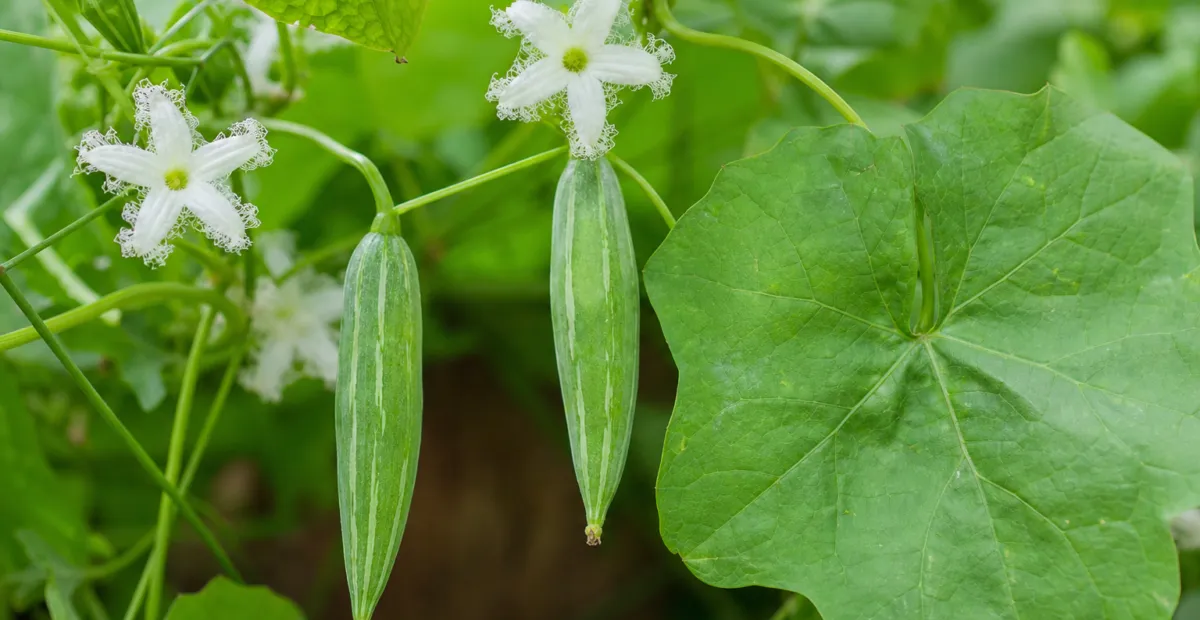
 AI-generated illustration
Pointed Gourd (Trichosanthes dioica) short overview
Pointed Gourd (Trichosanthes dioica) is a warm-climate, perennial climbing vine in the cucumber family. Native from the Indian subcontinent to Myanmar, it is grown mainly for its slender green fruits, harvested while immature and used as a vegetable. Plants are typically dioecious, so male and female vines may be needed for fruit production. In the United States, it is best grown as a seasonal crop or protected container plant with full sun, rich soil, reliable moisture, and a long frost-free season.
Taxonomic classification
Pointed Gourd (Trichosanthes dioica) care guide
Light and placement
Give full sun, ideally 8 or more hours of direct light, with a south- or southwest-facing trellis or wall in the United States. Too little light causes thin, weak vines, reduced flowering, and poor fruit set. Excessive heat is usually less damaging than cold, but reflected heat combined with drought can scorch leaves; maintain even moisture and some airflow.
Watering and humidity
Water deeply when the top inch of soil begins to dry, keeping the root zone consistently moist during active growth and fruit development. Container plants may need frequent watering in hot weather. Reduce watering after seasonal dieback or when plants are overwintered cool, but never allow stored cuttings or dormant crowns to remain saturated.
Soil and growing medium
Use fertile, moisture-retentive but well-drained loam amended with mature compost. Avoid compacted or poorly drained soil, which can damage the roots and encourage disease. A slightly acidic to neutral reaction is suitable; a soil test is preferable before applying lime or other pH amendments.
Feeding
Before planting, incorporate finished compost or a balanced slow-release fertilizer according to a soil test. Feed lightly during active vine growth and again after fruit set if plants remain pale or weak. Avoid excessive nitrogen, which can produce lush foliage with poor flowering and fruiting. Do not fertilize drought-stressed, diseased, or dormant plants.
Growth and habit
A vigorous, twining vine that needs vertical support and a long period of warmth. Training the stems upward improves airflow, keeps fruit clean, and makes harvesting easier. Because the plant is dioecious, maintain compatible male and female plants when fruit production is desired. Growth slows rapidly with cool nights or root restriction.
Planting and repotting
Plant outdoors only after nights are reliably warm and soil temperatures have risen; in much of the United States this means late spring or early summer. Set rooted cuttings at the original soil level, provide a strong trellis immediately, and keep the root zone evenly moist while new growth establishes.
Move container plants into a larger pot when roots fill the mix or growth stalls. Repot during active warm-season growth using a sturdy container, fresh fertile mix, and a trellis installed at the same time. Minimize root disturbance and water thoroughly after transplanting.
Propagation and pruning
Propagation
Commercial and traditional production commonly uses rooted vine cuttings or layering because seed germination can be poor and seedlings do not reliably reveal sex before flowering. Take healthy cuttings during active warm growth, root them in a sterile, free-draining medium, and keep humidity elevated until roots form.
Pruning
Guide young shoots onto the trellis and remove weak, damaged, or crowded growth to improve airflow. After harvest or at the end of the warm season, cut back spent vines in frost-free climates. In colder regions, take fresh cuttings before frost rather than relying on outdoor overwintering.
Overwintering
Protect from all frost. In Zones 10–12, mulch the root area and reduce watering during cooler or drier periods. Elsewhere, grow in a container or take rooted cuttings before frost and overwinter them in a warm greenhouse or bright indoor location. Resume stronger watering and feeding only when active growth returns.
Uses
Primarily grown as a vegetable for immature fruits, which are commonly cooked in South Asian cuisines. It can also be trained on a trellis as a productive warm-climate edible vine. In the United States, production is most realistic in tropical and subtropical regions or in a greenhouse. Treat culinary use as cultivar- and maturity-dependent, and never consume material that is bitter or incorrectly identified.
Appearance
Pointed Gourd has slender twining stems, tendrils, and green leaves that are commonly angular or shallowly lobed. Separate male and female flowers occur on different vines. The characteristic fruit is smooth, elongated, and pointed at both ends, usually green and sometimes marked with pale striping.
Flowering
This species is dioecious, producing separate male and female flowers on different plants. Small pale flowers develop on vigorous vines during warm conditions. Female flowers must be pollinated to produce fruit; flowering and fruit set decline sharply with cool temperatures or inadequate light.
Pollination and visitors
Flowers require animal-mediated transfer between male and female plants for fruit production, but the principal visitor groups for this exact species are not sufficiently documented in the reviewed sources. Avoid presenting generic cucurbit visitors as confirmed species-specific pollinators.
Trichosanthes dioica photos
Click any photo for a larger view. Source, author and license are shown separately.
Diseases and pests
Diseases
Reduce disease pressure with good air circulation, trellising, clean tools, and watering at the soil surface rather than over the foliage. Watch for powdery mildew, downy mildew, anthracnose, and soil-borne rots. Remove badly infected leaves, avoid working among wet plants, and use locally approved treatments only when diagnosis is clear.
Pests
Monitor for aphids, whiteflies, spider mites, cucumber beetles, fruit flies, and caterpillars. Inspect leaf undersides regularly, remove heavily infested tissue, use insect exclusion where practical, and encourage beneficial insects. Harvest fruit promptly and dispose of fallen or damaged fruit to reduce pest breeding.
Related diseases and pests
Only Plant Doctor profiles whose host data indicate this plant may be affected are shown here.
 DiseaseCucurbit AnthracnoseColletotrichum orbiculare
 DiseaseAnthracnoseColletotrichum gloeosporioides
 DiseaseMaple powdery mildewSawadaea bicornis
 DiseaseCucurbit Downy MildewPseudoperonospora cubensis (Berk. & M.A. Curtis) Rostovzev
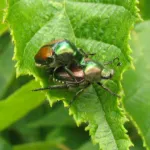 PestJapanese beetlePopillia japonica
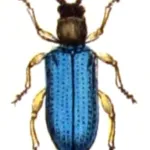 PestCereal leaf beetleOulema melanopus
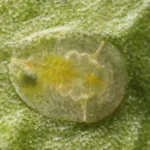 PestCitrus whiteflyDialeurodes citri
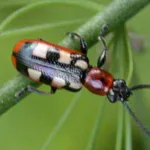 PestAsparagus BeetleCrioceris asparagi
Toxicity and pollen
The immature fruit is widely cultivated and eaten as a vegetable, but published evidence also reports cucurbitacin compounds in the species and emphasizes that toxicity requires further study. Do not eat unknown, unusually bitter, damaged, or overripe material, and do not use medicinal preparations without qualified guidance. Contact a poison center or clinician after concerning exposure.
- Pollination / pollen
- Insect-dispersed pollen
This is a flowering, insect-pollinated cucurbit, but reliable U.S. data on airborne pollen counts and clinical allergy significance for this exact species are not established. Avoid assuming that insect pollination eliminates allergy risk; sensitive gardeners should limit direct exposure during flowering.
Native habitat
The species is native from the Indian subcontinent to Myanmar and occurs in warm tropical or seasonally dry tropical environments. It favors sunny sites, fertile soils, and dependable moisture during active growth, while established plants may experience a drier rest period. It has little practical outdoor frost tolerance in the United States.
Interesting fact
The species is dioecious, so male and female flowers occur on separate plants. Its immature fruits are a traditional vegetable in South Asian cuisine. Seed propagation can be unreliable and does not provide an easy early way to determine plant sex. The vine is adapted to seasonally dry tropical climates but performs best with regular moisture during production.
Frequently asked questions (FAQ)
The most relevant questions about this plant, with short and direct answers.
🌱Quick care
What is Pointed Gourd (Trichosanthes dioica)?⌄
Pointed Gourd is a frost-tender, perennial tropical vine in the cucumber family, Cucurbitaceae. It is grown primarily for its edible immature green fruits and is native to the Indian subcontinent and nearby parts of tropical Asia.
🌤️Environment and placement
How much sun does Pointed Gourd need?⌄
Pointed Gourd needs full sun, ideally at least 6–8 hours of direct light daily. Strong light supports vigorous vines, flowering, and fruit production.
Can Pointed Gourd grow outdoors in the United States?⌄
Pointed Gourd can grow outdoors in warm parts of the United States, especially where the growing season is long and frost-free. In cooler regions, grow it as a seasonal vine or overwinter the roots or container plant indoors.
What USDA hardiness zones are suitable for Pointed Gourd?⌄
Pointed Gourd is best suited to frost-free tropical and subtropical conditions, roughly comparable to USDA Zones 10–12. Gardeners in colder zones should provide a warm summer location and protect it from frost.
💧Care and problems
Can Pointed Gourd survive frost?⌄
No, Pointed Gourd is frost tender and may be seriously damaged or killed by freezing temperatures. Move container plants indoors or protect the crown before the first frost.
How often should I water Pointed Gourd?⌄
Water Pointed Gourd whenever the soil surface begins to dry, keeping the root zone consistently moist. Increase watering during hot, dry weather, but avoid saturated soil that can promote root problems.
How large does a Pointed Gourd vine get?⌄
Pointed Gourd produces long, vigorous climbing stems that can spread several yards when supported. Pruning and trellising help keep the plant manageable in a home garden or large container.
When is Pointed Gourd ready to harvest?⌄
Harvest Pointed Gourd while the fruits are young, green, firm, and still immature, before the seeds harden. Frequent harvesting encourages continued production and generally gives the best eating quality.
What pests commonly affect Pointed Gourd?⌄
Pointed Gourd can be affected by common cucurbit pests such as aphids, whiteflies, beetles, caterpillars, and spider mites. Inspect new growth and leaf undersides regularly, and use physical removal or appropriately labeled controls when needed.
What diseases can affect Pointed Gourd?⌄
Pointed Gourd may develop fungal or bacterial diseases when foliage stays wet, air circulation is poor, or soil drainage is inadequate. Space vines well, water at the soil line, remove diseased tissue, and avoid working among wet plants.
Why are Pointed Gourd leaves turning yellow?⌄
Yellow leaves may result from overwatering, poor drainage, nutrient deficiency, pest feeding, or normal aging of older foliage. Check soil moisture and roots first, then inspect leaves and stems for insects or disease symptoms.
Can Pointed Gourd be overwintered indoors?⌄
Yes, container-grown Pointed Gourd can be overwintered indoors in a bright, warm location before frost. Reduce watering while growth slows, prune the vine if needed, and return it outdoors only after temperatures are reliably warm.
Does Pointed Gourd come back every year?⌄
In frost-free climates, Pointed Gourd can behave as a perennial and regrow from established roots. In freezing climates, the aboveground vine usually dies back and survival depends on protecting the roots or bringing a container plant indoors.
🪴Planting and repotting
What soil is best for Pointed Gourd?⌄
Use fertile, well-drained loam enriched with compost or other organic matter. The soil should hold steady moisture without remaining waterlogged around the roots.
Does Pointed Gourd need a trellis?⌄
Yes, Pointed Gourd grows best with a sturdy trellis, fence, arbor, or other support. Its climbing stems can become heavy when carrying fruit, so use a structure that is several feet tall and securely anchored.
When should I plant Pointed Gourd?⌄
Plant Pointed Gourd outdoors after the danger of frost has passed and the soil has warmed, preferably when nighttime temperatures remain consistently above about 60°F. In short-season areas, start plants indoors several weeks earlier.
Can Pointed Gourd be grown in a container?⌄
Yes, Pointed Gourd can be grown in a large container with fertile, well-drained potting mix and a strong trellis. Choose a container of at least 15–20 gallons to accommodate its vigorous roots and vine growth.
✂️Propagation and pruning
How do you propagate Pointed Gourd?⌄
Pointed Gourd is commonly propagated from stem cuttings or rootstock divisions, while seed propagation is possible but less reliable for preserving desirable plant traits. Use healthy, mature material and keep it warm and evenly moist while roots develop.
Can Pointed Gourd be grown from seed?⌄
Yes, Pointed Gourd can be grown from seed, but germination and plant sex may be variable. Seedlings need warmth, bright light, and protection from cool temperatures during establishment.
How do I prune Pointed Gourd?⌄
Prune Pointed Gourd by removing weak, damaged, overcrowded, or unwanted stems and directing vigorous growth across the trellis. Avoid removing so much healthy foliage that developing fruits become exposed to intense sun.
⚠️Toxicity and safety
Can you eat Pointed Gourd raw?⌄
Pointed Gourd is commonly cooked as an immature vegetable rather than eaten raw. Remove any fruit that has an unusually strong bitter taste, because bitterness can indicate elevated cucurbitacins.
Is Pointed Gourd poisonous?⌄
The immature fruits are traditionally eaten as a vegetable, but the plant’s safety is not completely uniform across all parts, growth stages, or individual fruits. Do not eat fruits or plant parts that are intensely bitter, and avoid using unverified medicinal preparations.
What should I do if Pointed Gourd tastes very bitter?⌄
Discard intensely bitter Pointed Gourd and do not try to mask the flavor by cooking it. Strong bitterness may indicate elevated cucurbitacins, which can cause gastrointestinal illness and make the fruit unsafe to eat.
Are Pointed Gourd leaves and seeds edible?⌄
The immature fruits are the best-documented edible portion, while the safety of leaves, seeds, roots, and other parts is less certain for routine home consumption. Avoid eating non-fruit parts unless you have reliable botanical and culinary guidance.
Is Pointed Gourd safe for pets?⌄
Pointed Gourd should be treated cautiously around pets because the toxicity of all plant parts is not well established and bitter cucurbitacins may be harmful. Prevent pets from chewing the vine or eating unripe, ripe, or unusually bitter fruits.
🌸Flowering and special interest
Does Pointed Gourd need male and female plants?⌄
Yes, Pointed Gourd is generally dioecious, meaning male and female flowers occur on separate plants. To obtain fruit, grow a compatible male plant near female plants or use a known productive planting with both sexes.
How can I tell male and female Pointed Gourd flowers apart?⌄
Female flowers have a small swelling behind the blossom that develops into a fruit, while male flowers are borne on slender stalks without that swelling. Hand-pollination may help when few pollinators or male flowers are present.
Why is my Pointed Gourd flowering but not producing fruit?⌄
Poor fruit set usually results from a missing male plant, inadequate pollination, heat or moisture stress, or insufficient pollinator activity. Check the flowers for male and female plants and hand-pollinate early in the day if necessary.
Why is my Pointed Gourd vine growing but not fruiting?⌄
A vine may grow vigorously without fruiting when it lacks a compatible male plant, receives inadequate pollination, or is stressed by cool temperatures, drought, or excessive nitrogen. Provide warmth, steady moisture, balanced fertility, and suitable pollination partners.
Similar plants
 Azure Monkshood (Aconitum carmichaelii) care guideAconitum carmichaelii
 Monkshood (Aconitum ‘Stainless Steel’)Aconitum 'Stainless Steel'
 Monkshood (Aconitum ‘Bressingham Spire’)Aconitum 'Bressingham Spire'
 Golden full moon maple (Acer shirasawanum ‘Aureum’)Acer shirasawanum 'Aureum'
 Globosum (Acer platanoides ‘Globosum’)Acer platanoides 'Globosum'
 Striped maple (Acer pensylvanicum) care guideAcer pensylvanicum