
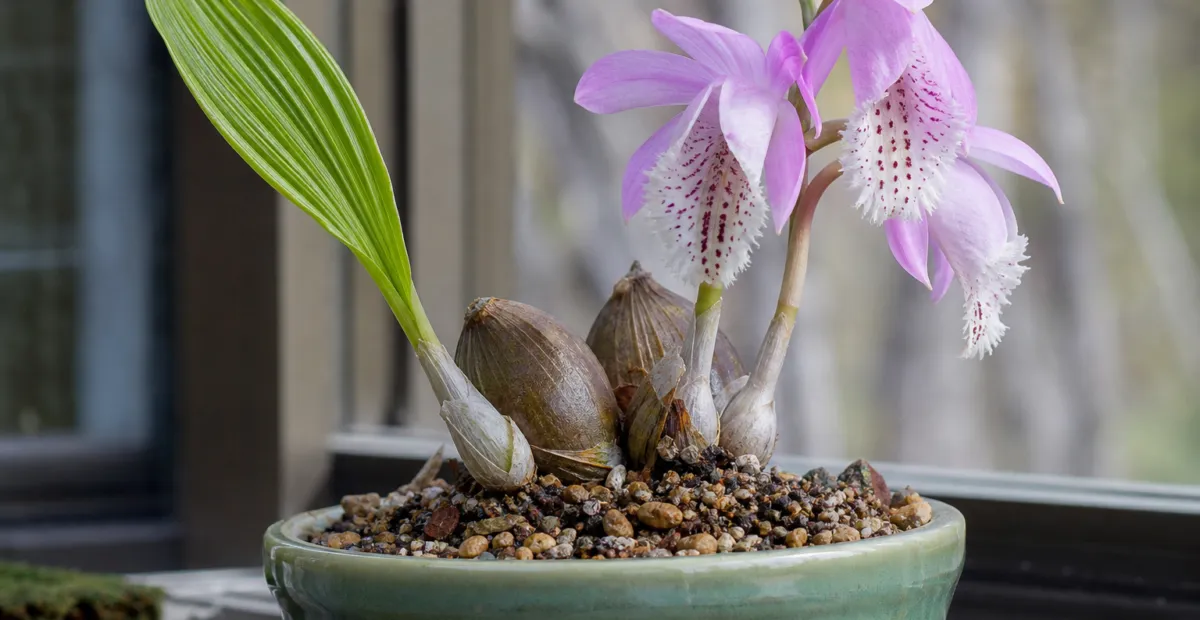
 AI-generated illustration
Windowsill Orchid (Pleione formosana) short overview
Windowsill Orchid, Pleione formosana, is a compact deciduous orchid from southeastern China and northern and central Taiwan. Its rounded pseudobulbs produce delicate pink spring flowers, often marked with white and deep purple-brown on the lip, before or around the emergence of a single pleated leaf. It is best grown in a cool, bright location with excellent drainage, seasonal watering, and a distinctly drier winter rest.
Taxonomic classification
Windowsill Orchid (Pleione formosana) care guide
Light and placement
Provide bright filtered light or gentle morning sun, such as an east-facing window, bright north-facing window, or shaded outdoor position. Protect leaves and flowers from intense afternoon sun, which can bleach foliage and scorch blooms. Very dark placement produces weak, stretched growth and poor flowering. Good air movement is useful, especially in humid conditions.
Watering and humidity
Water thoroughly when the potting mix is approaching dryness, then allow excess water to drain completely. Keep the mix more evenly moist while roots, leaves, and pseudobulbs are developing in spring and summer, but never leave the pot standing in water. Reduce watering as foliage yellows and dies back; keep dormant pseudobulbs almost dry, with only occasional moisture if they shrivel severely.
Soil and growing medium
Use an open, sharply draining orchid substrate based on fine to medium bark, with additions such as perlite, pumice, or chopped sphagnum as needed. The medium should hold some moisture during active growth but contain abundant air spaces. A slightly acidic to neutral reaction is suitable. Dense garden soil and waterlogged compost can quickly damage the roots and pseudobulbs.
Feeding
Begin feeding when new roots and leaves are actively growing. Apply a balanced orchid fertilizer at about one-quarter to one-half the label strength every two to four weeks, or use a lightly charged slow-release approach suited to orchids. Stop feeding as growth finishes and the plant enters dormancy. Do not fertilize a dry, dormant, recently divided, or visibly stressed plant.
Growth and habit
This orchid grows from rounded pseudobulbs in a seasonal cycle. New growth may flower before the single pleated leaf fully expands, followed by summer leaf growth and pseudobulb development. Older pseudobulbs gradually form clumps, so cultivation is often easiest when several growths are maintained together rather than separated annually.
Planting and repotting
Use a shallow pot or protected woodland-style planting pocket with excellent drainage. Place pseudobulbs close together but leave their upper portions above the medium. Water lightly at first, then increase moisture as roots and leaves begin active growth. In the ground, choose a sheltered site protected from winter saturation and severe cold.
Repot when the medium breaks down, drainage declines, or the clump has outgrown its shallow container. The best timing is late winter or the beginning of spring dormancy break, before vigorous root growth. Handle pseudobulbs gently, remove only dead roots and old compacted medium, and use a clean, free-draining orchid mix.
Propagation and pruning
Propagation
The practical method is division of established clumps during dormancy or just before spring growth, keeping several firm pseudobulbs together whenever possible. Seed propagation requires orchid-specific sterile culture and is generally a specialist method because seedlings depend on suitable fungal or laboratory support.
Pruning
Remove spent flower stems after flowering if seed is not desired. Allow the leaf to yellow and die back naturally so nutrients can return to the pseudobulb. Do not cut green leaves or remove firm dormant pseudobulbs. Clear dead material from the pot or planting area to reduce hiding places for pests and fungal problems.
Overwintering
Give the plant a cool, frost-protected rest after the leaf dies back. Keep dormant pseudobulbs nearly dry and shield them from prolonged rain, soggy compost, and hard freezes. In much of the United States, containers are safest in an unheated garage, cold frame, sheltered porch, or cool room with bright indirect light; resume watering when new growth begins.
Uses
Primarily an ornamental orchid for cool windowsills, alpine or woodland gardens, sheltered rock gardens, and specialty containers. Its compact seasonal habit makes it useful for small collections and spring display. It is not supported here as a culinary or medicinal plant.
Appearance
The plant has short, rounded to ovoid pseudobulbs, each typically producing one pleated, lance-shaped green leaf. Flowers arise on short stems close to the pseudobulbs, giving the plant a refined, miniature woodland-orchid appearance. The lip is usually broad and fringed, with conspicuous darker markings that help distinguish the species from plain-flowered forms.
Flowering
The flowers are produced in spring from mature pseudobulbs, commonly before the new leaf has fully expanded. Individual blooms have pink tepals and a prominent, fringed lip that is often pale or white with darker markings. Flowering is strongest when the plant receives a cool dormant period followed by bright spring light and careful rewatering.
Pollination and visitors
Reliable species-specific pollinator observations were not located in the reviewed sources. The flower is structurally adapted for orchid pollination, but a particular bee, bumblebee, butterfly, moth, or other visitor cannot be assigned confidently without stronger documentation.
Pleione formosana photos
Click any photo for a larger view. Source, author and license are shown separately.
Diseases and pests
Diseases
The main preventive measures are excellent drainage, clean pots, careful watering, and good air circulation. Excess moisture during dormancy can cause pseudobulb or root rot. Remove soft or collapsing tissue promptly with sterile tools and repot into fresh, dry, open medium. Avoid routinely wetting flowers and foliage late in the day.
Pests
Watch for aphids on flower stems and new growth, and for slugs or snails outdoors, especially in damp woodland settings. Inspect pseudobulbs and leaf undersides regularly. Hand-pick slugs and snails or use a wildlife-conscious control appropriate for the site; dislodge small sap-feeders with water and use labeled insecticidal soap only when necessary.
Related diseases and pests
Only Plant Doctor profiles whose host data indicate this plant may be affected are shown here.
 DiseaseRhizopus soft rotRhizopus stolonifer
 DiseaseBacterial soft rotPectobacterium carotovorum
 DiseaseRhabdocline Needle Cast of Douglas-FirRhabdocline pseudotsugae
 DiseasePseudomonas viridiflava bacterial blightPseudomonas viridiflava
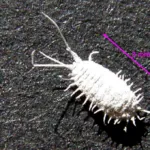 PestObscure mealybugPseudococcus viburni
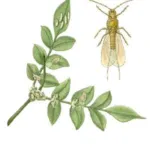 PestLong-tailed mealybugPseudococcus longispinus
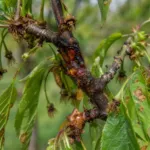 DiseaseBacterial blight and cankerPseudomonas syringae pv. syringae
 DiseaseOlive Knot DiseasePseudomonas savastanoi pv. savastanoi
Toxicity and pollen
A reliable species-specific toxicity assessment for Pleione formosana was not identified in the reviewed sources. Do not assume that an orchid is edible or harmless simply because it is ornamental. Prevent children and pets from chewing pseudobulbs, leaves, flowers, or potting material, and contact a poison-control or veterinary service if ingestion causes symptoms.
- Typical season
- Spring bloom period
- Pollination / pollen
- Orchid pollen packaged in pollinia; airborne behavior for this species is not well documented
Pleione orchids produce pollinia rather than loose, freely airborne pollen typical of many wind-pollinated plants. However, species-specific airborne allergen and occupational-sensitization evidence for Pleione formosana is limited, so a zero-risk claim is not justified. People with known orchid or pollen sensitivity should avoid handling flowers closely and wash hands afterward.
Native habitat
In nature, this orchid occurs in temperate montane environments of southeastern China and Taiwan. It may grow terrestrially among humus, leaf litter, moss, and well-drained woodland materials, with seasonal moisture during active growth and a cooler, comparatively dry dormant period. Its epiphytic or terrestrial classification can vary within the genus, but this species is commonly cultivated as a terrestrial orchid.
Interesting fact
The specific epithet formosana refers to Formosa, a historical name for Taiwan. Pleione formosana is among the most widely cultivated members of its genus and is associated with the common name Windowsill Orchid. Its spring flowers may appear before the pleated leaf, and the pseudobulbs provide the storage organ that supports the dormant season.
Frequently asked questions (FAQ)
The most relevant questions about this plant, with short and direct answers.
🌱Quick care
What is Pleione formosana commonly called in the United States?⌄
Pleione formosana is commonly called the Windowsill Orchid. It is a deciduous terrestrial orchid from southeastern China and Taiwan.
How do you care for a Windowsill Orchid?⌄
Give it bright filtered light, a well-drained orchid mix, moderate water during active growth, and a cool, dry winter dormancy. Protect the pseudobulbs from hard freezes and prolonged winter wet.
🌤️Environment and placement
Is Pleione formosana an indoor or outdoor orchid?⌄
Pleione formosana can be grown indoors in a shallow container or outdoors in a sheltered, partially shaded location. In the United States, container culture is safer where winters bring hard freezes or persistent rain.
How much light does a Windowsill Orchid need?⌄
Provide bright filtered light or partial shade. An east- or west-facing window is usually suitable indoors, while harsh direct afternoon sun can scorch the leaves.
Can Pleione formosana grow on a windowsill?⌄
Yes, Pleione formosana is well suited to a bright, cool windowsill. Keep it near a window with filtered light and away from hot glass, heaters, and warm, stagnant air.
What temperatures does Pleione formosana prefer?⌄
It prefers cool to intermediate conditions during growth and a cool, mostly dry winter rest. Protect it from hard freezes, freezing wind, and sudden temperature extremes, especially when flower buds are emerging.
Can Pleione formosana survive frost?⌄
It may tolerate light frost when fully dormant, but hard freezes are risky. Keep dormant pseudobulbs cold but protected, and prevent winter rain or melting snow from keeping the potting mix wet.
What USDA zones can grow Windowsill Orchid outdoors?⌄
Outdoor success depends on winter protection, drainage, and local exposure rather than a single universal zone rating. In colder parts of the United States, grow it in a container that can be moved to a frost-protected, cool location.
💧Care and problems
How often should you water Pleione formosana?⌄
Water moderately while leaves and roots are actively growing, allowing excess water to drain freely. As the foliage yellows and falls in autumn, reduce watering and keep the plant nearly dry throughout dormancy.
When should you stop watering a Windowsill Orchid?⌄
Stop regular watering as the leaves yellow and drop in fall. Resume light watering only when new growth begins in late winter or spring and roots are starting to develop.
Should Pleione formosana be kept dry in winter?⌄
Yes, the dormant pseudobulbs should be kept almost completely dry during winter. Cold, wet conditions are more likely to cause rot than a dry winter rest.
Why are the leaves of my Pleione formosana turning yellow?⌄
Yellowing leaves are usually normal in autumn because Pleione formosana is deciduous and enters dormancy. If yellowing occurs during active growth, check for overwatering, poor drainage, root damage, or inadequate light.
Why is my Windowsill Orchid not growing?⌄
A dormant plant may naturally remain inactive until late winter or spring. If growth does not resume during the expected growing season, inspect the pseudobulb for rot, provide bright filtered light, and verify that the mix is not staying wet.
Why is Pleione formosana rotting?⌄
Rot is most often associated with waterlogged media, poor drainage, or watering during dormancy. Use an open, well-drained orchid mix and keep the dormant pseudobulbs dry while maintaining protection from freezing temperatures.
Does Pleione formosana need fertilizer?⌄
It can benefit from a diluted orchid fertilizer during active leaf and root growth. Fertilize only when the plant is growing and stop as it enters dormancy.
🪴Planting and repotting
What potting mix is best for a Windowsill Orchid?⌄
Use a loose, sharply draining terrestrial orchid mix containing materials such as fine bark, sphagnum, perlite, or leaf-based organic matter. The mix should retain some moisture during summer but never remain soggy.
What type of pot does Pleione formosana need?⌄
A shallow pot, bulb pan, or similarly low container is appropriate because Pleione has shallow roots and pseudobulbs. Choose a container with ample drainage holes and avoid oversized pots that stay wet too long.
When should you repot Pleione formosana?⌄
Repot it during winter dormancy, before active spring growth begins. This is also the best time to remove old media, inspect the pseudobulbs, and divide crowded clumps.
How deep should you plant Pleione formosana pseudobulbs?⌄
Set the pseudobulbs on or only slightly into the surface of the mix rather than burying them deeply. Deep planting can trap moisture around the bulb and increase the risk of rot.
Can Pleione formosana be planted in the ground?⌄
Yes, it can be grown in the ground in a sheltered, partially shaded site with sharply drained, humus-rich soil. Container culture is preferable where winter wet, hard freezes, or poorly drained soil are concerns.
✂️Propagation and pruning
How do you propagate a Windowsill Orchid?⌄
Propagate Pleione formosana primarily by dividing mature pseudobulbs during winter dormancy. Replant healthy divisions shallowly and begin light watering when new growth and roots appear.
Can Pleione formosana be grown from seed?⌄
It can be grown from seed, but orchid seed requires specialized sterile culture and is not a practical home-propagation method. Division of pseudobulbs is much more accessible for gardeners.
Does Pleione formosana need pruning?⌄
No routine pruning is required. Remove only dead leaves or spent material once it has naturally dried, taking care not to injure the pseudobulb.
⚠️Toxicity and safety
Is Pleione formosana toxic to cats, dogs, or people?⌄
The toxicity of Pleione formosana is not established. Keep it away from children and pets that chew plants, and contact a veterinarian or poison-control service if plant material is ingested and symptoms occur.
🌸Flowering and special interest
When does Pleione formosana bloom?⌄
Pleione formosana typically blooms in spring, often before or around the emergence of its new leaves. Flowers are large relative to the plant and may be pale pink, rose, or nearly white with a marked lip.
How often does a Windowsill Orchid flower?⌄
A mature, healthy pseudobulb generally flowers once each growing cycle, usually in spring. Flowering depends on pseudobulb size, adequate summer growth, and a proper cool, dry dormancy.
Why is my Pleione formosana not flowering?⌄
Failure to bloom can result from an immature or undersized pseudobulb, insufficient light, weak summer growth, or an inadequate winter rest. Avoid heavy watering during dormancy and provide bright filtered light during growth.
Should I remove Pleione formosana flowers after they fade?⌄
Remove faded flowers if you want to improve appearance, but no special pruning is necessary. Leave healthy leaves in place so they can produce energy for the next pseudobulb and flowering season.
Similar plants
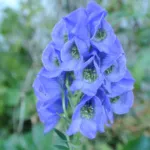 Azure Monkshood (Aconitum carmichaelii) care guideAconitum carmichaelii
 Monkshood (Aconitum ‘Stainless Steel’)Aconitum 'Stainless Steel'
 Monkshood (Aconitum ‘Bressingham Spire’)Aconitum 'Bressingham Spire'
 Golden full moon maple (Acer shirasawanum ‘Aureum’)Acer shirasawanum 'Aureum'
 Globosum (Acer platanoides ‘Globosum’)Acer platanoides 'Globosum'
 Striped maple (Acer pensylvanicum) care guideAcer pensylvanicum