
 Source:
 Parodia leninghausii short overview
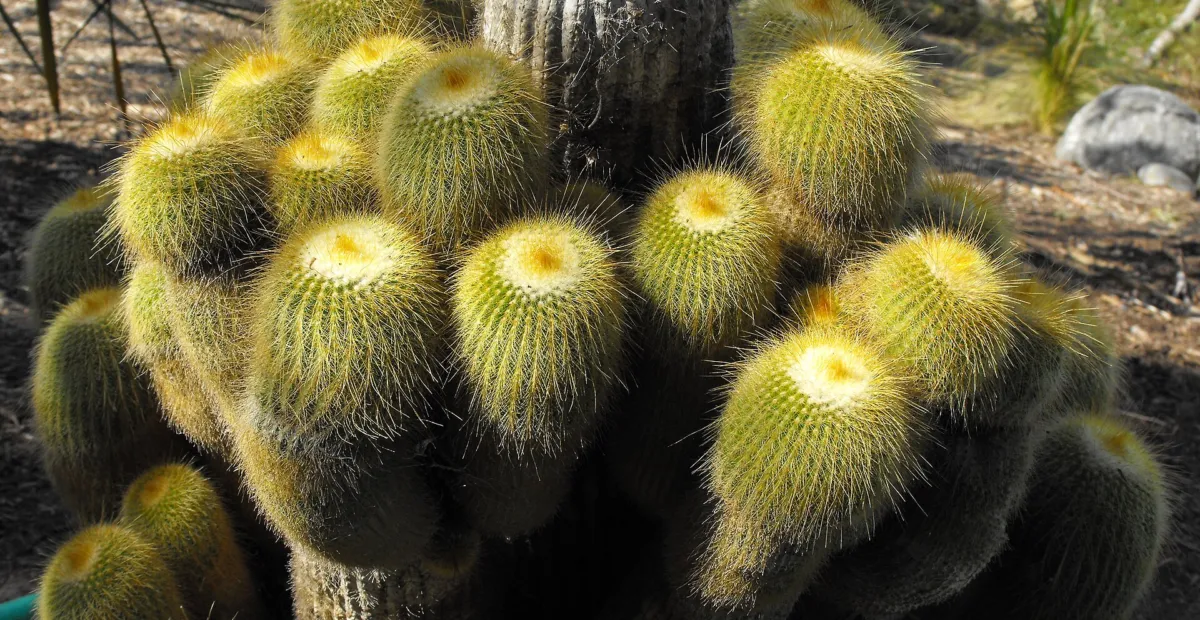
Parodia leninghausii is an upright, slow-growing cactus from Rio Grande do Sul in southern Brazil. Its ribbed green stems gradually become columnar and are cloaked in dense golden bristles, creating a striking architectural silhouette. Mature plants can produce satiny yellow flowers near the crown in summer. In the United States, it is most reliably grown as a container plant with strong light, porous soil, careful watering, and a cool, dry winter rest.
Taxonomic classification
Parodia leninghausii care guide
Light and placement
Provide several hours of direct sun daily, ideally in a south- or west-facing window or a bright greenhouse. Acclimate gradually after purchase or indoor wintering to prevent scorch. Too little light produces elongated, weak growth and fewer flowers; excessive abrupt sun can bleach or brown the surface, especially behind hot glass.
Watering and humidity
During spring and summer, soak the mix thoroughly, then wait until it is completely dry before watering again. Reduce frequency in fall and keep the plant nearly dry during a cool winter rest. Never leave the pot standing in water. Good airflow matters more than elevated humidity, because damp roots encourage rot.
Soil and growing medium
Use a porous cactus mix amended with pumice, perlite, coarse grit, or similar mineral material. The substrate should drain rapidly and dry between waterings. A mildly acidic to mildly alkaline reaction is tolerated; avoid dense, peat-heavy soil that stays wet around the roots.
Feeding
Feed only during active spring and summer growth, using a diluted, low-nitrogen cactus fertilizer according to the product label. One or two light applications are usually sufficient. Do not fertilize newly repotted plants, stressed plants, or plants kept cool and dry for winter.
Growth and habit
This slow-growing cactus begins relatively rounded or short-columnar and can become taller and more upright with age. It may produce basal offsets, eventually forming a cluster. Strong light helps maintain compact growth and supports flowering; weak light causes elongation and a greener, less densely spined appearance.
Planting and repotting
Plant outdoors only where winter temperatures remain reliably mild and drainage is excellent. Set the root ball at its original depth, never burying the stem. Establish in bright shade before increasing sun, and leave enough room for offsets to develop.
Repot in spring or early summer, using gloves, folded newspaper, or cactus tongs to protect the stem and bristles. Move up only one pot size and replace compacted or water-retentive mix. Allow damaged roots to dry for several days before watering.
Propagation and pruning
Propagation
Sow fresh seed in a sterile, gritty medium in spring or early summer with warmth and bright filtered light. Offsets can be separated when they have formed roots; let wounds callus before planting into dry mix. Seed propagation is slower but maintains genetic diversity.
Pruning
Routine pruning is unnecessary. Remove dead flowers or damaged offsets with a sterile tool only when needed, allowing cut surfaces to dry before exposure to moisture. Avoid cutting healthy stems merely to control height; use repotting or propagation if the plant becomes crowded.
Overwintering
Bring containers indoors before freezing weather. Keep the plant in the brightest available position at roughly 45–55°F, with little or no water while it is cool. Resume watering gradually in spring when temperatures and light increase. Avoid placing it beside a cold, wet window or in a humid, poorly ventilated room.
Uses
Primarily valued as an ornamental specimen for containers, cactus collections, sunny windows, conservatories, and sheltered rock-garden displays in warm climates. Its upright golden-spined form provides year-round structure. It is not supported here as an edible or medicinal plant.
Appearance
The stem is green, ribbed, and usually upright, with areoles densely clothed in fine golden-yellow bristles. The overall surface appears softly golden from a distance, while the plant retains a distinctly columnar cactus structure. Yellow flowers arise near the top of mature stems.
Flowering
Mature plants produce yellow, funnel-shaped flowers near the crown, generally during summer and sometimes into early fall in cultivation. Flowering is more likely after a bright growing season followed by a cool, dry winter rest; young or etiolated plants may not bloom.
Pollination and visitors
The flowers are insect-pollinated in general cactus biology, but reliable species-specific records identifying the principal animal visitors to Parodia leninghausii were not found. Do not treat the plant as a documented pollinator-garden species without local observations.
Parodia leninghausii photos
Click any photo for a larger view. Source, author and license are shown separately.
Diseases and pests
Diseases
The principal risk is root or basal rot from cold, wet media. Use a fast-draining substrate, water only after thorough drying, and isolate plants showing soft, darkened tissue. Remove affected tissue with a sterile blade only when the damage is localized; severe rot may be fatal.
Pests
Watch for mealybugs, scale, and spider mites, especially in dry indoor conditions. Inspect areoles and the root collar regularly. Remove small infestations with a cotton swab and rubbing alcohol used carefully; improve airflow and treat persistent problems with a product labeled for cacti, following the label.
Related diseases and pests
Only Plant Doctor profiles whose host data indicate this plant may be affected are shown here.
 PestCotton mealybugPhenacoccus solenopsis Tinsley
 DiseaseRhizopus soft rotRhizopus stolonifer
 DiseaseBacterial soft rotPectobacterium carotovorum
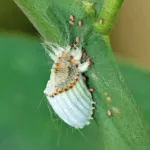 PestCottony Cushion ScaleIcerya purchasi
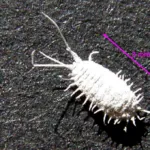 PestObscure mealybugPseudococcus viburni
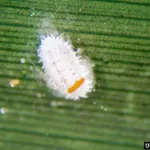 PestCitrus mealybugPlanococcus citri
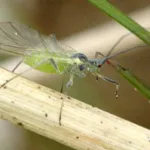 PestGreen Peach AphidMyzus persicae
Toxicity and pollen
No species-specific poisonous compound or authoritative human-toxicity warning was located in the sources checked. The main practical hazard is mechanical injury from dense spines; handle with protection and keep away from children and pets that may chew or brush against it.
- Typical season
- No documented United States airborne-pollen season specific to this cactus
- Pollination / pollen
- Heavy, insect-associated pollen; limited airborne dispersal
This is an insect-pollinated flowering cactus, and its pollen is not generally described as a significant airborne allergen. However, species-specific clinical allergy data are limited, so a zero-risk claim would be unjustified. Flowers and pollen are typically confined to the plant rather than dispersed broadly by wind.
Native habitat
The species is native to Rio Grande do Sul in southern Brazil, where it occurs in a seasonally dry climate. Natural populations are associated with open, well-drained settings rather than persistently wet soils. Container culture should imitate rapid drainage, pronounced wet–dry cycles, and a cooler dry season.
Interesting fact
The species is native to Rio Grande do Sul in southern Brazil. Older horticultural labels may use Notocactus leninghausii or Eriocactus leninghausii. Its golden bristles can make the stem look softly furred, but they are still spines. Kew lists the species as endangered in its conservation information.
Frequently asked questions (FAQ)
The most relevant questions about this plant, with short and direct answers.
🌱Quick care
How do you care for Parodia leninghausii indoors?⌄
Give Parodia leninghausii bright light, porous cactus soil, and water only when the mix has dried completely. Reduce watering substantially in winter and protect it from freezing temperatures.
How often should you water Parodia leninghausii?⌄
Water Parodia leninghausii thoroughly only after its soil has dried fully, then let excess water drain away. The exact interval varies with light, temperature, pot size, and humidity.
How much light does Parodia leninghausii need?⌄
Parodia leninghausii grows best in full sun to partial shade. Indoors, place it near a bright south- or west-facing window, while acclimating it gradually to intense direct sun.
Is Parodia leninghausii easy to grow?⌄
Yes, Parodia leninghausii is generally easy to grow when it receives strong light, fast drainage, and restrained watering. Overwatering and insufficient light are the most common causes of failure.
🌤️Environment and placement
Can Parodia leninghausii grow indoors?⌄
Yes, Parodia leninghausii grows well indoors in a bright, well-ventilated location. Use a pot with a drainage hole and keep it away from cold drafts and persistently humid areas.
Can Parodia leninghausii grow outside in the United States?⌄
Parodia leninghausii can grow outdoors in warm, dry locations when protected from prolonged rain and freezing weather. In colder parts of the United States, bring it indoors before temperatures approach freezing.
What USDA zones are suitable for Parodia leninghausii?⌄
Parodia leninghausii is best treated as a frost-sensitive cactus rather than a reliably hardy landscape plant. Outdoor suitability depends on local winter temperatures, drainage, and the protection available during cold spells.
Can Parodia leninghausii tolerate direct sunlight?⌄
Yes, established Parodia leninghausii can tolerate direct sunlight and usually benefits from it. Introduce plants gradually to strong sun to reduce the risk of sunburn.
What temperature is best for Parodia leninghausii?⌄
Parodia leninghausii prefers warm growing conditions during spring and summer and a cooler, drier rest in winter. Protect it from freezing temperatures, frost, and prolonged cold combined with wet soil.
What is the best soil for Parodia leninghausii?⌄
The best soil for Parodia leninghausii is a porous, sharply drained cactus mix with substantial mineral material. Avoid dense garden soil or mixes that remain wet for long periods.
💧Care and problems
Why is my Parodia leninghausii turning brown or black?⌄
Brown or black areas on Parodia leninghausii may indicate sunburn, physical damage, rot, or another stress problem. Check whether the tissue is soft and whether the soil stays wet; soft, spreading discoloration is especially concerning for rot.
Why is my Parodia leninghausii becoming pale or stretched?⌄
Pale, elongated growth usually means Parodia leninghausii is not receiving enough light. Move it gradually to a brighter position, although already stretched growth will not return to its original shape.
Why is my Parodia leninghausii soft?⌄
A soft Parodia leninghausii often signals overwatering or root and stem rot, especially when the soil remains damp. Stop watering, inspect the roots and lower stem, and remove affected tissue if rot is confirmed.
Does Parodia leninghausii need fertilizer?⌄
Parodia leninghausii can benefit from a diluted, low-nitrogen cactus fertilizer during active growth. Fertilize only when the plant is growing and never use fertilizer to compensate for poor light or wet soil.
Should Parodia leninghausii be watered in winter?⌄
Keep Parodia leninghausii nearly dry during winter, particularly in cool indoor conditions. A small drink may be appropriate only if the plant is warm, unusually dry, and showing genuine signs of dehydration.
How do you clean dust from Parodia leninghausii?⌄
Remove dust from Parodia leninghausii with a gentle stream of air or a soft brush used carefully around the spines. Avoid leaving the plant wet in cool or poorly ventilated conditions.
🪴Planting and repotting
When should you repot Parodia leninghausii?⌄
Repot Parodia leninghausii in spring or early summer, preferably when it begins active growth. Repot sooner if the soil is compacted, drainage is poor, roots are rotting, or the plant has clearly outgrown its container.
What type of pot is best for Parodia leninghausii?⌄
A pot with a drainage hole is essential for Parodia leninghausii, and unglazed terracotta can help the mix dry more quickly. Choose a container only slightly larger than the root system to limit excess moisture.
How do you repot Parodia leninghausii without getting stabbed?⌄
Handle Parodia leninghausii with thick gloves, folded newspaper, cardboard, or cactus tongs rather than bare hands. Let the plant and fresh mix settle after repotting, and delay watering briefly so damaged roots can dry.
Can Parodia leninghausii be planted in the ground?⌄
Parodia leninghausii can be planted in the ground only where winters are mild and the site has excellent drainage and protection from prolonged rain. Container growing is safer in regions with frost or wet winters.
✂️Propagation and pruning
How do you propagate Parodia leninghausii?⌄
Parodia leninghausii is primarily propagated from seed, while offsets can sometimes be rooted if the plant produces basal shoots. Seeds require warmth, light, moisture, and sterile, sharply drained conditions during germination.
Does Parodia leninghausii produce offsets?⌄
Mature Parodia leninghausii may produce basal offsets and can eventually form a small cluster. Allow a separated offset to callus before placing it in dry, well-drained cactus mix.
Can you grow Parodia leninghausii from cuttings?⌄
Cuttings are not the usual propagation method for Parodia leninghausii because its rounded or columnar stems are best left intact. If a stem section must be used after damage, let the cut surface callus fully before rooting it in dry mix.
Should you prune Parodia leninghausii?⌄
Parodia leninghausii normally does not need pruning. Remove only dead, damaged, or rotting tissue with a sterile tool, and allow any cut surface to dry before watering.
⚠️Toxicity and safety
Is Parodia leninghausii poisonous to cats or dogs?⌄
Parodia leninghausii has no well-documented poisonous status, but pets can still be injured by its spines or by chewing the plant. Keep it out of reach and contact a veterinarian if a pet has ingested plant material or suffered a puncture.
Is Parodia leninghausii safe to touch?⌄
Parodia leninghausii is not dangerous because of known toxins, but its dense golden spines can puncture skin and may be difficult to remove. Wear gloves and use a barrier when repotting or moving it.
Are the spines of Parodia leninghausii sharp?⌄
Yes, the golden spines of Parodia leninghausii can cause painful punctures even though they may look soft or bristly. Keep the plant away from children, pets, and high-traffic areas.
🌸Flowering and special interest
Does Parodia leninghausii flower?⌄
Yes, mature Parodia leninghausii can produce yellow, funnel-shaped flowers near the top of the stem. Young plants may not flower until they reach sufficient size and maturity.
When does Parodia leninghausii bloom?⌄
Parodia leninghausii typically blooms during the warmer growing season when it receives strong light and appropriate care. The exact timing varies with plant age, climate, winter rest, and growing conditions.
How can I make Parodia leninghausii bloom?⌄
Provide strong light, excellent drainage, active-season watering, and a cooler, drier winter rest to encourage Parodia leninghausii to bloom. Flowering is not guaranteed in young plants or plants that remain too dark, warm, or wet in winter.
Why is my Parodia leninghausii not flowering?⌄
A Parodia leninghausii may fail to flower because it is too young, receives insufficient light, or does not experience a distinct cool, dry winter rest. Excess fertilizer or continued winter watering can also reduce flowering potential.
Similar plants
 Azure Monkshood (Aconitum carmichaelii) care guideAconitum carmichaelii
 Monkshood (Aconitum ‘Stainless Steel’)Aconitum 'Stainless Steel'
 Monkshood (Aconitum ‘Bressingham Spire’)Aconitum 'Bressingham Spire'
 Golden full moon maple (Acer shirasawanum ‘Aureum’)Acer shirasawanum 'Aureum'
 Globosum (Acer platanoides ‘Globosum’)Acer platanoides 'Globosum'
 Striped maple (Acer pensylvanicum) care guideAcer pensylvanicum