
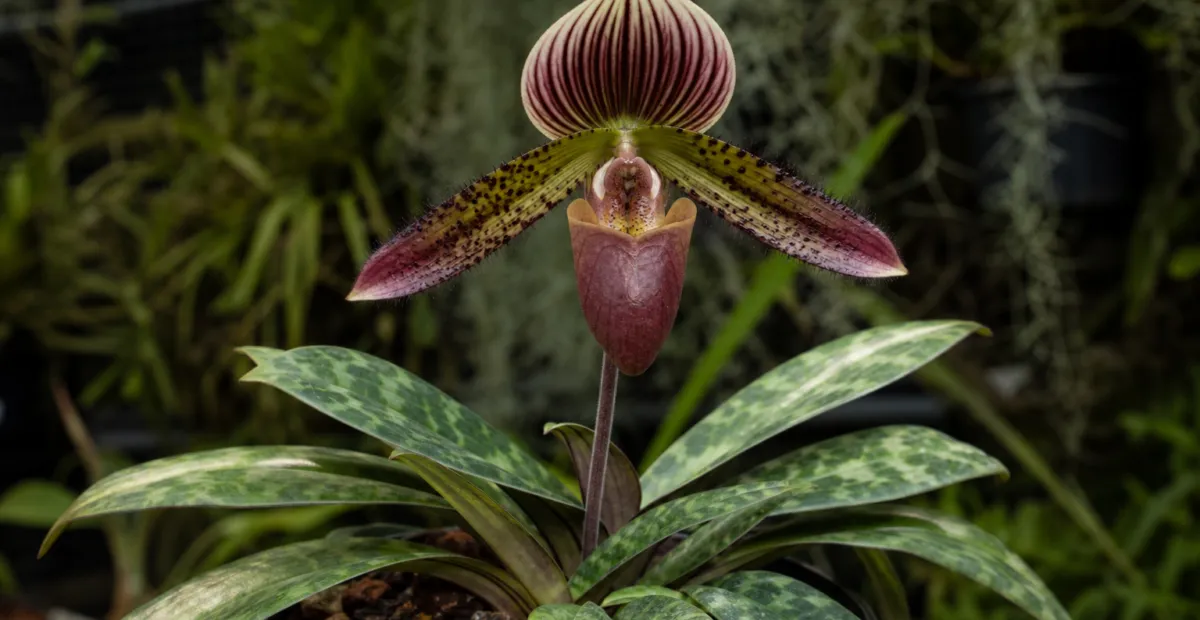
 AI-generated illustration
Paphiopedilum ‘Barbatum’ short overview
Paphiopedilum 'Barbatum' is a distinctive slipper orchid with evergreen, dark-mottled leaves and an upright bloom that combines green, burgundy, brown, and cream tones. It is best grown as a frost-tender houseplant or greenhouse specimen in bright filtered light, a fine, airy orchid mix, and evenly moist—but never waterlogged—conditions. Because it lacks pseudobulbs, it should not be allowed to dry completely for extended periods.
Taxonomic classification
Paphiopedilum ‘Barbatum’ care guide
Light and placement
Give bright, diffused light rather than direct midday sun. An east window is often ideal; use a sheer curtain at a south or hot west window. Dark green leaves with little flowering can indicate insufficient light, while reddish or bleached foliage and scorch suggest excess light. Gentle rotation helps maintain even growth.
Watering and humidity
Water thoroughly with lukewarm water when the upper mix is approaching dryness, then let the pot drain completely. Because Paphiopedilum lacks pseudobulbs, do not leave it dry for long periods. Water more often in warm, bright conditions and less often in cool, dim weather. Keep water out of the crown overnight and never let the pot stand in water.
Soil and growing medium
Use a fine to medium terrestrial Paphiopedilum mix based on fine bark, with moisture-retentive material such as sphagnum or coco fiber and added perlite for air space. The medium should drain freely while remaining lightly moist. A slightly acidic to neutral reaction is suitable; avoid compacted, decomposed mix and salt accumulation.
Feeding
Feed during active growth with a complete orchid fertilizer diluted to about one-quarter strength, commonly every 2–4 waterings. Apply fertilizer to already-moistened roots and occasionally flush the pot with plain water to limit salts. Reduce feeding after flowering or during slow growth, and do not fertilize a severely stressed, recently divided, or root-damaged plant.
Growth and habit
This is a slow-growing, evergreen sympodial orchid that expands by producing successive leafy rosettes from a short rhizome. Mature clumps can be divided, but frequent disturbance slows establishment. Maintain stable moisture, gentle airflow, and clean foliage; avoid treating it like a drought-adapted epiphytic orchid.
Planting and repotting
In the United States, grow this plant in a container indoors, in a conservatory, or in a temperature-controlled greenhouse rather than outdoors. Set the crown at the surface of the medium, never deep below it. Allow enough room for the clump to expand, but avoid oversized pots that stay wet too long.
Repot when the medium breaks down, usually every 1–2 years, preferably after flowering or when new roots are beginning. Move the plant into a pot only slightly larger than the root mass. Keep the crown at its original level and avoid burying the leaf bases. Water lightly at first while damaged roots recover.
Propagation and pruning
Propagation
Division is the practical method for established plants. Divide only a vigorous, overgrown clump, keeping at least three healthy rooted rosettes per division where possible. Seed propagation requires controlled asymbiotic culture with orchid-fungal substitutes or laboratory media and is not practical for routine home propagation.
Pruning
Routine pruning is unnecessary. Remove only yellow, dead, or diseased leaves with sterilized scissors. After flowering, retain a green spike until it dries naturally or clearly declines; then cut it close to the base without injuring the rosette.
Overwintering
Keep frost-free indoors or in a heated greenhouse. Avoid prolonged exposure below about 55°F, especially when the medium is wet. Reduce watering and fertilizer modestly during low-light winter conditions, but do not allow the root zone to become bone dry. Provide bright filtered light and steady air circulation.
Uses
Primarily a collector’s orchid and indoor ornamental grown for mottled foliage and long-lasting flowers. It is suitable for orchid displays, shaded windowsills, conservatories, and controlled greenhouse collections. It has no established culinary or medicinal use supported here, and wild collection should be avoided because Paphiopedilum species are conservation-sensitive.
Appearance
The plant forms compact rosettes of leathery, strap-shaped leaves marked with irregular darker green mottling. Leaves arise in two ranks from a short rhizome, while the flower spike rises above the foliage and carries a distinctive pouch-like lip. The absence of pseudobulbs separates it from many commonly sold orchid genera.
Flowering
The plant produces an upright inflorescence, generally with one prominent slipper-shaped flower per spike. Flowers are long-lasting compared with many houseplants, but the exact timing and repeat-bloom interval vary with clone, maturity, temperature, and light. Do not cut a green spike immediately after flowering because some Paphiopedilum spikes can remain useful; remove it when it has fully dried or is clearly finished.
Pollination and visitors
A cultivar-specific pollinator record was not located. Paphiopedilum flowers have specialized slipper-orchid structures associated with insect-mediated pollination, but the responsible visitor for this exact identity remains undocumented in the available evidence.
Diseases and pests
Diseases
Prevent crown and bacterial rot by keeping water out of the leaf center, providing air movement, and avoiding cold, stagnant, saturated conditions. Remove affected tissue with sterilized tools and isolate symptomatic plants. Use clean pots and fresh medium at repotting; persistent soft rot requires prompt removal of diseased roots and tissue.
Pests
Inspect leaf axils and new growth for mealybugs, scale, thrips, and spider mites. Quarantine new plants, remove small infestations with a cotton swab and appropriate horticultural soap, and repeat treatment as directed. Avoid routine harsh pesticides on stressed plants and improve air circulation without exposing the foliage to drying drafts.
Related diseases and pests
Only Plant Doctor profiles whose host data indicate this plant may be affected are shown here.
 DiseaseBacterial soft rotPectobacterium carotovorum
 PestCotton mealybugPhenacoccus solenopsis Tinsley
 DiseaseRhizopus soft rotRhizopus stolonifer
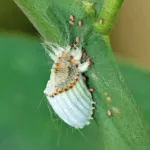 PestCottony Cushion ScaleIcerya purchasi
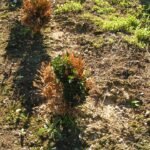 DiseasePhytophthora root and crown rotPhytophthora nicotianae
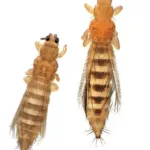 PestOnion thripsThrips tabaci Lindeman
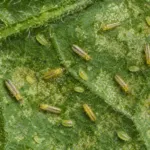 PestMelon thripsThrips palmi Karny
 DiseaseBacterial WiltRalstonia solanacearum species complex
Toxicity and pollen
No reliable cultivar-specific toxicology record was located, and safety cannot be established from the absence of a listing. Prevent chewing of leaves, roots, or flowers by children and pets, and seek professional advice if plant material is ingested or causes irritation. Avoid applying unverified medicinal or edible uses.
- Pollination / pollen
- Pollinia; airborne relevance not established
Orchids package pollen into pollinia rather than releasing abundant loose grains like many wind-pollinated plants. However, the airborne-allergy relevance of this exact cultivar has not been independently established, so it is not classified as definitively low risk. Keep flowers and potting debris away from sensitive individuals if symptoms occur.
Native habitat
The species backbone is associated with wet tropical habitats from Peninsular Thailand through the Malay Peninsula to northern Sumatra. It grows in shaded, humid environments as a terrestrial or lithophytic orchid, where organic debris and mineral material provide moisture retention without prolonged stagnation.
Interesting fact
Paphiopedilum barbatum is a terrestrial or lithophytic slipper orchid in the Barbata group. It lacks pseudobulbs, so its roots and leaves do not have the same long-term water-storage capacity as many other orchids. The species is native from Peninsular Thailand through the Malay Peninsula to northern Sumatra. Its leaves are mottled rather than plain green, a useful clue to its warm-growing cultural preferences.
Frequently asked questions (FAQ)
The most relevant questions about this plant, with short and direct answers.
🌱Quick care
How do you care for Paphiopedilum 'Barbatum'?⌄
Grow Paphiopedilum 'Barbatum' in bright, filtered light, keep its fine orchid mix evenly moist but never waterlogged, and provide warm, humid conditions with good air movement. Do not let the roots remain dry for extended periods.
Is Paphiopedilum 'Barbatum' easy to grow indoors?⌄
Paphiopedilum 'Barbatum' can grow well indoors when placed in filtered light and kept consistently moist. It is more sensitive to drying and poor drainage than many epiphytic orchids, so stable conditions are important.
🌤️Environment and placement
How much light does Paphiopedilum 'Barbatum' need?⌄
Provide bright filtered or shaded light for Paphiopedilum 'Barbatum', avoiding strong direct midday sun. An east-facing window or a shaded south- or west-facing window is usually suitable.
Can Paphiopedilum 'Barbatum' grow under artificial lights?⌄
Yes, Paphiopedilum 'Barbatum' can grow under artificial lights if the light is bright but not excessively intense. Keep the plant far enough from the fixture to prevent pale, scorched, or reddish foliage.
What temperature does Paphiopedilum 'Barbatum' prefer?⌄
Paphiopedilum 'Barbatum' prefers warm conditions, generally around 68–86°F during the day and about 65°F or warmer at night. Avoid cold drafts, sudden temperature changes, and temperatures near freezing.
What humidity is best for Paphiopedilum 'Barbatum'?⌄
Aim for moderate to high humidity, roughly 50–70%, for Paphiopedilum 'Barbatum'. Pair humidity with air circulation because stagnant, wet conditions can encourage crown and bacterial rot.
Can Paphiopedilum 'Barbatum' be grown outdoors in the United States?⌄
Paphiopedilum 'Barbatum' may be grown outdoors temporarily in frost-free areas with shade and protection from heavy rain, but it is frost-tender. In most of the United States, bring it indoors before temperatures approach 55°F.
💧Care and problems
How often should you water Paphiopedilum 'Barbatum'?⌄
Water Paphiopedilum 'Barbatum' whenever the upper part of the mix is approaching dryness, often about once or twice a week indoors depending on temperature, pot size, and humidity. Keep the medium lightly and evenly moist without leaving the pot in standing water.
Should Paphiopedilum 'Barbatum' dry out between waterings?⌄
Paphiopedilum 'Barbatum' should not dry completely between waterings. Allow only slight surface drying before watering again, because this species lacks pseudobulbs for storing substantial water.
What type of water is best for Paphiopedilum 'Barbatum'?⌄
Rainwater, reverse-osmosis water, or another low-mineral water is safest for Paphiopedilum 'Barbatum'. If using tap water, periodically flush the pot thoroughly to reduce fertilizer and mineral buildup.
How do you fertilize Paphiopedilum 'Barbatum'?⌄
Feed Paphiopedilum 'Barbatum' with a balanced orchid fertilizer at quarter to half strength during active growth, commonly every two to three waterings. Reduce feeding during low-light winter conditions and flush the medium regularly.
Why are the leaves of Paphiopedilum 'Barbatum' turning yellow?⌄
Yellow leaves on Paphiopedilum 'Barbatum' may result from natural aging, excessive light, overwatering, or damaged roots. Check the oldest leaves first, then inspect the potting mix and roots before changing the care routine.
Why is Paphiopedilum 'Barbatum' not blooming?⌄
Paphiopedilum 'Barbatum' may fail to bloom because it is immature, receiving insufficient light, stressed by poor roots, or not receiving consistent care. Increase filtered light gradually and correct watering or root problems rather than forcing the plant with heavy fertilizer.
What causes crown rot in Paphiopedilum 'Barbatum'?⌄
Crown rot in Paphiopedilum 'Barbatum' is commonly associated with water sitting in the leaf rosette, especially when temperatures are cool and air movement is poor. Water the medium rather than the crown and remove excess moisture promptly.
What pests affect Paphiopedilum 'Barbatum'?⌄
Mealybugs are a commonly reported pest of Paphiopedilum 'Barbatum', although other orchid pests can also occur indoors. Isolate affected plants and treat infestations promptly with a method labeled for orchids.
🪴Planting and repotting
What potting mix is best for Paphiopedilum 'Barbatum'?⌄
Use a fine, airy terrestrial orchid mix that retains some moisture, such as fine bark combined with perlite and a modest amount of sphagnum moss. The mix should drain freely while keeping the roots from drying completely.
Should Paphiopedilum 'Barbatum' be planted in bark or moss?⌄
Paphiopedilum 'Barbatum' can grow in fine bark, moss-based mixes, or a combination of both if the medium stays airy and evenly moist. Avoid dense, decomposed, or permanently saturated material.
What pot size does Paphiopedilum 'Barbatum' need?⌄
Choose a pot only slightly larger than the rooted plant or clump for Paphiopedilum 'Barbatum'. An oversized pot stays wet too long and increases the risk of root damage.
When should Paphiopedilum 'Barbatum' be repotted?⌄
Repot Paphiopedilum 'Barbatum' after flowering or when the potting mix has broken down, usually every one to two years. Repotting as new roots begin growing helps the plant reestablish more quickly.
How do you repot Paphiopedilum 'Barbatum'?⌄
Remove the old mix, trim only dead or rotten roots with sterile tools, and place the plant in fresh fine orchid mix with the crown above the medium. Keep the plant secure in a snug pot and avoid burying the growing points.
Can Paphiopedilum 'Barbatum' be grown in regular potting soil?⌄
No, regular houseplant potting soil is usually too dense for Paphiopedilum 'Barbatum' and can suffocate or rot its roots. Use a specialized terrestrial orchid mix with both moisture retention and drainage.
✂️Propagation and pruning
How do you propagate Paphiopedilum 'Barbatum'?⌄
Propagate Paphiopedilum 'Barbatum' by dividing a mature clump into rooted sections, with each division retaining at least three healthy growths when possible. Seed propagation requires controlled laboratory conditions and is not practical for routine home propagation.
Does Paphiopedilum 'Barbatum' produce keikis?⌄
Paphiopedilum 'Barbatum' does not typically produce keikis like Phalaenopsis orchids. New growths usually develop as connected fans at the plant’s base and may eventually be separated during division.
Can you divide Paphiopedilum 'Barbatum' with two growths?⌄
A division of Paphiopedilum 'Barbatum' is more reliable when it has at least three healthy, rooted growths, although experienced growers may sometimes divide smaller sections. Small divisions establish more slowly and are more vulnerable to stress.
Does Paphiopedilum 'Barbatum' need pruning?⌄
Paphiopedilum 'Barbatum' does not require routine pruning. After flowering, remove the spent flower stem near its base with sterile scissors, and remove only fully dead or diseased leaves.
⚠️Toxicity and safety
Is Paphiopedilum 'Barbatum' toxic to cats or dogs?⌄
No confirmed toxicity classification is available for the exact Paphiopedilum 'Barbatum' cultivar. Keep it away from pets and children because plant material and orchid fertilizers or treatments should not be ingested.
Is Paphiopedilum 'Barbatum' safe to handle?⌄
Paphiopedilum 'Barbatum' is generally handled as a non-toxic ornamental orchid, but the exact cultivar lacks a confirmed formal toxicity classification. Wash hands after handling fertilizer, pesticides, or decomposing potting media.
🌸Flowering and special interest
When does Paphiopedilum 'Barbatum' flower?⌄
Paphiopedilum 'Barbatum' commonly flowers from late fall through spring, although timing can vary with maturity and growing conditions. A healthy mature growth generally needs sufficient light and time to develop before producing a spike.
How long do Paphiopedilum 'Barbatum' flowers last?⌄
Paphiopedilum 'Barbatum' flowers can remain attractive for several weeks and sometimes up to about three months under stable indoor conditions. Heat, low humidity, rough handling, and water on the flower can shorten their display.
How can I make Paphiopedilum 'Barbatum' bloom again?⌄
To encourage reblooming, provide bright filtered light, steady moisture, moderate humidity, and regular light feeding during active growth. Do not cut a green, actively developing spike, but remove it after it has naturally finished.
Should I stake a Paphiopedilum 'Barbatum' flower spike?⌄
Stake a Paphiopedilum 'Barbatum' flower spike if it leans or needs support. Attach it loosely with soft ties so the developing stem and flower are not constricted.
Similar plants
 Azure Monkshood (Aconitum carmichaelii) care guideAconitum carmichaelii
 Monkshood (Aconitum ‘Stainless Steel’)Aconitum 'Stainless Steel'
 Monkshood (Aconitum ‘Bressingham Spire’)Aconitum 'Bressingham Spire'
 Golden full moon maple (Acer shirasawanum ‘Aureum’)Acer shirasawanum 'Aureum'
 Globosum (Acer platanoides ‘Globosum’)Acer platanoides 'Globosum'
 Striped maple (Acer pensylvanicum) care guideAcer pensylvanicum