
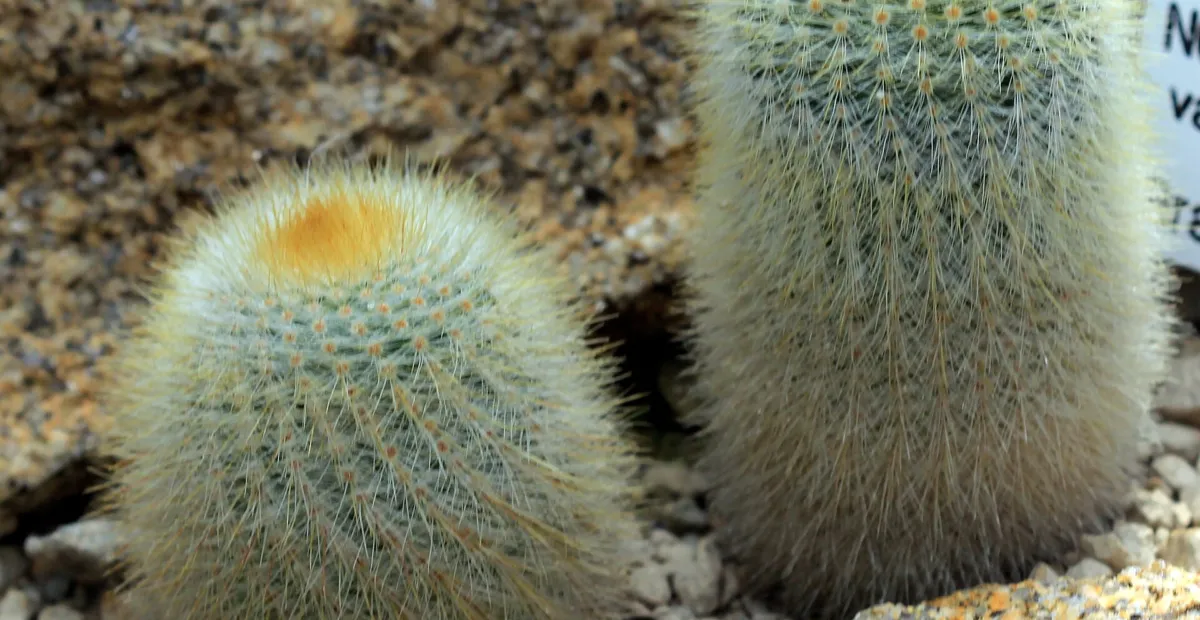
 Source:
 Notocactus ‘Scopa’ short overview
Notocactus 'Scopa' is a compact South American cactus identity associated with Parodia scopa, valued for its rounded, strongly ribbed body and dense pale spines that create a silvery, brush-like appearance. Mature plants are best grown in a gritty, fast-draining container mix with several hours of direct sun, modest summer watering, and a cool, completely dry winter rest. Yellow daytime flowers may appear from the crown on established plants.
Taxonomic classification
Notocactus ‘Scopa’ care guide
Light and placement
Give the plant the brightest practical position, ideally several hours of direct morning or afternoon sun through a south- or west-facing window, greenhouse glazing, or a gradually acclimated patio site. Rotate the pot for even growth. Stretching, weak ribs, or sparse spines indicate insufficient light; bleached patches or corky scorch suggest abrupt excessive sun or heat behind glass.
Watering and humidity
Soak the mix thoroughly, then allow it to dry completely before watering again. During active growth, the interval may be roughly every two to four weeks indoors, depending on pot size, temperature, and light; use dryness rather than the calendar as the trigger. Reduce sharply in fall and keep nearly dry through a cool winter rest. Never leave the pot standing in water.
Soil and growing medium
Use a very porous cactus substrate dominated by mineral grit, pumice, perlite, coarse sand, or small gravel, with only a modest organic fraction. The pot must drain freely and should never sit in a saucer of water. A slightly acidic to neutral reaction is suitable; avoid dense, water-retentive mixes and poorly drained clay containers.
Feeding
Feed only during active spring and summer growth, using a balanced cactus fertilizer diluted to about one-quarter to one-half the label strength every four to six weeks. Water first if the root ball is very dry, and do not fertilize a stressed, freshly repotted, dormant, or cold plant. Stop feeding as temperatures fall and winter rest begins.
Growth and habit
This is a slow-growing, long-lived cactus that typically remains solitary or may form offsets with age. Strong light helps maintain compact ribs and dense spination; insufficient light can produce elongated, weaker growth. Keep the crown dry after watering and rotate containers periodically for even development.
Planting and repotting
Plant container specimens at the same depth at which they were previously growing, keeping the stem base above the substrate. Establish during the warm growing season and water only after the mix has dried. In outdoor beds, use a raised, sharply drained mineral pocket and place the plant where winter rain cannot keep the root zone wet.
Repot in spring or early summer when growth is beginning, using a dry or nearly dry root ball and a pot only slightly larger than the previous one. Protect hands with folded newspaper, tongs, or thick gloves. Remove loose old soil, allow damaged roots to dry briefly, then wait several days after repotting before watering.
Propagation and pruning
Propagation
Propagate from seed in warm conditions using a sterile, gritty medium and bright filtered light; seedlings are slow and need careful moisture control. Basal offsets, when produced, can be separated in warm weather and allowed to callus before planting. Cultivar-level uniformity is not assured from seed.
Pruning
Routine pruning is not needed. Remove dead flowers or damaged tissue only with sterile tools, allowing wounds to dry fully. Do not cut healthy ribs or spines for shaping; persistent soft tissue should be treated as a possible rot problem rather than pruned cosmetically.
Overwintering
Keep frost-free, bright, and cool in winter, ideally around 45–55°F if the plant is fully dry. Avoid watering during cold, dim conditions because wet roots are prone to rot. Resume watering gradually in spring only when warmth and active growth return. Outdoor plants in marginal climates need protection from freezing temperatures and winter rain.
Uses
Primarily an ornamental collector cactus for windowsills, greenhouses, patios, dish gardens, and dry container displays. Its spiny architecture and occasional yellow flowers provide seasonal interest. It has no well-supported culinary or medicinal use, and handling should account for the sharp spines.
Appearance
The plant has a rounded to short-columnar green stem divided into numerous ribs and closely spaced areoles. Fine pale radial spines create a brush-like or silvery surface, sometimes accompanied by contrasting darker central spines. New growth and flower buds appear near the crown. Exact spine density and coloration may vary among plants sold under this name.
Flowering
The species associated with this horticultural name produces funnel-shaped yellow flowers from areoles near the crown. Flowers generally open during daylight and close later, with flowering most likely on mature, well-lit plants after a cool, dry rest. Exact flowering performance of the named 'Scopa' identity is not independently documented.
Pollination and visitors
Yellow, open daytime flowers of Parodia-related cacti can be visited by insects, but a specific visitor record for Notocactus 'Scopa' was not located. Bee and other small insect visitation is therefore a cautious species-level inference rather than a confirmed cultivar-specific observation.
Notocactus 'Scopa' photos
Click any photo for a larger view. Source, author and license are shown separately.
Diseases and pests
Diseases
The main preventable problem is root or stem rot caused by cool, wet substrate or poor drainage. Use a sterile, porous mix, clean containers, and a dry winter rest. Soft dark tissue, persistent collapse, or foul roots indicate rot; isolate the plant, remove affected tissue with a sterile blade, let cuts dry, and reroot only healthy material. Severe cases may be unrecoverable.
Pests
Inspect for mealybugs, scale, and spider mites, especially in greenhouse or indoor collections. Check areoles and the root collar during watering. Remove isolated pests with a cotton swab and suitable labeled treatment; improve light and airflow, quarantine new plants, and avoid repeated unnecessary insecticide applications.
Related diseases and pests
Only Plant Doctor profiles whose host data indicate this plant may be affected are shown here.
 PestCotton mealybugPhenacoccus solenopsis Tinsley
 DiseaseRhizopus soft rotRhizopus stolonifer
 DiseaseBacterial soft rotPectobacterium carotovorum
 PestCottony Cushion ScaleIcerya purchasi
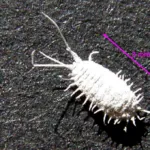 PestObscure mealybugPseudococcus viburni
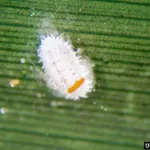 PestCitrus mealybugPlanococcus citri
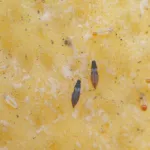 PestGreenhouse thripsHeliothrips haemorrhoidalis
Toxicity and pollen
No reliable authoritative record documenting toxic compounds in this exact horticultural identity was found. The principal practical hazards are sharp spines, glochidia-like defensive structures if present, and injury from handling. Do not allow children or animals to chew the plant; seek medical advice for embedded spines or unusual symptoms.
- Typical season
- Usually limited to the flowering period; outdoor exposure varies by U.S. climate
- Pollination / pollen
- Flower pollen carried mainly by visiting insects
This cactus is insect-pollinated and is not generally treated as a major airborne-pollen source. Pollen exposure is expected mainly near open flowers and is likely low, but cultivar-specific allergy research was not found; sensitive individuals should avoid handling flowers and wash hands afterward.
Native habitat
Parodia scopa is associated with southern Brazil and Uruguay, where it occurs in subtropical landscapes including open grassland and rocky or otherwise well-drained sites. Its succulent stem stores water, while mineral soils and seasonal drying reduce the risk of prolonged root saturation.
Interesting fact
The name Notocactus scopa is a historical synonym associated with the accepted name Parodia scopa. The epithet scopa refers to a broom-like appearance, fitting the dense slender spines. The species is native to southern Brazil and Uruguay. Yellow flowers arise near the crown rather than along a long flowering stalk.
Frequently asked questions (FAQ)
The most relevant questions about this plant, with short and direct answers.
🌱Quick care
How do you care for Notocactus 'Scopa'?⌄
Grow Notocactus 'Scopa' in full sun, gritty sharply drained cactus soil, and water only after the mix has dried completely. Protect it from frost and keep winter watering very limited.
Is Notocactus 'Scopa' easy to grow indoors?⌄
Yes, Notocactus 'Scopa' can grow indoors if it receives several hours of direct sun and excellent airflow. A bright south- or west-facing window or a grow light is usually needed.
How often should you water Notocactus 'Scopa'?⌄
Water Notocactus 'Scopa' thoroughly during active growth, then wait until the soil is completely dry before watering again. The interval may range from about 1 to 3 weeks indoors, depending on light, temperature, and pot size.
What soil is best for Notocactus 'Scopa'?⌄
Use a gritty, sharply drained cactus mix containing substantial mineral material such as pumice, perlite, or coarse grit. Avoid dense potting soil that stays wet around the roots.
🌤️Environment and placement
Does Notocactus 'Scopa' need full sun?⌄
Yes, mature Notocactus 'Scopa' performs best in full sun or several hours of direct light daily. Acclimate a plant gradually when moving it from shade to strong sunlight to reduce the risk of sunburn.
Can Notocactus 'Scopa' grow outside in the United States?⌄
Notocactus 'Scopa' can grow outdoors year-round only in warm, frost-free parts of the United States with suitable drainage. In colder areas, grow it in a container and move it indoors or into protected shelter before frost.
What USDA hardiness zone is suitable for Notocactus 'Scopa'?⌄
Notocactus 'Scopa' is generally treated as a frost-sensitive cactus suited to warm USDA Zones 9–11, although local winter moisture and exposure also matter. Container growing is safer in areas with freezing temperatures.
What temperature is too cold for Notocactus 'Scopa'?⌄
Freezing temperatures are unsafe for Notocactus 'Scopa', especially when the plant or soil is wet. Move it to a dry, protected location before frost, and avoid exposing it to prolonged temperatures near 40°F.
Does Notocactus 'Scopa' need low humidity?⌄
Notocactus 'Scopa' tolerates dry indoor air and benefits more from good airflow than from high humidity. Stagnant, damp conditions increase the risk of rot and fungal problems.
Can Notocactus 'Scopa' grow in a terrarium?⌄
Notocactus 'Scopa' is usually a poor choice for a closed terrarium because trapped humidity and slow drying can cause root or stem rot. An open, very well-ventilated display is safer.
💧Care and problems
Why is my Notocactus 'Scopa' turning pale or stretching?⌄
Pale, elongated growth usually means Notocactus 'Scopa' is not receiving enough light. Increase direct light gradually and rotate the pot regularly, while avoiding sudden exposure to intense sun.
Why is my Notocactus 'Scopa' turning yellow or soft?⌄
Yellowing combined with softness commonly indicates overwatering or root rot in Notocactus 'Scopa'. Stop watering, check the roots, remove damaged tissue if necessary, and repot into dry, porous mix.
How can I tell if Notocactus 'Scopa' is overwatered?⌄
Signs of overwatering include a soft or collapsing body, yellowing, dark lesions, persistent wet soil, and a sour smell from the pot. Let the mix dry fully and inspect the roots before watering again.
Should I fertilize Notocactus 'Scopa'?⌄
You may feed Notocactus 'Scopa' with a diluted cactus fertilizer during spring and summer when it is actively growing. Do not fertilize a stressed, recently repotted, or winter-dormant plant.
How do I prevent root rot in Notocactus 'Scopa'?⌄
Prevent root rot by using a pot with a drainage hole, a mineral-rich cactus mix, and a watering schedule based on completely dry soil. Keep the plant drier in cool weather and never leave water in a saucer.
What pests affect Notocactus 'Scopa'?⌄
Mealybugs, scale, and root mealybugs can occasionally affect Notocactus 'Scopa'. Inspect the areoles, spines, and roots, isolate affected plants, and treat promptly with an appropriate cactus-safe method.
🪴Planting and repotting
What type of pot is best for Notocactus 'Scopa'?⌄
Choose a pot with a drainage hole that is only slightly larger than the root system of Notocactus 'Scopa'. Unglazed clay can help the mix dry faster, while shallow pots suit its relatively compact root system.
When should I repot Notocactus 'Scopa'?⌄
Repot Notocactus 'Scopa' during active growth, preferably in spring or early summer, when the plant is growing and can recover more readily. Repot sooner if the soil stays wet, the roots are crowded, or the mix has degraded.
How do you repot Notocactus 'Scopa' safely?⌄
Wear thick gloves or use folded paper, tongs, or cardboard to handle Notocactus 'Scopa' without contacting its spines. Place it in dry, sharply drained mix and wait several days before watering so damaged roots can seal.
Can Notocactus 'Scopa' be planted in the ground?⌄
Notocactus 'Scopa' can be planted in the ground only where winters are frost-free and the soil drains extremely quickly. A raised mineral bed or rock garden is safer than ordinary garden soil.
✂️Propagation and pruning
How do you propagate Notocactus 'Scopa' from seed?⌄
Propagate Notocactus 'Scopa' from fresh seed sown on a sterile, gritty, well-drained surface kept lightly moist and warm. Seedlings need bright filtered light and careful ventilation as they develop.
Can Notocactus 'Scopa' be propagated from cuttings?⌄
Stem cuttings are not usually the primary method for Notocactus 'Scopa', which is most reliably raised from seed. If a branching offset is available, let the cut surface dry and callus before planting it in dry cactus mix.
Does Notocactus 'Scopa' produce offsets?⌄
Notocactus 'Scopa' may produce offsets, but it is often solitary or only sparsely clustering. Any well-rooted offset can be separated during warm active growth and treated as a cutting after the wound dries.
Should I prune Notocactus 'Scopa'?⌄
Routine pruning is unnecessary for Notocactus 'Scopa' because it naturally grows as a rounded or cylindrical cactus. Remove only dead, damaged, or rotting tissue with a sterile tool.
⚠️Toxicity and safety
Is Notocactus 'Scopa' toxic to cats or dogs?⌄
The toxicity of Notocactus 'Scopa' is not well documented, so it is best to treat its safety as uncertain. Its principal confirmed hazard is its sharp spines, which can injure pets, children, and handlers.
How should you handle Notocactus 'Scopa' without getting hurt?⌄
Handle Notocactus 'Scopa' with thick gloves, folded newspaper, cardboard, or cactus tongs rather than bare hands. Keep the plant away from walkways, children, and pets because its dense spines can be difficult to see.
🌸Flowering and special interest
Does Notocactus 'Scopa' flower?⌄
Yes, mature Notocactus 'Scopa' can produce bright yellow flowers near the crown, typically during the warmer growing season. Strong light, good drainage, and a cool, dry winter rest can support flowering.
Why is my Notocactus 'Scopa' not blooming?⌄
Notocactus 'Scopa' may fail to bloom because it is too young, receives insufficient light, or lacks a cool, dry winter rest. Avoid excessive nitrogen and provide strong light during the growing season.
What color are Notocactus 'Scopa' flowers?⌄
Notocactus 'Scopa' typically produces pale yellow to golden-yellow flowers, although flower intensity can vary between plants and forms. Blooms appear from the upper part of the stem near the crown.
How large do the flowers of Notocactus 'Scopa' get?⌄
The flowers of Notocactus 'Scopa' are commonly about 1.5 to 2 inches across. They form near the crown and may appear in a ring as the plant matures.
Similar plants
 Azure Monkshood (Aconitum carmichaelii) care guideAconitum carmichaelii
 Monkshood (Aconitum ‘Stainless Steel’)Aconitum 'Stainless Steel'
 Monkshood (Aconitum ‘Bressingham Spire’)Aconitum 'Bressingham Spire'
 Golden full moon maple (Acer shirasawanum ‘Aureum’)Acer shirasawanum 'Aureum'
 Globosum (Acer platanoides ‘Globosum’)Acer platanoides 'Globosum'
 Striped maple (Acer pensylvanicum) care guideAcer pensylvanicum