
 Source:
Crape-flower (Nerine undulata) short overview
Crape-flower (Nerine undulata) is a South African bulbous perennial valued for airy clusters of delicate pink, wavy-edged flowers. It grows naturally in open grassland, wetland margins, streamside sites and forest edges, but in the United States it is best treated as a tender garden bulb or container plant unless winters are mild. Give it bright sun, excellent drainage and a distinct seasonal rest after flowering.
Taxonomic classification
Crape-flower (Nerine undulata) care guide
Light and placement
Give full sun, ideally six or more hours of direct light, with shelter from cold winter winds. A south- or west-facing position is suitable in much of the United States. Insufficient light can produce weak, floppy flowering stems and reduced blooming; harsh reflected heat combined with drought may scorch foliage, so provide afternoon protection in the hottest inland sites.
Watering and humidity
Water thoroughly when the upper layer of soil begins to dry during active growth, then allow excess water to drain completely. Reduce watering as foliage declines and keep dormant bulbs only slightly dry, especially in winter. Containers may need more frequent summer watering than in-ground plants, but never leave the pot standing in water.
Soil and growing medium
Use a loose, well-drained medium with good air space, such as loam amended with grit, coarse sand or fine bark. The bulb should not sit in stagnant winter moisture. A slightly acidic to neutral reaction is a reasonable horticultural target, but a species-specific pH range is not firmly established.
Feeding
Feed sparingly while leaves are actively growing, using a balanced liquid fertilizer at half strength every 3–4 weeks or a light controlled-release application. Stop feeding as foliage yellows and the plant enters dormancy. Avoid rich, constantly wet compost, which encourages lush weak growth and bulb problems.
Growth and habit
This is a summer-growing, clump-forming bulb that produces foliage and then flowering stems on a seasonal cycle. Allow the leaves to complete their growth after flowering so the bulb can replenish reserves. Avoid cutting healthy foliage early, and keep dormant bulbs drier than actively growing plants.
Planting and repotting
Plant in spring or early summer after severe frost, setting the bulb with its neck at or just above soil level. Space bulbs about 4–6 inches apart for a colony effect while allowing airflow. Water to establish, then maintain moderate moisture during active growth and reduce it during dormancy.
Repot container plants when dormant or just before active growth resumes. Handle the bulb carefully, refresh compacted mix, and use a pot with generous drainage. Avoid moving the plant repeatedly once roots and leaves are developing.
Propagation and pruning
Propagation
Divide established offsets when dormant or propagate from seed. Seed-grown plants can take several years to reach flowering size. Keep newly divided bulbs only lightly moist until active growth begins.
Pruning
Remove spent flower stems after blooming if seed is not wanted. Leave green leaves in place until they yellow naturally, then remove them cleanly. Do not cut healthy foliage during active growth.
Overwintering
In Zones 8–10, mulch lightly and protect bulbs from prolonged freezing and winter saturation. In colder regions, grow in containers and move them to a cool, bright, frost-free place before hard freezes. Keep dormant bulbs relatively dry, then resume watering as growth returns.
Uses
Primarily an ornamental bulb for sunny borders, rock gardens, containers and protected bulb collections. Its slender stems and delicate flowers can be used as a small-scale cut flower. It is not recommended for culinary or medicinal use.
Appearance
The plant forms a clump of narrow, strap-like green leaves and sends up slender, mostly leafless flowering stems. Its identifying ornamental feature is the airy head of pink flowers with distinctly undulating or frilled tepals. The bulbous underground stem enables seasonal dormancy and regrowth.
Flowering
Flowering stems rise above the foliage and carry open umbels of delicate pink flowers with noticeably wavy, recurved tepals. The species is described as later flowering than some hardy nerines. In U.S. gardens, the display is generally expected from late summer into fall, but timing varies with climate and cultivation.
Pollination and visitors
Animal visitation is not well documented for this exact species. The open, nectar-bearing-looking flower structure may be visited by bees, but a species-specific visitor record was not located, so attraction is classified as unknown rather than assumed.
Nerine undulata photos
Click any photo for a larger view. Source, author and license are shown separately.
Diseases and pests
Diseases
Prevent problems by using free-draining soil, avoiding waterlogged dormancy and providing airflow. Excess moisture can encourage bulb rots; remove affected tissue and replant only sound bulbs in fresh, clean medium. There is insufficient species-specific evidence to name a distinctive disease profile.
Pests
Watch for aphids, thrips, mealybugs and bulb-feeding pests, especially under cover. Inspect new growth, improve airflow and isolate affected containers. Treat lightly with hand removal or an appropriately labeled horticultural product; avoid keeping bulbs continually wet, which increases rot risk.
Related diseases and pests
Only Plant Doctor profiles whose host data indicate this plant may be affected are shown here.
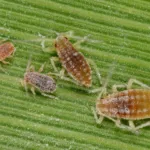 PestMealy Plum AphidHyalopterus pruni (Geoffroy, 1762)
 Environmental stressWaterlogging
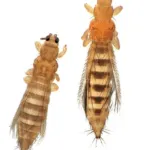 PestOnion thripsThrips tabaci Lindeman
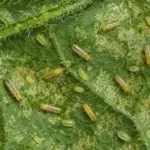 PestMelon thripsThrips palmi Karny
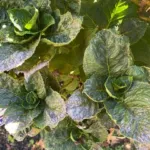 PestChilli thripsScirtothrips dorsalis Hood
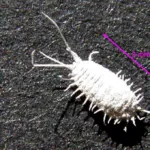 PestObscure mealybugPseudococcus viburni
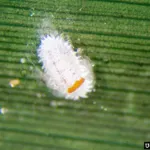 PestCitrus mealybugPlanococcus citri
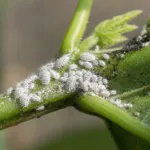 PestCotton mealybugPhenacoccus solenopsis Tinsley
Toxicity and pollen
Species-specific toxicology is poorly documented. As an Amaryllidaceae bulb, it should be treated cautiously because related bulbous plants contain biologically active alkaloids. Do not eat the bulb; wear gloves when handling damaged tissue and seek poison-control or veterinary advice after ingestion.
- Typical season
- Late summer to fall where flowering outdoors in the United States
- Pollination / pollen
- Insect-dispersed pollen
Nerine undulata produces pollen as a flowering bulb, but reliable species-specific airborne-allergy data are scarce. Its flowers are not documented here as a major U.S. pollen source; people with strong flower-pollen sensitivity should still avoid handling flowers closely if symptoms occur.
Native habitat
The species is native to the Eastern Cape of South Africa, where it occurs in open grassland, wetland areas, along streams, on slopes and near forest margins. These habitats indicate a seasonal moisture pattern with access to water during growth but drainage and air movement around the bulb.
Interesting fact
Kew lists Nerine undulata as an accepted species native to the Eastern Cape. It is a bulbous geophyte adapted to a seasonal growth cycle. Its flowers are more delicate and later appearing than those of many commonly grown hardy nerines. The specific epithet refers to its wavy floral segments.
Frequently asked questions (FAQ)
The most relevant questions about this plant, with short and direct answers.
🌱Quick care
What is Nerine undulata commonly called?⌄
Nerine undulata is commonly called Crape-flower. It is a bulbous perennial in the Amaryllidaceae family, also known as a nerine.
Is Nerine undulata easy to grow?⌄
Yes, Nerine undulata is generally easy to grow when planted in well-drained soil and protected from hard frost. Established bulbs prefer to remain undisturbed for several years.
Does Nerine undulata grow from a bulb?⌄
Yes, Nerine undulata grows from a bulb that produces strap-like leaves and leafless flower stems. It has a summer-dormant or partially dormant growth cycle.
🌤️Environment and placement
How much sun does Nerine undulata need?⌄
Nerine undulata grows best in full sun, meaning at least 6 hours of direct sunlight daily. Light shade can be tolerated, but reduced sun may limit flowering.
What USDA zones can grow Nerine undulata outdoors?⌄
Nerine undulata is best treated as an outdoor plant in mild USDA Zones 8–10, with local protection. In colder regions, grow it in a container and overwinter the bulb under cover.
Can Nerine undulata survive frost?⌄
Nerine undulata should be protected from hard frost. A light, brief frost may be tolerated in a dry, sheltered location, but freezing wet soil can damage or rot the bulb.
Can Nerine undulata grow in containers?⌄
Yes, Nerine undulata grows well in containers with excellent drainage. Containers are especially useful in the United States where winter temperatures are colder than the bulb can tolerate.
What type of soil does Nerine undulata need?⌄
Nerine undulata needs well-drained sandy or loamy soil. Avoid heavy, waterlogged soil, particularly during the plant’s dormant period.
💧Care and problems
How often should I water Nerine undulata?⌄
Water Nerine undulata moderately while it is actively growing, allowing excess water to drain away. Reduce watering substantially or stop during dormancy when the soil should remain relatively dry.
Should Nerine undulata be fertilized?⌄
Feed Nerine undulata lightly during active leaf growth with a balanced bulb fertilizer or a dilute complete fertilizer. Avoid heavy feeding while the bulb is dormant.
Why is my Nerine undulata not flowering?⌄
Nerine undulata may fail to flower after recent planting, division, insufficient sun, excessive summer moisture, or disturbance. Flowering can also take a year or two while a bulb becomes established.
Why does Nerine undulata have leaves but no flowers?⌄
Leaves without flowers commonly indicate a recently disturbed bulb, immature offset, inadequate sunlight, or poor seasonal drying. Keep the plant growing well and avoid dividing it unnecessarily.
What pests affect Nerine undulata?⌄
Nerine undulata can be affected by mealybugs and slugs, while overly wet conditions can encourage bulb rot. Inspect the bulb and leaf bases regularly and improve drainage if necessary.
How do I overwinter Nerine undulata in a cold climate?⌄
In a cold climate, keep Nerine undulata in a container and move it to a frost-free, cool, dry location before hard freezes. Water very sparingly while the bulb is dormant.
🪴Planting and repotting
When should I plant Nerine undulata bulbs in the United States?⌄
Plant Nerine undulata bulbs in spring after severe frost has passed, or according to the supplier’s instructions for your region. Spring planting gives the bulb time to establish before fall flowering.
How deep should Nerine undulata bulbs be planted?⌄
Plant Nerine undulata with the bulb neck at or slightly above the soil surface in mild climates. In colder areas, cover the neck with about 2 inches of soil for additional frost protection.
How far apart should Nerine undulata bulbs be planted?⌄
Space Nerine undulata bulbs about 4–6 inches apart in garden beds, or plant them closer in containers. Crowding can support flowering, but overcrowded clumps eventually need division.
Can Nerine undulata bulbs be left undisturbed?⌄
Yes, Nerine undulata bulbs usually flower best when left undisturbed for several years. Divide them only when clumps become overcrowded or flowering declines.
✂️Propagation and pruning
How is Nerine undulata propagated?⌄
Nerine undulata can be propagated by offsets, bulb division, or seed. Offsets and division produce flowering-size plants sooner than seed.
When should Nerine undulata be divided?⌄
Divide Nerine undulata after flowering or in spring before active growth begins, depending on the plant’s seasonal cycle. Replant offsets promptly and expect flowering to pause or weaken after disturbance.
Can Nerine undulata be grown from seed?⌄
Yes, Nerine undulata can be grown from fresh seed in a sharply drained propagation mix. Seed-grown plants may require several years before they flower.
Should I cut back Nerine undulata foliage?⌄
Do not cut back green Nerine undulata foliage because it replenishes the bulb. Remove dead foliage only after it has naturally yellowed and the plant has entered dormancy.
⚠️Toxicity and safety
Is Nerine undulata poisonous to people or pets?⌄
Species-specific toxicity information for Nerine undulata is limited, but Nerine bulbs should be treated as unsafe to ingest. Keep bulbs away from children and pets and wear gloves when handling damaged plant material.
🌸Flowering and special interest
When does Nerine undulata bloom?⌄
Nerine undulata usually blooms in late summer or fall, often before or around the emergence of its strap-like foliage. Flower timing varies with climate and growing conditions.
What do Nerine undulata flowers look like?⌄
Nerine undulata produces clusters of delicate pink to pinkish-purple, funnel-shaped flowers with wavy or crinkled petals. The flowers appear on slender, leafless stems.
How long do Nerine undulata flowers last?⌄
Individual flowers open progressively within a cluster, giving the display a useful flowering period that can last for several weeks. Cool, bright conditions may help extend the display.
Should I remove spent Nerine undulata flowers?⌄
Remove spent flower heads if you want to prevent self-seeding and keep the plant tidy. Leave the foliage in place until it naturally dies back.
Similar plants
 Vesta (Nerine bowdenii ‘Vesta’)Nerine bowdenii 'Vesta'
 Ostara (Nerine bowdenii ‘Ostara’)Nerine bowdenii 'Ostara'
 Aphrodite (Nerine bowdenii ‘Aphrodite’)Nerine bowdenii 'Aphrodite'
 Zeal Giant (Nerine bowdenii ‘Zeal Giant’)Nerine bowdenii 'Zeal Giant'
 Large Pink Nerine (Nerine bowdenii) care guideNerine bowdenii
 Alba (Nerine bowdenii ‘Alba’)Nerine bowdenii 'Alba'