
 Source:
Large Pink Nerine (Nerine bowdenii) short overview
Large Pink Nerine is a bulbous perennial from eastern South Africa, grown for its late-season umbels of vivid pink, recurved flowers. The leafless flower stems appear in fall, often before the strap-shaped foliage develops. Plant the bulbs shallowly in full sun, with the neck above the soil, using fertile but sharply drained ground or an open container mix. It performs best when left undisturbed and may need winter mulch or container protection in colder parts of the United States.
Taxonomic classification
Large Pink Nerine (Nerine bowdenii) care guide
Light and placement
Give full sun, ideally in a warm, sheltered position such as a south- or west-facing border, raised bed, or sunny container. Morning sun is useful, but late-season warmth helps flower initiation. Weak flowering or stretched scapes can indicate insufficient light; scorched foliage usually reflects severe heat combined with drought rather than excessive ordinary sun.
Watering and humidity
Water deeply after planting and during active growth whenever the upper soil begins to dry, then allow excess water to drain completely. Reduce watering as foliage dies back and keep dormant bulbs relatively dry, especially in containers. Average outdoor humidity is adequate; do not mist or keep the crown constantly wet.
Soil and growing medium
Use moderately fertile soil that drains freely after rain. Sandy or loamy ground is suitable, and raised beds or gritty containers help prevent bulb rot. A slightly acidic to slightly alkaline reaction is tolerated, but stagnant winter moisture is more damaging than a narrow pH mismatch.
Feeding
Apply a modest balanced bulb fertilizer or a thin compost dressing when active growth begins in spring. A second light feeding after flowering can support bulb development if the soil is poor. Avoid heavy nitrogen, which encourages soft foliage, and do not feed dry dormant bulbs.
Growth and habit
A deciduous, summer-growing geophyte forms offsets from a rounded bulb. Flower scapes rise before or around the emergence of strap-shaped leaves, while the bulb rests through winter. Avoid unnecessary division because established congestion can improve flowering and disturbed bulbs may skip a season.
Planting and repotting
Plant dormant bulbs in spring or as soon as sound bulbs are obtained. Set them shallowly so the bulb neck remains above the soil surface; in containers, bury only the lower portion. Space bulbs about 4–6 inches apart, or grow a small group close together for a fuller display. Water after planting, then avoid saturation.
Repot container-grown bulbs only when the pot is crowded or the medium has degraded, preferably during dormancy or just after flowering. Use an open, gritty mix and a pot with excellent drainage. Keep bulbs close together because congestion can support flowering, but leave enough room for offsets to develop.
Propagation and pruning
Propagation
Divide offsets after flowering or during dormancy, but do not divide routinely because flowering is often best in established, crowded clumps. Fresh seed can be sown promptly because the fleshy seeds do not store well; seedlings may take several years to bloom. Bulb chipping is also reported but is more specialized.
Pruning
No routine pruning is required. Remove spent flower heads if seed is not wanted, then allow foliage to yellow naturally and cut it back only after it has fully died down. Do not remove green leaves because they replenish the bulb.
Overwintering
In warm climates, leave bulbs outdoors in sharply drained soil and protect the crown with a dry mulch where hard freezes are possible. In colder regions, grow in containers and move them to an unheated, frost-protected space after foliage dies back. Keep dormant bulbs cool and mostly dry, then resume watering in spring.
Uses
Use in sunny borders, gravel gardens, raised beds, containers and autumn cut-flower plantings. The long, clean stems and vivid color make it useful for seasonal arrangements. It is ornamental only; do not use the bulbs or other parts as food or medicine.
Appearance
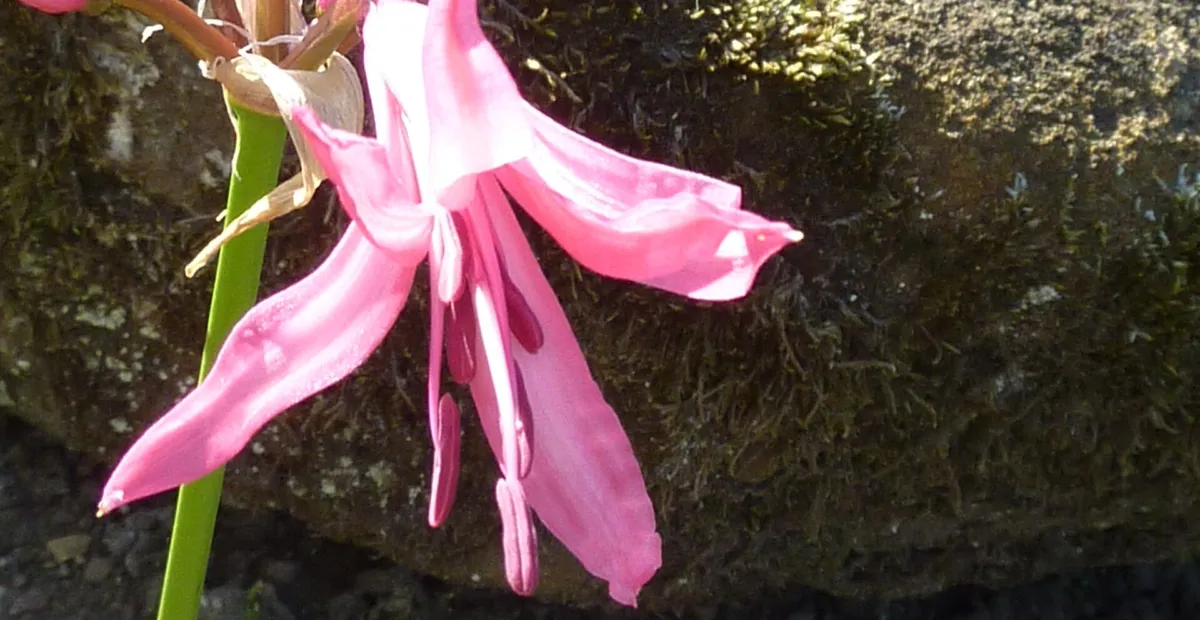
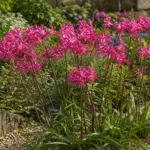
The plant has a rounded bulb with a conspicuous neck, erect smooth green scapes, and narrow strap-shaped leaves. Its most distinctive feature is the airy terminal umbel of pink flowers whose narrow tepals curve backward and have wavy margins. Foliage may appear after flowering and dies back for winter dormancy.
Flowering
Flowering is typically late summer through fall in the Northern Hemisphere, with erect, leafless scapes carrying terminal umbels. Flowers may appear before the leaves, and bloom can be delayed after planting or division. Established clumps often flower more reliably when left undisturbed and slightly crowded.
Pollination and visitors
Reliable species-specific visitor data are limited. Nerine flowers can be insect-visited, and a long-tongued fly is documented for the related northern Drakensberg form/subspecies context. For this exact taxon in U.S. gardens, treat pollinator value as possible but not strongly established.
Nerine bowdenii photos
Click any photo for a larger view. Source, author and license are shown separately.
Diseases and pests
Diseases
Usually trouble-free when drainage is good. Viral infection may cause striped, mottled, distorted foliage or malformed flowers; remove affected plants to reduce spread. Bulb rot is encouraged by waterlogged soil, especially during dormancy. Improve drainage rather than applying routine fungicides.
Pests
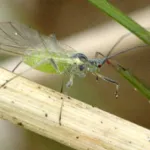
Slugs and snails may damage flowers or emerging foliage. Mealybugs can occur under glass. Inspect plants regularly, remove pests by hand where practical, and avoid persistently wet conditions that weaken bulbs.
Related diseases and pests
Only Plant Doctor profiles whose host data indicate this plant may be affected are shown here.

Toxicity and pollen
The bulb is an ornamental storage organ and should not be eaten. As with other Amaryllidaceae, ingestion may cause gastrointestinal illness and other toxic effects; handle bulbs carefully, wash hands after planting, and keep them away from children and pets. Species-specific clinical toxicity data are limited.
- Typical season
- Late summer to fall during flowering
- Pollination / pollen
- Insect-dispersed pollen
This is an insect-pollinated bulb with pollen released within the flower, so airborne exposure is generally expected to be lower than for wind-pollinated plants. However, low airborne risk is not the same as zero risk; sensitive people should avoid handling flowers if symptoms occur.
Native habitat
The species is native to eastern South Africa, from the Eastern Cape to KwaZulu-Natal, where it occurs in subtropical mountainous environments. It is adapted to seasonal growth, summer activity, and a dormant period with persistent fleshy roots. In cultivation it needs warmth, sun, and free drainage.
Interesting fact
The flowers can emerge on bare stems before the leaves appear. The species is summer-growing and becomes dormant in winter. Its fleshy seeds are short-lived and germinate best when sown fresh. Plants may flower poorly after disturbance but improve as clumps mature.
Frequently asked questions (FAQ)
The most relevant questions about this plant, with short and direct answers.
🌱Quick care
What is Large Pink Nerine (Nerine bowdenii)?⌄
Large Pink Nerine is a deciduous, clump-forming bulb in the Amaryllidaceae family. It produces leafless flower stems with pink, funnel-shaped blooms, usually in fall, followed by strap-shaped foliage.
How do you care for Nerine bowdenii?⌄
Grow Nerine bowdenii in full sun, moderately fertile well-drained soil, and provide moderate water while it is actively growing. Keep the bulb neck exposed and protect it from severe frost and prolonged winter wet.
Is Nerine bowdenii a perennial?⌄
Yes, Nerine bowdenii is a perennial bulb that can return and enlarge into clumps for many years. It typically flowers in fall, grows foliage afterward or around flowering, and becomes dormant during part of the year.
🌤️Environment and placement
How much sun does Nerine bowdenii need?⌄
Nerine bowdenii grows best in full sun, ideally receiving at least six hours of direct light daily. A warm, sheltered position near a south- or west-facing wall can improve flowering in cooler regions.
Can Nerine bowdenii grow in partial shade?⌄
Nerine bowdenii may survive in light partial shade, but it generally flowers best in full sun. Too little light can produce weaker stems, fewer flowers, and less reliable blooming.
What USDA hardiness zone is Nerine bowdenii?⌄
Nerine bowdenii is commonly treated as a frost-protected or marginally hardy bulb in the United States, with success depending on cultivar, drainage, and winter exposure. In colder USDA zones, grow it in a container or protect bulbs with a dry winter mulch.
Can Nerine bowdenii be grown outdoors in the United States?⌄
Yes, Nerine bowdenii can be grown outdoors where winters are moderate and the soil drains sharply. In colder areas, use a sheltered site, a frost-protected container, or lift and store the bulbs if severe freezing is expected.
Can Nerine bowdenii grow in a container?⌄
Yes, Nerine bowdenii grows well in containers filled with an open, sharply draining potting mix. Choose a pot with drainage holes, keep the bulb neck above the soil, and provide winter frost protection where necessary.
What type of soil does Nerine bowdenii need?⌄
Nerine bowdenii prefers moderately fertile, sandy or loamy soil that drains freely while retaining some moisture during active growth. Avoid heavy, waterlogged soil because persistent wetness can cause bulb rot.
💧Care and problems
How often should you water Nerine bowdenii?⌄
Water Nerine bowdenii moderately during active growth, allowing the soil surface to dry slightly between waterings. Reduce or stop watering when the foliage naturally dies back, and keep dormant bulbs from sitting in saturated soil.
Does Nerine bowdenii need fertilizer?⌄
Nerine bowdenii usually needs little fertilizer when planted in moderately fertile soil. If growth is weak or the plant is container-grown, apply a diluted, balanced or low-nitrogen bulb fertilizer during active growth according to the product label.
Why is my Nerine bowdenii not flowering?⌄
Nerine bowdenii may fail to flower because it was recently planted, received too little sun, experienced summer drought, or was planted too deeply. Flowering can also be irregular while bulbs establish, so avoid disturbing healthy clumps unnecessarily.
Why does Nerine bowdenii produce leaves but no flowers?⌄
Leaves without flowers often indicate insufficient summer warmth or moisture stress during the period when flower buds develop. Check that the bulb receives full sun, remains well drained, and is not buried too deeply.
Why are my Nerine bowdenii bulbs rotting?⌄
Nerine bowdenii bulbs usually rot when planted in poorly drained soil or kept too wet during dormancy. Move them to sandy or loamy soil with excellent drainage, keep the neck exposed, and remove damaged tissue before replanting.
What pests affect Nerine bowdenii?⌄
Nerine bowdenii is generally trouble-free, but slugs and snails can damage foliage or flowers, especially in damp conditions. Plants grown under cover may also attract mealybugs, so inspect leaves and bulbs regularly.
Is Nerine bowdenii deer resistant?⌄
Nerine bowdenii is often considered relatively resistant to deer and other browsing animals because its bulb is not edible, but no ornamental plant is completely deer-proof. Deer pressure and local feeding habits can still vary.
🪴Planting and repotting
When should you plant Nerine bowdenii bulbs?⌄
Plant Nerine bowdenii bulbs when they are dormant and available, preferably in spring or late summer depending on local conditions. Planting early enough for roots to establish is helpful, but avoid periods when the soil is cold and waterlogged.
How deep should Nerine bowdenii bulbs be planted?⌄
Plant Nerine bowdenii with the upper portion or neck of the bulb above the soil surface rather than burying it deeply. In containers or heavy soils, shallow planting is especially important for preventing rot.
How far apart should Nerine bowdenii bulbs be planted?⌄
Space Nerine bowdenii bulbs about 4 inches apart in the ground, or close together without touching in containers. Crowded, established clumps often flower well, so do not divide them unless they become congested and bloom poorly.
Can I plant Nerine bowdenii bulbs in spring?⌄
Yes, spring is a suitable planting time for Nerine bowdenii bulbs in many climates. Plant them in full sun with the neck exposed, water moderately during establishment, and protect them from severe frost if your region is cold.
Should Nerine bowdenii bulbs be lifted for winter?⌄
Lift Nerine bowdenii bulbs only where winter freezing or wet soil is likely to cause damage. In milder, well-drained locations, leave them in the ground and protect the planting with a dry mulch if needed.
How do you overwinter Nerine bowdenii in a pot?⌄
Overwinter potted Nerine bowdenii in a cool, sheltered, frost-protected location with excellent drainage. Keep the dormant pot relatively dry, but do not let the bulbs shrivel severely, and return it outdoors after the danger of hard frost passes.
✂️Propagation and pruning
How do you propagate Nerine bowdenii?⌄
The easiest way to propagate Nerine bowdenii is by separating offsets from established bulbs after flowering or during early summer dormancy. Seed and bulb chipping are possible, but they are slower or more specialized methods.
Can Nerine bowdenii be grown from seed?⌄
Yes, Nerine bowdenii can be grown from fresh seed, but seedlings take several years to reach flowering size and may not come true to the parent. Sow fleshy seed promptly because it does not store well.
When should Nerine bowdenii be divided?⌄
Divide Nerine bowdenii in early summer, after flowering and once the plant is entering dormancy. Separate offsets carefully and replant them shallowly, but leave healthy clumps undisturbed when they are flowering well.
Does Nerine bowdenii need pruning?⌄
Nerine bowdenii does not need routine pruning. Remove spent flower stems after blooming, and allow the foliage to yellow and die back naturally before clearing it away.
⚠️Toxicity and safety
Is Nerine bowdenii poisonous?⌄
Nerine bowdenii is a moderately toxic ornamental bulb and should not be eaten. Keep bulbs away from children and pets, wear gloves when handling damaged bulbs, and seek medical or veterinary advice after ingestion.
🌸Flowering and special interest
When does Nerine bowdenii bloom?⌄
Nerine bowdenii usually blooms in fall, often from late summer into autumn depending on climate and cultivar. The flowers appear on upright, leafless stems and can emerge before the foliage is fully developed.
How long do Nerine bowdenii flowers last?⌄
Individual flowers commonly remain attractive for several days, while an entire flower head can provide color for roughly one to two weeks under favorable conditions. Cool weather and protection from heavy rain may extend the display.
Can Nerine bowdenii flower in its first year?⌄
Nerine bowdenii may flower in its first year, but newly planted bulbs often need a season or two to establish before blooming reliably. Full sun, shallow planting, summer moisture, and good drainage improve the chances of flowering.
Should I deadhead Nerine bowdenii?⌄
Deadhead Nerine bowdenii after the flowers fade if you want the bulb to concentrate energy on future growth. Leave the flower head in place only if you want to collect fresh seed.
Can Nerine bowdenii be used as a cut flower?⌄
Yes, Nerine bowdenii makes a useful cut flower because its tall stems and pink blooms provide late-season color. Cut stems when the first flowers begin opening and place them immediately in clean water.
Similar plants
 Crape-flower (Nerine undulata) care guideNerine undulata
 Isabel (Nerine bowdenii ‘Isabel’)Nerine bowdenii 'Isabel'
 Ostara (Nerine bowdenii ‘Ostara’)Nerine bowdenii 'Ostara'
 Zeal Giant (Nerine bowdenii ‘Zeal Giant’)Nerine bowdenii 'Zeal Giant'
 Vesta (Nerine bowdenii ‘Vesta’)Nerine bowdenii 'Vesta'
 Aphrodite (Nerine bowdenii ‘Aphrodite’)Nerine bowdenii 'Aphrodite'