
 AI-generated illustration
Isabel (Nerine bowdenii ‘Isabel’) short overview
Nerine bowdenii 'Isabel' is a deep-pink, autumn-flowering bulbous perennial with sturdy stems, reflexed tepals, strap-shaped foliage, and excellent cut-flower value. Grow it in full sun, sharply drained soil, and a sheltered site; in colder parts of the United States, protect bulbs with dry mulch or overwinter containers indoors. Its South African heritage gives it a summer-growing, winter-dormant rhythm.
Taxonomic classification
Isabel (Nerine bowdenii ‘Isabel’) care guide
Light and placement
Place in full sun, ideally against a south- or west-facing wall or in a warm gravel bed. Strong light supports flowering and sturdy stems. Too little light may produce weak, stretched growth and fewer flowers; excessive heat is usually tolerated if roots remain evenly watered during active growth and never waterlogged.
Watering and humidity
Water thoroughly after planting and during active leaf growth, allowing the top layer of soil to dry slightly between waterings. Reduce watering as foliage dies back and keep dormant bulbs comparatively dry, especially in winter. Containers need more regular checks but must never sit in water.
Soil and growing medium
Use fertile, sharply drained soil that does not remain waterlogged in winter. Loam or sandy loam is suitable; incorporate grit or coarse organic matter where drainage is poor. Slightly acidic through slightly alkaline conditions are tolerated, but drainage and a warm root zone matter more than precise pH.
Feeding
Apply a balanced, dilute fertilizer when active leaves are growing, or top-dress established plants lightly with compost in spring. Avoid heavy nitrogen feeding, which can encourage soft foliage at the expense of flowering. Do not fertilize during summer dormancy or when the bulb is resting in cold, wet soil.
Growth and habit
A summer-growing, winter-dormant bulb forms a slowly expanding clump. Flower stems appear before or around the emergence of strap-shaped leaves, and established bulbs prefer to remain undisturbed so offsets can accumulate. Good drainage is essential during dormancy.
Planting and repotting
Plant in spring after the risk of severe frost has passed. Set bulbs shallowly, leaving the neck or nose above the soil surface; about 4–6 inches of spacing allows clumps to develop without excessive congestion. Water to establish, then avoid unnecessary disturbance for several years.
Repot container-grown bulbs when dormant or just before active growth begins. Use a deep pot with excellent drainage, disturb the fleshy roots as little as possible, and keep the bulb neck exposed. Repot only when the container is crowded or the growing medium has degraded.
Propagation and pruning
Propagation
Divide offsets after flowering or during dormancy, separating bulbs carefully while retaining roots where possible. Seed is possible but slow and variable; freshly harvested, fleshy seeds should be sown promptly because they do not store well, and seedlings may take several years to flower.
Pruning
No routine pruning is required. Remove spent flower heads before seed capsules mature if you want the plant to direct energy toward bulb increase or prevent self-sown seedlings. Allow leaves to yellow naturally before removing them.
Overwintering
In USDA Zones 7–10, provide a sheltered, sharply drained site and cover the planting with dry mulch where hard freezes are possible. In colder climates, grow in containers and keep dormant bulbs cool, dry, and protected from freezing; resume watering gradually as growth begins.
Uses
Use in sunny borders, gravel gardens, raised beds, containers, and sheltered wall-side plantings. The sturdy stems are valuable as cut flowers in the late-season garden. It is ornamental only; the bulbs are not edible and should be kept away from pets and children.
Appearance
This deciduous bulb has glossy, strap-shaped green leaves and erect, leafless flower stems. Each stem carries a rounded cluster of deep rose-pink flowers with wavy, reflexed tepals and a darker stripe. The cultivar is especially valued for sturdy stems and its tendency to bulk up rapidly.
Flowering
This cultivar produces upright, sturdy, leafless stems bearing terminal umbels of lily-like flowers. The deep pink tepals are wavy and reflexed, with a darker stripe along the outer midrib. Flowering is typically in late summer or autumn in temperate cultivation, often before the new foliage is fully developed.
Pollination and visitors
Nerine bowdenii flowers can be visited by insects, and related wild populations have documented fly pollination. Evidence for a specific pollinator assemblage for 'Isabel' is limited, so attraction is rated low rather than assumed to be high.
Diseases and pests
Diseases
Usually trouble-free when grown in well-drained soil. Watch for bulb or root rots in persistently wet conditions and remove affected tissue promptly. Nerines can also be affected by mosaic viruses; buy clean bulbs, disinfect tools, and remove plants showing persistent streaking or distorted growth.
Pests
Slugs may damage emerging leaves and flowers. Inspect at night or after rain, remove hiding places, and use proportionate controls. Bulbs can also be damaged by digging animals or excessive winter moisture; protect containers and improve drainage rather than keeping soil constantly wet.
Related diseases and pests
Only Plant Doctor profiles whose host data indicate this plant may be affected are shown here.
 DiseaseTomato mosaic virusTobamovirus tomatotessellati
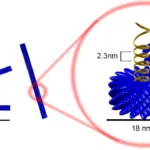 DiseaseTobacco mosaic virusTobamovirus tabaci
 DiseasePepino mosaic virusPepino mosaic virus (PepMV)
 DiseaseLettuce mosaicLettuce mosaic virus
 DiseaseCucumber mosaic virusCucumber mosaic virus
 DiseaseApple mosaic virusIlarvirus ApMV
 DiseaseBeet mosaicPotyvirus betaceum
Toxicity and pollen
The ornamental bulb contains potentially harmful compounds and should not be eaten. Ingestion may cause gastrointestinal or neurological signs, especially in larger amounts. Wear gloves when handling damaged bulbs, keep them away from children and pets, and contact a poison service or veterinarian after ingestion.
- Typical season
- Late summer to autumn
- Pollination / pollen
- Insect-dispersed pollen
The flowers are insect-pollinated, so pollen is not normally released in large airborne clouds. Sensitive individuals may still react to direct contact or close exposure, and the available evidence does not justify calling the plant allergy-free.
Native habitat
The species comes from moist, rocky upland slopes, cliffs, seepage areas, and grassland margins in South Africa, especially the Eastern Cape and KwaZulu-Natal. It experiences seasonal growth, summer moisture, and a comparatively dry winter rest; cultivated forms benefit from a similar rhythm.
Interesting fact
The cultivar received an RHS Award of Garden Merit in trials. It was noted for sturdy stems, rapid clump formation, and a strong stripe on the outer tepal surface. Nerine bowdenii was introduced to Britain from South Africa around 1899 and named for Athelstan Cornish-Bowden.
Frequently asked questions (FAQ)
The most relevant questions about this plant, with short and direct answers.
🌱Quick care
What is Nerine bowdenii 'Isabel'?⌄
Nerine bowdenii 'Isabel' is a bulbous perennial in the Amaryllidaceae family, grown for clusters of dark rose-pink, lily-like flowers on upright stems. It is an autumn-blooming cultivar that can reach about 20 inches tall.
What is the common name for Nerine bowdenii 'Isabel'?⌄
No consistently documented US common name is established for this exact cultivar. It is sometimes sold descriptively as a Bowden lily or nerine, but the cultivar name should be retained for accurate identification.
How much sun does Nerine bowdenii 'Isabel' need?⌄
Grow Nerine bowdenii 'Isabel' in full sun for the strongest stems and best flowering. A sheltered, warm position is especially helpful in areas with cool or wet autumn weather.
How often should I water Nerine bowdenii 'Isabel'?⌄
Water moderately while Nerine bowdenii 'Isabel' is actively growing, allowing excess water to drain away. Reduce watering during its summer or winter dormancy, keeping the bulb comparatively dry.
Is Nerine bowdenii 'Isabel' perennial?⌄
Yes, Nerine bowdenii 'Isabel' is a perennial bulb that can flower repeatedly for many years. It performs best when left undisturbed in well-drained soil.
🌤️Environment and placement
Where should I plant Nerine bowdenii 'Isabel'?⌄
Plant it in a sunny, sheltered border, raised bed, gravel garden, or container with excellent drainage. A site near a south- or west-facing wall can provide useful warmth in cooler climates.
What type of soil does Nerine bowdenii 'Isabel' need?⌄
Nerine bowdenii 'Isabel' needs well-drained loam or sandy loam that does not remain waterlogged. Improve heavy soil with grit or other drainage material, or grow the bulbs in a raised bed.
Can Nerine bowdenii 'Isabel' grow in clay soil?⌄
It can grow in clay only when drainage is substantially improved. Persistent winter moisture around the bulb increases the risk of rot, so raised planting or a container is safer in heavy clay.
Can Nerine bowdenii 'Isabel' grow in a container?⌄
Yes, it grows well in a container with drainage holes and a sharply draining potting mix. Choose a pot that allows the bulb to remain undisturbed for several seasons and protect it from hard freezes.
Is Nerine bowdenii 'Isabel' hardy in the United States?⌄
Its hardiness depends on local winter temperatures, moisture, and shelter, so it is safest to treat it as a protected bulb outside its mildest growing areas. In colder regions, use a container or provide a deep, dry winter mulch and additional freeze protection.
💧Care and problems
Why is my Nerine bowdenii 'Isabel' not flowering?⌄
Common causes include insufficient sun, excessive summer moisture, planting too deeply, recent planting, or cold damage. Nerines may also need a season or two to settle and build a flowering-sized clump.
Why are the bulbs of Nerine bowdenii 'Isabel' rotting?⌄
Bulb rot is usually caused by poorly drained soil or excessive watering during dormancy. Move the bulbs to a drier, freer-draining site and avoid irrigation when the plant is naturally resting.
Does Nerine bowdenii 'Isabel' need fertilizer?⌄
Fertilizer is usually optional in reasonably fertile soil, but a light, balanced feeding during active growth can support bulb development. Avoid heavy nitrogen applications, which may encourage leaves at the expense of flowers.
What pests affect Nerine bowdenii 'Isabel'?⌄
Nerine bowdenii 'Isabel' is generally trouble-free, although slugs may damage emerging foliage or flower stems. Good air circulation, clean growing conditions, and hand removal of slugs can help.
Should I cut back Nerine bowdenii 'Isabel' after flowering?⌄
Remove spent flower heads if you do not want the plant to produce seed, but leave healthy foliage in place until it naturally yellows. The leaves help replenish the bulb for the next flowering season.
🪴Planting and repotting
When should I plant Nerine bowdenii 'Isabel' bulbs?⌄
Plant the bulbs in spring or late summer, depending on when they are supplied and your local climate. Planting while the bulbs are dormant gives them time to establish before their autumn flowering period.
How deep should I plant Nerine bowdenii 'Isabel'?⌄
Plant the bulb with its neck or nose at, or slightly above, the soil surface rather than burying it deeply. Shallow planting is particularly important in heavy or wet soil.
How far apart should Nerine bowdenii 'Isabel' bulbs be planted?⌄
Space bulbs about 6 inches apart, allowing room for the clump to expand while keeping the plants visually effective. Crowded clumps can remain productive for years but may eventually need division.
Can Nerine bowdenii 'Isabel' be left undisturbed?⌄
Yes, it generally flowers best when left undisturbed for several years. Avoid moving the bulbs unless the site is too wet, the clump is overcrowded, or propagation is needed.
✂️Propagation and pruning
How do I propagate Nerine bowdenii 'Isabel'?⌄
Propagate it mainly by separating offsets or dividing established clumps after flowering or during dormancy. Vegetative propagation is preferred because it preserves the named cultivar's flower color and form.
Can Nerine bowdenii 'Isabel' be grown from seed?⌄
It can produce seed, but seedlings may vary from the parent and can take several years to flower. Remove developing seed capsules if you want the bulb clump to put more energy into offsets.
When should I divide Nerine bowdenii 'Isabel'?⌄
Divide overcrowded clumps during dormancy or after flowering, handling the bulbs carefully and replanting them promptly. Division is not necessary every year because established clumps often flower well without disturbance.
⚠️Toxicity and safety
Is Nerine bowdenii 'Isabel' toxic to people?⌄
The bulb is a potentially harmful ornamental plant and should not be eaten. Wear gloves when handling damaged bulbs, and contact a poison-control service or medical professional if ingestion occurs.
Is Nerine bowdenii 'Isabel' safe for pets?⌄
The ornamental bulb should be treated as unsafe for pets to eat. Keep bulbs and plant debris away from dogs, cats, and other animals, and seek veterinary advice if ingestion is suspected.
🌸Flowering and special interest
When does Nerine bowdenii 'Isabel' bloom?⌄
Nerine bowdenii 'Isabel' usually blooms in late summer or fall, often from September into November in climates with suitable growing conditions. The exact timing varies with temperature, planting date, and local weather.
What color are the flowers of Nerine bowdenii 'Isabel'?⌄
The flowers are typically rich dark rose-pink to deep pink, with wavy, reflexed petals and prominent stamens. Color intensity can vary somewhat with light, temperature, and growing conditions.
How tall does Nerine bowdenii 'Isabel' grow?⌄
Flower stems commonly reach about 18 to 24 inches tall, although height varies with climate and cultivation. The narrow leaves are usually followed or accompanied by mostly leafless flowering stems.
Can Nerine bowdenii 'Isabel' be used as a cut flower?⌄
Yes, its sturdy upright stems and long-lasting flower clusters make it suitable for cutting. Harvest stems when the buds are beginning to open and place them in clean water.
Why does Nerine bowdenii 'Isabel' flower before its leaves appear?⌄
Nerines commonly send up their flower stems before the strap-shaped foliage develops fully. This is a normal seasonal growth pattern rather than a sign that the bulb is failing.
Similar plants
 Aphrodite (Nerine bowdenii ‘Aphrodite’)Nerine bowdenii 'Aphrodite'
 Crape-flower (Nerine undulata) care guideNerine undulata
 Vesta (Nerine bowdenii ‘Vesta’)Nerine bowdenii 'Vesta'
 Large Pink Nerine (Nerine bowdenii) care guideNerine bowdenii
 Ostara (Nerine bowdenii ‘Ostara’)Nerine bowdenii 'Ostara'
 Alba (Nerine bowdenii ‘Alba’)Nerine bowdenii 'Alba'