
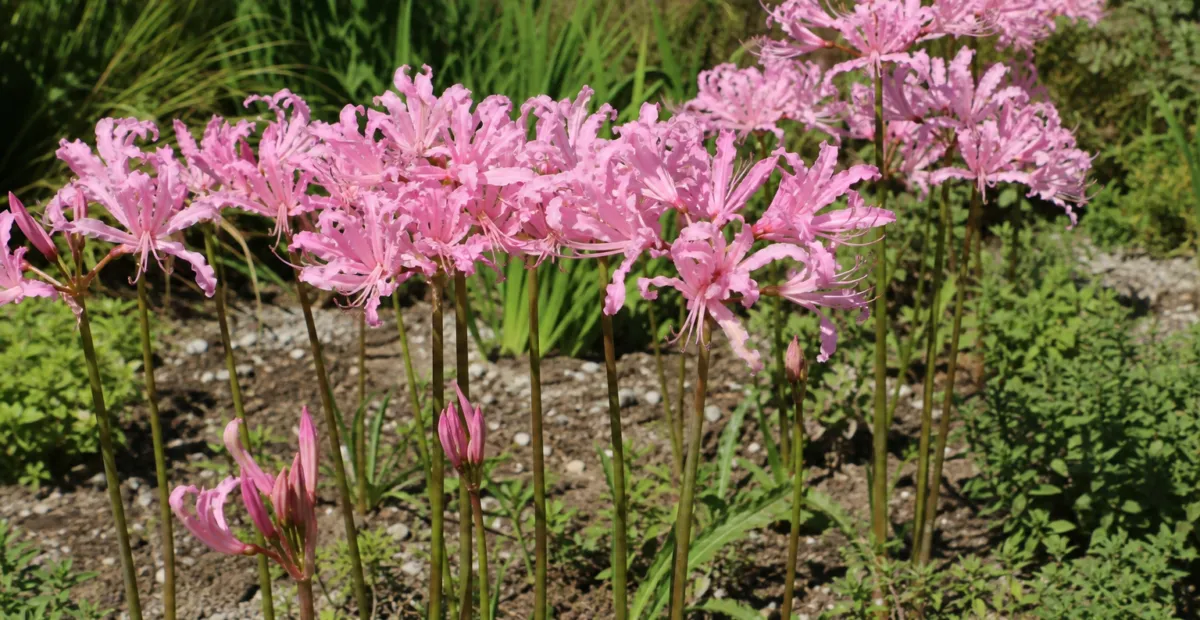
 AI-generated illustration
Aphrodite (Nerine bowdenii ‘Aphrodite’) short overview
Nerine bowdenii 'Aphrodite' is presented as an autumn-flowering bulb identity with an important naming caveat: horticultural references often list ‘Aphrodite’ under ×Amarine Belladiva rather than as a straightforward N. bowdenii cultivar. The plant profile therefore preserves the requested name while flagging the uncertainty. Expect showy pink umbels, summer dormancy, excellent drainage, and protection from severe frost in much of the United States.
Taxonomic classification
Aphrodite (Nerine bowdenii ‘Aphrodite’) care guide
Light and placement
Give full sun for strongest flowering, especially in cooler parts of the United States; partial afternoon shade can help in hot climates. A south-facing wall or protected raised bed is useful. Weak flowering and floppy scapes may indicate insufficient light, while scorched foliage or rapidly drying containers suggest excessive heat or drought.
Watering and humidity
Water thoroughly during active growth, then allow the upper soil to dry before watering again. Reduce watering as foliage yellows and keep dormant bulbs relatively dry, particularly in containers. Resume moderate watering when new growth appears. Good drainage matters more than high humidity; never leave pots standing in water.
Soil and growing medium
Use a sharply drained loam or gritty bulb mix. Outdoor soil should not remain waterlogged, especially during summer dormancy and winter. Neutral to slightly acidic conditions are suitable; improve heavy clay with grit and organic matter rather than planting the bulb into a wet pocket.
Feeding
Feed sparingly as growth resumes, using a balanced bulb fertilizer at label strength or a thin layer of mature compost. A second light feeding after flowering can support bulb replenishment. Do not fertilize while the plant is fully dormant, and avoid high-nitrogen feeding that produces weak foliage.
Growth and habit
This is a clumping geophyte with a pronounced seasonal rhythm: active growth and flowering occur toward late summer or autumn, followed by a dormant period. Maintain the bulbs undisturbed and avoid excessive summer watering, which can encourage rot.
Planting and repotting
Plant dormant bulbs in late summer or early fall where summers are warm enough for dormancy and autumn temperatures support flowering. Keep the neck at or slightly above soil level; space about 4 inches apart for a display. In colder regions, grow in containers or plant beside a protected south-facing wall.
Repot container-grown bulbs when dormant or just before active growth, using a free-draining bulb compost and a pot with drainage holes. Avoid unnecessary disturbance; bulbs flower better when not excessively over-potted.
Propagation and pruning
Propagation
Divide offsets when the plant is dormant or has finished flowering, keeping attached basal tissue intact. Seed is possible for Nerine bowdenii forms, but named cultivars do not come true from seed; use offsets or division to preserve identity. Cultivar-specific fertility for ‘Aphrodite’ is uncertain.
Pruning
Remove spent flower stems after blooming if seed is not wanted. Leave healthy foliage in place until it yellows naturally, because it replenishes the bulb. Cut away only dead or diseased material.
Overwintering
In USDA Zones 7–10, plant in a protected, well-drained site and mulch lightly only after the ground cools. In colder zones, grow in containers and move them to a cool, bright, frost-free location before hard freezes. Keep dormant bulbs only slightly dry rather than warm and continuously wet.
Uses
Use in autumn borders, raised beds, rock gardens, containers, and cut-flower plantings. Its tall, leafless flower stems provide seasonal color when many summer perennials are fading. It is ornamental only and should not be used as food or medicine.
Appearance
The plant forms a basal clump of narrow, strap-shaped green leaves. Tall, mostly leafless scapes rise above the foliage and carry rounded umbels of pink, recurved flowers with prominent stamens. Cultivar-specific appearance is not fully secure because ‘Aphrodite’ is used in conflicting horticultural classifications.
Flowering
The requested identity is associated with autumn-flowering nerine-type umbels. Flowers are borne on tall, mostly leafless scapes, creating a strong seasonal display before or around the return of strap-shaped foliage. Exact flowering performance for ‘Aphrodite’ is uncertain because the name is also used for a ×Amarine Belladiva hybrid.
Pollination and visitors
Reliable cultivar-specific visitor records were not found. Nerine flowers can be visited by insects, and some southern African Nerine forms have specialized pollination systems, but the appropriate visitor group for this exact ‘Aphrodite’ identity remains uncertain.
Diseases and pests
Diseases
Prevent problems by planting shallowly in well-drained soil, avoiding summer irrigation during dormancy, and removing damaged tissue. Watch for bulb rots in wet conditions and virus symptoms such as streaking or distorted foliage; discard badly affected bulbs rather than propagating from them.
Pests
Inspect bulbs and emerging foliage for bulb mites, mealybugs, aphids, and thrips. Good drainage, clean stock, and avoiding overwatering are the main preventive measures; remove heavily infested or rotting bulbs and use only locally approved controls when necessary.
Related diseases and pests
Only Plant Doctor profiles whose host data indicate this plant may be affected are shown here.
 PestMealy Plum AphidHyalopterus pruni (Geoffroy, 1762)
 PestOnion thripsThrips tabaci Lindeman
 PestMelon thripsThrips palmi Karny
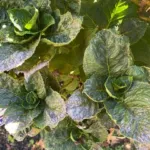 PestChilli thripsScirtothrips dorsalis Hood
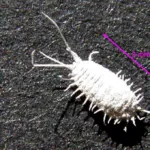 PestObscure mealybugPseudococcus viburni
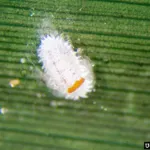 PestCitrus mealybugPlanococcus citri
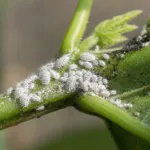 PestCotton mealybugPhenacoccus solenopsis Tinsley
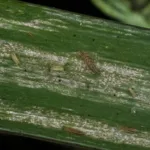 PestDracaena ThripsParthenothrips dracaenae
Toxicity and pollen
Nerine species contain Amaryllidaceae alkaloids, and the bulbs and other tissues should be treated as harmful if eaten. The evidence is strongest for the genus or species rather than this disputed cultivar identity. Avoid ingestion, wash hands after handling bulbs, and keep planting material away from children and pets.
- Typical season
- Late summer to autumn
- Pollination / pollen
- Insect-associated floral pollen
The flowers produce pollen, but this is an insect-associated bulb rather than a strongly wind-dispersed pollen source. No cultivar-specific U.S. airborne-allergy data were found. People with known pollen sensitivity should still avoid handling flowers closely during heavy bloom and monitor personal symptoms.
Native habitat
Nerine bowdenii is native to eastern South Africa, where it occurs in subtropical, mountainous environments and survives seasonal wet–dry cycles as a bulbous geophyte. Cultivated plants need drainage, a distinct dormant period, and protection from severe cold.
Interesting fact
Nerine bowdenii is a summer-growing, winter-dormant geophyte from southern Africa. Its fleshy roots can persist while the bulb is dormant. The name ‘Aphrodite’ is widely associated in horticultural trade with ×Amarine Belladiva, creating a significant identification caveat.
Frequently asked questions (FAQ)
The most relevant questions about this plant, with short and direct answers.
🌱Quick care
What is Nerine bowdenii 'Aphrodite'?⌄
Nerine bowdenii 'Aphrodite' is a bulbous ornamental plant in the Amaryllidaceae family, grown for pink, autumn-blooming flower clusters. It is also frequently marketed in horticultural sources as Amarine Belladiva 'Aphrodite', reflecting its hybrid background.
How do you care for Nerine bowdenii 'Aphrodite'?⌄
Grow it in full sun to partial shade, use sharply drained soil, water moderately while actively growing, and keep it relatively dry during dormancy. Provide winter protection where hard freezes or prolonged wet conditions are expected.
Is Nerine bowdenii 'Aphrodite' easy to grow?⌄
Yes, it is generally manageable when planted in well-drained soil and given a warm, sheltered position. The main risks are excessive winter moisture, deep planting, and insufficient protection from hard frost.
🌤️Environment and placement
How much sunlight does Nerine bowdenii 'Aphrodite' need?⌄
Give Nerine bowdenii 'Aphrodite' full sun for the strongest flowering, although partial shade is tolerated. In cooler climates, a sunny, heat-reflective location is especially helpful.
Can Nerine bowdenii 'Aphrodite' grow in partial shade?⌄
Yes, it can grow in partial shade, but flowering may be less abundant than in full sun. Choose bright partial shade with good air circulation and soil that drains quickly.
Is Nerine bowdenii 'Aphrodite' hardy in the United States?⌄
Its hardiness varies with winter temperature, drainage, and protection, so it is safest to treat it as a protected bulb in colder parts of the United States. In mild regions, it may remain outdoors in a sheltered, well-drained site.
Can Nerine bowdenii 'Aphrodite' survive frost?⌄
It can tolerate light frost when established and kept dry, but hard or prolonged freezes may damage the bulb. Grow it in a protected location or overwinter containers in a frost-free place where severe cold is expected.
Can Nerine bowdenii 'Aphrodite' grow in containers?⌄
Yes, it grows well in a container filled with gritty, well-drained bulb compost. Containers are particularly useful in colder or wetter climates because they can be moved under cover for winter.
What is the best location for Nerine bowdenii 'Aphrodite'?⌄
Choose a sunny, sheltered spot protected from strong wind and winter-wet soil. A raised bed, south-facing border, rock garden, or container is suitable if drainage is excellent.
💧Care and problems
How often should you water Nerine bowdenii 'Aphrodite'?⌄
Water moderately during active growth, allowing the upper part of the soil to dry slightly between waterings. Reduce watering as the foliage dies back and keep the bulb mostly dry during dormancy.
Why is my Nerine bowdenii 'Aphrodite' not flowering?⌄
Poor flowering is commonly linked to insufficient sun, excessive summer moisture, recent disturbance, or immature bulbs. Keep the plant warm and dry during dormancy, avoid moving it unnecessarily, and allow time for clumps to establish.
Why are the leaves of Nerine bowdenii 'Aphrodite' turning yellow?⌄
Yellowing leaves are normal as the plant enters dormancy after its growing season. If yellowing occurs while the plant should be actively growing, check for overwatering, poor drainage, bulb rot, or inadequate light.
Does Nerine bowdenii 'Aphrodite' need fertilizer?⌄
Apply a modest bulb fertilizer when growth begins and again after flowering if the plant is actively producing foliage. Avoid heavy feeding, especially during dormancy, because excess fertility can encourage weak growth and reduce drainage.
What soil does Nerine bowdenii 'Aphrodite' need?⌄
Use well-drained loam or a gritty bulb compost that does not remain waterlogged. Improve heavy soil with coarse grit, mineral material, or organic matter while preserving rapid drainage around the bulb.
🪴Planting and repotting
When should you plant Nerine bowdenii 'Aphrodite' bulbs?⌄
Plant dry bulbs in late summer or early fall, before the main autumn flowering period. In cold or wet climates, container planting is safer because bulbs can be protected before winter.
How deep should Nerine bowdenii 'Aphrodite' bulbs be planted?⌄
Plant the bulb with its neck or upper tip at, or slightly above, the soil surface rather than burying it deeply. Shallow planting helps prevent rot and reflects the plant’s preference for well-drained conditions.
Does Nerine bowdenii 'Aphrodite' like to be root-bound?⌄
It generally flowers well when slightly crowded and should not be repotted unnecessarily. Repot only when the container is severely congested, the compost has deteriorated, or drainage has declined.
✂️Propagation and pruning
How do you propagate Nerine bowdenii 'Aphrodite'?⌄
The most practical method is separating offsets from an established bulb clump during dormancy or just before new growth begins. Seed propagation is possible but is slower and may not produce plants identical to the named cultivar.
Should you divide Nerine bowdenii 'Aphrodite' bulbs?⌄
Divide the bulbs only when the clump is overcrowded or you need additional plants. Separate offsets carefully during the dormant period and replant them shallowly in sharply drained compost.
Should you cut back Nerine bowdenii 'Aphrodite' after flowering?⌄
Remove spent flower heads if you do not want seed production, but leave healthy foliage in place until it naturally yellows and dies back. The leaves help replenish the bulb for the next flowering season.
⚠️Toxicity and safety
Is Nerine bowdenii 'Aphrodite' toxic to pets?⌄
Yes, the bulb and other plant parts should be treated as moderately toxic if eaten. Keep bulbs and plant material away from dogs, cats, children, and other animals, and contact a medical or veterinary professional if ingestion occurs.
🌸Flowering and special interest
When does Nerine bowdenii 'Aphrodite' bloom?⌄
It typically blooms from late summer into fall, often around September and October in temperate climates. Flowering time can shift with local temperatures, planting conditions, and whether the plant is grown indoors or outdoors.
What color are the flowers of Nerine bowdenii 'Aphrodite'?⌄
The flowers are usually bright to rosy pink and appear in rounded clusters on sturdy, leafless stems. Individual blooms have narrow, slightly recurved or wavy petals that give the flower heads a delicate appearance.
Can Nerine bowdenii 'Aphrodite' be used as a cut flower?⌄
Yes, its tall stems and long-lasting pink flower clusters make it suitable for cutting. Harvest stems when the first flowers in a cluster are beginning to open, and place them immediately in clean water.
Similar plants
 Zeal Giant (Nerine bowdenii ‘Zeal Giant’)Nerine bowdenii 'Zeal Giant'
 Large Pink Nerine (Nerine bowdenii) care guideNerine bowdenii
 Vesta (Nerine bowdenii ‘Vesta’)Nerine bowdenii 'Vesta'
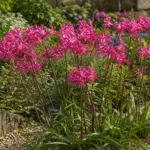 Isabel (Nerine bowdenii ‘Isabel’)Nerine bowdenii 'Isabel'
 Alba (Nerine bowdenii ‘Alba’)Nerine bowdenii 'Alba'
 Crape-flower (Nerine undulata) care guideNerine undulata