
 AI-generated illustration
Vesta (Nerine bowdenii ‘Vesta’) short overview
Nerine bowdenii 'Vesta' is a fall-flowering bulbous perennial valued for its elegant umbels of pale baby-pink, recurved flowers. The leafless flower stems appear before or alongside the strap-shaped foliage, creating a distinctive late-season display. Plant bulbs in full sun and sharply drained soil, keeping them relatively dry during summer dormancy. In colder or wetter parts of the United States, grow it in a container or provide winter protection.
Taxonomic classification
Vesta (Nerine bowdenii ‘Vesta’) care guide
Light and placement
Give full sun, ideally in a south- or west-facing, sheltered position with good air movement. Strong light supports flowering and sturdy stems. Sparse growth or poor flowering can indicate inadequate sun; scorched foliage is less common than problems caused by wet soil, but provide afternoon shelter in very hot reflected locations if leaves show stress.
Watering and humidity
Water moderately while roots and leaves are actively growing, allowing the soil to dry somewhat between waterings. Reduce watering as foliage dies back and keep the bulb comparatively dry through summer dormancy. In containers, water thoroughly and let excess drain completely; winter wet is more dangerous than brief dryness.
Soil and growing medium
Use a light, sharply drained soil or gritty bulb mix. Sandy or loamy ground amended with grit or coarse organic matter is suitable, provided winter moisture does not remain around the bulbs. Nerines tolerate a range of pH conditions, from mildly acidic through alkaline, but drainage is more important than exact pH.
Feeding
Feed lightly in spring as growth begins with a balanced bulb fertilizer or a modest layer of mature compost around established plants. Do not overfeed during summer dormancy, and avoid rich, nitrogen-heavy fertilizer that encourages soft foliage rather than reliable flowering.
Growth and habit
This summer-dormant bulb forms a compact clump and produces flower stems before or around the emergence of its strap-shaped leaves. Maintain a dry resting period, avoid unnecessary disturbance, and expect flowering to become more dependable as clumps establish. Group planting improves the visual display.
Planting and repotting
Plant in spring after the soil can be worked. Set bulbs with the neck at or just above soil level in mild climates; in colder regions, cover them lightly while retaining excellent drainage. Space bulbs about 6–8 inches apart for a group effect and avoid watering heavily during summer dormancy.
Repot container-grown bulbs only when crowded or when the potting mix has deteriorated, preferably while the bulbs are dormant in late spring or early summer. Use a deep container with generous drainage holes and disturb the fleshy roots as little as possible.
Propagation and pruning
Propagation
Divide offsets after flowering or during the dormant period, taking care to retain healthy roots and bulb tissue. Seed propagation is possible but is slower and will not reproduce the named cultivar reliably. Offset division is the practical method for maintaining 'Vesta' traits.
Pruning
No routine pruning is needed. Remove spent flower heads if seed is not wanted, and allow the foliage to yellow naturally before removing it. Do not cut green leaves because they replenish the bulb for the next flowering season.
Overwintering
In USDA Zones 8–9, leave bulbs outdoors only in very well-drained soil and protect them from prolonged cold and winter wet with a dry mulch or rain shelter. In colder zones, grow in containers or lift bulbs after dormancy, keep them dry and frost-free, and replant in spring.
Uses
Use in sunny fall borders, gravel gardens, raised beds, patio containers, and as a cut flower. Its late-season umbels provide color when many summer perennials are fading. Do not use the bulbs for food or medicinal purposes.
Appearance
The plant has upright, leafless flower stems topped by loose rounded umbels. Flowers are pale baby pink with narrow, wavy-margined petals that curl backward at the tips. Strap-shaped basal leaves appear after or around flowering and form a low tuft before the plant enters summer dormancy.
Flowering
Flowering occurs in early to mid-fall, commonly before the foliage is fully developed. Each upright, leafless stem carries a loose rounded umbel of lily-like flowers with narrow, wavy-edged petals that curl or recurve at the tips. Individual flowers are relatively large for the genus, and the cultivar is noted for pale baby-pink coloring.
Pollination and visitors
Reliable cultivar-specific records of animal visitors were not found. The flowers have exposed stamens and are insect-pollinated in the broader Nerine group, but the strength and identity of visitors to 'Vesta' are not sufficiently documented for a narrower claim.
Diseases and pests
Diseases
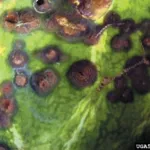
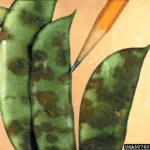
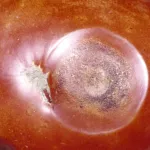
Usually trouble-free when grown in well-drained soil. Excess moisture can encourage bulb rots. Remove damaged material, improve drainage, avoid summer irrigation, and use clean containers and fresh potting mix when repotting. Virus problems are possible in cultivated Nerine collections, so discard badly distorted or persistently mottled plants rather than propagating them.
Pests
Slugs may damage emerging foliage. Inspect plants regularly, remove hiding places, and use proportionate slug controls where needed. Bulbs can also suffer when kept excessively wet, especially in containers without free drainage.
Related diseases and pests
Only Plant Doctor profiles whose host data indicate this plant may be affected are shown here.

Toxicity and pollen
The bulbs are ornamental and should not be eaten. The RHS classifies Nerine bowdenii 'Vesta K' as potentially harmful if ingested and recommends gloves or protective equipment when handling ornamental bulbs. Exact clinical toxicity data for 'Vesta' are limited, so prevent chewing or ingestion by children and pets and wash hands after handling.
- Pollination / pollen
- Insect-dispersed floral pollen
Nerine bowdenii is a flowering, insect-pollinated bulb, but reliable United States pollen-allergy data for this cultivar were not found. Do not assume zero risk solely because insects visit the flowers; people with known bulb-flower sensitivities should avoid direct exposure and wear gloves when handling bulbs.
Native habitat
The species comes from South Africa and is adapted to a seasonal rhythm of summer dormancy, autumn flowering, and leaf growth after bloom. In cultivation it performs best in sunny, sheltered situations where the bulb can remain dry during dormancy but receive moisture during active growth.
Interesting fact
The flowers typically appear before the strap-shaped leaves, giving the plant a 'naked' flowering effect. 'Vesta' is also encountered in horticultural listings as 'Vesta K'. The cultivar is valued for pale baby-pink flowers and useful cut-flower stems.
Frequently asked questions (FAQ)
The most relevant questions about this plant, with short and direct answers.
🌱Quick care
What is Nerine bowdenii 'Vesta'?⌄
Nerine bowdenii 'Vesta' is a summer-dormant bulbous perennial that produces soft pink, lily-like flowers in early to mid-fall. It belongs to the Amaryllidaceae family and is grown for its late-season blooms.
How much sunlight does Nerine bowdenii 'Vesta' need?⌄
Nerine bowdenii 'Vesta' needs full sun for reliable flowering. Choose the brightest, warmest location available, especially in areas with cool summers.
How tall does Nerine bowdenii 'Vesta' grow?⌄
Nerine bowdenii 'Vesta' typically grows about 20–25 inches tall. The flower stems appear before the strap-shaped foliage, giving the plant a leafless appearance while it blooms.
When does Nerine bowdenii 'Vesta' bloom?⌄
Nerine bowdenii 'Vesta' usually blooms from late summer into fall, most often around September and October in suitable climates. Flowering time can shift with weather and growing conditions.
🌤️Environment and placement
Where should I plant Nerine bowdenii 'Vesta'?⌄
Plant Nerine bowdenii 'Vesta' in a full-sun, warm, sheltered location with sharply draining soil. A south- or west-facing border, raised bed, rock garden, or container is suitable.
What type of soil does Nerine bowdenii 'Vesta' prefer?⌄
Nerine bowdenii 'Vesta' prefers moderately fertile, well-drained sandy or loamy soil. Improve heavy soil with grit or other drainage material rather than allowing the bulbs to remain wet.
Can Nerine bowdenii 'Vesta' grow in containers?⌄
Yes, Nerine bowdenii 'Vesta' grows well in containers with excellent drainage. Use a loam-based potting mix amended with horticultural grit, and choose a pot only slightly wider than the bulb cluster.
What USDA hardiness zones are suitable for Nerine bowdenii 'Vesta'?⌄
Nerine bowdenii 'Vesta' is best treated as a protected perennial in roughly USDA Zones 7–9, although hardiness reports vary by source and microclimate. In colder areas, grow it in a container or lift the bulbs for winter.
Can Nerine bowdenii 'Vesta' tolerate frost?⌄
Nerine bowdenii 'Vesta' tolerates only limited frost and should be protected from hard freezes and prolonged winter wet. Apply a dry winter mulch in mild areas, or overwinter container-grown bulbs in a frost-free place.
💧Care and problems
How often should I water Nerine bowdenii 'Vesta'?⌄
Water Nerine bowdenii 'Vesta' moderately while it is rooting and actively growing, allowing excess water to drain away. Reduce watering during its summer dormancy because wet conditions can cause bulb problems.
Should Nerine bowdenii 'Vesta' be fertilized?⌄
Feed Nerine bowdenii 'Vesta' lightly in spring with a balanced fertilizer as foliage develops. Avoid heavy feeding during summer dormancy and do not keep the soil excessively wet.
Why is my Nerine bowdenii 'Vesta' not flowering?⌄
Nerine bowdenii 'Vesta' may fail to flower because it is newly planted, receives too little sun, is disturbed too often, or stays too wet during dormancy. Bulbs can also take a year or more to settle before flowering reliably.
Why does Nerine bowdenii 'Vesta' have flowers but no leaves?⌄
This is normal for Nerine bowdenii 'Vesta' because its flower stems emerge before the foliage. Strap-shaped leaves generally appear after flowering and then support the bulb before the next dormant period.
Is Nerine bowdenii 'Vesta' susceptible to pests or diseases?⌄
Nerine bowdenii 'Vesta' is generally low-maintenance and relatively disease-free, but slugs may damage emerging foliage or flower stems. The main cultural risk is bulb rot caused by poor drainage or excessive summer moisture.
🪴Planting and repotting
When should I plant Nerine bowdenii 'Vesta' bulbs?⌄
Plant Nerine bowdenii 'Vesta' bulbs in spring. This gives them time to establish roots before their late-summer or fall flowering period.
How deep should I plant Nerine bowdenii 'Vesta' bulbs?⌄
Plant Nerine bowdenii 'Vesta' with the neck or top of the bulb at, or slightly above, the soil surface. Deep planting can reduce flowering and increases the risk of rot in heavy or wet soil.
How far apart should Nerine bowdenii 'Vesta' bulbs be planted?⌄
Plant Nerine bowdenii 'Vesta' bulbs about 4–8 inches apart, depending on the desired display. They flower well in groups and generally prefer not to be divided frequently.
Can I plant Nerine bowdenii 'Vesta' in heavy clay soil?⌄
You can plant Nerine bowdenii 'Vesta' in clay only if drainage is improved substantially. Use a raised position, incorporate coarse drainage material, and avoid locations that remain waterlogged in winter or summer.
✂️Propagation and pruning
How do I propagate Nerine bowdenii 'Vesta'?⌄
Propagate Nerine bowdenii 'Vesta' by separating offsets from the established bulb clump after flowering or during dormancy. Replant the offsets shallowly and expect young bulbs to need time before they bloom.
Should I divide Nerine bowdenii 'Vesta' bulbs every year?⌄
No, Nerine bowdenii 'Vesta' should not be divided every year because established clumps often flower better when left undisturbed. Divide only when the clump becomes overcrowded or you need additional plants.
Does Nerine bowdenii 'Vesta' need pruning?⌄
Nerine bowdenii 'Vesta' does not need routine pruning. Remove spent flower heads if desired, but leave the foliage in place until it yellows naturally so the bulb can replenish its reserves.
⚠️Toxicity and safety
Is Nerine bowdenii 'Vesta' poisonous to people or pets?⌄
Nerine bowdenii 'Vesta' is a potentially harmful ornamental bulb if eaten. Keep bulbs away from children and pets, and wear gloves when handling them if you have sensitive skin.
🌸Flowering and special interest
What color are the flowers of Nerine bowdenii 'Vesta'?⌄
Nerine bowdenii 'Vesta' produces soft pink to pale salmon-pink flowers with narrow, wavy, recurved petals. The flowers are held in loose rounded clusters on upright, leafless stems.
Are Nerine bowdenii 'Vesta' flowers good for cutting?⌄
Yes, Nerine bowdenii 'Vesta' makes a useful cut flower with strong stems and attractive late-season color. Cut stems when the flowers are beginning to open and place them immediately in clean water.
Is Nerine bowdenii 'Vesta' fragrant?⌄
Nerine bowdenii 'Vesta' is sometimes described as lightly fragrant, but scent intensity can vary and may be subtle outdoors. Its main ornamental feature is the soft pink flower display.
Will Nerine bowdenii 'Vesta' naturalize in the garden?⌄
Nerine bowdenii 'Vesta' can form larger clumps over time, but it is not generally considered a rapidly naturalizing bulb. It performs best when planted in a permanent, sunny location and left relatively undisturbed.
Similar plants
 Aphrodite (Nerine bowdenii ‘Aphrodite’)Nerine bowdenii 'Aphrodite'
 Crape-flower (Nerine undulata) care guideNerine undulata
 Alba (Nerine bowdenii ‘Alba’)Nerine bowdenii 'Alba'
 Zeal Giant (Nerine bowdenii ‘Zeal Giant’)Nerine bowdenii 'Zeal Giant'
 Large Pink Nerine (Nerine bowdenii) care guideNerine bowdenii
 Isabel (Nerine bowdenii ‘Isabel’)Nerine bowdenii 'Isabel'