
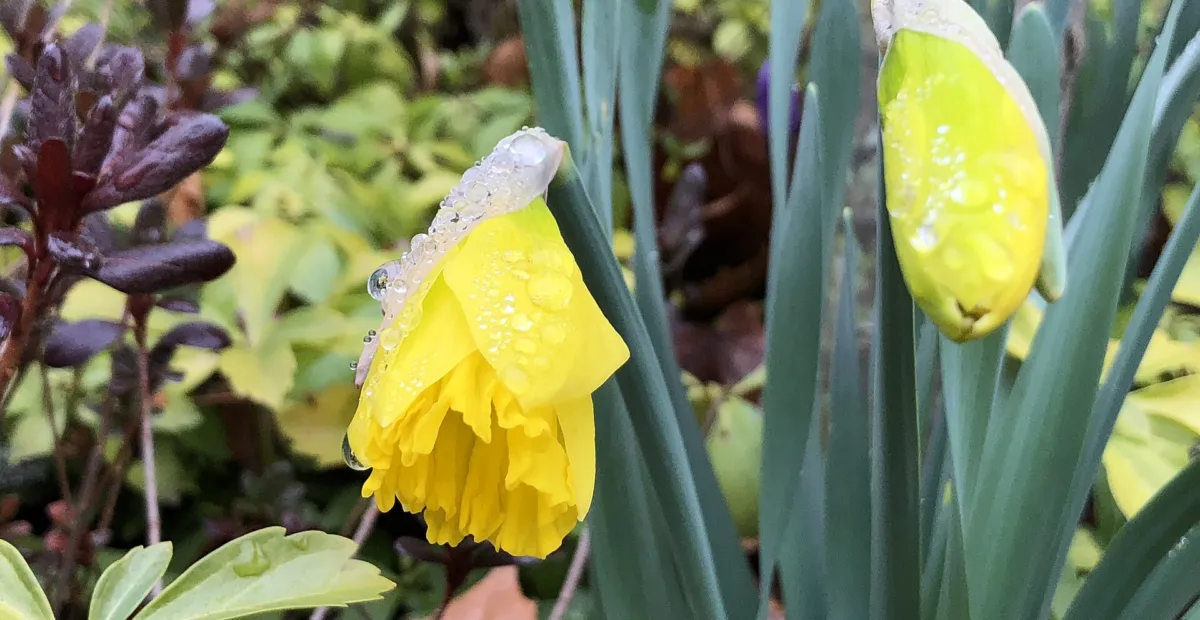
 Source:
 Narcissus ‘King Alfred’ short overview
Narcissus 'King Alfred' is a historic trumpet daffodil introduced in England in 1899 and still valued for its bold, vivid yellow flowers. Each sturdy stem carries one broad bloom with a long cylindrical corona, while narrow green leaves form a spring clump below. Plant bulbs in fall, about 4–6 inches deep, in moderately fertile, well-drained soil. Full sun gives the strongest flowering, though light partial shade is tolerated. Let foliage yellow naturally after bloom.
Taxonomic classification
Narcissus ‘King Alfred’ care guide
Light and placement
Give full sun for the strongest flowering, ideally with at least 6 hours of direct light. Light partial shade is acceptable, especially beneath deciduous trees that are bare during spring. Too little light produces weaker stems, fewer flowers and less reliable naturalizing. In hot regions, morning sun with light afternoon shade can reduce heat stress without significantly limiting bloom.
Watering and humidity
Water after fall planting and during dry periods while roots and foliage are developing. Keep soil evenly moist but never saturated through active growth and flowering. Reduce watering after the leaves yellow and the bulb enters summer dormancy. Outdoor humidity is normally sufficient; avoid irrigation that repeatedly wets dense foliage late in the season.
Soil and growing medium
Use moderately fertile, well-drained soil that retains some moisture during active growth. Loam is ideal, but the cultivar tolerates clay, sand, chalky soils and a range from acidic to alkaline conditions. Improve heavy clay with organic matter and avoid sites that stay waterlogged, since dormant bulbs are prone to rot in persistently wet ground.
Feeding
At planting, work a modest amount of bulb fertilizer or compost into poor soil without placing concentrated fertilizer directly against bulbs. After flowering, apply a balanced fertilizer while leaves are still green if soil fertility is low. Do not feed heavily with high nitrogen, and do not fertilize dormant bulbs in summer.
Growth and habit
Plants emerge from bulbs in late winter or spring, forming a tuft of leaves and upright flower stems. Established clumps can naturalize and gradually increase through offsets. For reliable flowering, allow the foliage to remain green after bloom so the bulb can rebuild reserves; avoid tying, mowing or cutting leaves prematurely.
Planting and repotting
Plant in fall, ideally from September through November in much of the United States, before the ground freezes. Set bulbs with the pointed end upward at roughly 4–6 inches deep, or about two to three times the bulb height, and space them about 4–6 inches apart. Water after planting and keep the site evenly moist during establishment.
Container-grown bulbs can remain in place for several seasons if flowering stays strong. Refresh crowded pots after the foliage has died back, separating offsets and replacing spent or poorly drained compost. Use a free-draining, moderately fertile container mix with drainage holes, and keep the bulbs cool and dormant over summer.
Propagation and pruning
Propagation
Propagate mainly by lifting clumps after the foliage fades and separating offsets. Replant offsets promptly or store them dry and cool until fall planting. Seed propagation is possible but slow and does not reproduce the named cultivar reliably; seedlings vary genetically and may take several years to flower.
Pruning
Remove spent flower heads after blooming if seed formation is not wanted. Leave all foliage intact until it has yellowed and detached naturally, then remove it neatly. Do not braid or cut green leaves, because premature removal reduces bulb recharge and can weaken flowering in the following year.
Overwintering
Leave bulbs outdoors in the ground in suitable USDA Zones 3–8, using well-drained soil and a light mulch in exposed or very cold sites. Container bulbs are more vulnerable to freezing; group pots against a sheltered wall or move them into an unheated garage after dormancy begins. Do not keep dormant bulbs warm and wet.
Uses
Use in spring borders, informal beds, lawns, woodland-edge plantings beneath deciduous trees, containers and cut-flower displays. It can naturalize and form drifts where drainage is good. Do not use any part as food or medicine; bulbs are toxic and should never be confused with edible onions.
Appearance
Narrow, strap-shaped green leaves emerge from the bulb in an erect to slightly spreading tuft. Each leafless stem carries a single broad yellow flower. The six perianth segments may be slightly twisted, while the central corona is cylindrical, yellow and distinctly flared or notched at the rim. These traits identify the cultivar within the classic trumpet-daffodil group.
Flowering
This Division 1 trumpet daffodil produces one flower per leafless stem. The trumpet, or corona, is at least as long as the surrounding perianth segments. In United States gardens it generally blooms in early to mid-spring, with timing shifting earlier in warm climates and later in colder regions. Removing faded flowers can direct energy away from seed production, but leaves should remain until they yellow.
Pollination and visitors
The open trumpet flowers may be visited by bees and bumblebees during spring, although this cultivar is primarily grown for ornament rather than as a major pollinator plant. Visitor activity depends on local weather, flower abundance and the availability of earlier or more rewarding nectar sources.
Narcissus 'King Alfred' photos
Click any photo for a larger view. Source, author and license are shown separately.
Diseases and pests
Diseases
Watch for narcissus basal rot, leaf scorch and daffodil viruses. Use healthy bulbs, avoid waterlogged soil, provide good air circulation and remove visibly diseased plants. Do not replant affected bulbs in the same location without addressing drainage and sanitation problems.
Pests
Slugs, narcissus bulb fly, narcissus eelworm and bulb scale mite may attack bulbs or foliage. Buy firm, disease-free bulbs, avoid overwatering and remove plant debris. Lift and discard badly damaged bulbs rather than composting them. Manage slugs with hand-picking, barriers or locally approved controls; chemical treatments are rarely needed for a healthy planting.
Related diseases and pests
Only Plant Doctor profiles whose host data indicate this plant may be affected are shown here.
 DiseaseWhite Root Rot (Rosellinia Root Rot)Rosellinia necatrix Berl. ex Prill. (synonym: Dematophora necatrix)
 PestCitrus mealybugPlanococcus citri
 Environmental stressWaterlogging
 PestBrown planthopperNilaparvata lugens (Stål)
 PestRosy Apple AphidDysaphis plantaginea
 Environmental stressWind scorch
 Environmental stressHeat scorch
Toxicity and pollen
Narcissus bulbs and other plant parts contain toxic alkaloids and can cause gastrointestinal illness if eaten; the bulbs are especially dangerous because they may be mistaken for onions. Sap may irritate skin. Wear gloves when handling bulbs, keep them away from children and pets, and seek medical or veterinary advice after ingestion.
- Typical season
- Spring bloom period
- Pollination / pollen
- Heavy, insect-associated pollen; limited airborne dispersal
Daffodil pollen is generally heavy and released within the flower rather than dispersed in large airborne clouds. Allergy risk is usually low compared with strongly wind-pollinated plants, but sensitive individuals can still react to flowers, sap or handling. Cut stems may release sap that irritates skin.
Native habitat
This is a cultivated garden hybrid rather than a wild species with a single native habitat. Like other temperate Narcissus, it follows a seasonal bulb cycle: cool moist conditions support rooting and leaf growth, followed by spring flowering and a dry summer dormancy. It performs best in open, well-drained soils with winter moisture and summer rest.
Interesting fact
'King Alfred' was introduced in 1899 and became a standard yellow trumpet daffodil. The registered flower code is 1 Y-Y, meaning Division 1 with yellow perianth and yellow corona. It received the RHS First Class Certificate in 1899. The named cultivar is historically important, although newer trumpet cultivars often offer larger flowers or improved performance.
Frequently asked questions (FAQ)
The most relevant questions about this plant, with short and direct answers.
🌱Quick care
What is Narcissus 'King Alfred'?⌄
Narcissus 'King Alfred' is a classic yellow trumpet daffodil and a hardy spring-flowering bulb. It typically produces one large, bright-yellow flower per stem.
How tall does Narcissus 'King Alfred' grow?⌄
Narcissus 'King Alfred' usually grows about 16–22 inches tall. Height can vary with bulb size, soil, moisture, and local spring conditions.
Is Narcissus 'King Alfred' a perennial?⌄
Yes, Narcissus 'King Alfred' is a perennial bulb that can return and flower for many years. It performs best when the bulbs are planted in well-drained soil and the foliage is allowed to mature after flowering.
🌤️Environment and placement
How much sun does Narcissus 'King Alfred' need?⌄
Plant Narcissus 'King Alfred' in full sun to partial shade. Full sun generally produces the strongest flowering, while light afternoon shade is suitable in warmer climates.
What USDA hardiness zones can grow Narcissus 'King Alfred'?⌄
Narcissus 'King Alfred' is generally hardy in USDA Zones 3–8. In colder areas, plant bulbs deeply and apply a light winter mulch after the ground cools.
What soil is best for Narcissus 'King Alfred'?⌄
Use moderately fertile, well-drained soil, preferably a loam enriched with organic matter. This daffodil tolerates clay, sand, chalk, and a range of soil pH, but consistently wet soil can cause bulb rot.
Can Narcissus 'King Alfred' grow in clay soil?⌄
Yes, Narcissus 'King Alfred' can grow in clay soil if drainage is improved. Incorporate organic matter and avoid planting where water remains after rain.
Can Narcissus 'King Alfred' grow in containers?⌄
Yes, Narcissus 'King Alfred' grows well in containers with drainage holes and a quality potting mix. Protect containers from extreme winter temperature swings, especially in colder regions.
💧Care and problems
How often should I water Narcissus 'King Alfred'?⌄
Water Narcissus 'King Alfred' when needed to keep the soil moderately and evenly moist during active growth. Reduce watering after the foliage naturally dies back, because dormant bulbs tolerate drier conditions.
Why is my Narcissus 'King Alfred' not flowering?⌄
Poor flowering is commonly caused by inadequate light, overcrowding, immature bulbs, excessive nitrogen, or foliage removed too early the previous year. If a mature clump declines, divide it after the leaves die back and replant the offsets.
Why are the leaves of Narcissus 'King Alfred' turning yellow?⌄
Leaves normally turn yellow as Narcissus 'King Alfred' enters dormancy after flowering. Yellowing during active growth can indicate overwatering, poor drainage, nutrient stress, or disease.
Does Narcissus 'King Alfred' need fertilizer?⌄
Narcissus 'King Alfred' usually needs little fertilizer when planted in reasonably fertile soil. If feeding is necessary, use a balanced bulb fertilizer according to the label rather than high-nitrogen lawn fertilizer.
What pests affect Narcissus 'King Alfred'?⌄
Narcissus 'King Alfred' is relatively resistant to deer and rabbits, but slugs, narcissus bulb fly, bulb scale mites, and nematodes may occasionally cause problems. Good drainage, healthy bulbs, and prompt removal of diseased material help reduce risk.
What diseases can affect Narcissus 'King Alfred'?⌄
Potential problems include basal rot, leaf scorch, and narcissus viruses. Poor drainage increases the risk of bulb rot, so plant only firm bulbs in soil that drains freely.
🪴Planting and repotting
When should I plant Narcissus 'King Alfred' bulbs?⌄
Plant Narcissus 'King Alfred' bulbs in early to mid-fall, before the ground freezes. Fall planting allows roots to develop before winter and supports spring flowering.
How deep should I plant Narcissus 'King Alfred' bulbs?⌄
Plant the bulbs with the pointed end up at roughly two to three times the bulb's height, usually about 3–6 inches deep for typical bulbs. Heavy soils may require slightly shallower planting, while sandy soils can allow greater depth.
How far apart should Narcissus 'King Alfred' bulbs be planted?⌄
Space Narcissus 'King Alfred' bulbs about 4–10 inches apart, with larger bulbs given more room. Wider spacing reduces the need for frequent division as clumps multiply.
Can Narcissus 'King Alfred' bulbs be planted late?⌄
Yes, late planting is usually possible if the soil remains workable, but flowering may be reduced or delayed the first spring. Plant the bulbs promptly, avoid waterlogged soil, and mulch lightly after the ground cools.
Can Narcissus 'King Alfred' be naturalized in lawns or woodland gardens?⌄
Yes, Narcissus 'King Alfred' can naturalize in open lawns, informal beds, and beneath deciduous trees. Choose a site with spring sunlight and do not mow until the foliage has yellowed and weakened naturally.
✂️Propagation and pruning
How do I propagate Narcissus 'King Alfred'?⌄
Propagate Narcissus 'King Alfred' by separating offsets after the foliage fades in summer. Replant healthy offsets promptly at the recommended depth; growing from seed is much slower and does not produce exact clones.
When should I divide Narcissus 'King Alfred' clumps?⌄
Divide Narcissus 'King Alfred' clumps just after the foliage dies back in early summer. Division is most useful when flowering declines or the bulbs become crowded.
Should I deadhead Narcissus 'King Alfred'?⌄
Yes, remove the faded flower head or upper flower stem to prevent unnecessary seed production. Leave the green leaves intact so the bulb can replenish its energy for next year's flowers.
When can I cut back Narcissus 'King Alfred' foliage?⌄
Cut back the foliage only after it has naturally yellowed and loosened, usually several weeks after flowering. Do not braid, tie, or remove green leaves early because this can reduce future flowering.
⚠️Toxicity and safety
Is Narcissus 'King Alfred' poisonous to humans?⌄
Yes, all parts of Narcissus 'King Alfred' are toxic if eaten, especially the bulb. Ingestion can cause gastrointestinal distress, so keep bulbs and plant material away from children and do not use them as edible garnishes.
Is Narcissus 'King Alfred' toxic to dogs and cats?⌄
Yes, Narcissus 'King Alfred' can harm dogs and cats if eaten, with the bulbs posing particular risk. Contact a veterinarian or animal poison service promptly if a pet chews or swallows any part of the plant.
Can Narcissus 'King Alfred' cause skin irritation?⌄
Yes, the sap can irritate skin and may cause daffodil itch or dermatitis in sensitive people. Wear gloves when handling bulbs or cut stems and wash exposed skin afterward.
🌸Flowering and special interest
When does Narcissus 'King Alfred' bloom?⌄
Narcissus 'King Alfred' usually blooms in early to mid-spring, commonly during March or April in much of the United States. The exact timing depends on climate, winter temperatures, and planting location.
What do Narcissus 'King Alfred' flowers look like?⌄
The flowers are bright yellow, typically about 4 inches across, with pointed or slightly twisted petals and a prominent trumpet-shaped corona. Each stem generally carries one flower.
Is Narcissus 'King Alfred' good for cut flowers?⌄
Yes, Narcissus 'King Alfred' is suitable for cut-flower use because its large trumpet blooms have strong visual impact. Place daffodil stems in a separate container first, since their sap can shorten the vase life of other flowers.
Can Narcissus 'King Alfred' be forced indoors?⌄
Yes, Narcissus 'King Alfred' is considered suitable for indoor forcing. Pot large, healthy bulbs in fall, provide the required cool rooting period, and move them gradually into a cool, bright indoor location.
Similar plants
 Azure Monkshood (Aconitum carmichaelii) care guideAconitum carmichaelii
 Monkshood (Aconitum ‘Stainless Steel’)Aconitum 'Stainless Steel'
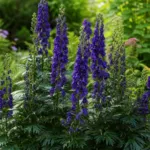 Monkshood (Aconitum ‘Bressingham Spire’)Aconitum 'Bressingham Spire'
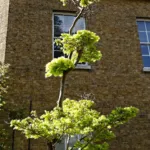 Golden full moon maple (Acer shirasawanum ‘Aureum’)Acer shirasawanum 'Aureum'
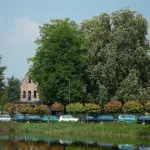 Globosum (Acer platanoides ‘Globosum’)Acer platanoides 'Globosum'
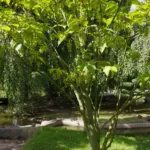 Striped maple (Acer pensylvanicum) care guideAcer pensylvanicum