
 Source:
 Musa ‘Sapientum’ short overview
Musa 'Sapientum' is a historical horticultural banana name associated with dessert bananas and now treated in modern taxonomic databases as a synonym within the hybrid Musa × paradisiaca complex. Because the old name does not identify one consistently defined modern cultivar, plant size, fruit quality, cold tolerance, and flowering performance can vary. In United States gardens, it is best grown as a warm-season tropical accent or container plant in rich, evenly moist, well-drained soil.
Taxonomic classification
Musa ‘Sapientum’ care guide
Light and placement
Give full sun with at least 6 hours of direct light, ideally in a south- or west-facing position protected from strong winds. In hot climates, light afternoon shade can reduce leaf scorch. Pale, undersized leaves and slow growth suggest insufficient light; bleached patches, crisp margins, or sudden wilting can indicate excessive heat, reflected light, or drought stress.
Watering and humidity
Keep the root zone consistently moist but never stagnant. Water deeply when the surface begins to dry, then allow excess water to drain completely. Increase frequency during hot, windy weather and reduce it substantially during cool indoor storage. High humidity helps leaves remain attractive, but air movement is important to limit foliar disease.
Soil and growing medium
Use deep, fertile soil with abundant organic matter and reliable internal drainage. A loam amended with compost is suitable; heavy clay should be raised or amended rather than left waterlogged. A slightly acidic to neutral reaction is generally appropriate. In containers, use a moisture-retentive but airy potting mix with generous drainage holes.
Feeding
Feed during active growth with a complete fertilizer at the label rate, supplemented by compost or other stable organic matter. Container plants benefit from regular diluted feeding because frequent watering leaches nutrients. Do not fertilize dormant or chilled plants, and avoid placing concentrated fertilizer against the pseudostem or roots.
Growth and habit
The plant forms a clump of overlapping leaf sheaths rather than a woody trunk. Each pseudostem flowers once and then declines, while basal suckers maintain the clump and provide the next generation. Remove weak or overcrowded suckers so the strongest stems receive adequate light, water, and nutrients.
Planting and repotting
Plant after spring frost danger has passed in a warm, sunny, wind-protected site. Set the root ball at its original depth and mulch broadly with organic material while keeping mulch away from the pseudostem. Water thoroughly during establishment, and support or shelter plants where strong wind could shred leaves or topple fruiting stems.
Repot container plants when roots fill the pot or growth becomes unstable, preferably in spring or early summer. Move into a heavy, wide container with drainage holes and fresh, airy mix. Handle the fleshy root system gently, keep the pseudostem at its original depth, and water thoroughly after repotting.
Propagation and pruning
Propagation
Propagate vegetatively by separating healthy basal suckers with a portion of rhizome and roots. Divide during warm, active growth and pot or plant immediately. Tissue culture is used commercially, but the historical name does not identify a uniform clone suitable for seed or cultivar-specific propagation.
Pruning
Remove dead, frost-damaged, or badly torn leaves with clean tools. After a pseudostem fruits, cut it down once the bunch has been harvested or the stem begins to decline, leaving vigorous suckers to replace it. Avoid removing every sucker if fruit production is desired.
Overwintering
In frost-prone areas, move containers indoors before nights approach 50°F. Keep growing plants in very bright light and water less in cool conditions, or store a cut-back plant dormant in a cool, dark, frost-free space around 45–50°F with only minimal moisture. Reacclimate gradually before returning outdoors in spring.
Uses
Used as a tropical foliage accent, warm-season specimen, container plant, and source of edible banana-type fruit when the particular clone produces acceptable fruit. In the United States, reliable fruiting is mainly practical in frost-free regions or protected structures. The historical name does not guarantee a specific dessert cultivar or uniform fruit quality.
Appearance
Large, soft, paddle-shaped leaves emerge from tightly overlapping sheaths that create a trunk-like pseudostem. The foliage is bright to deep green and commonly tears into strips in wind. A mature plant may produce a substantial pendant inflorescence with layered bracts and successive groups of female, neutral, and male flowers.
Flowering
The inflorescence emerges from the pseudostem and develops in stages as bracts open to expose successive hands of flowers. Female flowers occur above the later male flowers and can develop into hands of fruit. Many cultivated bananas are parthenocarpic and seedless, so fruit production may occur without effective fertilization.
Pollination and visitors
Banana inflorescences can be visited by bees and other insects seeking nectar or pollen, especially while individual bracts are opening. Cultivated seedless forms may set fruit mainly through parthenocarpy, so animal visitation is not necessarily required for a harvest.
Musa 'Sapientum' photos
Click any photo for a larger view. Source, author and license are shown separately.
Diseases and pests
Diseases
Prevent problems with good drainage, clean tools, adequate spacing, and avoidance of overhead irrigation late in the day. Watch for anthracnose, wilt, mosaic symptoms, and rhizome or root rot. Remove badly affected tissue, isolate diseased containers, and seek local extension guidance before using fungicides or bactericides.
Pests
Indoors, inspect leaf undersides and leaf bases for spider mites, aphids, mealybugs, and scale. Rinse foliage, improve humidity without keeping leaves constantly wet, and use insecticidal soap or horticultural oil only according to the product label. Outdoor infestations are often reduced by healthy growth and beneficial insects.
Related diseases and pests
Only Plant Doctor profiles whose host data indicate this plant may be affected are shown here.
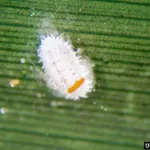 PestCitrus mealybugPlanococcus citri
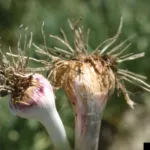 DiseaseFusarium wiltFusarium oxysporum species complex
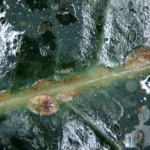 PestBrown Soft ScaleCoccus hesperidum
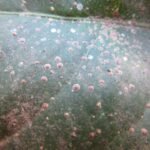 PestCalifornia red scaleAonidiella aurantii
 Environmental stressChilling injury
 DiseaseAnthracnoseColletotrichum gloeosporioides
 DiseaseBacterial WiltRalstonia solanacearum species complex
 DiseaseRhizopus soft rotRhizopus stolonifer
Toxicity and pollen
Banana is listed by ASPCA as non-toxic to dogs and cats, although eating any plant material can still cause vomiting or gastrointestinal upset. The exact historical identity is not a modern standardized cultivar, so avoid treating this general banana listing as a guarantee for every unnamed plant or product. Prevent ingestion of fertilizer, pesticides, or spoiled fruit.
- Typical season
- During flowering, usually summer in warm US climates
- Pollination / pollen
- Heavy, sticky pollen generally associated with insect-mediated flower visits
Bananas are flowering plants, but their large inflorescences are not generally considered a major source of airborne seasonal pollen. Individual sensitivity is still possible, and indoor flowering plants may release pollen close to occupants. Avoid handling flowers if they provoke symptoms and improve ventilation.
Native habitat
The hybrid banana complex is associated with warm, humid tropical environments, deep fertile soils, and regular moisture. Cultivated bananas perform best where drainage is good but the root zone does not dry severely. They are sensitive to cold, persistent wind, salinity, and prolonged stagnant water.
Interesting fact
The name Musa sapientum was historically used by Linnaeus for dessert bananas.
Modern databases place the name within the Musa × paradisiaca complex.
Banana fruit is botanically a berry, despite its familiar culinary classification.
Each pseudostem normally flowers and fruits only once.
New shoots from the underground rhizome continue the clump.
Many cultivated bananas produce fruit without mature seeds.
Frequently asked questions (FAQ)
The most relevant questions about this plant, with short and direct answers.
🌱Quick care
What is Musa 'Sapientum'?⌄
Musa 'Sapientum' is a banana plant in the Musaceae family, historically used for cultivated edible bananas. The name is an older horticultural identity associated with banana hybrids rather than a currently recognized wild species.
Is Musa 'Sapientum' a tree or an herb?⌄
Musa 'Sapientum' is a giant herb, not a true tree. Its apparent trunk is a pseudostem made from tightly overlapping leaf bases, and the individual fruiting shoot dies after flowering.
🌤️Environment and placement
How much sun does Musa 'Sapientum' need?⌄
Give Musa 'Sapientum' full sun for strongest growth and best fruiting, although it tolerates partial shade. Protect it from intense wind, which can shred its large leaves.
Is Musa 'Sapientum' hardy in the United States?⌄
Musa 'Sapientum' is frost tender and is reliably perennial outdoors only in warm parts of the United States. In colder USDA-style climates, grow it in a container or protect and overwinter the rhizome before freezing weather.
Can I grow Musa 'Sapientum' outdoors year-round?⌄
You can grow Musa 'Sapientum' outdoors year-round only where winter temperatures stay reliably above freezing. Elsewhere, move container plants indoors or store dormant plants before the first frost.
How large does Musa 'Sapientum' get?⌄
Musa 'Sapientum' can become a large herbaceous plant with broad leaves and a substantial pseudostem. Mature size varies by the particular banana clone and growing conditions, so allow generous vertical and horizontal space.
Does Musa 'Sapientum' need high humidity?⌄
Musa 'Sapientum' grows best with warm, humid conditions, especially indoors. Keep it away from dry heating vents and increase humidity only with good air circulation to reduce fungal problems.
💧Care and problems
How often should I water Musa 'Sapientum'?⌄
Water Musa 'Sapientum' regularly to keep the soil evenly moist but not waterlogged. It has little drought tolerance, so increase watering during hot, dry weather.
What temperature is too cold for Musa 'Sapientum'?⌄
Freezing temperatures can severely damage or kill Musa 'Sapientum', so protect the plant before frost occurs. Cold injury may first appear as blackened, collapsed leaves and damaged pseudostems.
How do I overwinter Musa 'Sapientum' indoors?⌄
To overwinter Musa 'Sapientum', bring a container plant indoors before frost and place it in a warm, bright location with reduced watering. A dormant rhizome can be stored cool and dry enough to prevent rot, then replanted several weeks before outdoor conditions warm.
Why are the leaves of my Musa 'Sapientum' turning brown?⌄
Brown banana leaves commonly result from drought, low humidity, wind damage, cold exposure, or leaf tearing. Keep moisture even, shelter the plant from wind, and remove only leaves that are mostly dead.
Why are Musa 'Sapientum' leaves splitting?⌄
Musa 'Sapientum' leaves naturally split in wind as they age, so tearing is not always a disease problem. Place the plant in a sheltered location, but do not expect perfectly intact leaves outdoors.
How often should I fertilize Musa 'Sapientum'?⌄
Fertilize Musa 'Sapientum' regularly during active warm-season growth because it uses substantial nutrients to produce leaves and fruit. Apply a balanced fertilizer according to the product label and reduce feeding when growth slows.
How many suckers should I leave on Musa 'Sapientum'?⌄
Keep only a limited number of well-positioned suckers around Musa 'Sapientum' if fruit production is the goal. Too many competing shoots can reduce the vigor of the main plant and make the clump overcrowded.
🪴Planting and repotting
What type of soil is best for Musa 'Sapientum'?⌄
Plant Musa 'Sapientum' in fertile, organic-rich, well-drained loam that retains steady moisture. Improve poor soil with compost, but avoid locations where water remains around the roots.
Can Musa 'Sapientum' grow in containers?⌄
Yes, Musa 'Sapientum' can grow in a large container with rich, well-drained potting mix and consistent moisture. Choose a heavy pot because the tall plant and broad leaves can become top-heavy.
How do I plant Musa 'Sapientum' in the ground?⌄
Plant Musa 'Sapientum' after the danger of frost has passed in a sunny, sheltered site with fertile, well-drained soil. Set it at the same depth it was growing, water thoroughly, and mulch around—but not against—the pseudostem.
When should I repot Musa 'Sapientum'?⌄
Repot Musa 'Sapientum' when roots fill the container, growth becomes crowded, or the plant dries unusually fast. Move it into a pot only one or two sizes larger and use a fresh, well-drained mix.
✂️Propagation and pruning
Can Musa 'Sapientum' be grown from seed?⌄
Some banana plants can be grown from seed, but many cultivated edible bananas are seedless or produce poor, variable seed. For a plant matching the parent, propagation by an attached sucker or tissue culture is more dependable.
How do I propagate Musa 'Sapientum' from suckers?⌄
Propagate Musa 'Sapientum' by separating a healthy sucker with a section of rhizome and some roots from the parent plant. Replant the division in warm, moist, well-drained soil and keep it sheltered while it establishes.
When is the best time to divide Musa 'Sapientum' suckers?⌄
Divide Musa 'Sapientum' suckers during active warm-season growth, when the parent plant and offset can recover quickly. Select a sturdy sword sucker rather than a very small, weak offshoot.
Should I prune Musa 'Sapientum'?⌄
Prune Musa 'Sapientum' mainly to remove dead, badly damaged, or diseased leaves and to manage excess suckers. Do not remove healthy leaves unnecessarily because they support vigorous growth and fruit development.
⚠️Toxicity and safety
Is Musa 'Sapientum' toxic to people or pets?⌄
Musa 'Sapientum' is generally regarded as non-toxic, and its cultivated banana fruit is edible when properly ripened. Avoid consuming unidentified plant material or fruit from plants treated with pesticides not approved for edible crops.
Can dogs and cats eat Musa 'Sapientum' bananas?⌄
Small amounts of ripe banana fruit are generally considered safe for dogs and cats, but the fruit is sugary and should be an occasional treat rather than a staple. Remove the peel because it is difficult to digest and may cause gastrointestinal upset.
🌸Flowering and special interest
How long does Musa 'Sapientum' take to produce bananas?⌄
Musa 'Sapientum' may take many months to flower and fruit, depending on warmth, light, nutrition, plant size, and the specific clone. Plants exposed to cold or a short growing season may produce leaves without ripening fruit.
How can I encourage Musa 'Sapientum' to flower?⌄
Encourage flowering by providing strong light, steady warmth, adequate water, fertile soil, and regular feeding during active growth. Avoid severe drought, root restriction, cold damage, and excessive sucker competition.
Does Musa 'Sapientum' need another banana plant to produce fruit?⌄
Cultivated edible bananas generally do not need a second plant for fruit because many produce seedless fruit without fertilization. Fruiting still depends on the particular clone and sufficiently warm growing conditions.
What do Musa 'Sapientum' flowers look like?⌄
Musa 'Sapientum' produces a large hanging inflorescence with flowers enclosed by showy bracts, often described as yellow flowers with purplish or lavender bracts. Female flowers develop into the hands of bananas, while later flowers are typically male.
When should I harvest Musa 'Sapientum' bananas?⌄
Harvest Musa 'Sapientum' banana bunches when the fruit is full-sized but still green, then allow them to ripen off the plant. Protect harvested fruit from chilling and keep it in a cool, shaded location.
Why is my Musa 'Sapientum' not producing fruit?⌄
Musa 'Sapientum' may fail to fruit because of insufficient warmth, inadequate light, drought, nutrient stress, cold damage, immaturity, or excessive suckers. In much of the United States, the growing season may be too short for fruit to mature outdoors.
Similar plants
 Azure Monkshood (Aconitum carmichaelii) care guideAconitum carmichaelii
 Monkshood (Aconitum ‘Stainless Steel’)Aconitum 'Stainless Steel'
 Monkshood (Aconitum ‘Bressingham Spire’)Aconitum 'Bressingham Spire'
 Golden full moon maple (Acer shirasawanum ‘Aureum’)Acer shirasawanum 'Aureum'
 Globosum (Acer platanoides ‘Globosum’)Acer platanoides 'Globosum'
 Striped maple (Acer pensylvanicum) care guideAcer pensylvanicum