
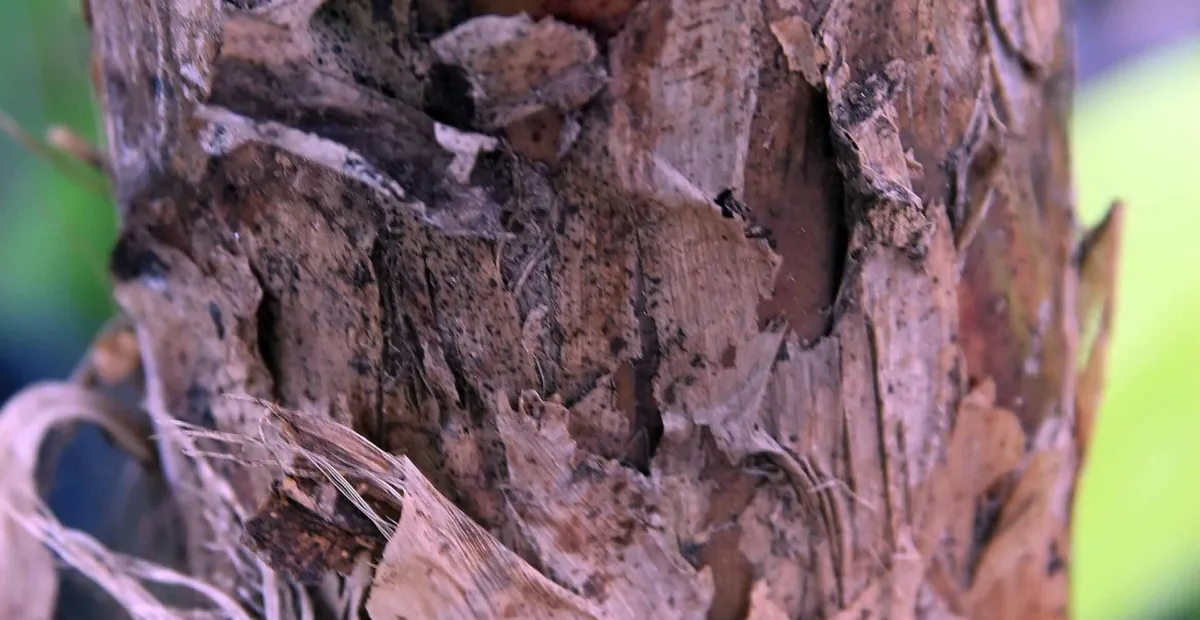
 Source:
 Musa ‘Dwarf Cavendish’ short overview
Musa 'Dwarf Cavendish' is a compact banana cultivar grown for lush tropical foliage and large bunches of familiar, edible dessert bananas. Its thick pseudostem and broad leaves create a dramatic garden or container display, while its reduced height makes wind protection and winter handling easier than with taller bananas. It needs warmth, strong light, fertile soil, regular moisture, and protection from freezing temperatures.
Taxonomic classification
Musa ‘Dwarf Cavendish’ care guide
Light and placement
Give full sun for strongest growth and fruiting, ideally in a warm south- or southeast-facing position protected from prevailing wind. In very hot, dry interiors, afternoon partial shade can reduce leaf scorch. Too little light causes stretched growth, smaller leaves, and delayed flowering; excessive reflected heat with dry soil can split or scorch leaves.
Watering and humidity
Water deeply whenever the upper inch of soil begins to dry, keeping the root zone consistently moist but never waterlogged. Increase frequency during hot, windy weather and active fruiting; reduce it in cool or low-light conditions. Indoor plants benefit from humidity, but avoid constantly wet foliage and provide airflow to limit leaf disease.
Soil and growing medium
Use fertile, moisture-retentive soil that still drains freely. A loam amended with compost works well; avoid stagnant, saturated ground because the corm and roots can rot. A mildly acidic to neutral pH is suitable, although bananas tolerate a broader range when nutrition and drainage are good.
Feeding
Feed actively growing plants regularly with a complete fertilizer containing nitrogen, potassium, and micronutrients. Apply at label strength during warm, bright growth, and water beforehand if the soil is dry. Reduce or stop feeding during cool, low-light periods or while the plant is dormant; excess fertilizer in a dry pot can injure roots.
Growth and habit
This is a fast-growing, clump-forming herb that continually produces new leaves from an underground corm and replacement shoots from the base. After one pseudostem flowers and fruits, it declines; a sucker normally becomes the next fruiting stem. Remove surplus pups to maintain vigor, spacing, and a manageable clump.
Planting and repotting
Plant after the danger of frost, when soil is consistently warm. Set the corm or rooted offset at the same depth it was growing, with the pseudostem base level with the soil surface. Space about 8–12 feet from structures or other large plants for leaf spread and airflow, and establish with deep watering and mulch kept away from the stem.
Repot container plants when roots fill the pot or growth becomes crowded, preferably in spring or early summer. Move into a heavy, stable container only one size larger, using rich but well-drained mix. Large specimens may be difficult to move; divide offsets instead of repeatedly upsizing the mother plant.
Propagation and pruning
Propagation
Propagate vegetatively from vigorous basal suckers or offsets. Separate a well-rooted pup with a portion of corm using a clean, sharp tool during active growth, then pot it into a warm, well-drained medium. Seed is not a practical method for this seedless cultivar and would not preserve the clone reliably.
Pruning
Remove torn, yellowing, or diseased leaves at the base with clean tools. After a pseudostem fruits, cut it down once the bunch has been harvested and allow a strong sucker to replace it. Do not remove healthy leaves unnecessarily, since the plant needs them to build a fruiting corm.
Overwintering
In freezing climates, grow in a container and move it indoors before temperatures approach freezing. Keep it in the brightest available window, reduce watering, and stop fertilizer during low-light dormancy. In marginal outdoor areas, mulch heavily over the corm and protect the pseudostem, but freezing may still kill the stem and prevent fruit the following season.
Uses
Use as a tropical foliage accent, seasonal screen, patio container plant, or fruiting landscape plant in frost-free regions. In suitable warm climates it produces dessert bananas similar to common grocery-store Cavendish fruit. Do not treat traditional medicinal uses as established medical advice.
Appearance
The plant has a thick green pseudostem formed by overlapping leaf sheaths and very large oblong leaves arranged spirally. Leaves are glossy green, easily shredded by wind, and often arch outward as the plant matures. A clump of basal suckers surrounds the mother stem, helping identify the cultivar’s continuing replacement growth.
Flowering
The mature plant produces a large terminal inflorescence with female flowers toward the base and male flowers toward the tip, enclosed by purple to reddish bracts. Female flowers develop into seedless fruit without fertilization. Flowering is sporadic and strongly dependent on warmth, plant age, nutrition, and growing season length.
Pollination and visitors
The cultivar is largely self-sufficient for fruit production because its female flowers form seedless bananas parthenocarpically. Animal visitors may be incidental, but reliable cultivar-specific evidence for a strong pollinator attraction is limited.
Musa 'Dwarf Cavendish' photos
Click any photo for a larger view. Source, author and license are shown separately.
Diseases and pests
Diseases
Watch for Sigatoka and other banana leaf spots, which begin as small yellow, brown, or black lesions and can reduce photosynthesis. Improve airflow, remove badly damaged leaves, avoid overhead irrigation, disinfect tools, and discard severely diseased material. Panama disease is a serious soil-borne concern; use clean planting stock and avoid contaminated sites.
Pests
Scale, spider mites, aphids, mealybugs, and nematodes may occur. Check leaf undersides and the pseudostem regularly. Rinse foliage, improve humidity without wetting leaves overnight, isolate infested containers, and use horticultural oil or insecticidal soap according to label directions. Avoid stressing plants with drought or cold, which worsens damage.
Related diseases and pests
Only Plant Doctor profiles whose host data indicate this plant may be affected are shown here.
 PestCitrus mealybugPlanococcus citri
 DiseaseFusarium wiltFusarium oxysporum species complex
 PestBrown Soft ScaleCoccus hesperidum
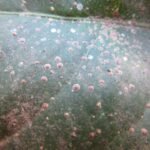 PestCalifornia red scaleAonidiella aurantii
 Environmental stressChilling injury
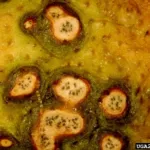 DiseaseCitrus black spotPhyllosticta citricarpa
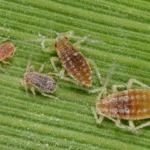 PestMealy Plum AphidHyalopterus pruni (Geoffroy, 1762)
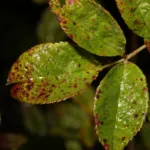 DiseaseRose black spotDiplocarpon rosae
Toxicity and pollen
Musa acuminata is listed by ASPCA among plants without recognized systemic toxicity to dogs and cats. Eating large amounts of fibrous plant material can still cause gastrointestinal upset. Human banana-fruit allergy is uncommon but documented; this concerns the edible fruit and does not establish a pollen allergy to the plant.
- Typical season
- No reliable United States airborne-pollen season documented for this cultivar
- Pollination / pollen
- Heavy, sticky pollen associated with flowers rather than a notable wind-dispersed pollen cloud
Banana pollen is not generally treated as a major seasonal airborne allergen in United States gardening guidance, and reliable cultivar-specific aerobiology data are limited. The edible fruit can cause uncommon food-allergic reactions, including oral allergy symptoms or, rarely, more severe reactions in sensitized people.
Native habitat
The cultivated Cavendish background derives from warm, humid Southeast Asian banana-growing environments. Bananas favor deep fertile soils, reliable moisture, warmth, and shelter from wind. In the United States, Dwarf Cavendish is especially associated with frost-free and subtropical production, while colder regions require containers or seasonal protection.
Interesting fact
The “trunk” is a pseudostem made from tightly packed leaf bases. Dwarf Cavendish is a triploid Cavendish clone propagated by offsets, so commercial plants are genetically uniform. Its fruit is parthenocarpic and develops without pollination. The cultivar’s compact stature reduces wind damage and makes protection easier.
Frequently asked questions (FAQ)
The most relevant questions about this plant, with short and direct answers.
🌱Quick care
How do you care for Musa 'Dwarf Cavendish' indoors?⌄
Give Musa 'Dwarf Cavendish' the brightest light available, keep the soil evenly moist but not waterlogged, and provide warmth and humidity. Protect it from cold drafts, dry heating vents, and sudden temperature changes.
How tall does Musa 'Dwarf Cavendish' get?⌄
Musa 'Dwarf Cavendish' is shorter than many banana cultivars, but mature plants can still reach roughly 6–10 feet in favorable conditions. The word “dwarf” refers to its relative height, not to a small houseplant size.
🌤️Environment and placement
How much light does Musa 'Dwarf Cavendish' need?⌄
Musa 'Dwarf Cavendish' grows best in full sun to partial shade, with several hours of bright direct or filtered light daily. Indoor plants usually need a sunny south- or west-facing window or supplemental grow lights.
Can Musa 'Dwarf Cavendish' grow in full sun?⌄
Yes, Musa 'Dwarf Cavendish' can grow in full sun when gradually acclimated and adequately watered. In very hot locations, afternoon shade can reduce leaf scorching and moisture loss.
What temperature is best for Musa 'Dwarf Cavendish'?⌄
Keep Musa 'Dwarf Cavendish' warm, ideally above 60°F, with active growth strongest in warmer conditions. Protect it from freezing temperatures, cold drafts, and prolonged exposure below about 50°F.
Can Musa 'Dwarf Cavendish' survive winter outdoors in the United States?⌄
It can remain outdoors year-round only in reliably frost-free parts of the United States, such as much of southern Florida and some other warm coastal areas. Elsewhere, bring container plants indoors or protect outdoor plants before freezing weather.
What USDA hardiness zones are suitable for Musa 'Dwarf Cavendish'?⌄
Musa 'Dwarf Cavendish' is best suited to frost-free, warm climates, generally USDA Zones 10–11 for dependable outdoor growth and fruiting. In colder zones, it is usually grown in a container or treated as a seasonal tropical plant.
💧Care and problems
How often should you water Musa 'Dwarf Cavendish'?⌄
Water Musa 'Dwarf Cavendish' whenever the surface of the soil begins to dry, keeping the root zone evenly moist during active growth. Reduce watering in winter, but do not allow the plant to become completely dry for long periods.
Why are the leaves of my Musa 'Dwarf Cavendish' turning brown?⌄
Brown leaf edges commonly result from dry soil, low humidity, salt buildup, wind, or cold injury. Keep watering consistent, rinse accumulated fertilizer salts from the soil occasionally, and protect the plant from drafts and harsh wind.
Why is my Musa 'Dwarf Cavendish' not growing?⌄
Slow growth is usually caused by insufficient light, cool temperatures, inconsistent watering, root problems, or winter dormancy. Move it to brighter warmth and check that the soil is moist but drains freely.
Why are the leaves of Musa 'Dwarf Cavendish' splitting?⌄
Leaf splitting is normal for banana plants and is often increased by wind, low humidity, physical handling, or rapid leaf expansion. It is mainly cosmetic unless the plant is also losing leaves or showing signs of drought or cold damage.
How do you fertilize Musa 'Dwarf Cavendish'?⌄
Feed Musa 'Dwarf Cavendish' regularly during active growth with a balanced fertilizer or a fertilizer intended for fruiting plants, following the label rate. Reduce or stop feeding during cool, low-light winter conditions.
How do you protect Musa 'Dwarf Cavendish' from frost?⌄
Move container plants indoors before temperatures approach freezing and protect outdoor plants with frost cloth when brief cold is expected. A freeze may kill the leaves or pseudostem, but established plants can sometimes regrow from the underground corm in spring.
What pests affect Musa 'Dwarf Cavendish'?⌄
Indoor Musa 'Dwarf Cavendish' may attract spider mites, aphids, mealybugs, or scale, while outdoor plants can also experience other banana pests and diseases. Inspect leaf undersides regularly and treat infestations promptly with an appropriate labeled product.
🪴Planting and repotting
What soil is best for Musa 'Dwarf Cavendish'?⌄
Use fertile, moisture-retentive but well-drained loam or a high-quality container mix amended with organic matter. The soil should hold consistent moisture while allowing excess water to drain quickly.
How do you plant Musa 'Dwarf Cavendish' outdoors?⌄
Plant it in a warm, sheltered location with full sun to partial shade, fertile soil, and reliable moisture. Set it at the same depth it was growing, mulch the root zone without covering the pseudostem, and protect the leaves from strong wind.
When should you repot Musa 'Dwarf Cavendish'?⌄
Repot Musa 'Dwarf Cavendish' when roots fill the container, growth slows despite good care, or the plant becomes unstable. Move it into a pot only one or two sizes larger and use a container with drainage holes.
Can Musa 'Dwarf Cavendish' be grown in a container?⌄
Yes, Musa 'Dwarf Cavendish' grows well in a large container with fertile, well-drained soil and regular moisture. Container growing also makes it easier to move the plant indoors before frost.
✂️Propagation and pruning
How do you propagate Musa 'Dwarf Cavendish'?⌄
Propagate Musa 'Dwarf Cavendish' by separating rooted suckers, also called pups, from the parent plant. Each division should include part of the corm and healthy roots, then be planted in moist, well-drained soil.
When can you separate pups from Musa 'Dwarf Cavendish'?⌄
Separate a pup when it is well established and has several leaves plus its own roots, commonly when it is about 1–2 feet tall. Smaller pups are more vulnerable to drying out and transplant shock.
Can you grow Musa 'Dwarf Cavendish' from a leaf cutting?⌄
No, Musa 'Dwarf Cavendish' cannot be reliably propagated from leaf cuttings. Use rooted pups, corm divisions, or professionally produced tissue-cultured plants instead.
Should you prune Musa 'Dwarf Cavendish'?⌄
Prune only dead, badly damaged, or diseased leaves, cutting them close to the pseudostem with clean tools. Do not remove healthy leaves unnecessarily because they supply energy for growth and fruit production.
⚠️Toxicity and safety
Is Musa 'Dwarf Cavendish' toxic to dogs and cats?⌄
Musa 'Dwarf Cavendish' is generally considered non-toxic to dogs and cats. Nevertheless, eating large amounts of plant material can cause mild digestive upset, and pets should not be allowed to consume treated leaves or fertilizer.
🌸Flowering and special interest
Does Musa 'Dwarf Cavendish' produce edible bananas?⌄
Yes, Musa 'Dwarf Cavendish' can produce edible dessert bananas when grown in a long, warm, frost-free season. Fruiting is much less dependable in cool climates or when the plant is repeatedly cut back or frozen.
How long does Musa 'Dwarf Cavendish' take to produce fruit?⌄
A healthy plant may need roughly 18 months or longer from planting to produce its first bunch, depending on climate, plant size, light, and care. Young plants commonly take two or three years before flowering and fruiting.
How often does Musa 'Dwarf Cavendish' flower and fruit?⌄
Each mature pseudostem flowers and fruits once, then gradually declines, while pups replace it. A healthy clump can continue producing new fruiting stems over successive seasons in a suitable climate.
Why is my Musa 'Dwarf Cavendish' flowering but not producing bananas?⌄
Flowering without a usable bunch can result from cold damage, inadequate warmth or nutrition, poor plant vigor, or unfavorable growing conditions. In regions with short seasons, the plant may flower too late for fruit to mature properly.
Can Musa 'Dwarf Cavendish' produce fruit indoors?⌄
It can fruit indoors, but this is uncommon because the plant needs intense light, substantial space, warmth, and a long growing season. A large, mature container plant under strong supplemental lighting has the best chance.
Similar plants
 Azure Monkshood (Aconitum carmichaelii) care guideAconitum carmichaelii
 Monkshood (Aconitum ‘Stainless Steel’)Aconitum 'Stainless Steel'
 Monkshood (Aconitum ‘Bressingham Spire’)Aconitum 'Bressingham Spire'
 Golden full moon maple (Acer shirasawanum ‘Aureum’)Acer shirasawanum 'Aureum'
 Globosum (Acer platanoides ‘Globosum’)Acer platanoides 'Globosum'
 Striped maple (Acer pensylvanicum) care guideAcer pensylvanicum