
 Source:
 Easter Cactus (Hatiora gaertneri) short overview
Easter Cactus, Hatiora gaertneri, is a Brazilian epiphytic cactus grown for its flat, spineless stem segments and vivid spring flowers. Unlike desert cacti, it prefers bright filtered light, porous organic soil, moderate moisture, and higher humidity. Let excess water drain fully, protect it from hot afternoon sun, and provide a cool resting period in fall to encourage reliable flowering around March or April in the United States.
Taxonomic classification
Easter Cactus (Hatiora gaertneri) care guide
Light and placement
Give bright filtered light, such as an east-facing window or a position several feet from a bright south- or west-facing window. Gentle morning sun is acceptable, but hot afternoon rays can bleach, redden, or scorch the segments. Too little light produces weak, elongated growth and poor flowering; too much harsh sun causes pale or reddish tissue.
Watering and humidity
Water thoroughly until excess drains from the pot, then wait until the upper portion of the mix is partly dry before watering again. Keep the plant more evenly moist during active growth and flowering, but reduce frequency in fall and winter. Never leave the container standing in water. Higher humidity is useful, but wet stems and stagnant air encourage disease.
Soil and growing medium
Use a loose, porous epiphytic-cactus mix containing fine bark, peat or coco coir, and perlite or pumice. The medium should hold some moisture while draining rapidly. A slightly acidic to neutral reaction is suitable. Avoid dense garden soil, waterlogged compost, and containers without drainage holes.
Feeding
Feed during active growth from after flowering through summer with a balanced, water-soluble fertilizer diluted to about one-quarter to one-half the label rate every 3–4 weeks. Stop or greatly reduce feeding in fall and during the cool resting period. Do not fertilize a dry, wilted, recently repotted, or diseased plant.
Growth and habit
A branching, clumping epiphyte develops new segmented shoots from the ends of older stems. The stems may begin upright and become arching or spreading with age. Avoid frequent handling while buds are forming, and rotate the container occasionally for even growth without repeatedly changing its environment.
Planting and repotting
In the United States, grow outdoors only during frost-free weather and plant or place it where it receives bright shade or filtered morning light. Set it at the same depth as before; do not bury stem joints. Allow room for the stems to arch outward, and establish gradually after moving it outdoors.
Repot after flowering or when the mix breaks down, usually every 2–3 years. Move only one pot size larger, disturb the fine roots as little as possible, and allow damaged roots or cut surfaces to dry briefly before watering. Repotting while flower buds are developing can cause bud drop.
Propagation and pruning
Propagation
Propagate from stem cuttings in late spring or summer. Allow a short cutting with several segments to dry for a few days, then insert the basal segment into barely moist, porous mix. Keep it warm in bright filtered light and water sparingly until roots form. Seed propagation is possible but slower and less uniform.
Pruning
Pruning is usually unnecessary. After flowering, remove damaged or weak segments at a joint with clean tools, or shorten overly long shoots to improve symmetry. Let cut surfaces dry briefly. Pruned healthy segments can be used as cuttings.
Overwintering
Protect from frost and freezing temperatures. In USDA Zones 9 and colder, bring containers indoors before nighttime temperatures approach 45°F. Keep the plant in bright filtered light, water less often during the cool rest, and avoid placing it beside heating vents. A cool, stable autumn period can help initiate flower buds.
Uses
Primarily an ornamental indoor cactus for containers, hanging baskets, shelves, and frost-free patios. It is valued for dependable seasonal flowers and long-lived cultivation. It has no well-supported culinary or medicinal use for household growing, and plant material should not be intentionally eaten.
Appearance
The plant has smooth, spineless, flattened stem segments with rounded to shallowly crenate margins. Segments branch from their tips and may become arching or pendulous. Flowers emerge from terminal areoles at the segment ends, helping distinguish this species from holiday cacti with more strongly toothed or scalloped segments.
Flowering
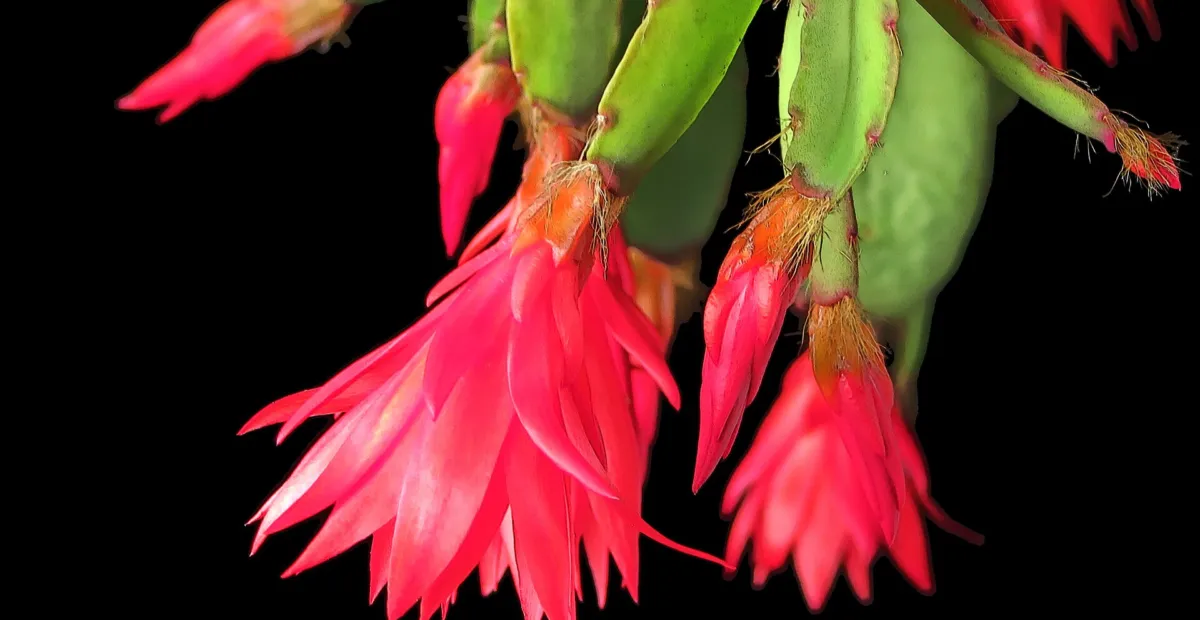
Flowers arise from the ends of mature stem segments and are radially symmetrical, flat to broadly star-shaped, and typically open in spring. Bud formation depends on seasonal changes in day length, temperature, and rest. Flowers are commonly pink, red, orange, purple, white, or yellow in cultivated forms. Bloom timing varies with cultivar and indoor conditions.
Pollination and visitors
The flowers are described as insect-pollinated, but reliable species-level visitor records were not identified in the reviewed sources. Occasional small insects may visit open flowers; attraction should therefore be treated as unknown rather than assumed to be high.
Hatiora gaertneri photos
Click any photo for a larger view. Source, author and license are shown separately.
Diseases and pests
Diseases
Prevent disease with a porous mix, drainage, good air circulation, and careful watering. Root or stem rot appears as soft, dark, collapsing tissue and usually follows persistent excess moisture; remove affected tissue, replace saturated mix, and root healthy cuttings if necessary. Botrytis can affect crowded, wet plants and should be managed by reducing leaf wetness and improving ventilation.
Pests
Mealybugs, scale, spider mites, and fungus gnats may occur. Inspect stem joints and undersides regularly, isolate affected plants, remove small infestations with a cotton swab or water spray, and use a labeled houseplant treatment when necessary. Avoid chronically wet soil, which encourages fungus gnats and root problems.
Related diseases and pests
Only Plant Doctor profiles whose host data indicate this plant may be affected are shown here.
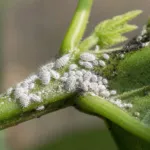 PestCotton mealybugPhenacoccus solenopsis Tinsley
 DiseaseRhizopus soft rotRhizopus stolonifer
 DiseaseBacterial soft rotPectobacterium carotovorum
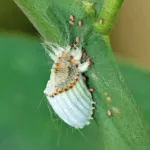 PestCottony Cushion ScaleIcerya purchasi
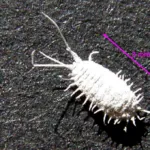 PestObscure mealybugPseudococcus viburni
 PestCitrus mealybugPlanococcus citri
 DiseaseFava Bean Chocolate SpotBotrytis fabae
 DiseaseGray MoldBotrytis cinerea
Toxicity and pollen
No strong evidence indicates clinically important toxicity from Hatiora gaertneri. As with many houseplants, sap, plant material, potting media, or fertilizers may cause mild irritation or stomach upset if chewed. Prevent ingestion and contact with eyes, and seek professional advice if a child or pet develops symptoms.
- Typical season
- Spring flowering period
- Pollination / pollen
- Insect-carried pollen
This is an insect-pollinated flowering cactus, so pollen is not typically released in large airborne clouds like wind-pollinated plants. Sensitive people may still react to contact with flowers or plant material, and individual allergy responses vary.
Native habitat
Native populations occur in southeastern Brazil, especially humid subtropical Atlantic-forest environments. Plants grow mainly as epiphytes on trees and sometimes on rocks, where roots encounter airy organic debris rather than compact mineral soil. Consistent moisture, high humidity, filtered light, and good drainage reflect this ecology.
Interesting fact
This plant is an epiphyte rather than a desert cactus, growing on trees or occasionally rocks in southeastern Brazil. Its flat, rounded segments help distinguish it from Thanksgiving and Christmas cacti. The taxonomic history of the species has included Hatiora, Rhipsalidopsis, Schlumbergera, and other genera.
Frequently asked questions (FAQ)
The most relevant questions about this plant, with short and direct answers.
🌱Quick care
What is Hatiora gaertneri called?⌄
Hatiora gaertneri is commonly called the Easter Cactus. It is an epiphytic cactus in the Cactaceae family and is often sold under older names such as Rhipsalidopsis gaertneri.
How do you care for an Easter Cactus?⌄
Grow an Easter Cactus in bright filtered light, porous soil, moderate moisture, and moderate to high humidity. Protect it from frost, direct afternoon sun, and waterlogged soil.
Is an Easter Cactus easy to grow indoors?⌄
Yes, an Easter Cactus is generally manageable as an indoor houseplant when its tropical-forest growing conditions are provided. The main challenges are preventing overwatering and supplying the temperature and light changes needed for flowering.
🌤️Environment and placement
How much light does an Easter Cactus need?⌄
Easter Cactus needs bright, indirect or filtered light. A spot near an east- or north-facing window is usually suitable, while strong direct midday or afternoon sun can scorch or redden the stems.
Can an Easter Cactus grow in direct sunlight?⌄
It can tolerate gentle morning sun, but strong direct sunlight should be filtered. Gradually acclimate plants moved outdoors, and keep them in bright shade or dappled light during summer.
What temperature is best for Hatiora gaertneri?⌄
Normal indoor temperatures around 60–75°F work well during active growth. A cooler late-winter period near 50–60°F can help encourage flower-bud formation, but the plant must be protected from freezing temperatures.
Can an Easter Cactus live outside in the United States?⌄
An Easter Cactus can spend warm months outdoors in bright shade or filtered light in much of the United States. Bring it indoors before temperatures approach 45°F and always protect it from frost.
Does an Easter Cactus need high humidity?⌄
Yes, moderate to high humidity usually improves growth and reduces stress. A humidifier, a naturally humid room, or grouping plants together is safer than keeping the pot in standing water.
💧Care and problems
How often should you water an Easter Cactus?⌄
Water when the upper portion of the potting mix has partially dried, then let excess water drain completely. Watering frequency varies with light, temperature, pot size, and season, so a fixed weekly schedule is unreliable.
Should an Easter Cactus dry out completely between waterings?⌄
Usually no; Easter Cactus prefers more consistent moisture than desert cacti. Allow the mix to dry partially between waterings, but avoid both saturated soil and prolonged, bone-dry conditions.
Why is my Easter Cactus turning limp or shriveled?⌄
Limp or shriveled stems can result from underwatering, damaged roots, or severe temperature or light stress. Check the soil and roots before watering heavily, because a plant with root rot may look thirsty even when its pot is wet.
Why are my Easter Cactus stems turning red?⌄
Red or purplish stems commonly indicate stress from excessive light, cold temperatures, drought, or another environmental change. Move the plant to filtered light, maintain steadier moisture, and protect it from cold drafts.
Why is my Easter Cactus losing stem segments?⌄
Segment drop is often caused by overwatering, root damage, drought, sudden temperature changes, or relocation while the plant is budding. Stabilize light and temperature, inspect the roots, and avoid keeping the mix constantly wet.
Why is my Easter Cactus not growing?⌄
Slow growth can be normal during rest periods, especially after flowering or in winter. Insufficient light, cold conditions, root problems, or depleted soil can also limit growth.
What fertilizer does an Easter Cactus need?⌄
Feed an Easter Cactus with a dilute, balanced houseplant fertilizer during active growth. Avoid heavy feeding when the plant is blooming or dormant, and do not fertilize dry or visibly stressed roots.
What pests affect Easter Cactus?⌄
Mealybugs and scale are among the pests that may affect Easter Cactus, particularly indoors. Remove small infestations manually or treat them with an appropriate houseplant product according to its label.
🪴Planting and repotting
What soil is best for an Easter Cactus?⌄
Use a porous, fast-draining epiphytic cactus mix that holds some moisture without becoming soggy. A mix containing potting material plus perlite, bark, or another aerating component is generally more suitable than dense garden soil.
Does an Easter Cactus need a drainage hole?⌄
Yes, the container should have a drainage hole so excess water can escape. Decorative cachepots without drainage should be used only as outer covers, not as the plant’s primary container.
When should you repot an Easter Cactus?⌄
Repot after flowering or when the potting mix has broken down, drainage has slowed, or roots have filled the container. Move it only slightly up in pot size because an oversized pot stays wet longer and increases root-rot risk.
Does an Easter Cactus like to be root-bound?⌄
It can flower well when slightly pot-bound, so frequent repotting is unnecessary. Repot when the plant is severely crowded, the mix has deteriorated, or the roots are unhealthy rather than simply because the pot looks full.
✂️Propagation and pruning
How do you propagate an Easter Cactus?⌄
Propagate Easter Cactus from stem-segment cuttings by allowing a short cutting to callus briefly and then placing it in lightly moist, porous propagation mix. Keep it warm in bright filtered light until roots and new growth develop.
Can you grow an Easter Cactus from one segment?⌄
Yes, a healthy single segment can root, although a cutting with several connected segments often establishes more quickly and produces a fuller plant. Keep the cutting only lightly moist to reduce rot.
When is the best time to take Easter Cactus cuttings?⌄
The best time is generally after flowering, during active growth in late spring or early summer. Avoid taking many cuttings while the plant is forming or opening flower buds.
Should you prune an Easter Cactus?⌄
Routine pruning is not required, but trimming after flowering can improve shape and encourage branching. Remove damaged or diseased segments with clean tools and avoid severe pruning at one time.
⚠️Toxicity and safety
Is an Easter Cactus poisonous to cats and dogs?⌄
The Easter Cactus is listed as non-toxic to cats and dogs by the ASPCA. Even non-toxic plants can cause mild stomach upset if eaten, so prevent pets from chewing the plant.
Is an Easter Cactus safe for children?⌄
Easter Cactus is generally considered low risk because it lacks the prominent spines found on many desert cacti and has no strong evidence of significant toxicity. Do not allow children to eat the plant, and supervise contact with fertilizer or treatments.
🌸Flowering and special interest
When does an Easter Cactus bloom?⌄
Easter Cactus usually blooms in spring, commonly from March through May in the Northern Hemisphere. Flowering time can vary by cultivar and growing conditions, and some plants may produce a smaller additional bloom later.
How do you get an Easter Cactus to bloom?⌄
Provide bright filtered light, steady care, and a cooler late-winter period with appropriate day-length conditions. Avoid moving the plant, overwatering it, or exposing it to hot, dry air while buds are developing.
Why is my Easter Cactus not blooming?⌄
Failure to bloom is commonly linked to insufficient light, unsuitable temperatures, disrupted day length, overfertilizing, or stress during bud formation. Give it bright filtered light and cooler, stable late-winter conditions without letting the mix remain soggy.
Why are Easter Cactus flower buds falling off?⌄
Buds may drop after sudden changes in temperature, light, watering, humidity, or location. Keep the plant stable, protect it from drafts and heat vents, and water consistently without saturating the soil.
How long do Easter Cactus flowers last?⌄
Individual flowers can remain attractive for several days, while a well-budded plant may stay in bloom for several weeks. Flower longevity is shortened by heat, dry air, intense sun, and inconsistent watering.
How can you tell an Easter Cactus from a Christmas or Thanksgiving Cactus?⌄
Easter Cactus has smooth, rounded stem segments and flatter, star-shaped flowers that appear in spring. Thanksgiving Cactus usually has pointed segment teeth, while Christmas Cactus has more scalloped segments and typically blooms in winter.
Similar plants
 Azure Monkshood (Aconitum carmichaelii) care guideAconitum carmichaelii
 Monkshood (Aconitum ‘Stainless Steel’)Aconitum 'Stainless Steel'
 Monkshood (Aconitum ‘Bressingham Spire’)Aconitum 'Bressingham Spire'
 Golden full moon maple (Acer shirasawanum ‘Aureum’)Acer shirasawanum 'Aureum'
 Globosum (Acer platanoides ‘Globosum’)Acer platanoides 'Globosum'
 Striped maple (Acer pensylvanicum) care guideAcer pensylvanicum