
 Source:
 French Crane’s-bill (Geranium endressii) short overview
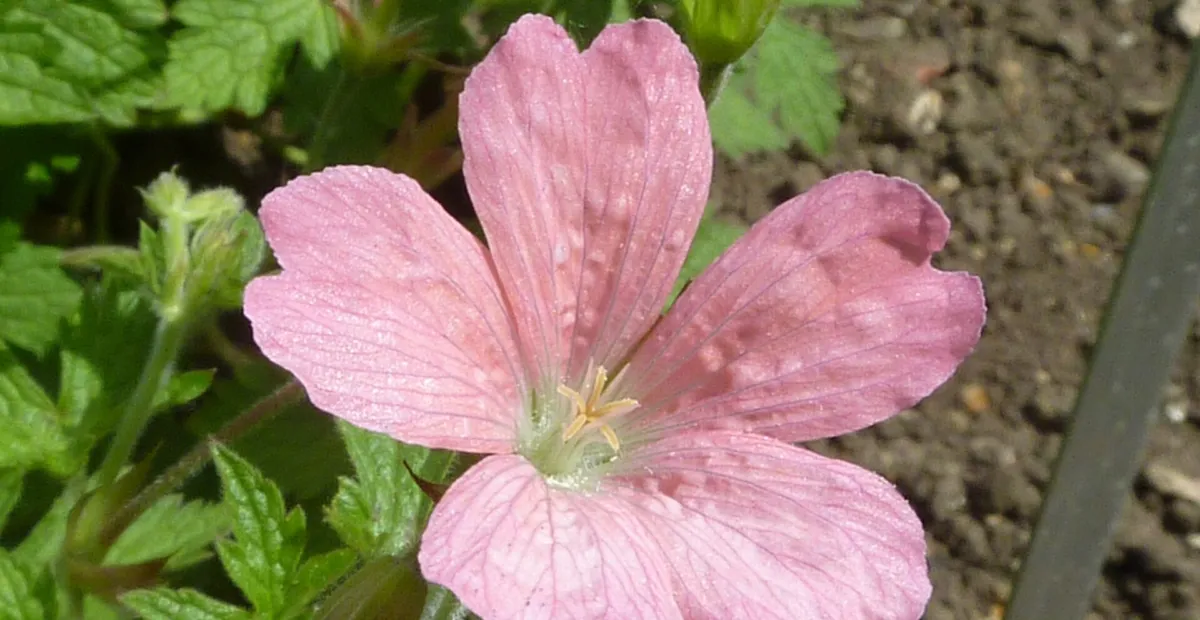
French Crane's-bill is a long-flowering hardy geranium with bright pink, dark-veined blooms held above deeply lobed foliage. Native to the western Pyrenees, this adaptable perennial forms a spreading clump that works well in sunny borders, light woodland edges, rock gardens, and as a small-scale groundcover. Give it moderately fertile, well-drained soil and regular moisture while it establishes; afternoon shade is useful in hot U.S. climates.
Taxonomic classification
French Crane’s-bill (Geranium endressii) care guide
Light and placement
Grow in full sun in cool-summer regions, or give morning sun and light afternoon shade in hot climates. An east-facing or southeast-facing position is often a good compromise. Too little light produces lax stems and fewer flowers; intense reflected heat or harsh afternoon sun may scorch foliage and shorten bloom in hot regions.
Watering and humidity
Water deeply when the upper inch of soil begins to dry during the first growing season. After establishment, maintain moderate moisture, especially during flowering and summer heat, while allowing excess water to drain away. Reduce watering in cool, wet weather. Average outdoor humidity is adequate; extra misting is unnecessary and can encourage foliar disease.
Soil and growing medium
Use average to moderately fertile soil that drains freely but does not dry excessively during establishment. Loam amended with compost is suitable. Avoid persistently waterlogged ground. The species is reported to tolerate some alkaline conditions, so a neutral to slightly alkaline soil is acceptable; no narrow optimum pH is firmly established.
Feeding
Spread a thin layer of compost around the plant in spring, keeping it away from the crown. If growth is weak, use a balanced, slow-release perennial fertilizer at the label rate. Avoid heavy nitrogen feeding, which can produce soft foliage and reduce flowering, and do not fertilize drought-stressed or newly divided plants until they recover.
Growth and habit
Forms a dense, rounded to somewhat spreading clump and can knit into a low groundcover when spaced appropriately. Stems may flop after heavy rain or peak flowering, particularly in rich soil. Cutting the plant back after its first flush refreshes foliage and can encourage later blooms.
Planting and repotting
Plant in spring or early fall when temperatures are moderate. Set the crown level with the surrounding soil rather than burying the stems. Space plants about 18–24 inches apart to allow the clumps to knit together. Water deeply after planting and maintain even moisture until new growth is established.
Repot container-grown plants in spring when roots fill the pot, moving them into a container one size larger. Use a quality, well-drained potting mix and keep the crown at its original depth. Containers dry faster than garden soil, so monitor moisture during hot weather.
Propagation and pruning
Propagation
Divide established clumps in spring or early fall, or root basal cuttings during active growth. Seed propagation is possible, but offspring may vary and germination can be uneven. Division is usually the most practical method for maintaining a known garden form.
Pruning
Deadhead spent flowers to improve appearance and reduce self-seeding where necessary. After the main flush, cut stems back to fresh basal foliage if the plant becomes untidy or flower production declines. Remove damaged foliage at the end of the season, while leaving healthy cover in colder areas until spring.
Overwintering
Leave healthy foliage or a light mulch layer in place through winter, especially in colder USDA Zone 4 sites. Avoid heavy, water-retentive mulch directly against the crown. In containers, protect the root ball from repeated freeze-thaw cycles by moving the pot to a sheltered location or insulating it outdoors.
Uses
Use French Crane's-bill in perennial borders, informal edging, light woodland margins, rock gardens, containers, and small groundcover plantings. Its pink flowers provide ornamental color and can contribute nectar or pollen resources for visiting insects. It is not documented here as a culinary or medicinal plant.
Appearance
Leaves are green, hairy, and deeply divided into rounded lobes, forming a soft textured mound. Slender, branching flower stems rise above the foliage and carry bright pink blooms marked with darker veins. The plant has a clumping, spreading habit rather than a rigid upright form, and may remain partly leafy in mild winters.
Flowering
The five-petaled flowers are borne in loose clusters on branching stems above the foliage. In U.S. garden references, flowering is commonly reported from late spring into summer, with occasional or renewed blooms continuing after cutting back. Peak timing varies with latitude, heat, and moisture.
Pollination and visitors
Garden references report attraction to butterflies, while broader Geranium research documents visits by bees, bumblebees, and hoverflies to hardy geranium flowers. These records support a moderate pollinator value for garden plantings, but species-specific visitor data for G. endressii remain limited.
Geranium endressii photos
Click any photo for a larger view. Source, author and license are shown separately.
Diseases and pests
Diseases
Watch for powdery mildew, rust, leaf spots, and crown or root problems in crowded, wet conditions. Improve air circulation, water at the soil surface, remove badly affected foliage, and avoid working among plants when leaves are wet. Discard severely diseased material rather than composting it.
Pests
Slugs and snails may damage young foliage, especially in damp shade. Aphids, vine weevil larvae, and leaf-chewing insects can occur but are usually secondary problems. Encourage airflow, inspect plants regularly, hand-pick slugs where practical, and use targeted controls only when damage is significant.
Related diseases and pests
Only Plant Doctor profiles whose host data indicate this plant may be affected are shown here.
 DiseaseBacterial blight of geraniumXanthomonas hortorum pv. pelargonii
 DiseaseCucumber mosaic virusCucumber mosaic virus
 DiseaseMaple powdery mildewSawadaea bicornis
 DiseaseCucurbit Powdery MildewPodosphaera xanthii (Castagne) U. Braun & Shishkoff
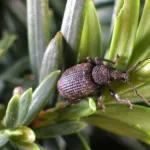 PestBlack Vine WeevilOtiorhynchus sulcatus
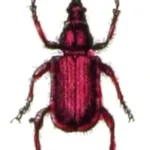 PestPeach weevilRhynchites bacchus
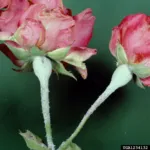 DiseaseRose powdery mildewPodosphaera pannosa
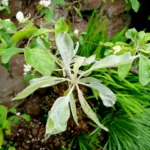 DiseaseApple Powdery MildewPodosphaera leucotricha
Toxicity and pollen
Reliable species-specific toxicity information is limited. The ASPCA listing commonly associated with “geranium” refers to Pelargonium species, not this true Geranium. Do not treat that listing as proof that Geranium endressii is toxic or completely safe. Prevent children and pets from chewing unfamiliar plant material and seek professional advice after ingestion or an unusual reaction.
- Typical season
- During flowering, typically May–September in much of the United States
- Pollination / pollen
- Flower pollen, mainly carried by insect visitors
This is an insect-pollinated flowering perennial, so its pollen is generally released at flowers rather than dispersed in large windborne clouds. No strong, species-specific airborne-allergy profile was located. Sensitive people can still react to plant contact or nearby floral pollen, so avoid rubbing eyes after handling and monitor personal symptoms.
Native habitat
The species is associated with the temperate western Pyrenees, where it grows in cool, relatively moist conditions. In cultivation it performs best in soils that retain some moisture without becoming saturated, with protection from excessive heat and drought in warmer U.S. regions.
Interesting fact
The species is native to the western Pyrenees and is accepted as Geranium endressii J.Gay. Its common name refers to the crane-bill-like beaked fruit capsules characteristic of Geranium. It is also recorded as introduced in parts of Europe and in Washington State.
Frequently asked questions (FAQ)
The most relevant questions about this plant, with short and direct answers.
🌱Quick care
What is Geranium endressii called in the United States?⌄
Geranium endressii is commonly called French Crane's-bill. It is a hardy perennial cranesbill, not the tender bedding geraniums that belong to the genus Pelargonium.
Is French Crane's-bill easy to grow?⌄
Yes, French Crane's-bill is generally an easy-care, clump-forming perennial. It performs best in moderately fertile, well-drained soil with moderate moisture.
How much sun does Geranium endressii need?⌄
Geranium endressii grows in full sun to partial shade. In hot climates, partial afternoon shade can help reduce stress and maintain better foliage.
How often should I water French Crane's-bill?⌄
Water French Crane's-bill when the soil begins to dry, especially during its first growing season or extended summer drought. Established plants tolerate some dryness but flower more reliably with moderate moisture.
Is Geranium endressii a perennial?⌄
Yes, Geranium endressii is a hardy perennial that returns from its crown each year. Its foliage may remain partly evergreen in mild climates but can die back in colder areas.
🌤️Environment and placement
What soil is best for Geranium endressii?⌄
Use moderately fertile, well-drained loam for Geranium endressii. It tolerates a range of soil types, but persistent waterlogging can cause root problems.
Can French Crane's-bill grow in shade?⌄
French Crane's-bill can grow in partial shade and is one of the more shade-tolerant hardy geraniums. Flowering is usually stronger with some direct light, particularly morning sun.
Can Geranium endressii grow in full sun?⌄
Yes, Geranium endressii can grow in full sun if the soil does not dry excessively. In regions with intense summer heat, afternoon shade and consistent moisture are beneficial.
Is French Crane's-bill drought tolerant?⌄
Established French Crane's-bill has some drought tolerance, but it is not at its best in prolonged, severe dryness. Water deeply during extended dry periods to support flowering and recovery.
Is Geranium endressii suitable for containers?⌄
Yes, Geranium endressii can grow in a container with drainage holes and a well-drained potting mix. Choose a container large enough for its clumping root system and water when the mix begins to dry.
How large does French Crane's-bill get?⌄
French Crane's-bill typically forms a clump about 12 to 18 inches tall and can spread roughly 18 to 36 inches over time. Its final size depends on growing conditions and cultivar.
Is Geranium endressii good for pollinators?⌄
Yes, Geranium endressii provides nectar and pollen for bees and other pollinating insects. Planting it in a sunny or lightly shaded border can add useful seasonal forage.
💧Care and problems
How do I fertilize French Crane's-bill?⌄
French Crane's-bill usually needs only modest fertilization in reasonably fertile soil. Add compost when planting and use a light, balanced spring feeding only if growth is weak or the soil is poor.
Should I deadhead Geranium endressii?⌄
Deadhead Geranium endressii by removing spent flower stems if you want to improve its appearance and encourage fresh blooms. Leaving some flowers can allow limited seed development.
When should I cut back French Crane's-bill?⌄
Cut French Crane's-bill back after its main flowering flush or when the foliage becomes untidy. Removing flowered stems and old leaves encourages fresh foliage and may support additional flowering.
Why is my Geranium endressii not flowering?⌄
Limited light, drought, excessive nitrogen, or a crowded mature clump can reduce flowering in Geranium endressii. Move or thin the plant only after checking that it receives adequate light and consistent moisture.
What pests attack French Crane's-bill?⌄
French Crane's-bill may be affected by slugs, snails, sawflies, and vine weevils. Inspect foliage and the soil around the crown regularly, particularly when growth is distorted or leaves show chewing damage.
What diseases can affect Geranium endressii?⌄
Geranium endressii can be susceptible to powdery mildew, downy mildew, and some viruses. Improve air circulation, avoid consistently wet foliage, and remove severely affected plant material.
🪴Planting and repotting
When should I plant Geranium endressii?⌄
Plant Geranium endressii in spring or early fall when soil moisture is reliable and temperatures are moderate. Fall planting should allow enough time for roots to establish before the ground freezes.
How far apart should I plant French Crane's-bill?⌄
Space French Crane's-bill about 18 to 24 inches apart for a natural clump-to-clump planting. Use wider spacing if you want each plant to remain visually distinct.
How do I plant Geranium endressii in the ground?⌄
Plant Geranium endressii with the crown at the same depth it was growing in its nursery container. Firm the soil gently, water thoroughly, and add a light mulch without covering the crown.
✂️Propagation and pruning
How do you propagate French Crane's-bill?⌄
The easiest way to propagate French Crane's-bill is by dividing established clumps in spring. Each division should contain healthy roots and at least one active growing point.
Can Geranium endressii be grown from seed?⌄
Yes, Geranium endressii can be grown from seed, although division is usually quicker and more predictable for garden plants. Seed-grown plants may vary somewhat from selected cultivars.
Can I propagate French Crane's-bill from cuttings?⌄
Yes, French Crane's-bill can be propagated from basal cuttings taken in early to mid-spring. Root them in a clean, free-draining medium with bottom heat and steady moisture.
Does Geranium endressii spread aggressively?⌄
Geranium endressii forms expanding clumps rather than behaving like a typically invasive groundcover. Divide it when the clump becomes crowded or begins to outgrow its space.
⚠️Toxicity and safety
Is Geranium endressii toxic to people or pets?⌄
Species-specific toxicity for Geranium endressii is not firmly established in the verified information available here. Keep plant material away from children and pets, and seek professional advice if it is eaten.
🌸Flowering and special interest
When does French Crane's-bill bloom?⌄
French Crane's-bill generally flowers from late spring through summer, with blooming sometimes extending into early fall. Timing varies with climate, light, moisture, and the individual plant.
What color are Geranium endressii flowers?⌄
Geranium endressii produces clear light-pink flowers with slightly notched petals. The flowers are typically held above a clump of lobed green foliage.
How can I make French Crane's-bill bloom more?⌄
Provide adequate light, moderate moisture, and moderately fertile soil to encourage more flowers on French Crane's-bill. Removing spent flower stems after blooming can also promote a tidier, potentially reblooming plant.
Similar plants
 Azure Monkshood (Aconitum carmichaelii) care guideAconitum carmichaelii
 Monkshood (Aconitum ‘Stainless Steel’)Aconitum 'Stainless Steel'
 Monkshood (Aconitum ‘Bressingham Spire’)Aconitum 'Bressingham Spire'
 Golden full moon maple (Acer shirasawanum ‘Aureum’)Acer shirasawanum 'Aureum'
 Globosum (Acer platanoides ‘Globosum’)Acer platanoides 'Globosum'
 Striped maple (Acer pensylvanicum) care guideAcer pensylvanicum