
 Source:
 Fuchsia ‘Mrs Popple’ short overview
Fuchsia 'Mrs Popple' is a vigorous, upright hardy fuchsia valued for its unusually long display of large, pendent flowers. Bright scarlet-red sepals and tubes frame violet-purple petals above deep-green foliage from summer into fall. In the United States, grow it in fertile, moisture-retentive but well-drained soil, with sun or partial shade and protection from drying winter winds. It is especially useful in sheltered borders, patio containers, and pollinator gardens.
Taxonomic classification
Fuchsia ‘Mrs Popple’ care guide
Light and placement
Grow in full sun in cool or mild summer climates, or give morning sun and afternoon partial shade where summers are hot. An east- or west-facing sheltered border is suitable. Too much intense afternoon sun can cause wilt, leaf scorch, and faded flowers; too little light produces weak, stretched growth and fewer blooms.
Watering and humidity
Water deeply when the surface begins to dry, keeping the root zone consistently moist during active growth and flowering. Containers may need daily checks in hot weather, while established border plants need less frequent watering after rooting. Reduce watering in fall and winter, but do not allow container roots to become completely dry.
Soil and growing medium
Use fertile soil that holds consistent moisture without becoming waterlogged. Loam enriched with compost is suitable, while heavy clay should be improved with organic matter and drainage. The cultivar tolerates acid, neutral, and alkaline soils, but a slightly acidic to neutral range is a practical target for container culture and general garden performance.
Feeding
Apply a balanced, complete fertilizer in spring as growth starts, then feed lightly during active flowering if plants are growing vigorously in containers or poor soil. Compost mulch can support border plants. Do not fertilize late in the season or during winter dormancy, because soft new growth is more vulnerable to cold.
Growth and habit
A vigorous, bushy shrub with upright growth and arching flowering stems. It flowers on the current season's growth, so hard spring cutting-back can help maintain a compact framework and encourage a fresh flush of shoots. Sheltered conditions improve winter survival and reduce wind damage.
Planting and repotting
Plant in spring after the ground is workable and severe freezes have passed. Set the crown and lower stem slightly deeper than for tender bedding fuchsias where winter protection is useful, following local hardy-fuchsia practice. Space plants about 24–36 inches apart, water thoroughly, and mulch after establishment without burying emerging shoots.
Move container plants into a slightly larger pot in spring, before strong new growth begins. Refresh compacted mix and check that drainage holes remain open. Avoid excessive pot size, which can keep the root zone wet for too long.
Propagation and pruning
Propagation
Softwood or semi-hardwood cuttings are the practical method for retaining this cultivar's characteristics. Take healthy non-flowering shoots during active growth, root them in a clean, free-draining medium, and protect young cuttings from drying out. Seed is not a reliable way to reproduce the named cultivar faithfully.
Pruning
Prune in late winter or early spring after the worst cold has passed. Remove dead or winter-damaged wood, then shorten remaining stems to shape the shrub and stimulate new flowering shoots. In colder areas, delay final pruning until live buds are visible. Deadheading is optional but can improve appearance.
Overwintering
In suitable climates, mulch the crown with several inches of organic material after the top growth dies back. Shelter plants from cold, drying winds. In colder zones, grow in a container and move it to a cool, bright, frost-free location after dormancy begins; water sparingly over winter and return outdoors gradually in spring.
Uses
Use as a flowering border shrub, sheltered foundation accent, patio container plant, or late-season pollinator planting. Its pendent red-and-purple flowers provide strong ornamental contrast against green foliage. Container plants are useful where winters are colder than the cultivar's practical outdoor limit.
Appearance
The plant has slender, branching stems, opposite small dark-green leaves, and an upright-to-arching bushy outline. Its most distinctive feature is the contrast between vivid scarlet sepals and tube and the violet-purple petal skirt. Flowers hang below the stems, giving the shrub a light, animated appearance.
Flowering
This single-flowered cultivar produces pendent, tubular flowers in profusion from early summer into fall, often continuing until the first hard frost. The prominent scarlet sepals and tube contrast with the violet-purple petals. Flowering is strongest when plants receive good morning or filtered sun, regular moisture, and occasional removal of spent flowers.
Pollination and visitors
The flowers are documented as attractive to bees and hummingbirds. Their pendent tubular form can be visited by birds and insects able to reach nectar and pollen, but the evidence available does not establish a single pollinating species for this cultivar.
Fuchsia 'Mrs Popple' photos
Click any photo for a larger view. Source, author and license are shown separately.
Diseases and pests
Diseases
Fuchsia rust, gray mold, and honey fungus may occur, especially where foliage stays wet or air circulation is poor. Remove affected leaves, improve spacing and watering at the soil line, and clear fallen debris. Avoid routine fungicide use unless the disease is correctly identified and local label directions support treatment.
Pests
Aphids, fuchsia gall mite, fuchsia flea beetle, capsid bugs, and vine weevil may affect plants. Inspect young shoots and leaf undersides regularly, encourage natural predators, and use strong water sprays for light aphid infestations. Remove badly infested growth and use only locally registered treatments when monitoring shows they are needed.
Related diseases and pests
Only Plant Doctor profiles whose host data indicate this plant may be affected are shown here.
 PestCyclamen mitePhytonemus pallidus
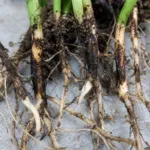 DiseaseBlack Root RotBerkeleyomyces basicola
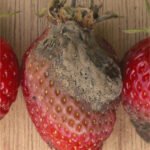 DiseaseGray MoldBotrytis cinerea
 PestCabbage Stem Flea BeetlePsylliodes chrysocephala
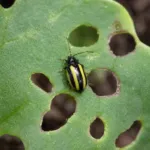 PestTurnip flea beetlePhyllotreta nemorum (Linnaeus, 1758)
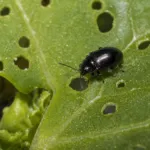 PestTurnip Flea BeetlePhyllotreta atra (Fabricius, 1775)
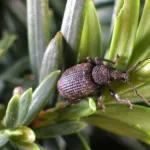 PestBlack Vine WeevilOtiorhynchus sulcatus
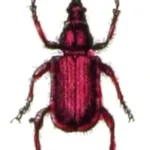 PestPeach weevilRhynchites bacchus
Toxicity and pollen
Reliable sources specifically documenting toxicity for this exact cultivar are limited. Fuchsia berries are reported as edible in general, although they are not usually grown as a food crop and flavor varies. Prevent children and pets from consuming large quantities of plant material, and seek medical or veterinary advice after significant ingestion.
- Typical season
- Summer through fall during flowering
- Pollination / pollen
- Insect-dispersed pollen; limited airborne exposure expected
Fuchsia flowers are generally animal-pollinated rather than wind-pollinated, so airborne pollen exposure is expected to be limited compared with wind-pollinated trees and grasses. Exact allergy risk for ‘Mrs Popple’ has not been well studied; sensitive people should still avoid rubbing their eyes after handling flowers and wash hands afterward.
Native habitat
This named garden cultivar is not a wild plant with a native habitat. It belongs to a horticultural group derived from South American Fuchsia lineages, many of which evolved in cool, moist montane or woodland-edge environments. In cultivation it performs best with reliable moisture, fertile soil, and protection from drying exposure.
Interesting fact
‘Mrs Popple’ is an old hardy-fuchsia cultivar associated with Clarence Elliott and known since the early twentieth century. It received the Royal Horticultural Society Award of Garden Merit. Unlike many tender bedding fuchsias, it can return from woody crowns after winter in suitable climates.
Frequently asked questions (FAQ)
The most relevant questions about this plant, with short and direct answers.
🌱Quick care
What is Fuchsia 'Mrs Popple'?⌄
Fuchsia 'Mrs Popple' is a vigorous, upright, deciduous hardy fuchsia with single flowers that combine scarlet-red sepals and tubes with violet-purple petals. It is grown as an ornamental shrub rather than for edible fruit.
How much sunlight does Fuchsia 'Mrs Popple' need?⌄
Grow Fuchsia 'Mrs Popple' in full sun to partial shade. In hot US climates, protect it from intense afternoon sun and reflected heat, while providing enough light for reliable flowering.
How often should I water Fuchsia 'Mrs Popple'?⌄
Keep the soil evenly moist, especially during active growth and flowering. Water when the surface begins to dry, but avoid constantly saturated soil or standing water.
What soil is best for Fuchsia 'Mrs Popple'?⌄
Use fertile, moist but well-drained soil. It adapts to loam, clay, sand, chalk, and neutral-to-alkaline conditions as long as drainage and moisture are balanced.
How big does Fuchsia 'Mrs Popple' get?⌄
Fuchsia 'Mrs Popple' commonly grows about 2 to 3 feet tall and wide, although vigorous plants in favorable conditions can become larger. Give it enough room to develop its upright, bushy form.
🌤️Environment and placement
Is Fuchsia 'Mrs Popple' hardy in the United States?⌄
Fuchsia 'Mrs Popple' is a relatively hardy fuchsia that can be grown outdoors in protected locations, but winter survival depends on local temperatures, exposure, drainage, and mulch. In colder areas, expect possible stem dieback even when the crown survives.
Where should I plant Fuchsia 'Mrs Popple' outdoors?⌄
Choose a sheltered site with morning sun or filtered light, fertile soil, and protection from drying winds. A wall-side border, mixed bed, or protected courtyard is usually more suitable than an exposed, windy location.
Can Fuchsia 'Mrs Popple' grow in full sun?⌄
Yes, Fuchsia 'Mrs Popple' can grow in full sun if the soil stays consistently moist and the site is not excessively hot. Partial shade is safer in regions with intense summer heat.
Can Fuchsia 'Mrs Popple' grow in a container?⌄
Yes, it grows well in a container with drainage holes and a moisture-retentive but well-drained potting mix. Container plants dry out and freeze more quickly than in-ground plants, so they need closer watering and winter protection.
Does Fuchsia 'Mrs Popple' tolerate clay soil?⌄
Fuchsia 'Mrs Popple' can tolerate clay soil if it drains adequately. Improve heavy clay with organic matter and avoid planting where water remains around the roots after rain.
💧Care and problems
Why is my Fuchsia 'Mrs Popple' not flowering?⌄
Poor flowering is commonly linked to insufficient light, drought, excessive winter damage, or overly vigorous leafy growth. Move container plants to brighter filtered light, maintain even moisture, and feed moderately during active growth.
Should I deadhead Fuchsia 'Mrs Popple'?⌄
Deadheading is optional but can keep the plant looking tidy and encourage continued flowering. Remove faded flowers and developing fruit if you want the plant to direct more energy toward blooms.
What fertilizer does Fuchsia 'Mrs Popple' need?⌄
Feed Fuchsia 'Mrs Popple' with a balanced fertilizer during active growth, following the product label. Container plants may benefit from regular light feeding, but excessive nitrogen can produce foliage at the expense of flowers.
What pests affect Fuchsia 'Mrs Popple'?⌄
Fuchsia 'Mrs Popple' may be affected by aphids, fuchsia gall mite, fuchsia flea beetle, capsid bugs, and vine weevils. Inspect new growth and leaves regularly, and remove or treat affected growth promptly.
What diseases affect Fuchsia 'Mrs Popple'?⌄
Potential problems include fuchsia rust, gray mold, and occasional honey fungus. Good air circulation, careful watering, removal of diseased leaves, and avoiding persistently wet foliage can reduce disease pressure.
Why are the leaves on my Fuchsia 'Mrs Popple' turning yellow?⌄
Yellow leaves can result from overwatering, drought, poor drainage, nutrient stress, or normal seasonal leaf drop. Check the soil moisture and roots first, because this deciduous cultivar naturally loses foliage before winter.
🪴Planting and repotting
When should I plant Fuchsia 'Mrs Popple'?⌄
Plant Fuchsia 'Mrs Popple' in spring after severe frost has passed, giving it time to establish before winter. In mild US climates, fall planting can also work if the soil remains workable and the roots are mulched.
How do I plant Fuchsia 'Mrs Popple' for winter survival?⌄
Plant it in well-drained soil in a sheltered position, and apply a deep layer of winter mulch over the root zone after the ground cools. In colder areas, additional protection or container overwintering may be necessary.
Can Fuchsia 'Mrs Popple' be grown in a pot?⌄
Yes, use a container only slightly larger than the root ball with drainage holes and quality potting mix. Water regularly during the growing season, and move the pot to a protected location before severe freezing weather.
How often should I repot Fuchsia 'Mrs Popple'?⌄
Repot a container-grown Fuchsia 'Mrs Popple' when roots fill the pot or growth and watering become difficult to maintain, usually in spring. Increase the container size gradually rather than moving a small plant into an oversized pot.
✂️Propagation and pruning
How do I propagate Fuchsia 'Mrs Popple'?⌄
Propagate Fuchsia 'Mrs Popple' from softwood or semi-hardwood cuttings. Take healthy nonflowering shoots, place them in a sterile, evenly moist rooting medium, and keep them in bright indirect light with high humidity.
When should I prune Fuchsia 'Mrs Popple'?⌄
Prune Fuchsia 'Mrs Popple' in early to mid-spring after the threat of hard frost has passed and new growth begins. This timing protects emerging shoots and encourages strong flowering stems for the season.
How hard can I prune Fuchsia 'Mrs Popple'?⌄
You can prune it hard, cutting back dead or frost-damaged growth to healthy wood or near the base when necessary. Leave the stronger woody framework where possible, because new shoots develop from it and from the crown.
Should I cut back Fuchsia 'Mrs Popple' in the fall?⌄
Usually, leave the old stems standing through winter and do the main pruning in spring after frost damage is clear. In very mild climates, a light fall tidy-up is acceptable, but hard fall pruning can expose the crown and new cuts to winter damage.
Does Fuchsia 'Mrs Popple' die back in winter?⌄
It may lose its leaves and have its upper stems killed by frost, even when the plant remains alive below ground. Wait until spring to assess the crown, then remove dead wood and protect emerging shoots from late freezes.
⚠️Toxicity and safety
Is Fuchsia 'Mrs Popple' toxic to dogs and cats?⌄
Cultivar-specific toxicity information for Fuchsia 'Mrs Popple' is not well established, so do not assume it is completely risk-free for pets. The berries of fuchsias are generally described as edible but often unpalatable; prevent pets and children from eating plant material.
Are the berries of Fuchsia 'Mrs Popple' edible?⌄
The berries of many fuchsias are technically edible, but they are usually sparse and not especially tasty. Because cultivar-specific identification and safety information for 'Mrs Popple' is limited, it is best grown as an ornamental rather than a food plant.
🌸Flowering and special interest
When does Fuchsia 'Mrs Popple' bloom?⌄
Fuchsia 'Mrs Popple' typically flowers from summer into early fall, with blooms continuing until frost in favorable conditions. Flowering is strongest when the plant receives adequate light, consistent moisture, and regular removal of faded blooms.
What do Fuchsia 'Mrs Popple' flowers look like?⌄
The flowers are large and single, with bright scarlet-red tubes and sepals surrounding violet-purple petals. They hang from the stems and create a strong two-color display against the dark green foliage.
Is Fuchsia 'Mrs Popple' attractive to hummingbirds?⌄
Yes, the pendant tubular flowers are likely to attract hummingbirds where hummingbirds visit gardens. Plant it where the blooms are easy to see and combine it with other nectar-producing plants for a longer seasonal display.
Similar plants
 Azure Monkshood (Aconitum carmichaelii) care guideAconitum carmichaelii
 Monkshood (Aconitum ‘Stainless Steel’)Aconitum 'Stainless Steel'
 Monkshood (Aconitum ‘Bressingham Spire’)Aconitum 'Bressingham Spire'
 Golden full moon maple (Acer shirasawanum ‘Aureum’)Acer shirasawanum 'Aureum'
 Globosum (Acer platanoides ‘Globosum’)Acer platanoides 'Globosum'
 Striped maple (Acer pensylvanicum) care guideAcer pensylvanicum