
 Source:
Ensete glaucum short overview
Ensete glaucum is a rare, dramatic banana relative from the wet tropical mountains of Asia and Papuasia. It forms a solitary, wax-coated pseudostem with a swollen, jar-like base and broad green leaves that can exceed 5 feet long. The plant is monocarpic: after years of vegetative growth, it produces a pendent inflorescence, develops seeded fruit, and then dies. In the United States it is best grown as a warm-season container or protected tropical specimen.
Taxonomic classification
Ensete glaucum care guide
Light and placement
Give Ensete glaucum full sun where summers are warm, with some afternoon protection in very hot, dry climates. A south- or southeast-facing position is suitable in containers. Shelter it from strong winds, which shred the large leaves. Pale, weak growth and unusually long petioles suggest insufficient light; scorched margins, bleached patches or persistent midday wilt indicate excessive heat, drought or reflected light.
Watering and humidity
Water deeply when the upper 1–2 inches of soil begins to dry, then allow excess water to drain completely. Keep the root zone evenly moist during warm, active growth, but never leave the container standing in water. Reduce watering substantially in cool winter storage, allowing the surface to dry further between applications. Humidity helps maintain leaf quality but does not compensate for poor drainage.
Soil and growing medium
Use a rich, airy mix based on loam or quality potting soil, amended with compost and coarse material such as perlite, pumice or fine bark. The structure should hold moisture without becoming saturated. A slightly acidic to neutral reaction is a dependable target. In the ground, improve compact soil before planting; a raised bed or large drainage hole is preferable where winter wetness is a problem.
Feeding
Feed from late spring through summer while the plant is actively producing leaves. Apply a complete balanced fertilizer at half to normal label strength every 3–4 weeks, or use a controlled-release product according to its label. Compost can be incorporated at planting. Do not fertilize a dormant, chilled or recently stressed plant, because weak roots are more vulnerable to salt injury.
Growth and habit
This species grows as one main stem rather than a clump and does not normally produce stolons or abundant suckers. It can grow quickly with heat, rich soil and regular moisture, but its final size varies widely in containers. Because it is monocarpic, flowering is the terminal event for the main stem; seed is then required to continue the plant.
Planting and repotting
Choose a warm, sheltered site after frost danger has passed. Set the root ball level with the surrounding soil and water thoroughly to settle the planting. Mulch the root zone to conserve moisture, keeping mulch away from the pseudostem. In areas with cool or wet winters, use a large container so the plant can be moved before damaging weather.
Repot in spring or early summer when active growth resumes. Move one container size up at a time, using a heavy pot with generous drainage to reduce tipping. Disturb roots as little as practical, keep the swollen base at its former depth, and water lightly until new growth confirms recovery.
Propagation and pruning
Propagation
Propagation is primarily by seed because the species is solitary and does not normally produce dependable offsets. Sow fresh, cleaned seed in a sterile, well-drained medium, keep it warm and evenly moist, and provide patience because germination may be irregular. Transplant seedlings only after they have developed a substantial root system.
Pruning
Remove only fully dead, torn or diseased leaves with clean tools. Cut damaged blades near the petiole without injuring the central spear. Do not cut back a healthy pseudostem to control size; this can remove the growing point. After terminal flowering and fruiting, the spent main stem can be removed once it has completely declined.
Overwintering
In frost-prone regions, move container plants indoors or into a heated greenhouse before temperatures approach freezing. Keep them in the brightest available light, reduce watering in cool conditions, and maintain good airflow. If the plant is too large to move, severe cold protection may preserve the base, but reliable survival is uncertain and prolonged winter wet is especially risky.
Uses
Primarily an ornamental specimen for tropical, subtropical and conservatory displays. Its swollen pseudostem and large leaves create strong architectural impact in courtyards, warm borders and large containers. Ethnobotanical records document local food or livestock uses in parts of Asia, but United States gardeners should not assume that home-grown fruit or plant tissues are edible; identification and preparation evidence is limited.
Appearance
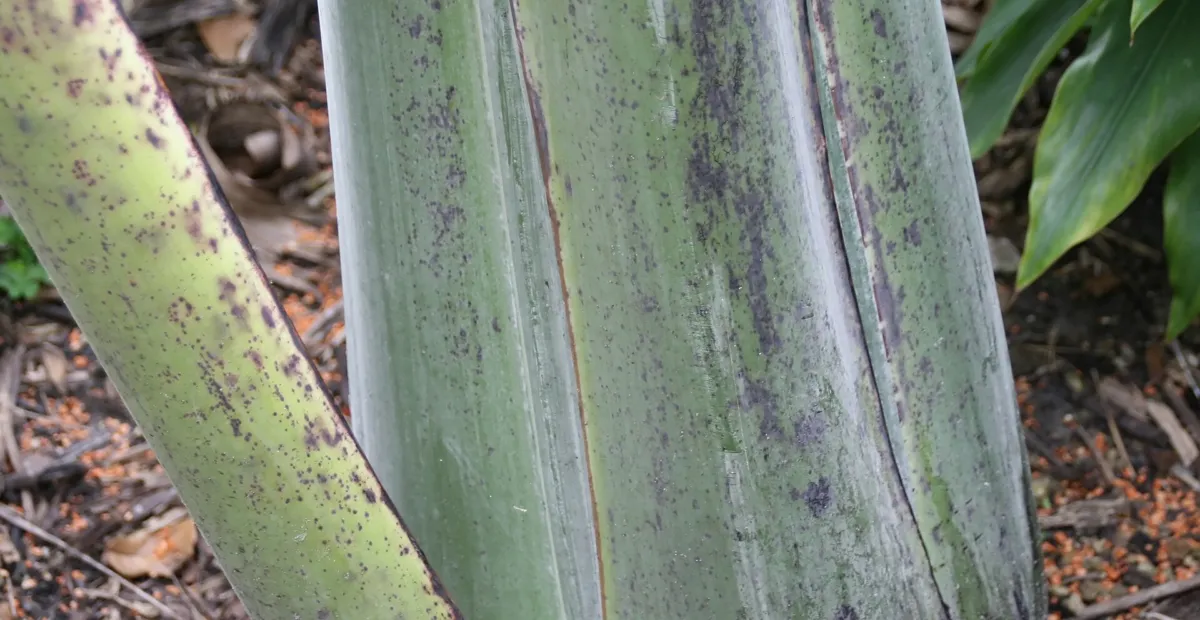
The identifying combination is a solitary, cylindrical pseudostem with a swollen, jar-like base, a waxy coating and occasional dark spotting with age. Leaves are broad, oblong and mostly solid green, with short petioles; individual blades are about 4.6–5.9 feet long and 20–24 inches wide. The pendent inflorescence is long and cylindrical, with persistent overlapping bracts.
Flowering
The inflorescence emerges from the crown at the top of the pseudostem and may reach roughly 8 feet in length. Flowers occur in groups beneath persistent bracts; the reproductive display is structurally interesting but not generally showy. Kew records flowering and fruiting throughout the year in the native range, so no dependable United States month range is assigned.
Pollination and visitors
Reliable species-specific documentation of animal pollinators or flower visitors was not located. The flowers produce pollen and are morphologically compatible with pollination by animals, but a characteristic visitor group should not be assigned without direct evidence.
Ensete glaucum photos
Click any photo for a larger view. Source, author and license are shown separately.
Diseases and pests
Diseases
Prevent problems with excellent drainage, clean tools, good airflow and avoidance of chronically wet foliage or soil. Watch for root or pseudostem rots, especially after cold, waterlogged conditions; soft, dark tissue or a collapsing crown requires immediate isolation and removal of affected material. Remove badly infected leaves and correct the cultural cause before considering a labeled fungicide.
Pests
Inspect leaf undersides and the crown for spider mites, scale, mealybugs, aphids and thrips, particularly during indoor wintering. Rinse foliage, improve humidity and airflow, and remove small infestations manually. Use insecticidal soap or horticultural oil only as directed and test first, since large leaves can mark under harsh conditions.
Related diseases and pests
Only Plant Doctor profiles whose host data indicate this plant may be affected are shown here.
 PestMealy Plum AphidHyalopterus pruni (Geoffroy, 1762)
 Environmental stressWaterlogging
 PestOnion thripsThrips tabaci Lindeman
 PestMelon thripsThrips palmi Karny
 PestChilli thripsScirtothrips dorsalis Hood
 DiseaseRhabdocline Needle Cast of Douglas-FirRhabdocline pseudotsugae
 DiseasePseudomonas viridiflava bacterial blightPseudomonas viridiflava
 DiseaseBacterial blight and cankerPseudomonas syringae pv. syringae
Toxicity and pollen
Authoritative, species-specific human and companion-animal toxicity information was not located. Do not infer safety from the absence of reports. Keep children and pets from chewing leaves, pseudostems, flowers or seeds, and wash hands after handling sap. Seek medical or veterinary advice if ingestion causes symptoms, especially gastrointestinal irritation or oral discomfort.
- Pollination / pollen
- Pollen is produced by the flowers, but airborne dispersal and pollination biology are insufficiently documented for this species.
Ensete glaucum is a flowering plant and produces pollen, but reliable data on pollen quantity, airborne dispersal and allergy sensitization were not found. Its concealed flowers may limit casual exposure, yet insect-associated pollen should not automatically be considered allergen-free. People with serious plant-pollen sensitivity should avoid direct contact with flowers and sap and use gloves when handling reproductive material.
Native habitat
It occurs in mountainous regions from roughly 800 to 2,700 meters, within wet tropical environments. Natural populations are associated with humid mountain landscapes and disturbed or open forest contexts. Plants benefit from warmth, moisture, fertile soil and protection from damaging winds, while high-elevation origins do not make the species reliably frost hardy.
Interesting fact
The pseudostem base is distinctly swollen and jar-like rather than uniformly cylindrical. The species is solitary and generally non-stoloniferous. Its fruits are large, glaucous berries containing hard black seeds. It is recorded across a broad Asian-to-Papuasian range, but remains uncommon in ordinary horticultural trade.
Similar plants
 Foxtail Palm (Wodyetia bifurcata) care guideWodyetia bifurcata
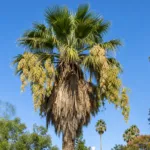 He Mexican fan palm (Washingtonia robusta) care guideWashingtonia robusta
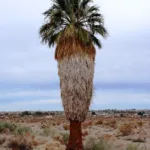 He California fan palm (Washingtonia filifera) care guideWashingtonia filifera
 Veitchia arecina care guideVeitchia arecina
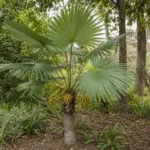 Trachycarpus latisectus care guideTrachycarpus latisectus
 He Chusan palm (Trachycarpus fortunei) care guideTrachycarpus fortunei