
 Source:
 Old man cactus (Cephalocereus senilis) short overview
Cephalocereus senilis, commonly called old man cactus, is a distinctive columnar cactus from northeastern Mexico to Veracruz. Its cylindrical green stems are cloaked in long white hairlike spines that reflect sunlight and help buffer temperature extremes. It is slow-growing and rarely flowers in household conditions, so most U.S. gardeners cultivate it as a striking container specimen. Provide strong light, very sharp drainage, restrained watering, and frost protection.
Taxonomic classification
Old man cactus (Cephalocereus senilis) care guide
Light and placement
Give the brightest practical position: a south- or west-facing window with several hours of direct sun is ideal indoors. Outdoors, use full sun only after gradual acclimation over several weeks. Too little light produces weak, stretched growth and duller hair coverage; abrupt exposure to intense sun can cause sunburn, so increase exposure progressively.
Watering and humidity
Water thoroughly only after the mix has dried well, then let excess drain completely. During active growth, the interval may be several weeks depending on pot size, light, and temperature. Reduce watering sharply in fall and withhold it during a cool, dim winter rest unless the stem begins to shrivel severely. Never leave the pot standing in water.
Soil and growing medium
Use a porous cactus mix amended generously with pumice, perlite, coarse sand, or other mineral grit. The root zone must drain rapidly and dry between waterings. A mildly acidic to slightly alkaline reaction is tolerated; avoid dense, water-retentive compost and containers without drainage holes.
Feeding
Feed during active spring and summer growth with a balanced cactus fertilizer at label strength or weaker, approximately monthly. Do not fertilize dry, stressed, newly repotted, or dormant plants. Stop feeding in fall and winter, when cool temperatures and low light make excess nutrients and moisture more likely to cause weak growth or root damage.
Growth and habit
This cactus forms a narrow, erect, usually unbranched column and remains slow-growing for many years. It is especially suited to a stable container where its upright habit can be displayed safely. Mature plants can become heavy and top-heavy, so choose a substantial pot and avoid frequent relocation.
Planting and repotting
Plant outdoors only after frost risk has passed and the cactus has been gradually acclimated to direct sun. Set it at the same depth as before, with the stem kept above the soil line. Space approximately 12 inches to 3 feet according to the desired display and allow generous air circulation.
Repot in spring or early summer only when the container is crowded or the mix has degraded. Let the substrate dry first, protect hands with thick gloves or folded cardboard, and avoid burying the stem deeper than it was previously planted. Use a stable, heavy pot because the column can become top-heavy.
Propagation and pruning
Propagation
Propagate from seed or stem cuttings. Sow seed in a sterile, mineral-rich, well-drained medium with warmth and bright filtered light. For cuttings, let the cut surface dry and callus thoroughly before placing it in barely moist, gritty medium. Rooting is slow and cuttings require careful watering to prevent rot.
Pruning
Little pruning is normally needed. Remove only dead, damaged, or diseased sections with sterile tools. Allow cut surfaces to dry and callus before any watering. Do not shave or trim the white spines; they are important identification and protective structures.
Overwintering
Bring container plants indoors before temperatures approach freezing. Keep them in a bright, cool-to-moderate location with excellent airflow and little or no water. Avoid placing the plant against cold glass or near a humidifier. Resume watering gradually in spring when light and warmth increase.
Uses
Primarily used as a specimen houseplant, patio container plant, or accent in frost-free rock and succulent gardens. Its architectural column and white spines provide strong texture. It is not a documented food or medicinal plant, and its spines require careful placement away from paths, children, and pets.
Appearance
The plant has cylindrical, ribbed, green to gray-green stems covered in dense, shaggy white radial spines. These hairlike spines can obscure the sharper yellowish central spines, so the surface should not be handled bare-handed. Young growth is often especially white; older stems may become less densely covered.
Flowering
Mature plants may produce solitary, funnel-shaped, nocturnal flowers, generally in spring or summer in suitable warm climates. Flowering can be delayed for 10–20 years or until the plant is very large, and it is uncommon on ordinary indoor specimens. Flowers may be yellowish pink to rose, white, yellow, or red according to descriptions and variation.
Pollination and visitors
The flowers are nocturnal and may be visited by nighttime animals, but a species-specific pollinator or reliably characteristic visitor was not confirmed in the sources reviewed.
Cephalocereus senilis photos
Click any photo for a larger view. Source, author and license are shown separately.
Diseases and pests
Diseases
Root and stem rot are the principal concerns, especially when the plant stays wet during cool weather. Use a porous medium, a draining pot, and a dry winter rest. Remove affected tissue only if localized and allow wounds to callus; discard severely rotted plants and never reuse contaminated mix.
Pests
Mealybugs and scale can hide among the dense white spines, making early detection difficult. Inspect with a bright light, isolate affected plants, and remove small infestations with a targeted cotton swab or appropriate labeled treatment. Avoid keeping the stem constantly damp, which increases pest and rot problems.
Related diseases and pests
Only Plant Doctor profiles whose host data indicate this plant may be affected are shown here.
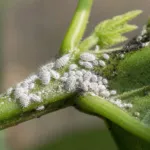 PestCotton mealybugPhenacoccus solenopsis Tinsley
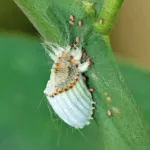 PestCottony Cushion ScaleIcerya purchasi
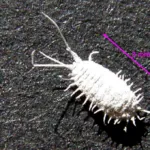 PestObscure mealybugPseudococcus viburni
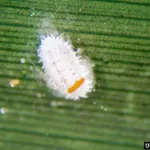 PestCitrus mealybugPlanococcus citri
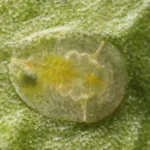 PestCitrus whiteflyDialeurodes citri
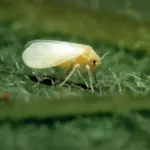 PestSweetpotato whiteflyBemisia tabaci species complex
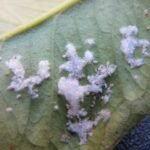 PestWoolly whiteflyAleurothrixus floccosus
Toxicity and pollen
Species-specific human and pet toxicity evidence was not confirmed in the authoritative sources reviewed. Treat it as a physically hazardous cactus: the sharp central spines can puncture skin, and the hairlike covering can hide them. Keep away from children and pets and use gloves or tools when handling.
- Pollination / pollen
- Unknown; pollen is associated with occasional flowers
This cactus is an angiosperm and can produce pollen when it flowers, but reliable species-specific information about airborne dispersal and allergy significance was not found. Avoid treating the absence of allergy reports as proof of zero risk; people with known pollen sensitivity should minimize direct exposure to flowers and pollen.
Native habitat
Native to northeastern Mexico extending to Veracruz, where it occurs in desert or dry shrubland settings. It is adapted to intense light, seasonal drought, mineral or rocky drainage, and pronounced wet–dry cycles rather than persistently humid, saturated soil.
Interesting fact
The white covering consists of modified radial spines rather than leaves or true wool. It reflects sunlight and provides insulation against heat and cold. Older stems can lose some of their dense covering. In habitat, plants may eventually reach about 40 feet, while container specimens are commonly much smaller.
Frequently asked questions (FAQ)
The most relevant questions about this plant, with short and direct answers.
🌱Quick care
What is Cephalocereus senilis commonly called?⌄
Cephalocereus senilis is commonly called old man cactus. The name refers to its long, silvery-white hairlike spines.
How much light does an old man cactus need?⌄
Old man cactus needs full sun to bright filtered light. Indoors, place it in the brightest available window and acclimate it gradually to strong direct sun.
How often should you water an old man cactus?⌄
Water an old man cactus only after its soil has dried completely, then soak the mix and let excess water drain. Water much less often during winter or other cool, low-light periods.
What soil is best for Cephalocereus senilis?⌄
Use a porous, sharply drained cactus mix for Cephalocereus senilis. Avoid dense potting soil that stays wet around the roots.
Is old man cactus easy to grow indoors?⌄
Old man cactus can grow well indoors when given very bright light, excellent drainage, and restrained watering. Its main indoor risks are insufficient light and excess moisture.
🌤️Environment and placement
Can old man cactus grow outdoors in the United States?⌄
Old man cactus can grow outdoors year-round only in warm, dry areas without freezing temperatures. In most of the United States, grow it in a container and bring it indoors before cold weather.
What USDA hardiness zone is suitable for old man cactus?⌄
Old man cactus is best treated as a frost-tender cactus rather than a reliably hardy landscape plant. In colder USDA zones, protect it from freezing and overwinter it indoors.
Can Cephalocereus senilis tolerate frost?⌄
No, Cephalocereus senilis should be protected from frost and freezing temperatures. Cold, wet conditions are especially likely to cause serious damage or rot.
Where should I place an old man cactus indoors?⌄
Place an old man cactus beside a bright south-, west-, or east-facing window, provided the light is not abruptly intensified. Keep it away from cold drafts, heaters, and persistently humid areas.
Can old man cactus take full afternoon sun?⌄
A healthy, acclimated old man cactus can take strong afternoon sun. Introduce intense sunlight gradually because a plant moved suddenly from low light may scorch.
💧Care and problems
Why is my old man cactus turning brown?⌄
Brown discoloration may result from sunburn, aging, physical damage, pests, or rot. Check whether the brown area is dry and firm or soft and spreading, because soft tissue indicates a more urgent moisture or disease problem.
Why is my old man cactus becoming thin or pale?⌄
A thin, pale, or stretched old man cactus usually needs more light. Move it gradually toward a brighter location and rotate the pot periodically for even growth.
How do I know if I am overwatering Cephalocereus senilis?⌄
Overwatering is likely when the cactus becomes soft, dark, discolored, or unstable at the base. Let the soil dry fully between waterings and inspect the roots if rot is suspected.
What should I do if my old man cactus is rotting?⌄
If rot is limited, remove the cactus from wet soil, cut away all soft tissue with a sterile blade, and allow the healthy cutting to callus before re-rooting. A plant with extensive internal rot may not be salvageable.
Why is my old man cactus leaning?⌄
Leaning commonly indicates inadequate light, weak elongated growth, root damage, or an unstable pot. Improve light, check the root system, and use a heavy container with a well-drained mix.
Can I clean the white hairs on an old man cactus?⌄
Clean the white hairs only with a soft, dry brush or gentle air because moisture can mat the hairs and encourage rot. Do not scrub, wash, or handle the plant with bare hands.
How fast does Cephalocereus senilis grow?⌄
Cephalocereus senilis is a slow-growing columnar cactus, especially when grown indoors. Strong light, warm active-season conditions, and appropriate watering support growth, but they will not make it a fast-growing plant.
How tall can an old man cactus get?⌄
An old man cactus can eventually become a tall, columnar cactus in suitable outdoor conditions, but container-grown plants usually remain much smaller. Its mature size depends heavily on age, climate, and growing space.
🪴Planting and repotting
When should I repot an old man cactus?⌄
Repot an old man cactus during its active growing season when the roots have filled the container or the mix has broken down. Choose a pot only slightly larger than the current one and ensure it has drainage holes.
How do I repot Cephalocereus senilis without getting stuck by spines?⌄
Handle Cephalocereus senilis with folded newspaper, thick gloves, or cactus tongs rather than bare hands. Support the body gently, avoid crushing the hairs, and allow damaged roots to dry before watering.
Should an old man cactus be planted in a large pot?⌄
No, use a container only modestly larger than the root ball. An oversized pot holds excess moisture and increases the risk of root rot.
Can old man cactus be planted in the ground?⌄
It can be planted in the ground in a warm, frost-free, sharply drained site. In regions with freezing winters or prolonged rainfall, container culture is safer.
✂️Propagation and pruning
How do you propagate Cephalocereus senilis?⌄
Cephalocereus senilis is most commonly propagated from seed, while cuttings may be possible from suitable healthy stem sections. Allow any cutting to callus thoroughly before placing it in dry, porous rooting media.
Can you grow an old man cactus from a cutting?⌄
A healthy old man cactus cutting may root, although the species is generally slow to propagate this way. Make a clean cut, let the base callus, and keep the medium nearly dry until roots begin developing.
Can you propagate old man cactus from its white hairs?⌄
No, the white hairs cannot be propagated because they are modified spines rather than detachable plantlets. Propagation requires viable seed or, when available, a healthy stem cutting.
Should I prune an old man cactus?⌄
Routine pruning is usually unnecessary for old man cactus. Remove only damaged, diseased, or rotting tissue with a sterile blade, wearing protective gloves.
⚠️Toxicity and safety
Is old man cactus poisonous to dogs and cats?⌄
The ASPCA lists old man cactus, Cephalocereus senilis, as non-toxic to dogs, cats, and horses. It is still physically hazardous because its spines can injure pets, children, and people handling it.
Are the white hairs on an old man cactus soft and safe to touch?⌄
No, the white hairs are modified spines and should not be treated as soft fur. Handle the plant with protective tools because hidden or shorter spines may puncture skin.
Should old man cactus be kept away from children?⌄
Yes, keep old man cactus out of reach of children because its spines can cause painful punctures and may be difficult to remove. Place it where it cannot be brushed against or knocked over.
Is old man cactus safe to eat?⌄
Do not eat old man cactus. Species-specific human edibility is not established here, and the spines create an obvious physical hazard.
🌸Flowering and special interest
Does old man cactus produce flowers?⌄
Yes, old man cactus can produce flowers, but mature plants may need many years before flowering. Flowers are typically associated with older, sufficiently large plants grown under strong conditions.
What color flowers does Cephalocereus senilis have?⌄
Cephalocereus senilis may produce yellow, red, or white flowers. Flowering is uncommon on young indoor specimens.
How old does an old man cactus have to be before it flowers?⌄
Old man cactus commonly needs about 10 to 20 years before it flowers, although the timing varies with growing conditions and plant maturity. Indoor plants may take longer or never flower.
Why is my old man cactus not flowering?⌄
A young age, insufficient light, limited maturity, or unsuitable seasonal conditions can explain a lack of flowers. Improve light and provide a cooler, drier winter rest without expecting flowering from a young plant.
Similar plants
 Azure Monkshood (Aconitum carmichaelii) care guideAconitum carmichaelii
 Monkshood (Aconitum ‘Stainless Steel’)Aconitum 'Stainless Steel'
 Monkshood (Aconitum ‘Bressingham Spire’)Aconitum 'Bressingham Spire'
 Golden full moon maple (Acer shirasawanum ‘Aureum’)Acer shirasawanum 'Aureum'
 Globosum (Acer platanoides ‘Globosum’)Acer platanoides 'Globosum'
 Striped maple (Acer pensylvanicum) care guideAcer pensylvanicum