
 Source:
 Eve’s Needle Cactus (Austrocylindropuntia subulata) short overview
Eve's Needle Cactus is a distinctive, upright Andean cactus with branching cylindrical stems, persistent awl-shaped leaves, and conspicuous gray-white spines. It can become a small tree in frost-free climates, but is more often grown in a container or as a bright indoor specimen in the United States. Give it strong light, gritty fast-draining soil, thorough but infrequent watering, and protection from freezing temperatures and prolonged humidity.
Taxonomic classification
Eve’s Needle Cactus (Austrocylindropuntia subulata) care guide
Light and placement
Provide full sun outdoors or the brightest available window indoors, ideally with several hours of direct light. A south- or west-facing exposure is usually appropriate, with gradual acclimation when moving from shade to intense sun. Pale, elongated growth indicates insufficient light; bleached patches or corky scorch indicate abrupt excessive sun or heat stress.
Watering and humidity
Water thoroughly until excess drains from the pot, then wait until the mix is completely dry before watering again. During active growth this may be every few weeks, depending on heat, pot size, and substrate. Reduce sharply in fall and winter, watering only enough to prevent severe shriveling. Never leave the roots wet or mist the plant in humid conditions.
Soil and growing medium
Use a very porous cactus mix amended with pumice, perlite, coarse sand, or fine gravel. The container must drain freely and should never stand in a saucer of water. A mildly acidic to mildly alkaline mineral substrate is suitable; avoid dense peat-rich mixes that remain wet around the roots.
Feeding
Feed only during active spring and summer growth, using a balanced cactus fertilizer diluted to about one-quarter to one-half of the label strength every 4–6 weeks. Do not fertilize newly rooted cuttings, stressed plants, or plants kept cool and nearly dry in winter. Excess nitrogen can produce weak, elongated growth.
Growth and habit
This cactus develops upright, branching, cylindrical joints and can become shrub-like or tree-like with age. Growth is rapid in warmth and strong light. In containers, prune selectively to control balance and height, and support tall specimens if branching becomes top-heavy. Limited light produces weaker, stretched stems.
Planting and repotting
Plant outdoors only after frost danger has passed, in a raised, sharply drained bed or rock garden. Set the root ball at its original depth and keep the surrounding soil dry until new growth indicates establishment. Leave generous clearance from paths, children’s play areas, and pet routes because the spines are long and injurious.
Repot in spring or early summer when growth is beginning, using gloves, folded cardboard, or sturdy tongs to protect hands from spines. Move only one pot size larger unless the root system is severely crowded. Allow damaged roots to dry briefly before watering.
Propagation and pruning
Propagation
Propagate from stem cuttings in warm weather. Let a healthy segment callus for several days, then place its base in dry, gritty mix and begin light watering only after roots begin forming. Seed propagation is possible but slower. Layering is also documented, particularly where a branch can contact suitable dry substrate.
Pruning
Prune in the warm growing season using long gloves, eye protection, and sterilized tools. Remove damaged, diseased, or poorly positioned branches at a joint. Allow cut surfaces to dry and callus before watering. Avoid unnecessary shaping because every cut creates a wound and detached segments can root readily.
Overwintering
Bring containers indoors before the first frost and keep them in the brightest, coolest dry location available. Maintain good ventilation and water sparingly while growth is slow. Avoid placing the plant against cold glass or near humidifiers. Outdoor plants in borderline climates need a rain shelter as well as frost protection.
Uses
Use as a sculptural container plant, greenhouse specimen, sunny houseplant, or accent in a dry rock garden where winters are mild. It can provide defensive structure and wildlife cover in suitable climates. Do not place it beside paths or seating, and do not treat the fruit as a food crop without removing irritating glochids and confirming identification.
Appearance
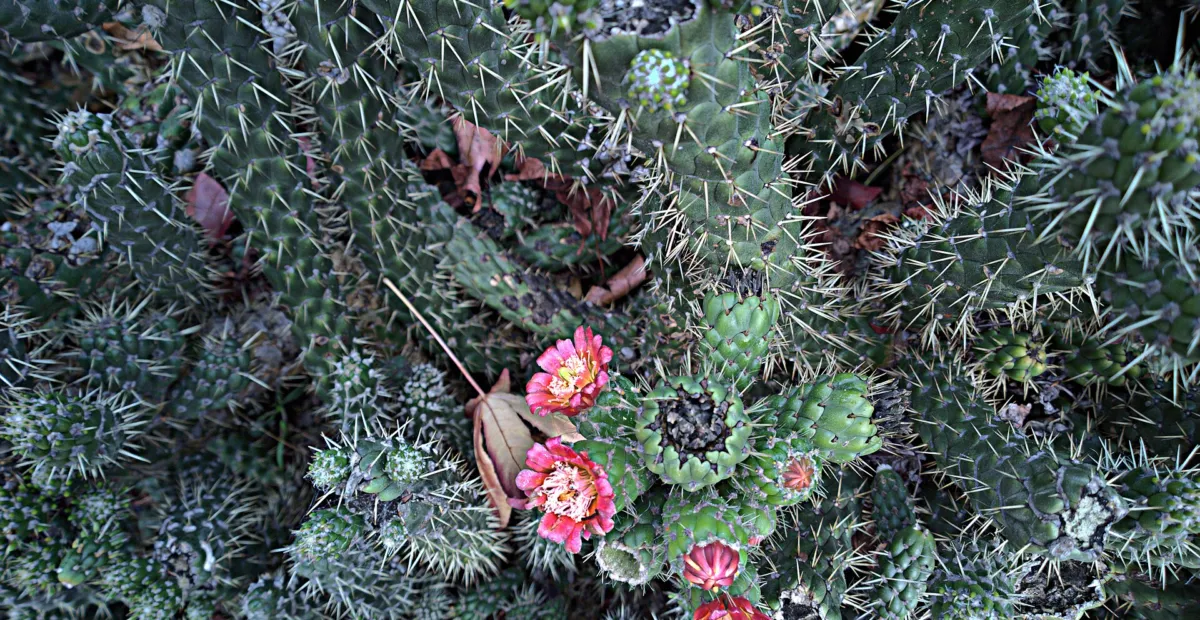
The plant has glossy green cylindrical joints marked by raised, bumpy tubercles. Areoles carry clusters of straight gray-white spines, while young or mature branch tips may retain long, fleshy awl-shaped leaves. Older specimens can form a dark brown woody trunk, giving the cactus a small-tree appearance.
Flowering
Mature outdoor plants may produce tubular, showy flowers in spring or summer. Reported colors include orange-red, red, orange, yellow, and greenish-yellow. Container plants commonly remain vegetative and may not flower, especially when light or seasonal warmth is insufficient.
Pollination and visitors
The tubular flowers are reported to be insect-pollinated, but a clearly documented primary animal pollinator for this exact species was not found. Treat attraction as low rather than assuming broad bee or butterfly value.
Austrocylindropuntia subulata photos
Click any photo for a larger view. Source, author and license are shown separately.
Diseases and pests
Diseases
The main disease risk is rot caused by wet soil, poor drainage, or high humidity. Remove soft or blackened tissue, cut back to healthy material with a sterile blade, and allow wounds to dry before re-rooting if necessary. Prevent problems with porous soil, careful winter watering, and good air circulation.
Pests
Inspect regularly for mealybugs and scale, especially in leaf axils, areoles, and crowded branch joints. Remove small infestations with a cotton swab and suitable horticultural treatment; isolate affected plants. Avoid repeated excess moisture, which increases rot risk and weakens growth.
Related diseases and pests
Only Plant Doctor profiles whose host data indicate this plant may be affected are shown here.
 PestCotton mealybugPhenacoccus solenopsis Tinsley
 DiseaseBlack Root RotBerkeleyomyces basicola
 DiseaseRhizopus soft rotRhizopus stolonifer
 DiseaseBacterial soft rotPectobacterium carotovorum
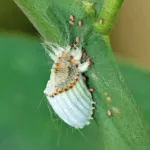 PestCottony Cushion ScaleIcerya purchasi
 DiseaseBlack Rot of GrapePhyllosticta ampelicida (formerly Guignardia bidwellii)
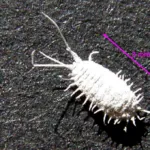 PestObscure mealybugPseudococcus viburni
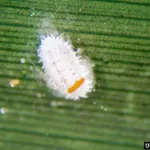 PestCitrus mealybugPlanococcus citri
Toxicity and pollen
No reliable species-specific evidence establishing systemic poisoning of people or pets was located. The well-documented practical hazard is mechanical injury from long spines and irritating glochids, which can puncture skin and cause persistent local irritation. Handle with protective gloves and keep away from contact-prone areas.
- Typical season
- Spring to summer during flowering
- Pollination / pollen
- Insect-dispersed pollen
As a showy, insect-pollinated cactus, it is unlikely to release pollen in the same abundant, wind-borne way as major allergy plants, but species-specific airborne-pollen and clinical allergy data are lacking. Avoid claiming zero allergy risk; flowers can still expose sensitive people to pollen through close contact.
Native habitat
It is native to dry Andean regions of Peru and Bolivia, with some authoritative databases also including Colombia in the broader native range. It grows in desert or dry-shrubland settings where intense light, seasonal dryness, and rapidly draining mineral soils limit root rot.
Interesting fact
The specific epithet subulata means awl-shaped and refers to the fleshy leaves. Older plants can develop a woody trunk and tree-like form. Historical accounts from Peru describe use of the plant as living fencing and use of its spines as needles. Its red fruits may contain irritating glochids despite being described as edible in horticultural references.
Frequently asked questions (FAQ)
The most relevant questions about this plant, with short and direct answers.
🌱Quick care
What is the correct botanical name for Eve's Needle Cactus?⌄
The accepted botanical name is Austrocylindropuntia subulata. Older labels may use synonyms such as Opuntia subulata or Cylindropuntia subulata.
How much light does Eve's Needle Cactus need indoors?⌄
Give Eve's Needle Cactus full sun to very bright filtered light, ideally at a south- or west-facing window. Acclimate it gradually before moving it from shade into intense direct sun.
How often should I water Eve's Needle Cactus?⌄
Water thoroughly only after the potting mix has dried completely. Water much less often during winter or whenever the plant is cool and inactive.
What is the best soil for Austrocylindropuntia subulata?⌄
Use a gritty cactus mix with excellent drainage, amended with pumice, perlite, or coarse grit if it stays wet. The container must have drainage holes.
Is Eve's Needle Cactus easy to grow?⌄
Yes, it is generally easy to grow when given strong light, dry conditions, and sharply draining soil. Overwatering and inadequate light are the most common causes of problems.
🌤️Environment and placement
Can Eve's Needle Cactus grow outside in the United States?⌄
It can grow outdoors year-round in warm, frost-free parts of USDA Zones 9–11. In colder areas, grow it in a container and move it indoors before freezing weather.
What temperature is too cold for Eve's Needle Cactus?⌄
Protect Eve's Needle Cactus from freezing temperatures. Bring container plants indoors when nights approach about 40°F, especially if conditions are damp, and never allow the plant to freeze.
Can Eve's Needle Cactus tolerate low humidity?⌄
Yes, low humidity suits Eve's Needle Cactus well. Good airflow and dry conditions are preferable to a humid room or constantly damp soil.
Can Eve's Needle Cactus live in a north-facing window?⌄
A north-facing window is usually too dim for strong, compact growth. Use a brighter exposure or supplement the plant with a grow light if it begins stretching.
Why is my Eve's Needle Cactus growing thin and stretched?⌄
Thin, elongated growth usually indicates insufficient light. Move it gradually toward stronger light, but understand that already-stretched sections will not become thick again.
💧Care and problems
Why are the leaves falling off my Eve's Needle Cactus?⌄
Leaf drop can occur from low light, cold conditions, drought stress, or normal seasonal adjustment. Check that the plant is warm, receiving strong light, and being watered only after the soil dries.
Why is my Eve's Needle Cactus turning soft or black?⌄
Soft, dark tissue most often indicates rot caused by excess moisture, poor drainage, or cold wet conditions. Stop watering, inspect the roots and stem, and remove healthy tissue for propagation if rot has spread.
How do I prevent root rot in Austrocylindropuntia subulata?⌄
Prevent root rot by using a porous cactus mix, a pot with drainage holes, and a completely dry interval between waterings. Do not leave the container sitting in a saucer of water.
Should I fertilize Eve's Needle Cactus?⌄
Fertilizing is optional but can support growth during spring and summer. Use a diluted cactus fertilizer occasionally and avoid feeding during winter dormancy or when the plant is stressed.
How fast does Eve's Needle Cactus grow?⌄
Eve's Needle Cactus can grow fairly quickly under strong light and warm, active conditions. Growth is slower indoors, in winter, or when the plant is kept in dim light.
🪴Planting and repotting
When should I repot Eve's Needle Cactus?⌄
Repot Eve's Needle Cactus in spring when the container is crowded, the mix has broken down, or roots circle the pot. Choose a pot only slightly larger than the root system and handle the plant with thick gloves or tools.
What type of pot is best for Eve's Needle Cactus?⌄
Use a pot with generous drainage holes, such as terracotta or another porous container. Avoid oversized pots because they hold excess moisture around the roots.
Can Eve's Needle Cactus be planted in the ground?⌄
Yes, plant it in the ground only where winters are frost-free and the soil drains rapidly. A raised or rocky bed is safer than heavy clay or a low, wet site.
How tall can Austrocylindropuntia subulata become?⌄
In favorable outdoor conditions, it can become a large, branching, tree-like cactus several feet tall. Container plants generally remain smaller, especially when pruned or grown indoors.
✂️Propagation and pruning
How do you propagate Eve's Needle Cactus from a cutting?⌄
Cut a healthy stem segment, let the cut end callus for several days, then place it in dry, gritty cactus mix. Begin light watering only after roots start developing, because a fresh cutting can rot if kept wet.
Can you propagate Eve's Needle Cactus from a pad or stem segment?⌄
Yes, stem segments root readily and are among the easiest propagation materials for this plant. Set the segment on or slightly into dry, well-draining mix and provide bright light without prolonged moisture.
Can Eve's Needle Cactus be grown from seed?⌄
Yes, it can be grown from seed, although seed propagation is slower and less predictable than rooting a stem cutting. Warmth, patience, and a sterile, well-draining medium are important.
Can I prune Eve's Needle Cactus?⌄
Yes, prune it to control height, remove damaged growth, or improve its shape. Make clean cuts with a sterilized tool and wear thick gloves because the stems, spines, and glochids are hazardous.
What should I do with cut pieces from Eve's Needle Cactus?⌄
Healthy cut pieces can be allowed to callus and rooted as new plants. Keep them dry during callusing and label or discard pieces that show soft, discolored, or rotting tissue.
⚠️Toxicity and safety
Is Eve's Needle Cactus toxic to cats and dogs?⌄
There is limited evidence of significant systemic toxicity, but Eve's Needle Cactus is mechanically hazardous. Spines and glochids can cause painful injuries, so keep it away from pets, children, and walkways.
Are the spines on Eve's Needle Cactus dangerous?⌄
Yes, the long spines and fine glochids can puncture skin and may be difficult to remove. Wear thick gloves, use tongs when possible, and keep the plant away from high-traffic areas.
How should I handle or repot Eve's Needle Cactus safely?⌄
Handle it with thick gloves, folded cardboard, tongs, or several layers of newspaper rather than bare hands. Wear eye protection during pruning or repotting if stems may spring or shed spines.
Can Eve's Needle Cactus be grown around children?⌄
It is best placed where children cannot touch or brush against it. The primary risk is injury from spines and glochids rather than proven systemic poisoning.
🌸Flowering and special interest
Does Eve's Needle Cactus flower?⌄
Yes, mature Eve's Needle Cactus can produce tubular flowers, typically in spring or summer. Flowering is uncommon on young or indoor container plants.
What color are Eve's Needle Cactus flowers?⌄
Flowers may range from yellow or greenish-yellow to orange-red, red, or pink depending on the plant and reference. Flower color can vary among cultivated specimens.
Why is my Eve's Needle Cactus not blooming?⌄
Lack of maturity, insufficient light, excessive winter warmth, or inconsistent dormancy can reduce flowering. Bright light, a cooler dry winter rest, and healthy mature growth may improve the chance of blooms.
Do Eve's Needle Cactus flowers produce fruit?⌄
Yes, flowers may be followed by fleshy fruit. The fruit can also bear irritating fine hairs, so handle it with the same caution as the stems.
Similar plants
 Azure Monkshood (Aconitum carmichaelii) care guideAconitum carmichaelii
 Monkshood (Aconitum ‘Stainless Steel’)Aconitum 'Stainless Steel'
 Monkshood (Aconitum ‘Bressingham Spire’)Aconitum 'Bressingham Spire'
 Golden full moon maple (Acer shirasawanum ‘Aureum’)Acer shirasawanum 'Aureum'
 Globosum (Acer platanoides ‘Globosum’)Acer platanoides 'Globosum'
 Striped maple (Acer pensylvanicum) care guideAcer pensylvanicum