
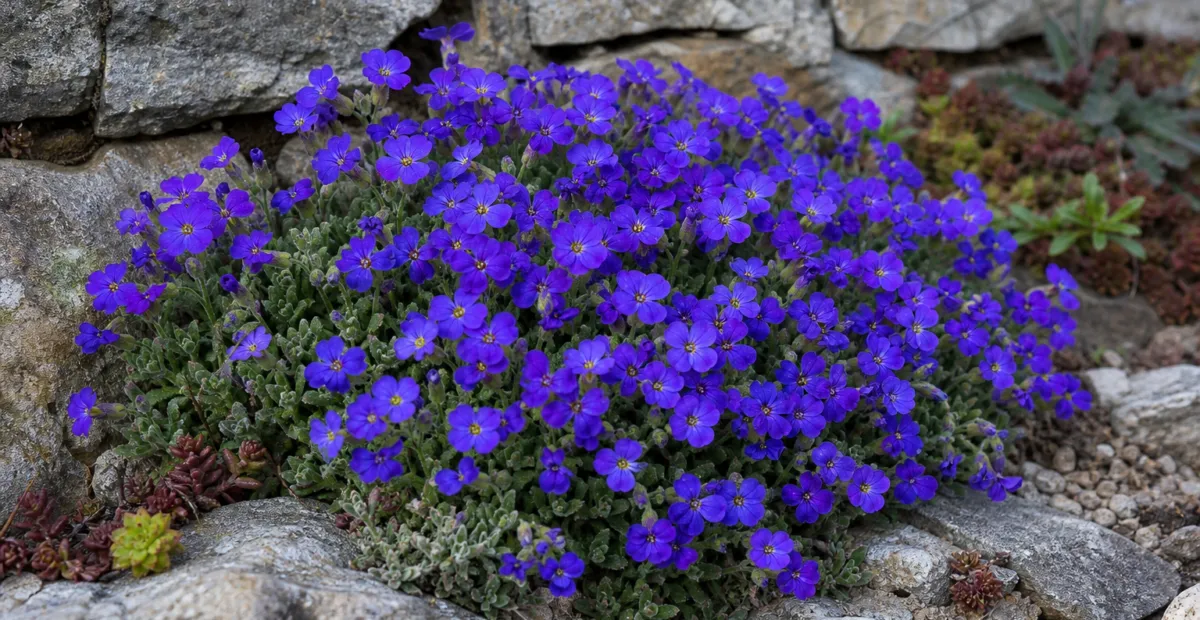
 AI-generated illustration
Aubrieta ‘Dwarf Blue’ short overview
Aubrieta 'Dwarf Blue' is a compact garden aubretia selected for a low, spreading habit and blue spring flowers. Its exact breeding history, mature size, and formal parentage are not well documented in authoritative sources, so it is best treated as a named horticultural selection within Aubrieta rather than assigned an unsupported species name. Give it full sun, excellent drainage, and lean to moderately fertile soil. It suits rock gardens, wall crevices, edging, slopes, and containers.
Taxonomic classification
Aubrieta ‘Dwarf Blue’ care guide
Light and placement
Give the plant full sun, ideally with a south- or west-facing exposure and open airflow. Light shade is tolerated, especially in hot climates, but too little light can produce sparse growth and fewer flowers. Excessive heat combined with reflected light may cause leaf scorch; afternoon shade can help in very hot regions if drainage remains excellent.
Watering and humidity
Water deeply after planting, then allow the upper soil to dry slightly before watering again. Provide regular moisture during establishment and active spring growth, but reduce irrigation after flowering and during cool wet weather. The main risk is not drought alone but prolonged saturation around the crown. Containers may need more frequent checks than in-ground plants.
Soil and growing medium
Use gritty, sharply drained soil with a sandy, loamy, or rocky structure. Aubrieta performs well in alkaline or neutral conditions, including limestone-derived soils, and is vulnerable to crown loss in heavy, waterlogged ground. In clay, create a raised or sharply amended planting pocket rather than relying on a shallow layer of compost.
Feeding
Aubrieta generally needs little fertilizer. At planting, mix a modest amount of finished compost into poor soil, but do not enrich already fertile ground heavily. In spring, apply a thin compost top-dressing or a low-strength balanced fertilizer if growth is weak. Avoid late-season high-nitrogen feeding, which can produce soft foliage and reduce winter resilience.
Growth and habit
This selection is expected to form a low, spreading mat rather than an upright clump. Keep the crown above wet soil, maintain airflow, and trim after flowering if the plant becomes open or untidy. The exact mature behavior of 'Dwarf Blue' has not been independently documented.
Planting and repotting
Plant in spring or early fall when soil is workable. Set the crown level with the surrounding soil and avoid deep planting. Space plants about 8–12 inches apart, using the wider spacing where airflow is limited. Water thoroughly after planting, then allow the surface to dry modestly between waterings while roots establish.
Repot container plants in early spring, preferably just before active growth. Use a shallow pot with generous drainage holes and a gritty, alkaline-leaning mix. Handle the crown gently and avoid burying the stems. Repot only when the root ball is crowded or the medium has collapsed; excessive disturbance can reduce flowering.
Propagation and pruning
Propagation
Propagate by seed, softwood cuttings, or semi-hardwood cuttings. Sow seed in a clean, well-drained medium and expect possible variation because named selections may not reproduce uniformly from seed. Take cuttings from healthy nonflowering shoots in late spring or summer and keep them evenly moist but never waterlogged.
Pruning
Cut back lightly after flowering to preserve a compact mat and encourage fresh foliage. Remove spent flowering stems and any winter-damaged material. Avoid cutting deeply into old woody or crown tissue, as recovery can be slow.
Overwintering
In USDA Zones 4–8, comparable Aubrieta plants are normally overwintered outdoors. The key protection is drainage: keep crowns out of standing winter moisture and avoid heavy mulch over the plant. In colder or snowless areas, use a light, airy mulch after the ground freezes. Container plants are more exposed and may benefit from shelter beside a wall.
Uses
Use 'Dwarf Blue' for rock gardens, dry-stone walls, gravel beds, edging, slopes, raised beds, and well-drained containers. Its low spreading habit makes it useful as a small-scale ground cover and spring accent. It has no established culinary or medicinal use in the reviewed sources.
Appearance
Aubrieta forms dense mats of small gray-green, hairy leaves with toothed or rounded margins. Short flowering stems rise just above the foliage, carrying clusters of four-petaled blue or blue-violet blooms. The exact leaf and flower proportions of 'Dwarf Blue' have not been formally described in the reviewed sources.
Flowering
Small, four-petaled flowers are produced in short racemes and can form a dense spring display over the foliage. Comparable Aubrieta plants flower mainly from mid-spring into early summer in the United States. Exact timing and intensity for 'Dwarf Blue' are not well documented and may vary with climate and winter conditions.
Pollination and visitors
Comparable Aubrieta plants are documented as bee-pollinated or bee-visited. The flowers provide an early-season nectar and pollen resource, but evidence specific to 'Dwarf Blue' is limited. Do not equate insect pollination with zero airborne-allergy risk.
Diseases and pests
Diseases
Avoid wet winter soil and crowding, which encourage crown and root problems. White blister has been reported for Aubrieta, and symptoms may include raised pale pustules or distorted foliage. Remove badly affected tissue, improve drainage and airflow, and avoid overhead irrigation. Use fungicides only when diagnosis is clear and the product is labeled for the crop and site.
Pests
Watch for aphids, flea beetles, and leaf or bud eelworms. Inspect new growth and distorted leaves regularly. Encourage airflow, remove heavily infested tissue, and use a strong water spray for minor aphid infestations. For persistent pests, choose a targeted, labeled treatment and avoid spraying open flowers when pollinators are active.
Related diseases and pests
Only Plant Doctor profiles whose host data indicate this plant may be affected are shown here.
 PestCabbage Stem Flea BeetlePsylliodes chrysocephala
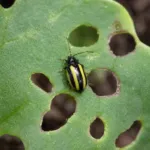 PestTurnip flea beetlePhyllotreta nemorum (Linnaeus, 1758)
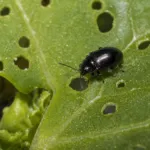 PestTurnip Flea BeetlePhyllotreta atra (Fabricius, 1775)
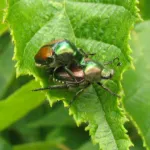 PestJapanese beetlePopillia japonica
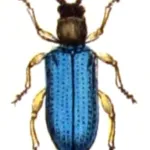 PestCereal leaf beetleOulema melanopus
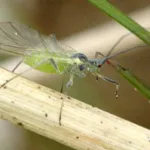 PestGreen Peach AphidMyzus persicae
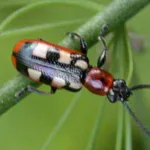 PestAsparagus BeetleCrioceris asparagi
Toxicity and pollen
No specific toxicity warning for Aubrieta 'Dwarf Blue' was located in the reviewed sources. That is not proof of absolute safety, and ornamental plants should not be eaten. Prevent ingestion of plant material and contact a poison-control or veterinary service if a person or pet develops symptoms after consumption.
- Typical season
- Spring flowering period
- Pollination / pollen
- Insect-dispersed floral pollen
Aubrieta is an insect-pollinated flowering plant, so its pollen is generally released from flowers rather than dispersed in large airborne clouds. Exact pollen-allergen data for 'Dwarf Blue' were not located. People with strong seasonal allergies should still avoid handling flowering plants when symptomatic and wash hands after gardening.
Native habitat
The Aubrieta genus is associated with rocky, exposed habitats of southeastern Europe and the Balkans, including limestone slopes, crevices, and thin soils. Garden forms retain a preference for sun, rapid drainage, and relatively cool root conditions rather than consistently wet or heavy soil.
Interesting fact
Aubrieta is named after Claude Aubriet, an artist associated with the French royal garden.
The genus is adapted to rocky, often alkaline sites with little soil.
Aubrieta flowers have four petals, reflecting its mustard-family relationship.
'Dwarf Blue' is documented as a horticultural name, but its modern parentage is uncertain.
Frequently asked questions (FAQ)
The most relevant questions about this plant, with short and direct answers.
🌱Quick care
What is Aubrieta 'Dwarf Blue'?⌄
Aubrieta 'Dwarf Blue' is a low, mat-forming perennial in the mustard family, grown for blue spring flowers and evergreen-to-semi-evergreen foliage. Because cultivar-specific descriptions are limited, its exact mature size and hardiness should be treated as approximate.
How much sun does Aubrieta 'Dwarf Blue' need?⌄
Aubrieta 'Dwarf Blue' grows best in full sun, although it can tolerate light shade. More sun usually supports denser growth and heavier flowering.
How often should I water Aubrieta 'Dwarf Blue'?⌄
Water Aubrieta 'Dwarf Blue' moderately while it establishes, then let the soil dry somewhat between waterings. Reduce watering in cool or wet weather, especially during winter.
Is Aubrieta 'Dwarf Blue' evergreen?⌄
Aubrieta 'Dwarf Blue' is generally evergreen or semi-evergreen in mild climates. Foliage may thin or suffer winter damage in colder areas or where the soil stays wet.
How big does Aubrieta 'Dwarf Blue' get?⌄
Aubrieta 'Dwarf Blue' is expected to remain a low, spreading ground cover, commonly around 4 inches tall with a wider mat. The exact spread of this named cultivar has not been consistently documented.
🌤️Environment and placement
Where should I plant Aubrieta 'Dwarf Blue'?⌄
Plant Aubrieta 'Dwarf Blue' in a sunny rock garden, gravel bed, raised bed, wall crevice, slope, or the edge of a well-drained border. Its trailing habit is especially useful where it can spill over rocks or low walls.
What type of soil does Aubrieta 'Dwarf Blue' prefer?⌄
Aubrieta 'Dwarf Blue' prefers sandy, loamy, rocky, or calcareous soil that drains quickly. Neutral to alkaline soil is generally suitable, but excellent drainage matters more than soil richness.
Can Aubrieta 'Dwarf Blue' grow in clay soil?⌄
Aubrieta 'Dwarf Blue' can struggle in heavy clay unless drainage is improved. Plant it on a slope or raised mound and incorporate coarse mineral material rather than placing it in a low, waterlogged spot.
Can Aubrieta 'Dwarf Blue' grow in a container?⌄
Yes, Aubrieta 'Dwarf Blue' can grow in a container with drainage holes and a gritty, fast-draining potting mix. Avoid saucers that allow water to remain around the roots.
Is Aubrieta 'Dwarf Blue' drought tolerant?⌄
Aubrieta 'Dwarf Blue' has relatively low water needs and may tolerate short dry periods once established. It still needs occasional deep watering during prolonged heat or drought.
Is Aubrieta 'Dwarf Blue' hardy in the United States?⌄
Aubrieta is generally cold hardy, but the exact winter limit of 'Dwarf Blue' has not been reliably documented. In colder USDA zones, survival depends heavily on sharp drainage and protection from repeated winter wetness.
💧Care and problems
Why is my Aubrieta 'Dwarf Blue' dying in winter?⌄
Winter wet is a likely cause when Aubrieta 'Dwarf Blue' declines, because saturated soil can damage the crown and roots. Move it to a raised, sharply drained position and avoid frequent watering during dormant weather.
Why is Aubrieta 'Dwarf Blue' not flowering?⌄
Poor flowering in Aubrieta 'Dwarf Blue' is most often linked to insufficient sun, excessive nitrogen, plant age, or wet soil. Move or replant it in a sunny, lean, well-drained location if those conditions are present.
Should I fertilize Aubrieta 'Dwarf Blue'?⌄
Aubrieta 'Dwarf Blue' usually needs little fertilizer when grown in moderately fertile soil. Avoid heavy nitrogen feeding, which can produce leafy, loose growth instead of compact plants and abundant flowers.
How do I prune Aubrieta 'Dwarf Blue'?⌄
Cut Aubrieta 'Dwarf Blue' back after flowering to maintain a dense, compact mat. Trim into the green growth, but avoid removing all foliage or cutting deeply into bare, woody stems.
What pests affect Aubrieta 'Dwarf Blue'?⌄
Aphids and flea beetles may affect Aubrieta 'Dwarf Blue', while white blister and related fungal problems can occur in unfavorable conditions. Inspect new growth regularly and improve airflow while avoiding persistently wet foliage.
🪴Planting and repotting
When should I plant Aubrieta 'Dwarf Blue' in the United States?⌄
Plant Aubrieta 'Dwarf Blue' in spring after the soil can be worked or in early fall before the ground freezes. In hot regions, fall planting is often preferable because roots can establish during cooler weather.
How far apart should I plant Aubrieta 'Dwarf Blue'?⌄
Space Aubrieta 'Dwarf Blue' about 8 to 12 inches apart unless the supplier gives a cultivar-specific recommendation. Wider spacing improves airflow, while closer spacing fills a small rockery more quickly.
How do I plant Aubrieta 'Dwarf Blue' in a rock garden?⌄
Set Aubrieta 'Dwarf Blue' with the crown level with or slightly above the surrounding soil, then backfill with gritty, well-drained material. Place it where excess rain can run away rather than collect around the crown.
Can Aubrieta 'Dwarf Blue' grow between paving stones or in a wall?⌄
Yes, Aubrieta 'Dwarf Blue' is well suited to narrow, sunny crevices in dry-stone walls, rockeries, and paving edges. The planting pocket must still hold enough soil for roots and drain rapidly after rain.
✂️Propagation and pruning
How do I propagate Aubrieta 'Dwarf Blue'?⌄
Propagate Aubrieta 'Dwarf Blue' most reliably from softwood or semi-hardwood cuttings, and division may also work for established clumps. Seed can be used, but seedlings may not reproduce the named cultivar accurately.
Can I grow Aubrieta 'Dwarf Blue' from seed?⌄
You can try growing Aubrieta 'Dwarf Blue' from seed, but cultivar-specific traits and flower color may vary in the seedlings. Surface-sow the small seeds because light can aid germination, and keep the medium evenly moist but never waterlogged.
Can Aubrieta 'Dwarf Blue' be divided?⌄
Established Aubrieta 'Dwarf Blue' can sometimes be divided in spring or soon after flowering. Division is most practical when the plant has formed several rooted sections, and the new pieces should be replanted immediately in well-drained soil.
Does Aubrieta 'Dwarf Blue' spread aggressively?⌄
Aubrieta 'Dwarf Blue' forms a spreading mat but is not generally considered aggressively invasive in ordinary garden conditions. Trim it after flowering if it begins to extend beyond the intended rockery or edging.
⚠️Toxicity and safety
Is Aubrieta 'Dwarf Blue' toxic to dogs or cats?⌄
No specific toxicity warning was located for Aubrieta 'Dwarf Blue', but it should not be treated as edible or intentionally given to pets. Contact a veterinarian or poison-control service if a pet consumes a substantial amount or develops symptoms.
Is Aubrieta 'Dwarf Blue' safe to eat?⌄
Aubrieta 'Dwarf Blue' is not recommended for eating because edibility of this exact cultivar has not been established. Keep plant material away from children and pets, even when no specific toxicity warning is available.
🌸Flowering and special interest
When does Aubrieta 'Dwarf Blue' bloom?⌄
Aubrieta 'Dwarf Blue' is expected to bloom in spring, commonly from mid-spring into early summer depending on local climate. Flowering may be earlier in the southern United States and later in colder regions.
What color are Aubrieta 'Dwarf Blue' flowers?⌄
Aubrieta 'Dwarf Blue' is grown for blue flowers, although the precise shade can vary with light, temperature, and the plant source. The flowers are typically small, four-petaled, and carried above the low foliage.
Will Aubrieta 'Dwarf Blue' bloom again after pruning?⌄
Pruning after the main bloom helps Aubrieta 'Dwarf Blue' produce fresh, compact growth and may encourage scattered later flowers. A second full flush should not be assumed, because rebloom depends on cultivar and growing conditions.
Similar plants
 Azure Monkshood (Aconitum carmichaelii) care guideAconitum carmichaelii
 Monkshood (Aconitum ‘Stainless Steel’)Aconitum 'Stainless Steel'
 Monkshood (Aconitum ‘Bressingham Spire’)Aconitum 'Bressingham Spire'
 Golden full moon maple (Acer shirasawanum ‘Aureum’)Acer shirasawanum 'Aureum'
 Globosum (Acer platanoides ‘Globosum’)Acer platanoides 'Globosum'
 Striped maple (Acer pensylvanicum) care guideAcer pensylvanicum