
 Source:
 Aubrieta ‘Cascade’ short overview
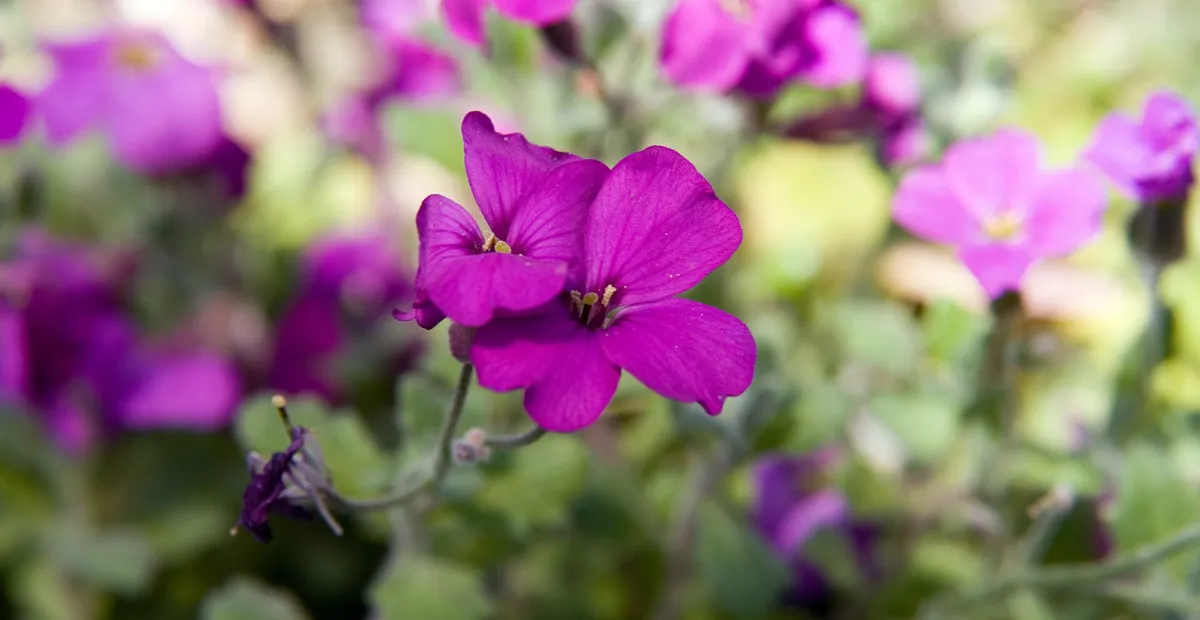
Aubrieta 'Cascade' is a low, evergreen, mat-forming aubretia group grown for four-petaled spring flowers in blue, purple, pink, or red shades. It performs best in full sun, sharply drained soil, rock gardens, wall crevices, edging, and containers. Published information suggests that “Cascade” may refer to a cultivar series or mixed group rather than one uniformly documented clone, so flower color and final spread can vary.
Taxonomic classification
Aubrieta ‘Cascade’ care guide
Light and placement
Give full sun, ideally with a south- or west-facing orientation and excellent air movement. A bright wall edge, raised bed, trough, or rock garden is suitable. Excess shade produces open, leafy growth and fewer flowers; intense reflected heat is usually tolerated if roots remain cool and watering is appropriate.
Watering and humidity
Water deeply enough to wet the root zone, then allow the upper soil to dry slightly before watering again. Keep newly planted specimens evenly moist through their first growing season. Reduce watering in cool, wet weather and in winter, but do not allow containers to remain saturated. Average humidity is adequate; extra misting is unnecessary.
Soil and growing medium
Use a gritty, sharply drained soil or rock-garden mix. Sandy or loamy soil with added grit is preferable to heavy clay. Aubrieta tolerates calcareous conditions and generally performs best in neutral to slightly alkaline soil; avoid sites that remain wet in winter.
Feeding
Aubrieta usually needs little fertilizer. Incorporate a small amount of finished compost before planting if the soil is poor, then apply a restrained spring feeding only if growth is weak. Avoid high-nitrogen fertilizer, which can produce soft foliage and fewer flowers, and do not feed plants growing vigorously in rich soil.
Growth and habit
This perennial forms a low, spreading mat and can trail over walls or the edges of containers. Growth is most compact and floriferous in lean, sunny, well-drained conditions. Excess fertility and shade encourage looser foliage and reduce the characteristic cushion-like habit.
Planting and repotting
Plant nursery specimens in spring or early fall after improving drainage. Set the crown at soil level rather than burying it. Allow roughly 8–12 inches between plants for a connected mat, with wider spacing where air circulation is a priority. Water regularly during establishment, then reduce irrigation once growth is rooted.
Repot container-grown plants in spring or early fall only when roots have filled the container. Use a shallow pot with generous drainage holes and a gritty mix. Handle the compact root ball gently and water once after planting, then allow the surface to dry slightly.
Propagation and pruning
Propagation
Named plants are best propagated from non-flowering stem cuttings in late spring or summer, because seed may not reproduce cultivar traits. Sow seed in containers when fresh or use the timing recommended by the seed supplier. Keep cuttings evenly moist but not waterlogged until rooted.
Pruning
After the main spring display, trim lightly to remove spent flowering stems and restore a compact outline. Do not cut deeply into old, leafless woody portions, because regeneration may be slow. A modest post-bloom cutback can encourage fresh foliage and occasional later flowers.
Overwintering
In Zones 4–5, plant in very well-drained soil and protect the crown from repeated winter wetting with a light, porous cover during severe cold. Container plants are more vulnerable than in-ground plants; move them to a sheltered, unheated location and keep the mix only slightly moist.
Uses
Use it as a spring-flowering groundcover for rock gardens, wall crevices, troughs, raised beds, edging, and containers. Its evergreen mat helps soften stonework outside the flowering period. It is ornamental rather than a documented culinary or medicinal plant; do not consume it without verified species-specific food-safety information.
Appearance
Aubrieta forms a dense cushion of small, hairy, gray-green to mid-green leaves on slender, branching stems. The stems spread outward and may hang over masonry or container rims. Identification is supported by the compact evergreen mat, fine foliage, and spring racemes of four-petaled flowers.
Flowering
Small, four-petaled flowers are held in short racemes and usually create a dense spring display. Color is not uniform across all plants sold as “Cascade”; documented forms include blue, purple, red, and mixed selections. Bloom may be followed by a modest second flush after cutting back, but repeat flowering is not guaranteed.
Pollination and visitors
Open four-petaled Aubrieta flowers provide nectar and pollen for bees and other pollinating insects. General Aubrieta pollinator guidance supports bees and a range of insect visitors, but a cultivar-specific visitor study for “Cascade” was not located.
Aubrieta 'Cascade' photos
Click any photo for a larger view. Source, author and license are shown separately.
Diseases and pests
Diseases
Main risks are root or crown rots in poorly drained soil and foliar fungal problems during prolonged wet weather. Prevent issues with lean, well-drained soil, good spacing, morning irrigation, and removal of damaged foliage. Avoid heavy mulch against the crown; discard severely affected plants rather than repeatedly growing them in saturated ground.
Pests
Watch for flea beetles, aphids, slugs, and snails, especially on young growth. Use row cover over young plants where flea beetles are persistent, hand-remove slugs and snails, and use a strong water spray for light aphid infestations. Avoid unnecessary broad-spectrum insecticides during bloom.
Related diseases and pests
Only Plant Doctor profiles whose host data indicate this plant may be affected are shown here.
 PestCabbage Stem Flea BeetlePsylliodes chrysocephala
 PestTurnip flea beetlePhyllotreta nemorum (Linnaeus, 1758)
 PestTurnip Flea BeetlePhyllotreta atra (Fabricius, 1775)
 PestJapanese beetlePopillia japonica
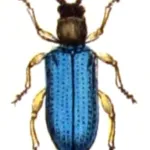 PestCereal leaf beetleOulema melanopus
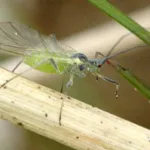 PestGreen Peach AphidMyzus persicae
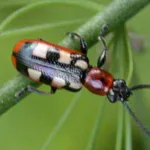 PestAsparagus BeetleCrioceris asparagi
Toxicity and pollen
No authoritative source located in this review specifically documents toxicity for Aubrieta 'Cascade'. Do not treat the absence of a listing as proof of safety. Prevent children and pets from chewing ornamental plants, and seek medical or veterinary advice after a significant ingestion or if symptoms occur.
- Typical season
- Spring, typically April–May in much of the United States
- Pollination / pollen
- Insect-presented pollen
Aubrieta flowers are insect-pollinated, so pollen is generally presented within the flower rather than released in large windborne clouds. A low airborne-pollen rating is a practical horticultural assessment, not a guarantee of no allergy risk; sensitive people may still react to direct flower contact or garden exposure.
Native habitat
The genus is associated with rocky, mountainous habitats of southeastern Europe and nearby regions, where plants grow in crevices and other free-draining sites. Garden forms retain that preference for mineral soils, strong light, and limited winter water.
Interesting fact
“Cascade” is often encountered as a series or group name rather than a single uniformly described clone. Aubrieta is named after French flower painter Claude Aubriet. The plants are especially effective when allowed to spill over stone edges and wall faces.
Frequently asked questions (FAQ)
The most relevant questions about this plant, with short and direct answers.
🌱Quick care
What is Aubrieta 'Cascade'?⌄
Aubrieta 'Cascade' is a low-growing, evergreen, mat-forming aubrieta group used as spring-flowering ground cover. The name may refer to a Cascade series or a color selection, so flower color and mature size can vary by plant label.
How much sun does Aubrieta 'Cascade' need?⌄
Grow Aubrieta 'Cascade' in full sun for the densest growth and heaviest flowering. It can tolerate light afternoon shade, but insufficient light may produce fewer flowers and looser stems.
How often should I water Aubrieta 'Cascade'?⌄
Water Aubrieta 'Cascade' when the soil has begun to dry, then let excess water drain away. Established plants usually need low to moderate irrigation, with more frequent watering during prolonged heat or drought.
Is Aubrieta 'Cascade' evergreen?⌄
Aubrieta 'Cascade' is generally evergreen or semi-evergreen in suitable climates. Foliage may thin or look weathered after severe winter, summer heat, or excessive moisture.
What USDA hardiness zone is Aubrieta 'Cascade' suitable for?⌄
Aubrieta 'Cascade' is commonly listed for approximately USDA Zones 4–9, although winter survival varies with the specific selection, drainage, snow cover, and local exposure. Treat poorly drained sites as higher risk in cold climates.
🌤️Environment and placement
Where should I plant Aubrieta 'Cascade' outdoors?⌄
Plant Aubrieta 'Cascade' in a sunny rock garden, wall crevice, raised bed, slope, border edge, or well-drained container. Its trailing, mat-forming habit is especially useful where stems can spread over stone.
Can Aubrieta 'Cascade' grow in a rock garden?⌄
Yes, Aubrieta 'Cascade' is well suited to rock gardens because it prefers sun, gritty soil, and excellent drainage. Position it where water will not collect around the crown.
Can Aubrieta 'Cascade' grow in containers?⌄
Yes, Aubrieta 'Cascade' grows well in alpine-style containers, troughs, and window boxes with drainage holes. Use a gritty potting mix and avoid leaving the container standing in a saucer of water.
What type of soil does Aubrieta 'Cascade' need?⌄
Aubrieta 'Cascade' needs gritty, sharply drained sandy or loamy soil, and it generally tolerates neutral to alkaline or calcareous conditions. Heavy clay should be amended substantially or replaced with a raised, gritty planting medium.
Does Aubrieta 'Cascade' tolerate drought?⌄
Established Aubrieta 'Cascade' tolerates short periods of drought, especially in gritty soil and full sun. It still needs supplemental water during extended hot, dry weather and while becoming established.
💧Care and problems
Why is my Aubrieta 'Cascade' turning brown in the center?⌄
A brown or open center usually reflects aging, crowding, winter damage, drought stress, or poor air circulation rather than a single definite cause. Trim the plant after flowering and improve drainage, light, and watering consistency.
Why is Aubrieta 'Cascade' not flowering?⌄
Aubrieta 'Cascade' may fail to flower because of insufficient sun, excessive nitrogen, winter injury, drought stress, or wet soil. Move or thin plants where practical, avoid rich high-nitrogen feeding, and keep the crown well drained.
Does Aubrieta 'Cascade' need fertilizer?⌄
Aubrieta 'Cascade' usually needs little fertilizer when grown in reasonably fertile soil. If growth is weak, apply a light, balanced fertilizer in spring rather than repeated high-nitrogen feeding.
What pests affect Aubrieta 'Cascade'?⌄
Aubrieta 'Cascade' can be affected by aphids, flea beetles, and occasionally leaf or bud eelworms. Inspect new growth and foliage regularly, and remove badly damaged plant material while correcting overcrowding and moisture problems.
What diseases affect Aubrieta 'Cascade'?⌄
Aubrieta 'Cascade' may develop downy mildew or white blister, particularly where foliage stays wet and air circulation is poor. Water at the soil line, avoid overcrowding, and remove affected leaves.
Can Aubrieta 'Cascade' tolerate hot summers?⌄
Aubrieta 'Cascade' can tolerate summer warmth when soil drains quickly, but prolonged heat and humidity may reduce vigor or cause foliage decline. In hot regions, provide morning sun, some afternoon protection, and careful irrigation without waterlogging.
🪴Planting and repotting
When should I plant Aubrieta 'Cascade' in the United States?⌄
Plant Aubrieta 'Cascade' in spring after severe frost or in fall early enough for roots to establish before the ground freezes. In mild-winter areas, fall planting is often particularly effective.
How far apart should I plant Aubrieta 'Cascade'?⌄
Space Aubrieta 'Cascade' about 12–18 inches apart unless the plant label gives a different mature spread. Selections within the Cascade group vary, so use the expected width to avoid excessive crowding.
Can Aubrieta 'Cascade' be planted in a retaining wall?⌄
Yes, Aubrieta 'Cascade' can be planted in wall pockets and allowed to trail over the face of a retaining wall. Use a small amount of gritty soil and ensure the planting pocket drains freely.
How do I repot Aubrieta 'Cascade'?⌄
Repot Aubrieta 'Cascade' when roots fill the container, preferably in spring or after flowering. Move it into a slightly larger pot with fresh gritty mix, disturb the roots as little as possible, and water sparingly until established.
✂️Propagation and pruning
How can I propagate Aubrieta 'Cascade'?⌄
Propagate Aubrieta 'Cascade' most reliably from softwood cuttings in early summer or semi-hardwood cuttings in midsummer. Seed can also be used for some Cascade forms, but offspring may not exactly match the parent.
Can Aubrieta 'Cascade' be grown from seed?⌄
Yes, Aubrieta 'Cascade' can be grown from seed when seed is available, with light needed for germination. Seed-grown plants may vary in flower color, habit, and other traits if the named plant is a hybrid or mixed selection.
Can I divide Aubrieta 'Cascade'?⌄
Division is possible but is generally less dependable than cuttings because aubrieta forms a shallow, woody-centered mat. If attempted, divide a young vigorous section with roots attached and replant it immediately in sharply drained soil.
When should I prune Aubrieta 'Cascade'?⌄
Prune Aubrieta 'Cascade' immediately after its main spring flowering period. Lightly cutting back the flowering stems helps maintain a compact mound and may encourage fresher growth or a limited second flush.
How hard can I cut back Aubrieta 'Cascade'?⌄
Cut Aubrieta 'Cascade' back enough to remove spent flower stems and ragged growth, but avoid repeatedly cutting into the oldest woody crown. Leave healthy leafy growth whenever possible so the plant can regenerate quickly.
⚠️Toxicity and safety
Is Aubrieta 'Cascade' toxic to dogs or cats?⌄
The toxicity of Aubrieta 'Cascade' has not been well established in cultivar-specific references. Keep pets from chewing ornamental plants and contact a veterinarian or poison-control service if a pet consumes a significant amount or develops symptoms.
🌸Flowering and special interest
When does Aubrieta 'Cascade' bloom?⌄
Aubrieta 'Cascade' usually blooms in mid- to late spring, with timing varying by USDA zone and weather. Flowers are typically produced in shades such as blue, purple, pink, or red depending on the particular Cascade selection.
How long does Aubrieta 'Cascade' flower?⌄
Aubrieta 'Cascade' commonly provides several weeks of spring color under favorable conditions. Flowering may be shorter in unusually hot weather or when plants are stressed by drought or poor drainage.
How do I make Aubrieta 'Cascade' bloom more heavily?⌄
Give Aubrieta 'Cascade' full sun, sharply drained soil, and moderate, consistent moisture during bud formation. Pruning promptly after flowering helps preserve a dense habit for the following season, but it cannot compensate for inadequate light or waterlogged roots.
Similar plants
 Azure Monkshood (Aconitum carmichaelii) care guideAconitum carmichaelii
 Monkshood (Aconitum ‘Stainless Steel’)Aconitum 'Stainless Steel'
 Monkshood (Aconitum ‘Bressingham Spire’)Aconitum 'Bressingham Spire'
 Golden full moon maple (Acer shirasawanum ‘Aureum’)Acer shirasawanum 'Aureum'
 Globosum (Acer platanoides ‘Globosum’)Acer platanoides 'Globosum'
 Striped maple (Acer pensylvanicum) care guideAcer pensylvanicum