
 Source:
 Star cactus (Astrophytum ornatum) short overview
Astrophytum ornatum, commonly called star cactus, is a sculptural Mexican cactus with a stout, ribbed stem that may become columnar with age. Its green body is marked by contrasting woolly scales and defensive areoles, while mature plants can produce solitary yellow flowers in the warm season. In the United States it is usually grown in a container, greenhouse or sunny indoor window, with fast-draining soil and a pronounced dry winter rest.
Taxonomic classification
Star cactus (Astrophytum ornatum) care guide
Light and placement
Give the brightest practical exposure, ideally a south- or west-facing window or full sun outdoors after gradual acclimation. Turn the pot periodically for even growth. Pale color, stretched ribs and weak new growth indicate insufficient light; bleached patches or tan scorch marks indicate abrupt excess sun, especially after indoor culture.
Watering and humidity
Water thoroughly only after the mix has dried completely, allowing excess water to drain away. During active growth, the interval may be roughly every two to four weeks indoors, depending on heat, pot size and substrate. Reduce sharply in fall and keep nearly dry in winter; never water cold, dormant plants on a fixed schedule.
Soil and growing medium
Use a predominantly mineral cactus mix containing coarse grit, pumice, perlite or lava rock, with only a modest organic component. The medium must drain rapidly and dry between waterings. A mildly acidic to neutral reaction is suitable; avoid heavy, wet, peat-rich soil that remains saturated around the roots.
Feeding
Feed only during active growth, generally from late spring through summer. Apply a balanced or low-nitrogen cactus fertilizer at half strength every four to six weeks after watering, or use a suitable controlled-release product sparingly. Do not fertilize dry, dormant, recently repotted or cold-stressed plants.
Growth and habit
The plant begins relatively globular or short-columnar and typically develops a taller, ribbed, upright form with age. Strong light helps maintain compact symmetry, while excess water or low light can produce weak growth and root problems. Its solitary habit makes it useful as a specimen rather than a massing plant.
Planting and repotting
Plant outdoors only after the danger of frost has passed and nights are reliably warm, gradually acclimating the cactus to direct sun. Set it at the same depth as before, never burying the stem. Leave enough room for air circulation and keep the crown dry during establishment.
Repot in spring or early summer only when the mix is dry or the container is crowded. Use a pot with a drainage hole, handle the plant with thick gloves or folded newspaper, and allow any disturbed roots to dry before watering. Move up only one pot size to avoid excess wet soil.
Propagation and pruning
Propagation
Propagate primarily from seed in warm, bright conditions using a sterile, porous medium. Sow shallowly and keep evenly, lightly moist until germination, then increase ventilation and reduce moisture as seedlings develop. Vegetative propagation is not a dependable routine method for this normally solitary cactus.
Pruning
Routine pruning is not needed. Do not cut healthy ribs or the growing tip. Remove only dead, rotting or badly damaged tissue with a sterile blade, then keep the wound dry until it has callused.
Overwintering
Keep frost-free, bright and cool in winter, ideally around 45–55°F if available. Water very sparingly or not at all while growth is paused. Protect from cold drafts, condensation and prolonged temperatures below about 40°F, especially when the soil is damp.
Uses
Primarily used as an ornamental specimen cactus in containers, conservatories, greenhouses, sunny windows and frost-free rock gardens. Its architectural form suits xeric displays and collector plantings. It has no established culinary or medicinal use for household cultivation.
Appearance
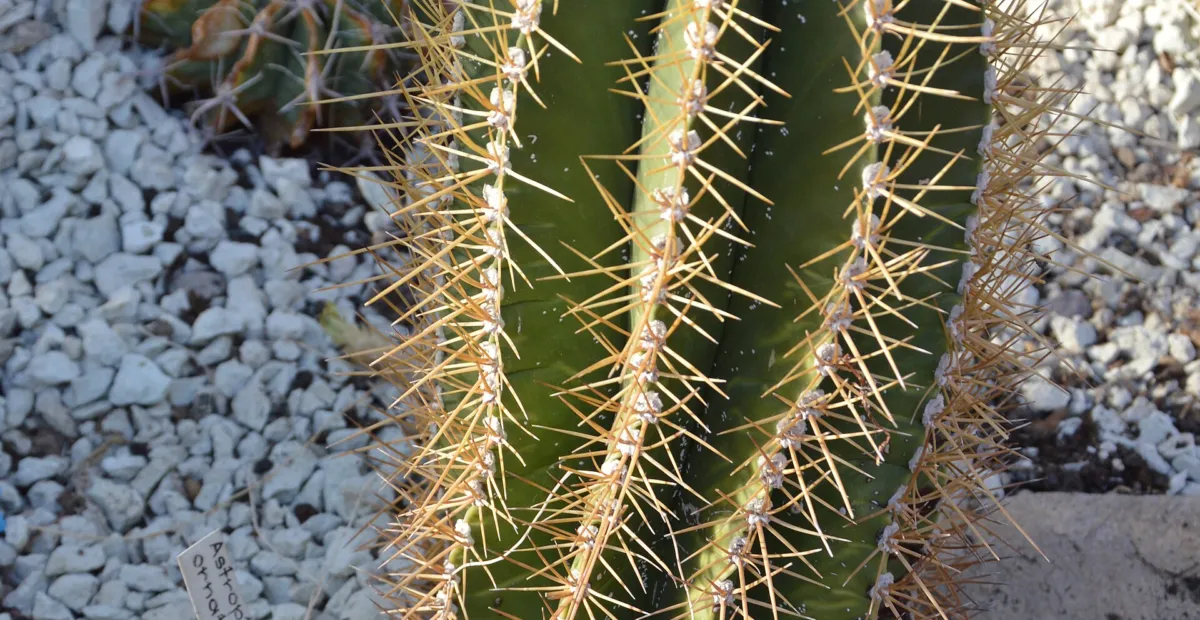
The stem is green, prominently ribbed and usually upright, with a star-like outline when viewed from above. Areoles bear short spines and conspicuous white woolly scales arranged in bands or patches. It is normally solitary and may become more columnar with maturity.
Flowering
Mature plants produce solitary, funnel-shaped yellow flowers from the crown during the warm growing season. Flowering is most likely when plants receive strong light, adequate summer growth and a cool, dry winter rest. Young or etiolated specimens may not flower.
Pollination and visitors
The open yellow flowers are potentially visited by small insects, but strong species-specific pollinator records are limited. The low attraction rating reflects cautious evidence rather than proof that flowers receive no insect visits.
Astrophytum ornatum photos
Click any photo for a larger view. Source, author and license are shown separately.
Diseases and pests
Diseases
The chief disease risk is root or stem rot caused by persistently wet soil, poor drainage or cold-season watering. Remove damaged tissue, replace saturated mix and improve airflow. Keep water off the crown where possible, and isolate plants showing soft, discolored lesions.
Pests
Watch for mealybugs, scale insects and root mealybugs, especially in crowded collections or plants stressed by poor airflow. Inspect areoles and roots during repotting. Remove small infestations with a cotton swab or targeted treatment, following the product label and avoiding unnecessary broad-spectrum spraying.
Related diseases and pests
Only Plant Doctor profiles whose host data indicate this plant may be affected are shown here.
 PestCotton mealybugPhenacoccus solenopsis Tinsley
 DiseaseRhizopus soft rotRhizopus stolonifer
 DiseaseBacterial soft rotPectobacterium carotovorum
 PestCottony Cushion ScaleIcerya purchasi
 DiseasePhytophthora root and crown rotPhytophthora nicotianae
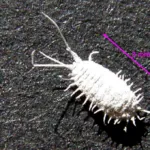 PestObscure mealybugPseudococcus viburni
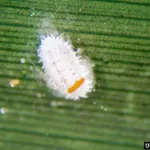 PestCitrus mealybugPlanococcus citri
Toxicity and pollen
No well-established species-specific poisonous principle was found in the reviewed references. The spines and glochidia-like surface structures can cause mechanical injury, and sap or plant material may irritate sensitive skin. Prevent chewing and contact with eyes; seek medical or veterinary advice after significant ingestion or injury.
- Typical season
- During flowering, typically June–August in much of the United States
- Pollination / pollen
- Flower-held insect-pollinated pollen
This is an insect-pollinated flowering cactus, so its pollen is generally released within or near the flower rather than in large windborne clouds. Species-specific clinical allergy data are scarce; sensitive people should still avoid handling flowers closely if symptoms occur.
Native habitat
Native to parts of central Mexico, where it occurs in seasonally dry, sunny environments often associated with rocky or mineral soils. Natural populations experience pronounced wet–dry seasonality, intense light and warm conditions, followed by cooler, drier periods.
Interesting fact
It is among the more strongly columnar members of Astrophytum. White woolly scales form contrasting bands or patches across the ribs. Its sculptural symmetry is valued even when the plant is not in flower. Mature specimens may become substantially taller than the rounded juvenile form.
Frequently asked questions (FAQ)
The most relevant questions about this plant, with short and direct answers.
🌱Quick care
What is Astrophytum ornatum commonly called in the United States?⌄
Astrophytum ornatum is commonly called star cactus. It is a ribbed, spiny cactus in the Astrophytum genus and Cactaceae family.
How much light does Astrophytum ornatum need?⌄
Astrophytum ornatum needs full sun or several hours of strong direct light each day. Acclimate it gradually to intense outdoor sun to prevent scorching.
How often should I water Astrophytum ornatum?⌄
Water Astrophytum ornatum thoroughly only after its sharp-draining soil has dried completely. Water much less in winter, and keep the plant nearly dry during cool dormancy.
Is Astrophytum ornatum easy to grow indoors?⌄
Astrophytum ornatum can grow well indoors beside a very bright, sunny window or under a grow light. The main indoor risks are insufficient light and watering before the soil dries.
🌤️Environment and placement
Can Astrophytum ornatum grow outside in the United States?⌄
Astrophytum ornatum can grow outdoors in warm, dry parts of the United States when planted in fast-draining soil. In colder or wetter areas, grow it in a container that can be protected.
What USDA hardiness zone is suitable for Astrophytum ornatum?⌄
Astrophytum ornatum is best treated as a frost-tender cactus rather than a reliably hardy landscape plant. The exact outdoor zone depends on winter moisture and temperatures, so protect it whenever freezing weather is expected.
What temperature is too cold for Astrophytum ornatum?⌄
Astrophytum ornatum should be protected from frost and freezing temperatures. Keep it dry and sheltered during cool weather because cold, wet soil greatly increases the risk of rot.
Can Astrophytum ornatum tolerate low humidity?⌄
Yes, Astrophytum ornatum tolerates the dry air found in many homes. Good ventilation matters more than added humidity, especially when temperatures are cool.
What is the best location for Astrophytum ornatum?⌄
Place Astrophytum ornatum in the brightest available position with excellent airflow, such as a south- or west-facing window or a sunny covered patio. Shield it from prolonged cold rain and frost.
💧Care and problems
Why is my Astrophytum ornatum turning soft or dark at the base?⌄
A soft, dark, or foul-smelling base usually indicates rot, often caused by excess moisture or poor drainage. Firm brown corking at the base can instead be normal age-related hardening.
Why is my Astrophytum ornatum stretching?⌄
Stretching or leaning usually means Astrophytum ornatum is not receiving enough strong light. Move it gradually to brighter light and rotate the pot periodically for more even growth.
Why is my Astrophytum ornatum turning yellow?⌄
Yellowing may result from overwatering, root damage, intense stress, or natural aging, so inspect the roots and soil before changing care. Persistently wet soil is the most urgent concern.
Does Astrophytum ornatum need fertilizer?⌄
Astrophytum ornatum benefits from a dilute, low-nitrogen cactus fertilizer during active spring and summer growth. Do not fertilize dry, dormant, newly repotted, or visibly unhealthy plants.
What pests attack Astrophytum ornatum?⌄
Mealybugs and scale insects are the main pests reported on Astrophytum ornatum. Check the ribs, areoles, and roots regularly, and isolate affected plants before treating them.
Are the white markings on Astrophytum ornatum a disease?⌄
The white flecks or scales on Astrophytum ornatum are normally natural features of the plant, not a disease. Pest infestations are more likely to look raised, cottony, clustered, or removable.
🪴Planting and repotting
What soil is best for Astrophytum ornatum?⌄
Use a sharp-draining mineral cactus mix containing materials such as pumice, perlite, lava rock, or coarse sand, with only a modest amount of organic matter. The mix should not stay wet after watering.
What type of pot is best for Astrophytum ornatum?⌄
Use a pot with a drainage hole that is only slightly larger than the root system. Unglazed clay can help the mix dry faster, while any container is suitable if drainage is excellent.
When should I repot Astrophytum ornatum?⌄
Repot Astrophytum ornatum in spring or at the start of active growth when the soil is exhausted, drainage has declined, or roots fill the container. Allow damaged roots to dry before watering again.
How deep should Astrophytum ornatum be planted?⌄
Plant Astrophytum ornatum at the same depth as before, keeping the stem base above the soil line. Burying the body or leaving it in wet contact with the mix can encourage rot.
✂️Propagation and pruning
How do you propagate Astrophytum ornatum?⌄
Astrophytum ornatum is usually propagated from seed because it generally does not produce useful offsets. Sow fresh seed in a sterile, very well-draining medium and provide warmth, light, and controlled moisture.
Can Astrophytum ornatum be grown from cuttings?⌄
Cuttings are generally not the practical propagation method for Astrophytum ornatum because it is a solitary, globular-to-columnar cactus. Seed propagation is the usual approach, while grafting is mainly used by specialist growers.
Does Astrophytum ornatum need pruning?⌄
Astrophytum ornatum does not normally need pruning. Remove only dead, diseased, or severely damaged material using clean tools, and avoid cutting healthy tissue unnecessarily.
⚠️Toxicity and safety
Is Astrophytum ornatum toxic to cats or dogs?⌄
Species-specific toxicity information for Astrophytum ornatum is uncertain, so do not allow pets or children to chew it. Its spines can cause painful puncture injuries even if ingestion toxicity is not established.
Does Astrophytum ornatum have spines?⌄
Yes, Astrophytum ornatum has spines, although their length and prominence can vary among plants. Handle it with tongs, thick gloves, or folded cardboard when repotting.
🌸Flowering and special interest
When does Astrophytum ornatum bloom?⌄
Astrophytum ornatum typically blooms during the warm growing season, often in late spring or summer. Mature, well-lit plants are more likely to flower than young or light-starved specimens.
What color are Astrophytum ornatum flowers?⌄
Astrophytum ornatum usually produces large yellow flowers, often with a darker orange center. Flower color can vary somewhat with form, age, and fading, so an unusual tint does not by itself confirm misidentification.
How old does Astrophytum ornatum need to be before flowering?⌄
Astrophytum ornatum generally needs to reach maturity before it flowers, and the timing varies with seedling age, light, temperature, and growing conditions. A cool, dry winter rest may help encourage blooming.
Why is my Astrophytum ornatum not flowering?⌄
The most common reasons are insufficient light, immaturity, excess winter watering, or the absence of a cool, dry rest period. Improve light and seasonal care, but do not force a young plant to bloom.
Similar plants
 Azure Monkshood (Aconitum carmichaelii) care guideAconitum carmichaelii
 Monkshood (Aconitum ‘Stainless Steel’)Aconitum 'Stainless Steel'
 Monkshood (Aconitum ‘Bressingham Spire’)Aconitum 'Bressingham Spire'
 Golden full moon maple (Acer shirasawanum ‘Aureum’)Acer shirasawanum 'Aureum'
 Globosum (Acer platanoides ‘Globosum’)Acer platanoides 'Globosum'
 Striped maple (Acer pensylvanicum) care guideAcer pensylvanicum