
 Source:
 Astrophytum ‘Capricorne’ short overview
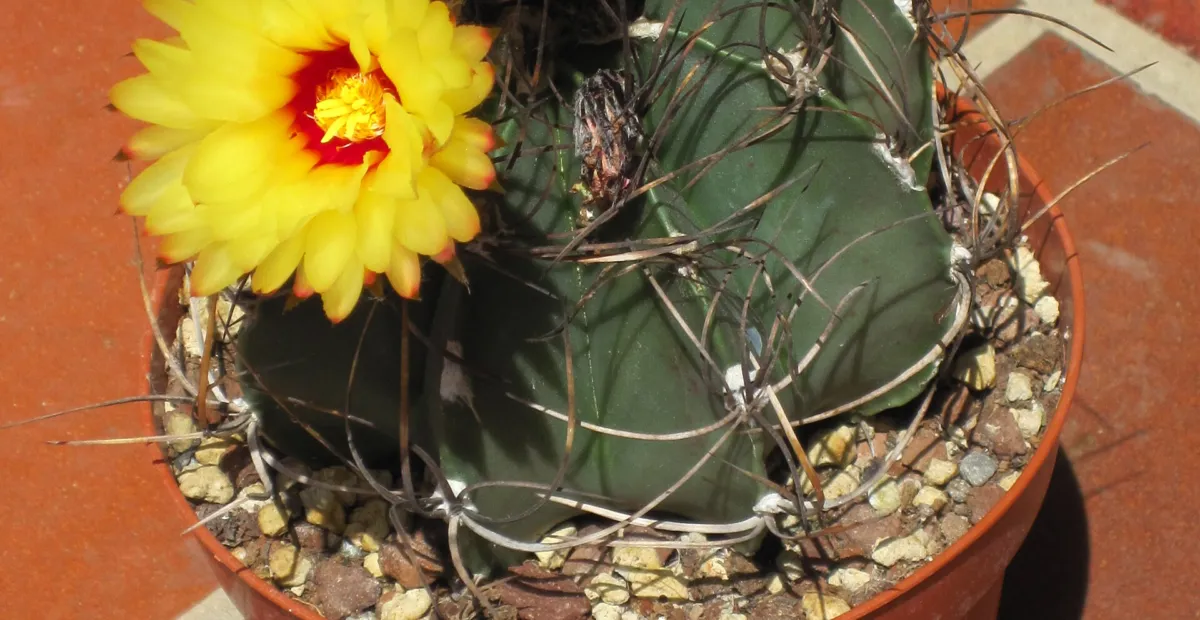
Astrophytum 'Capricorne' is a cultivated form of Astrophytum capricorne, prized for its star-like ribbing, pale flecked skin and long, twisted spines that resemble horns. It remains a small, slow-growing cactus suited to a sunny windowsill, greenhouse or sheltered summer container. Provide a gritty, fast-draining mix, water only after the substrate dries, and keep the plant nearly dry in winter. Yellow, orange-centered flowers may appear on mature, well-grown plants.
Taxonomic classification
Astrophytum ‘Capricorne’ care guide
Light and placement
Give the brightest practical position: a south- or west-facing window, greenhouse bench or sheltered outdoor site with several hours of direct sun. Acclimate gradually after low-light conditions to reduce sunscald. Too little light causes stretched growth, weak spine development and poor flowering; excessive abrupt sun can bleach or scar the epidermis. Provide ventilation in hot glasshouse conditions.
Watering and humidity
Water thoroughly only when the mix is completely dry, then let excess drain away. During active growth, this may mean watering every 1–3 weeks depending on heat, pot size and airflow; the calendar is less reliable than substrate dryness. Reduce sharply in fall and keep nearly dry through a cool winter rest. Never leave the pot standing in water.
Soil and growing medium
Use a predominantly mineral cactus mix containing coarse sand, pumice, perlite or fine gravel. The substrate must drain rapidly and dry between waterings. Astrophytum capricorne tolerates a broad pH range, but a neutral to slightly alkaline, low-organic medium is a practical choice. Avoid heavy peat-rich mixes that remain wet around the roots.
Feeding
Feed only during active spring and summer growth, using a cactus fertilizer diluted to about one-quarter to one-half of the label rate and low in nitrogen. Water first if the mix is dry, then apply fertilizer to the root zone. Do not fertilize during winter rest, after repotting or while the plant is stressed or dormant.
Growth and habit
This is a slow-growing, usually solitary cactus that may shift from a rounded juvenile form toward a more ovoid or short-columnar mature shape. Growth is concentrated in the warm season, while a cool, dry winter rest helps prevent rot and supports reliable seasonal development.
Planting and repotting
Plant outdoors only after nights are reliably warm and the site is protected from prolonged rain. Set the root ball at its original depth; do not bury the stem. Allow generous air movement and space plants so the body does not remain shaded or damp after watering.
Repot in spring or early summer when growth is beginning, using a pot only slightly larger than the root system. Handle the spines carefully, refresh compacted medium, and allow any disturbed roots to dry for several days before watering. Repot only when the container is crowded, the mix has degraded or drainage has declined.
Propagation and pruning
Propagation
Seed is the standard documented method for Astrophytum capricorne. Sow fresh seed in a sterile, gritty medium with warmth, bright filtered light and careful moisture; gradually increase ventilation as seedlings develop. Named selections may not remain uniform from seed, and reliable clonal material is not documented for this exact quoted name.
Pruning
No routine pruning is needed. Remove only dead, diseased or irreversibly damaged tissue with sterile tools, allowing cuts to dry fully. Do not cut healthy ribs or remove spines for cosmetic reasons.
Overwintering
Overwinter indoors or in a frost-free greenhouse. Keep the plant bright, cool to moderately warm and almost completely dry. Avoid placing it directly beside cold, damp glass or near a humidifier. Resume watering gradually in spring only when active growth and warmer conditions return.
Uses
Primarily an ornamental collector cactus for sunny windowsills, greenhouses, xeric containers and sheltered rock-garden displays. Its sculptural ribs, flecking and curled spines provide year-round interest. It has no well-supported culinary or medicinal use in the reviewed sources.
Appearance
The plant has a rounded to ovoid, gray-green stem divided into usually 7–9 ribs. Pale hair-like scales may form flecks or a frosted pattern across the epidermis. Long, twisted yellow-brown to gray spines arise from areoles and can resemble curled horns. The combination of ribbing, scales and contorted spines is distinctive within cultivated Astrophytum.
Flowering
Mature plants can produce large, funnel-shaped yellow flowers, commonly with an orange to reddish central area. Flowers arise near the growing apex and are most likely during warm, bright active growth. The exact flowering performance of the named horticultural selection is not independently documented and may vary with age, light and winter rest.
Pollination and visitors
The species produces showy, pollen-bearing flowers, but reliable documentation identifying the principal animal visitor for this exact plant was not located. Pollinator attraction is therefore left unknown rather than inferred from general cactus biology.
Astrophytum 'Capricorne' photos
Click any photo for a larger view. Source, author and license are shown separately.
Diseases and pests
Diseases
The main risks are root or stem rot from persistently wet media, especially in cool conditions. Use a porous substrate, disinfect tools, improve airflow and remove damaged tissue promptly. Isolate plants with soft, dark lesions; healthy tissue may be salvaged only if rot has not reached the vascular core.
Pests
Inspect regularly for mealybugs, scale and spider mites, especially in greenhouse collections. Remove small infestations mechanically or with an appropriate labeled treatment, avoiding unnecessary wetting of the body. Quarantine new plants and check areoles, spine bases and roots during repotting.
Related diseases and pests
Only Plant Doctor profiles whose host data indicate this plant may be affected are shown here.
 DiseaseRhizopus soft rotRhizopus stolonifer
 DiseaseBacterial soft rotPectobacterium carotovorum
 PestSmaller green leafhopperEmpoasca vitis
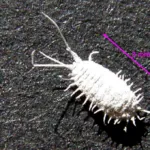 PestObscure mealybugPseudococcus viburni
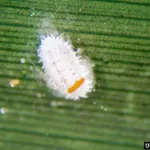 PestCitrus mealybugPlanococcus citri
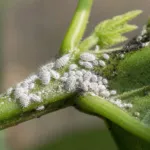 PestCotton mealybugPhenacoccus solenopsis Tinsley
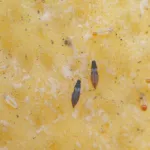 PestGreenhouse thripsHeliothrips haemorrhoidalis
Toxicity and pollen
No reliable authoritative source located for clinically significant toxicity specific to Astrophytum 'Capricorne' or Astrophytum capricorne. The primary established hazard is mechanical injury from spines. Keep away from children and pets, prevent chewing, and seek professional advice after ingestion or a puncture injury.
- Pollination / pollen
- Flower-held pollen; airborne relevance not well documented
Astrophytum flowers contain pollen-bearing stamens, but the reviewed sources did not provide a clinical pollen-allergy assessment or measured airborne pollen profile for this taxon. Because the flowers are showy and pollen is held within the flower, routine airborne exposure is likely limited, but this is an inference rather than a documented allergy rating.
Native habitat
Astrophytum capricorne is native to northeastern Mexico, particularly dry Chihuahuan Desert and desert-shrubland environments. It grows in hot, seasonally dry conditions with intense sunlight and rapidly draining mineral soils. The exact horticultural selection may differ from wild populations in vigor, spine form or surface markings.
Interesting fact
The curved spines give the species its goat-horn association. Its accepted species name is Astrophytum capricorne, while several historical varieties and forms have been placed within that species. The body is covered with small pale scales that can create a frosted appearance. Plants may become more columnar with age than young globular specimens.
Frequently asked questions (FAQ)
The most relevant questions about this plant, with short and direct answers.
🌱Quick care
How much light does Astrophytum 'Capricorne' need?⌄
Astrophytum 'Capricorne' needs full sun or several hours of intense direct light daily. Acclimate it gradually to strong outdoor sun to reduce the risk of scorching.
How often should I water Astrophytum 'Capricorne'?⌄
Water Astrophytum 'Capricorne' thoroughly only after its gritty soil has dried completely. During winter dormancy, water very sparingly or not at all, especially in a cool room.
What is the best soil for Astrophytum 'Capricorne'?⌄
Use a gritty, sharply drained cactus mix with substantial mineral material such as pumice, perlite, coarse sand, or crushed gravel. The mix should drain rapidly and never remain soggy after watering.
Is Astrophytum 'Capricorne' easy to grow?⌄
Astrophytum 'Capricorne' is manageable for beginners who provide strong light, fast drainage, and careful watering. Its roots can be sensitive to prolonged moisture, so overwatering is the main cultural risk.
🌤️Environment and placement
Can Astrophytum 'Capricorne' grow outdoors in the United States?⌄
It can grow outdoors in warm, dry parts of the United States if planted in sharply drained soil and protected from prolonged rain and frost. In colder or humid regions, grow it in a container that can be moved under cover.
What USDA hardiness zone is suitable for Astrophytum 'Capricorne'?⌄
Astrophytum 'Capricorne' is best treated as a frost-tender cactus and is most reliable outdoors in warm USDA-style climates. In colder zones, bring it indoors before temperatures approach freezing and keep it dry during winter.
What temperature is best for Astrophytum 'Capricorne' in winter?⌄
Keep Astrophytum 'Capricorne' bright, cool to mild, and dry during winter, while protecting it from freezing temperatures. A cool rest can support healthy growth and flowering, but cold wet conditions can cause root or stem rot.
Can Astrophytum 'Capricorne' tolerate humidity?⌄
Astrophytum 'Capricorne' can tolerate seasonal humidity when air circulation and drainage are good, but it does not tolerate wet soil for long periods. In humid areas, shelter it from frequent rain and use a mostly mineral potting mix.
Can Astrophytum 'Capricorne' grow indoors?⌄
Astrophytum 'Capricorne' can grow indoors beside the brightest available window or under a strong grow light. Keep it away from poorly ventilated, dim locations, where weak growth and watering problems are more likely.
💧Care and problems
Why is my Astrophytum 'Capricorne' turning soft?⌄
A soft Astrophytum 'Capricorne' commonly indicates overwatering, poor drainage, or developing rot. Stop watering, inspect the roots and lower stem, and remove damaged tissue only if the rot is localized and the remaining plant is firm.
Why is Astrophytum 'Capricorne' shrinking?⌄
Some shrinking is normal during winter dormancy or between waterings, but severe wrinkling can indicate prolonged drought or damaged roots. Water only when the soil is fully dry, then check whether the plant firms up over the following days.
Why is my Astrophytum 'Capricorne' stretching?⌄
Stretching usually means Astrophytum 'Capricorne' is not receiving enough intense light. Move it gradually to a brighter position or add a suitable grow light, while avoiding an abrupt change from shade to hot sun.
Why are brown spots appearing on Astrophytum 'Capricorne'?⌄
Brown spots may result from sunburn, corking, physical damage, pests, or rot, so the pattern and firmness matter. Dry, firm marks are often less urgent, while spreading, soft, or dark areas require immediate inspection for moisture-related damage.
How do I prevent root rot in Astrophytum 'Capricorne'?⌄
Prevent root rot by using a fast-draining mineral-rich mix, a pot with drainage holes, and a fully dry interval between waterings. Keep the plant dry in cool weather and never let the pot sit in water.
Does Astrophytum 'Capricorne' need fertilizer?⌄
Astrophytum 'Capricorne' can receive a dilute, low-nitrogen cactus fertilizer during active growth. Fertilize only when the plant is growing and the soil is already appropriately moist; do not fertilize a dormant, stressed, or recently repotted plant.
What pests attack Astrophytum 'Capricorne'?⌄
Mealybugs and scale insects are the main pests to watch for on Astrophytum 'Capricorne', particularly around areoles, roots, and hidden crevices. Isolate affected plants and treat promptly with a cactus-safe method appropriate for the infestation.
🪴Planting and repotting
What type of pot is best for Astrophytum 'Capricorne'?⌄
Choose a pot with a drainage hole that is only slightly wider than the root system. Unglazed clay can help excess moisture evaporate, but any well-draining container works when watering is controlled.
When should I repot Astrophytum 'Capricorne'?⌄
Repot Astrophytum 'Capricorne' during active growth, preferably in spring or early summer, when the plant can recover quickly. Repot sooner if the mix has decomposed, drainage has worsened, or roots are damaged.
How often does Astrophytum 'Capricorne' need repotting?⌄
Astrophytum 'Capricorne' usually needs repotting only every few years or when it becomes root-bound or the soil deteriorates. Avoid moving it into an excessively large pot, which holds moisture around the roots.
Can Astrophytum 'Capricorne' be planted in the ground?⌄
It can be planted in the ground only where winters are frost-free or the plant can be protected and kept dry. Use a raised, mineral-rich bed with exceptional drainage and shelter from prolonged rainfall.
✂️Propagation and pruning
How do you propagate Astrophytum 'Capricorne'?⌄
Propagate Astrophytum 'Capricorne' primarily from seed, because it seldom produces offsets. Sow fresh seed in a sterile, gritty medium with warmth, moisture, bright filtered light, and good ventilation as seedlings develop.
Can Astrophytum 'Capricorne' be grown from cuttings?⌄
Stem cuttings are not the normal propagation method for Astrophytum 'Capricorne' because it is a solitary, globular cactus with limited offset production. Seed propagation is generally more dependable, while grafting may be used for seedlings or difficult specimens.
How long does Astrophytum 'Capricorne' take to grow from seed?⌄
Astrophytum 'Capricorne' grows relatively slowly from seed and may take several years to reach a flowering size. Warmth, strong light, careful watering, and avoiding root damage help seedlings establish, but growth speed varies by plant and conditions.
Does Astrophytum 'Capricorne' need pruning?⌄
Astrophytum 'Capricorne' does not normally need pruning. Remove only dead, diseased, or rotted material with a sterile tool, and allow any wound to dry fully before resuming normal care.
⚠️Toxicity and safety
Is Astrophytum 'Capricorne' poisonous to cats or dogs?⌄
The toxicity of Astrophytum 'Capricorne' has not been clearly established, so treat it as unsuitable for pets to chew. Its spines can also cause painful punctures or irritation, making placement away from pets and children advisable.
How should I handle Astrophytum 'Capricorne' safely?⌄
Handle Astrophytum 'Capricorne' with thick gloves, folded cardboard, or cactus tongs to avoid its spines. Support the root ball rather than squeezing the stem, and keep loose spines away from children and pets.
🌸Flowering and special interest
When does Astrophytum 'Capricorne' flower?⌄
Astrophytum 'Capricorne' generally flowers during the warmer growing season, often in late spring or summer. Mature plants exposed to strong light, proper watering, and a dry winter rest are more likely to bloom.
What do Astrophytum 'Capricorne' flowers look like?⌄
Astrophytum 'Capricorne' produces large, solitary, funnel-shaped yellow flowers, commonly with a reddish or orange throat. Flower color and markings can vary among forms and cultivated plants.
Why is my Astrophytum 'Capricorne' not flowering?⌄
A young plant, insufficient light, excessive winter warmth, or year-round watering can prevent Astrophytum 'Capricorne' from flowering. Provide intense light, active-season growth, and a bright, dry winter rest while recognizing that mature size is also required.
Can Astrophytum 'Capricorne' self-pollinate?⌄
Do not assume every Astrophytum 'Capricorne' will reliably self-pollinate; seed production is more dependable when compatible flowers are hand-pollinated. Use a small clean brush to transfer pollen between flowers that are open at the same time.
Similar plants
 Azure Monkshood (Aconitum carmichaelii) care guideAconitum carmichaelii
 Monkshood (Aconitum ‘Stainless Steel’)Aconitum 'Stainless Steel'
 Monkshood (Aconitum ‘Bressingham Spire’)Aconitum 'Bressingham Spire'
 Golden full moon maple (Acer shirasawanum ‘Aureum’)Acer shirasawanum 'Aureum'
 Globosum (Acer platanoides ‘Globosum’)Acer platanoides 'Globosum'
 Striped maple (Acer pensylvanicum) care guideAcer pensylvanicum