
 Source:
 False goatsbeard (Astilbe × arendsii ‘Fanal’) short overview
Astilbe × arendsii ‘Fanal’ is a compact, clump-forming perennial valued for its narrow plumes of deep crimson-red flowers and bronze-tinted spring foliage. It performs best in partial to full shade with consistently moist, humus-rich soil. Upright flower stems rise above finely divided leaves in midsummer, making this cultivar useful for shaded borders, woodland gardens, pond edges, mass plantings, and cut-flower arrangements.
Taxonomic classification
False goatsbeard (Astilbe × arendsii ‘Fanal’) care guide
Light and placement
Give ‘Fanal’ bright open shade, dappled light, or gentle morning sun with afternoon protection. A north or east-facing bed, woodland edge, or shaded pond border is usually suitable. Strong afternoon sun can scorch and curl the foliage, especially when soil dries. Very deep shade may produce fewer and weaker flower stems.
Watering and humidity
Keep the root zone evenly moist from spring through early fall; water deeply when the surface begins to dry rather than applying frequent shallow sprinkles. Increase irrigation during hot weather and reduce it after dormancy, while preventing winter waterlogging. A 2–3 inch organic mulch layer helps stabilize moisture and root temperature.
Soil and growing medium
Use fertile, humus-rich soil that holds moisture without remaining stagnant. Loam amended with compost or leaf mold is a good general medium; improve heavy clay with organic matter and avoid sharply droughty, coarse soil. Astilbe tolerates a broad pH range, but slightly acidic to neutral conditions suit vigorous foliage and flowering.
Feeding
Apply compost or well-rotted organic matter around the clump in spring, keeping it off the crown. If additional feeding is needed, use a balanced slow-release fertilizer at label strength as growth begins. Avoid heavy late-summer nitrogen, which can encourage soft foliage and does not improve the finished flower display.
Growth and habit
‘Fanal’ forms a slowly enlarging herbaceous clump from a crown, with basal foliage and upright flowering stems. It is generally manageable rather than aggressively spreading. Divide crowded clumps every three to four years, or sooner if the center weakens or flowering declines.
Planting and repotting
Plant after the soil can be worked in spring or several weeks before the ground freezes in fall. Set the crown at the surrounding soil level rather than burying it deeply. Water thoroughly after planting and maintain even moisture through the first growing season. Mulch lightly, leaving a small gap around the crown.
Grow container plants in a moisture-retentive but well-drained potting mix. Repot or divide in early spring when the crown becomes crowded or the root ball fills the container. Use a pot with drainage holes and avoid letting the mix dry completely.
Propagation and pruning
Propagation
Divide established clumps in early spring or after flowering, using a sharp spade or knife and ensuring each division has healthy crown tissue and roots. Seed is possible but will not reliably reproduce the named cultivar. Division is the practical method for maintaining ‘Fanal’.
Pruning
Remove spent flower stems after flowering for a tidier appearance, or leave them standing for dried seed-head interest. Cut the entire plant back to the ground in late winter or early spring before new growth resumes. Remove damaged foliage during the growing season as needed.
Overwintering
Leave dried stems in place for winter interest, then cut them back before spring growth. In containers, protect the root ball from repeated freeze-thaw cycles by moving the pot to a sheltered location or insulating it. Do not keep dormant crowns waterlogged.
Uses
Use ‘Fanal’ in shaded borders, woodland gardens, foundation plantings, stream or pond margins, and massed ground-cover-style displays. The upright plumes are suitable for fresh or dried arrangements. It also performs well in large containers if the potting mix does not dry out.
Appearance
The plant has fernlike, usually two- to three-times divided leaves with sharply toothed leaflets. New foliage is bronze to copper-toned and matures dark green with a reddish cast. Narrow, upright to slightly arching panicles are densely packed with tiny flowers, creating a distinctive plume above the foliage.
Flowering
The tiny flowers are densely arranged along branched, narrow terminal panicles carried above the foliage. In ‘Fanal’, the plumes are among the darkest red in cultivated astilbes. Flowering is concentrated in midsummer; dried heads can remain decorative into autumn and winter if not removed.
Pollination and visitors
Astilbe flowers are visited by butterflies and other small flower-visiting insects; horticultural references also identify astilbes as attractive to bees and butterflies. Visitor activity is most likely during the open plume period. No specific pollinator species was sufficiently documented for this exact cultivar.
Astilbe × arendsii 'Fanal' photos
Click any photo for a larger view. Source, author and license are shown separately.
Diseases and pests
Diseases
Astilbe is generally trouble-free, but powdery mildew, wilt, bacterial leaf spot, and Cercospora leaf spot can occur. Provide air movement, avoid wetting foliage late in the day, remove infected debris, and prevent drought stress. Improve drainage if wilt persists, and avoid overhead irrigation during disease-favorable weather.
Pests
Japanese beetles, whiteflies, and black vine weevils may feed on astilbe foliage or roots. Inspect leaves and stems regularly, hand-pick Japanese beetles, and manage severe infestations with proportionate, label-directed controls. Healthy moisture levels and sanitation reduce stress-related damage.
Related diseases and pests
Only Plant Doctor profiles whose host data indicate this plant may be affected are shown here.
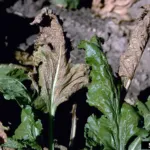 DiseaseCercospora leaf spotCercospora beticola Sacc.
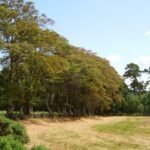 Environmental stressDrought stress
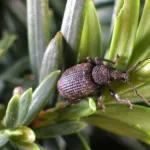 PestBlack Vine WeevilOtiorhynchus sulcatus
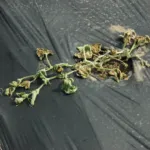 DiseaseBacterial WiltRalstonia solanacearum species complex
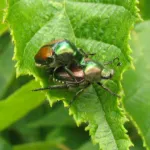 PestJapanese beetlePopillia japonica
 DiseaseMaple powdery mildewSawadaea bicornis
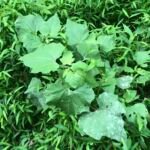 DiseaseCucurbit Powdery MildewPodosphaera xanthii (Castagne) U. Braun & Shishkoff
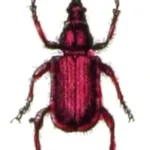 PestPeach weevilRhynchites bacchus
Toxicity and pollen
Reliable sources reviewed did not provide a definitive toxicity assessment for this exact cultivar. Do not treat the plant as edible. Prevent children and pets from chewing ornamental plant material; any ingestion can cause nonspecific stomach upset, and veterinary or medical advice is appropriate if symptoms occur.
- Typical season
- Midsummer during flowering, usually July–August
- Pollination / pollen
- Insect-released pollen from small flowers
‘Fanal’ has insect-pollinated flowers, so its pollen is generally presented within the flower rather than released in large airborne clouds. This suggests lower airborne exposure than wind-pollinated plants, but it does not establish zero allergy risk. Sensitive people should avoid handling flowers if symptoms occur.
Native habitat
The hybrid does not have a native wild habitat or natural distribution of its own. Its parentage traces to East Asian Astilbe species associated with moist woodland margins, streamside settings, and humus-rich soils. In cultivation, it reproduces that cool, moisture-stable understory environment rather than dry exposed sites.
Interesting fact
‘Fanal’ is noted for exceptionally dark red astilbe flowers. The cultivar belongs to the Arends hybrid group, named for German nurseryman George Arends. Its bronze spring foliage gradually deepens to green with reddish tones. Dried flower heads can provide winter structure.
Frequently asked questions (FAQ)
The most relevant questions about this plant, with short and direct answers.
🌱Quick care
What is Astilbe × arendsii 'Fanal'?⌄
Astilbe × arendsii 'Fanal' is a clump-forming herbaceous perennial grown for its deep red flower plumes and fernlike foliage. It is hardy in USDA Zones 3–8 and is best suited to consistently moist shade.
How much sunlight does Astilbe × arendsii 'Fanal' need?⌄
Astilbe × arendsii 'Fanal' grows best in partial shade to full shade. It can tolerate more sun only when the soil stays reliably moist, especially during hot summers.
How often should I water Astilbe × arendsii 'Fanal'?⌄
Water Astilbe × arendsii 'Fanal' whenever the soil surface begins to dry so the root zone remains consistently moist. Do not allow the plant to dry out for extended periods, because drought can cause browning and curled leaves.
What soil is best for Astilbe × arendsii 'Fanal'?⌄
Use humus-rich, moisture-retentive soil that also drains well. Incorporating compost and applying a light organic mulch can help maintain even moisture without creating stagnant, waterlogged conditions.
How big does Astilbe × arendsii 'Fanal' get?⌄
Astilbe × arendsii 'Fanal' typically grows about 12–18 inches tall and 9–12 inches wide, although flower stems may extend higher. Growth can vary with soil moisture, light, and regional conditions.
🌤️Environment and placement
Can Astilbe × arendsii 'Fanal' grow in full shade?⌄
Yes, Astilbe × arendsii 'Fanal' can grow in full shade, although flowering may be less abundant than in bright filtered or partial shade. Consistently moist, fertile soil is especially important in very dark locations.
Can Astilbe × arendsii 'Fanal' grow in full sun?⌄
Astilbe × arendsii 'Fanal' can grow in full sun only if the soil remains consistently moist. In hot or dry sites, strong sunlight commonly causes leaf scorch, browning, and premature foliage decline.
Is Astilbe × arendsii 'Fanal' suitable for a woodland garden?⌄
Yes, Astilbe × arendsii 'Fanal' is well suited to moist woodland gardens, shaded borders, and areas near ponds or streams. Pairing it with ferns and hostas provides compatible texture and growing conditions.
Can Astilbe × arendsii 'Fanal' grow near a pond or stream?⌄
Yes, Astilbe × arendsii 'Fanal' performs well near ponds and streams when the soil is moist but not permanently waterlogged. Good drainage remains important around the roots.
Is Astilbe × arendsii 'Fanal' deer resistant?⌄
Astilbe × arendsii 'Fanal' is generally considered relatively resistant to deer and rabbits. No plant is completely browse-proof, so wildlife pressure and local conditions can still affect it.
💧Care and problems
Why are the leaves of my Astilbe × arendsii 'Fanal' turning brown?⌄
Brown leaves usually indicate drought stress, excessive heat, or too much direct sun. Water deeply, mulch the soil, and provide afternoon shade, but remove severely damaged foliage only when necessary.
Why is my Astilbe × arendsii 'Fanal' wilting?⌄
Wilting usually means the plant is not receiving enough moisture or its roots have been disturbed or damaged. Check the soil several inches below the surface, water thoroughly, and investigate root or pest problems if the soil is already moist.
Does Astilbe × arendsii 'Fanal' need fertilizer?⌄
Astilbe × arendsii 'Fanal' usually needs little fertilizer when grown in fertile, compost-enriched soil. A spring application of a balanced, slow-release perennial fertilizer can support growth, but excessive feeding is unnecessary.
What diseases affect Astilbe × arendsii 'Fanal'?⌄
Astilbe × arendsii 'Fanal' can occasionally develop powdery mildew, wilt, or leaf-spot diseases. Good air circulation, careful watering at the soil line, and removal of badly affected foliage can reduce problems.
What pests attack Astilbe × arendsii 'Fanal'?⌄
Potential pests include Japanese beetles, black vine weevils, and whiteflies, although serious infestations are uncommon. Inspect foliage regularly and address feeding damage before it becomes extensive.
🪴Planting and repotting
When should I plant Astilbe × arendsii 'Fanal' in the United States?⌄
Plant Astilbe × arendsii 'Fanal' in spring or early fall while temperatures are moderate and soil moisture is dependable. In colder USDA Zones 3–5, spring or early fall planting gives roots more time to establish before severe winter weather.
How far apart should I plant Astilbe × arendsii 'Fanal'?⌄
Space Astilbe × arendsii 'Fanal' about 12 inches apart for a connected planting, or slightly farther apart for individual clumps. Use the mature spread and desired visual density to adjust spacing.
How deep should I plant Astilbe × arendsii 'Fanal'?⌄
Plant Astilbe × arendsii 'Fanal' with the crown at or just slightly above the soil surface. Planting the crown too deeply can encourage rot, while exposing the roots can increase drying.
Can Astilbe × arendsii 'Fanal' grow in a container?⌄
Yes, Astilbe × arendsii 'Fanal' can grow in a container that has drainage holes and holds moisture evenly. Use a rich, well-drained potting mix and monitor containers closely because they dry faster than garden soil.
Can Astilbe × arendsii 'Fanal' be planted under trees?⌄
Yes, Astilbe × arendsii 'Fanal' can be planted under trees if it receives filtered shade and competition from tree roots is manageable. Add organic matter and provide supplemental water during dry periods.
✂️Propagation and pruning
How do I divide Astilbe × arendsii 'Fanal'?⌄
Divide Astilbe × arendsii 'Fanal' by lifting the clump and separating it into sections, each with healthy roots and growing buds. Replant the divisions promptly at the original depth and keep them consistently moist while they establish.
When should I divide Astilbe × arendsii 'Fanal'?⌄
Divide Astilbe × arendsii 'Fanal' in spring or early fall, preferably when the weather is cool and soil moisture is reliable. Division is generally useful when clumps become crowded, often every three to four years.
Can Astilbe × arendsii 'Fanal' be grown from seed?⌄
Astilbe × arendsii 'Fanal' can produce seed, but seedlings may not reliably reproduce the named cultivar’s flower color or form. Division is the preferred method when you want plants true to 'Fanal'.
Should I deadhead Astilbe × arendsii 'Fanal'?⌄
Deadheading Astilbe × arendsii 'Fanal' is optional because removing spent flowers does not usually extend bloom. Cut the plumes for a tidier appearance, or leave them standing for dried seed-head interest.
Should I cut back Astilbe × arendsii 'Fanal' in fall?⌄
Cut back Astilbe × arendsii 'Fanal' in late fall or early spring after the foliage has died back. Leaving the dry flower stems through winter is also acceptable if you want added seasonal structure.
⚠️Toxicity and safety
Is Astilbe × arendsii 'Fanal' toxic to dogs or cats?⌄
No cultivar-specific toxicity classification has been confirmed for Astilbe × arendsii 'Fanal'. Because plant reactions can vary and reliable pet-safety evidence is limited for this named cultivar, contact a veterinarian or poison-control service if a pet eats it.
🌸Flowering and special interest
When does Astilbe × arendsii 'Fanal' bloom?⌄
Astilbe × arendsii 'Fanal' usually blooms in early to midsummer, commonly around June or July depending on the local climate. Bloom timing can shift with temperature, exposure, and spring conditions.
What color are the flowers of Astilbe × arendsii 'Fanal'?⌄
Astilbe × arendsii 'Fanal' produces dark red to deep crimson flower plumes, often described as among the darkest red astilbe blooms. The color may appear deeper in partial shade than in strong sunlight.
Can Astilbe × arendsii 'Fanal' be used as a cut flower?⌄
Yes, Astilbe × arendsii 'Fanal' makes a useful cut flower because its upright red plumes add strong color and texture to arrangements. Cut stems when most flowers on a plume are open.
Why is my Astilbe × arendsii 'Fanal' not flowering?⌄
Poor flowering is commonly caused by insufficient light, drought stress, young plants, or overcrowded clumps. Move the plant only during a suitable season, maintain steady moisture, and divide crowded plants when necessary.
Similar plants
 Azure Monkshood (Aconitum carmichaelii) care guideAconitum carmichaelii
 Monkshood (Aconitum ‘Stainless Steel’)Aconitum 'Stainless Steel'
 Monkshood (Aconitum ‘Bressingham Spire’)Aconitum 'Bressingham Spire'
 Golden full moon maple (Acer shirasawanum ‘Aureum’)Acer shirasawanum 'Aureum'
 Globosum (Acer platanoides ‘Globosum’)Acer platanoides 'Globosum'
 Striped maple (Acer pensylvanicum) care guideAcer pensylvanicum