
 Source:
 Birthworts (Aristolochiaceae) short overview
Birthworts are a diverse family of flowering plants that includes herbaceous perennials, shrubs, and mostly climbing vines. Their unusual, often tubular or curved flowers commonly lack petals and may use intricate shapes, colors, scents, or temporary floral traps to interact with small insects. The family occurs across much of the world, but cultivation, hardiness, mature size, and flowering season vary greatly among its genera and species.
Taxonomic classification
Birthworts (Aristolochiaceae) care guide
Light and placement
Light requirements cannot be assigned reliably at family level. Many woodland Asarum species prefer bright filtered light or partial shade, while several Aristolochia vines flower best with bright light and some direct morning or afternoon sun. Scorched leaves, bleached patches, or wilting can indicate excessive exposure; long weak stems and sparse flowering suggest insufficient light.
Watering and humidity
Keep the root zone evenly but not permanently saturated during active growth, adjusting frequency to the species, container size, soil, and season. Allow the surface to dry slightly when appropriate, but do not use one rhythm for the entire family. Reduce watering for dormant temperate perennials; tropical vines may need steadier moisture. Improve humidity only for moisture-loving tropical plants.
Soil and growing medium
Choose a substrate matched to the individual genus. A general starting point is fertile, humus-rich soil with reliable drainage and enough moisture retention to prevent rapid drying. Avoid stagnant, airless soil around roots. Woodland genera often tolerate leaf-mould-rich soil, whereas container-grown vines need a porous mix that drains quickly after watering.
Feeding
Feed actively growing container plants with a balanced, diluted fertilizer according to the product label, usually during spring and summer. In garden beds, incorporate mature compost rather than relying on heavy fertilizer. Stop or sharply reduce feeding during dormancy, after transplant shock, or when roots are waterlogged. Excess nitrogen can produce foliage at the expense of sturdy growth and flowers.
Growth and habit
The family includes low, spreading woodland perennials as well as vigorous twining or climbing vines. Some members spread through rhizomes, while others form long seasonal or woody stems. Provide trellis support for climbing Aristolochia species and leave room for mature spread in rhizomatous plants. Identify the genus before selecting a pruning regime or planting position.
Planting and repotting
Because Aristolochiaceae includes plants with very different habits and climates, identify the genus and species before planting. Select a site matching its light and moisture needs, loosen compacted soil, and water deeply after planting. Mulch lightly without burying crowns or stems. Install trellis support before planting vigorous climbing Aristolochia.
Repot container plants when roots fill the pot or growth slows because the mix has compacted. Move up only one pot size, preserve the root ball where possible, and use a porous mix suited to the species. Provide support for climbing plants during or immediately after repotting, then water thoroughly and protect from intense sun while they recover.
Propagation and pruning
Propagation
Propagation may involve fresh seed, stem cuttings, layering, rhizome division, or offsets, depending on the genus. Sow seed when fresh if viability declines in storage; take cuttings during active growth from healthy, non-flowering shoots. Divide rhizomatous woodland plants during dormancy or early spring, retaining viable buds and roots.
Pruning
Pruning is genus- and species-specific. Remove dead, damaged, or crossing growth at any time, and train young climbing stems early onto their support. Cut back vigorous vines after flowering or during dormancy only when the species tolerates it. Avoid severe pruning immediately after transplanting or during drought.
Overwintering
Winter treatment depends entirely on the species. Hardy temperate plants can remain outdoors with a light mulch over the root zone, while frost-tender Aristolochia should be moved indoors or kept in a protected greenhouse before temperatures approach the plant’s verified minimum. Reduce watering in dormancy but do not allow evergreen tropical plants to become completely dry.
Uses
Members are grown mainly as ornamental foliage plants, woodland groundcovers, and flowering climbers. Aristolochia species can provide larval food for certain swallowtail butterflies, including pipevine swallowtails where host species are present. Historical medicinal use exists, but aristolochic-acid-containing plants should not be used medicinally; toxicity makes culinary or home-remedy use inappropriate.
Appearance
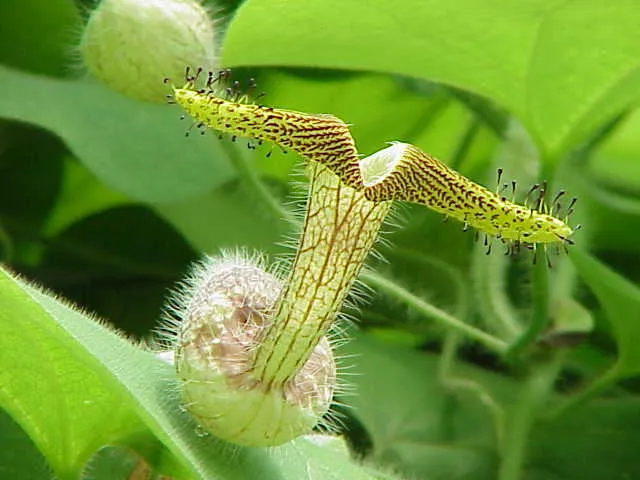
Leaves are generally alternate, simple, and often heart-shaped or kidney-shaped, with palmately arranged veins and no stipules. Flowers are highly variable but commonly have a tubular, curved, pouch-like, or three-lobed perianth; petals are usually absent. Aristolochia flowers may resemble pipes or Dutchman’s pipes, while Asarum often bears concealed flowers close to the ground.
Flowering
Members of the family produce bisexual flowers, usually with a simple, often petaloid calyx and reduced or absent petals. Aristolochia commonly has highly specialized tubular flowers and may temporarily retain small insects, while other genera have less conspicuous flowers near the ground. Flowering dates and display differ too much among species for one family-wide calendar.
Pollination and visitors
Pollination biology varies across the family. Many Aristolochia flowers use strong odors, unusual colors, tubular chambers, or temporary trapping mechanisms associated with small insect visitors, especially flies. Reliable family-wide visitor lists are limited, and the principal visitor can differ among genera and species.
Diseases and pests
Diseases
Prevent disease with well-drained soil, good air circulation, clean tools, and careful watering. Root and crown rots are the main risks in persistently wet media. Remove infected tissue, correct drainage, and avoid overhead watering when foliage remains wet for long periods. Confirm the species before selecting any treatment because symptoms can overlap with environmental stress.
Pests
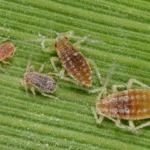
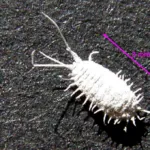
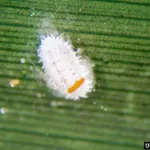
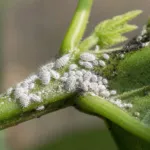
Inspect new growth and leaf undersides for aphids, spider mites, scale, mealybugs, and caterpillar feeding. Encourage natural enemies, isolate infested container plants, and use a strong water spray or appropriately labeled horticultural soap when needed. Some caterpillars are desirable pipevine swallowtails, so identify them before control.
Related diseases and pests
Only Plant Doctor profiles whose host data indicate this plant may be affected are shown here.


Toxicity and pollen
Kew identifies aristolochic acids in Aristolochiaceae. These compounds are associated with serious kidney toxicity and carcinogenic risk, so unidentified family members should never be consumed or used in homemade remedies. Wear gloves when handling sap or plant material, prevent access by children and pets, and seek medical or veterinary advice after ingestion.
- Typical season
- Varies with species and local flowering season
- Pollination / pollen
- Pollen is produced within flowers and is generally transferred by floral visitors; airborne exposure varies by species and flower structure.
Family-level airborne allergy risk is not sufficiently documented for a single rating. Flowers are generally specialized for animal-mediated pollen transfer, but pollen exposure can still vary with flower accessibility, cultivation setting, and individual species. Avoid assuming that insect pollination eliminates allergy risk; sensitive people should limit handling of flowering material if symptoms occur.
Native habitat
Aristolochiaceae occupies habitats ranging from moist temperate woodland and forest margins to tropical forests, thickets, open scrub, and seasonally dry regions. Plants may root in humus-rich soils, litter, clay, or rocky substrates depending on the lineage. Distribution is broad, but each species has a much narrower native range and ecological preference.
Interesting fact
Aristolochia flowers are among the most structurally specialized flowers in many plant communities. Some species temporarily trap insects and release them after pollen transfer. Several pipevine swallowtail caterpillars use Aristolochia as a host plant and can retain plant-derived defensive compounds. The family name refers historically to childbirth-related medicinal use, although modern safety evidence makes such use hazardous.
Frequently asked questions (FAQ)
The most relevant questions about this plant, with short and direct answers.
🌱Quick care
What are Birthworts?⌄
Birthworts are a family of flowering plants known scientifically as Aristolochiaceae. The family includes herbs, shrubs, and vines, especially species in the genera Aristolochia and Asarum.
Are Birthworts suitable for home gardens?⌄
Some Birthwort species can be grown ornamentally, but suitability depends on the exact species and local climate. Confirm the plant’s identity, mature size, hardiness, and toxicity before planting.
How much light do Birthworts need?⌄
Light requirements vary widely across Birthworts, from partial shade to full sun. Match the exposure to the individual species and protect shade-adapted types from intense afternoon heat.
How often should I water Birthworts?⌄
Water Birthworts moderately, keeping the soil evenly moist but not waterlogged during active growth. Frequency depends on the species, soil drainage, temperature, rainfall, and whether the plant is grown in a container.
🌤️Environment and placement
Where should I plant Birthworts?⌄
Plant Birthworts in a site suited to the species, generally with well-drained soil rich in organic matter and protection from unsuitable temperature extremes. Vining types also need sturdy support and enough room to spread.
Can Birthworts grow in full sun?⌄
Some Birthworts tolerate or prefer full sun, while others perform better in partial or dappled shade. Check the requirements of the specific genus or species rather than treating the whole family alike.
Can Birthworts grow in shade?⌄
Many Birthworts tolerate partial shade, and some woodland species prefer it. Dense shade may reduce flowering and growth, while strong afternoon sun can scorch species adapted to cooler, filtered light.
What USDA hardiness zone is suitable for Birthworts?⌄
There is no single USDA hardiness range for Birthworts because the family contains species from tropical, subtropical, and temperate regions. Use the published hardiness rating for the exact species you are growing.
What type of soil is best for Birthworts?⌄
Birthworts generally prefer well-drained soil containing organic matter, but ideal texture and moisture vary by species. Avoid persistently soggy soil unless the particular plant is documented as moisture-loving.
💧Care and problems
Why are my Birthwort leaves turning yellow?⌄
Yellow leaves commonly result from overwatering, poor drainage, low light, nutrient stress, or normal seasonal dormancy. Check the roots and soil moisture first, then compare the plant’s conditions with the requirements of its species.
Why are my Birthworts wilting?⌄
Wilting may be caused by drought, root damage, waterlogged soil, heat stress, or transplant shock. Feel the soil several inches below the surface and inspect the roots before increasing watering.
Do Birthworts need fertilizer?⌄
Birthworts usually need only modest fertilization when planted in fertile, organic-rich soil. If growth is weak, use a balanced fertilizer according to the product label and avoid heavy feeding, which can produce soft, excessive growth.
What pests commonly affect Birthworts?⌄
Pest problems vary by species, but caterpillars, aphids, scale insects, and mites may occur. Inspect leaves and stems regularly, and identify the pest before using a treatment so beneficial butterfly larvae are not harmed.
Do Birthworts attract butterflies?⌄
Yes, several Aristolochia species serve as host plants for swallowtail butterfly caterpillars, including pipevine swallowtails in parts of the United States. Expect leaf feeding where these butterflies are present; it is often an important part of the plant’s ecological value.
🪴Planting and repotting
When is the best time to plant Birthworts?⌄
Plant hardy Birthworts in spring after severe frost or in early fall while the soil remains workable. Tropical species should be planted outdoors only after temperatures are reliably warm and their local frost risk has passed.
Can Birthworts be grown in containers?⌄
Many smaller Birthworts can be grown in containers, but vigorous vines may quickly outgrow them. Use a container with drainage holes, an airy organic-rich potting mix, and a support sized for the mature plant.
Do Birthworts need a trellis?⌄
Vining Birthworts need a sturdy trellis, arbor, fence, or similar support to grow well. Upright or herbaceous species may not need support, so the decision depends on the plant’s growth habit.
How do I repot a Birthwort?⌄
Repot a container-grown Birthwort when roots fill the pot or growth becomes crowded, preferably during active growth. Move it into a container only one or two sizes larger with fresh, well-drained potting mix and water thoroughly afterward.
✂️Propagation and pruning
How can I propagate Birthworts?⌄
Birthworts may be propagated by seed, stem cuttings, division, or rhizome separation, depending on the species. Use the method documented for the exact plant because family-wide propagation instructions are not interchangeable.
Can Birthworts be grown from cuttings?⌄
Some vining Birthworts root from stem cuttings, particularly during active growth, but success varies by species. Take healthy cuttings, use a clean well-drained rooting medium, and maintain consistent moisture without saturation.
Can Birthworts be grown from seed?⌄
Yes, many Birthworts can be grown from seed, although germination may be slow or uneven. Fresh, properly identified seed and species-specific temperature or stratification requirements improve the chances of success.
Should Birthworts be pruned?⌄
Prune Birthworts mainly to control size, remove damaged growth, or train vining stems onto support. Timing depends on whether the species flowers on new or older growth, so avoid major pruning until that habit is known.
⚠️Toxicity and safety
Are Birthworts poisonous?⌄
Yes, Birthworts are a high-concern plant group and should not be eaten. Many members contain aristolochic acids associated with serious kidney toxicity and cancer risk, so ornamental use should be kept separate from medicinal use.
Can you touch Birthworts safely?⌄
Routine handling is generally possible, but wear gloves when pruning or propagating and wash your hands afterward. Do not get plant sap or plant material in your mouth, eyes, or on food-preparation surfaces.
Are Birthworts safe for children and pets?⌄
Birthworts should be treated as unsafe around children and pets because ingestion can cause serious poisoning. Grow them only where plant parts cannot be reached, and contact Poison Control or a veterinarian immediately after suspected ingestion.
Can Birthworts be used as herbal medicine?⌄
No, Birthworts should not be used as home herbal medicine. Aristolochic acids in the family are linked to kidney damage, genetic damage, and cancer, and cooking or ordinary preparation should not be assumed to make them safe.
Are Birthworts invasive in the United States?⌄
Invasiveness is species-specific rather than a family-wide trait. Check your state invasive-plant lists and local extension guidance before planting, especially for vigorous Aristolochia vines that can spread beyond garden boundaries.
🌸Flowering and special interest
When do Birthworts flower?⌄
Flowering time varies from spring to fall depending on the species and climate. Many Aristolochia flowers are unusual, tubular, or pipe-shaped and may have strong odors that help attract fly pollinators.
Why do Birthwort flowers smell bad?⌄
Some Birthwort flowers produce carrion-like or otherwise strong odors that attract flies for pollination. The odor is natural and may be brief, with individual flowers often lasting about a day in some Aristolochia species.
Why is my Birthwort not flowering?⌄
Failure to flower may result from insufficient light, immature age, excessive nitrogen, drought, root stress, or pruning at the wrong time. Because flowering habits differ greatly, compare the plant’s age and care with species-specific guidance.
What do Birthwort flowers look like?⌄
Birthwort flowers are often distinctive, with a tubular or curved perianth that may resemble a pipe, funnel, or irregular pouch. Colors and shapes vary substantially across the family, and petals are usually absent.
Similar plants
 Azure Monkshood (Aconitum carmichaelii) care guideAconitum carmichaelii
 Monkshood (Aconitum ‘Stainless Steel’)Aconitum 'Stainless Steel'
 Monkshood (Aconitum ‘Bressingham Spire’)Aconitum 'Bressingham Spire'
 Golden full moon maple (Acer shirasawanum ‘Aureum’)Acer shirasawanum 'Aureum'
 Globosum (Acer platanoides ‘Globosum’)Acer platanoides 'Globosum'
 Striped maple (Acer pensylvanicum) care guideAcer pensylvanicum