
 Source:
 Aloe ‘Juvenna’ short overview
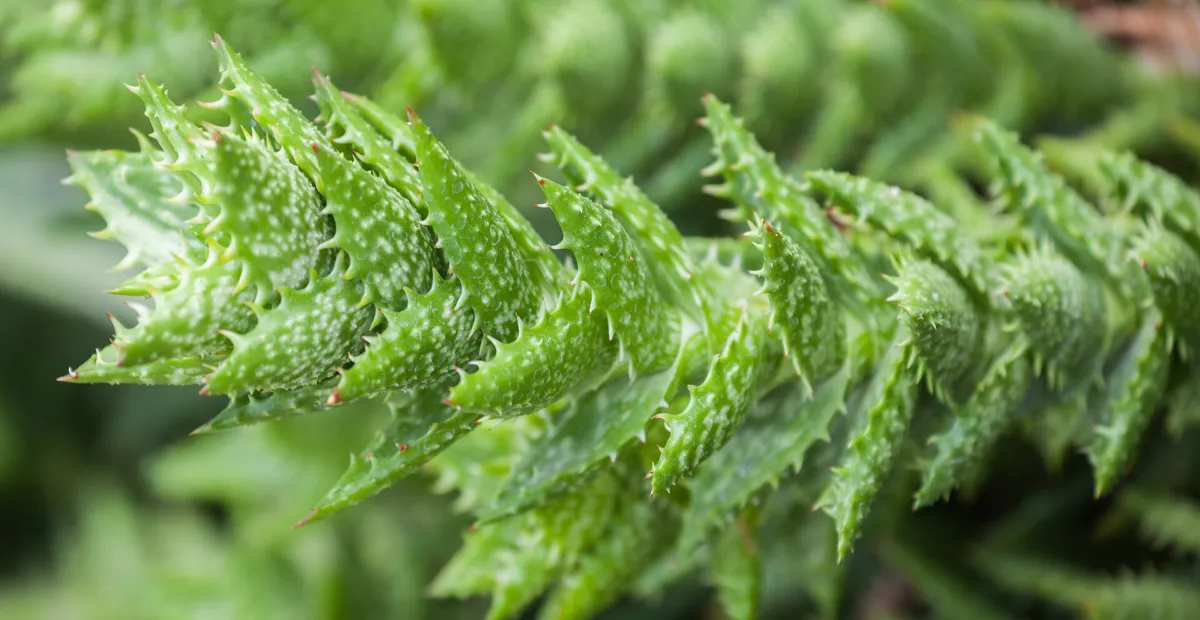
Aloe ‘Juvenna’ is a compact, clumping succulent with upright to arching stems densely covered by triangular green leaves. Creamy-white spotting and prominent marginal teeth give the foliage a distinctive patterned appearance, while strong light may bring reddish or brown tones. This Kenyan aloe is usually grown as a container plant in the United States, where it needs sharply drained soil, careful watering and protection from freezing temperatures.
Taxonomic classification
Aloe ‘Juvenna’ care guide
Light and placement
Give Aloe ‘Juvenna’ a very bright position, such as an unobstructed south-, east- or west-facing window, or filtered outdoor light after gradual acclimation. Strong light encourages compact, colorful growth, although sudden intense sun can scorch leaves. Too little light produces elongated stems, wider spacing and weaker color; excessive sun may cause reddish-brown bronzing or scorch, especially after indoor growth.
Watering and humidity
Water thoroughly only after the potting mix has dried well, then let excess water drain completely. In spring and summer, check the pot regularly but do not keep the roots continuously moist. Reduce watering substantially in winter, particularly in cool rooms. A dry interval is safer than repeated small sips, and water should not remain trapped in the leaf rosettes.
Soil and growing medium
Use a porous cactus or succulent substrate amended with extra pumice, perlite, coarse sand or fine gravel. The container must have an open drainage hole, and a tall, moisture-retentive pot should be avoided. A slightly acidic through slightly alkaline reaction is generally tolerated; structure and rapid drainage matter more than precise pH.
Feeding
Feed during active spring and summer growth with a balanced liquid fertilizer diluted to about one-quarter to one-half of the label rate, used after watering. One or two applications over the season are usually sufficient for a container plant. Do not fertilize newly repotted plants, stressed plants or plants kept cold and nearly dry in winter.
Growth and habit
This aloe branches freely from the base and produces offsets, gradually forming a dense clump. Stems may remain upright when young but arch or trail as they lengthen, making the plant useful in hanging containers and over raised edges. Remove overcrowded offsets only when needed for shaping, airflow or propagation.
Planting and repotting
Use a raised, sharply drained bed only in frost-free regions with suitable winter dryness. In most of the United States, grow it in a container and move it outdoors gradually after cold weather. Set the root ball level with the surrounding medium, keep the crown above the soil and avoid watering immediately if roots were damaged during planting.
Repot in spring when roots have filled the container or the mix has broken down. Move only one pot size larger, use fresh gritty substrate and inspect for rot before replanting. Keep the plant dry for several days after repotting, then resume cautious watering. Heavy top growth may require a broad, stable pot rather than a deep one.
Propagation and pruning
Propagation
Propagate most reliably by separating rooted offsets or by taking stem cuttings during warm, active growth. Allow cut surfaces to callus for several days before placing cuttings in a dry, gritty mix. Keep the medium barely moist until roots form. Division is easiest when the plant is already crowded and the offsets have their own roots.
Pruning
Routine pruning is generally unnecessary. Remove dead or damaged leaves at the base with a clean blade, and cut away spent flower spikes after flowering if desired. When shaping a crowded plant, remove entire offsets rather than repeatedly trimming leaf tips, which leaves unattractive wounds.
Overwintering
Bring containers indoors before nights approach 40°F. Give the plant the brightest available window, keep it away from cold glass and reduce watering while growth slows. Do not place it in a dark, warm room with frequent irrigation. In frost-free climates, outdoor protection from prolonged cold rain is still useful.
Uses
Best used as a container succulent, windowsill specimen, hanging-basket plant or warm-climate rock-garden accent. Its arching stems can trail over a wall or pot rim, and its offsets can create a dense display. It is not included here as a medicinal or edible plant; ingestion should be discouraged because aloe foliage can be harmful.
Appearance
The identifying combination is a compact stem-forming habit, tightly packed triangular leaves, conspicuous pale spotting and strong teeth along the margins. Leaves are green in moderate light and can develop reddish or brown tones under intense sun. The stems are visually segmented by closely overlapping rosettes rather than forming a single trunk.
Flowering
Mature plants can produce an upright, unbranched inflorescence bearing orange-red tubular flowers, with flowering most often reported in mid to late summer in warm climates. Indoor plants may flower irregularly and generally need strong light, seasonal growth and sufficient maturity. Exact flowering timing varies with climate, container conditions and plant age.
Pollination and visitors
The tubular orange-red flowers are consistent with visitation by insects, but reliable sources reviewed did not establish a specific pollinator species or a defensible attraction rating for this exact aloe. The flower visitor field is therefore kept conservative rather than assigning bees, butterflies or birds without direct evidence.
Aloe 'Juvenna' photos
Click any photo for a larger view. Source, author and license are shown separately.
Diseases and pests
Diseases
Root and stem rot are the main risks, usually caused by wet soil, poor drainage or watering during cold conditions. Use a porous mix, a draining container and clean tools. Isolate plants with soft, dark tissue, remove affected material if feasible and allow wounds to dry; severe rot may require retaining only healthy offsets.
Pests
Scale insects and mealybugs may hide between leaves or along stems. Inspect new growth and leaf bases regularly, isolate affected plants and remove small infestations with a cotton swab or water rinse. For persistent infestations, use a labeled horticultural oil or insecticidal soap according to the product directions, avoiding application in hot direct sun.
Related diseases and pests
Only Plant Doctor profiles whose host data indicate this plant may be affected are shown here.
 PestCotton mealybugPhenacoccus solenopsis Tinsley
 DiseaseRhizopus soft rotRhizopus stolonifer
 DiseaseBacterial soft rotPectobacterium carotovorum
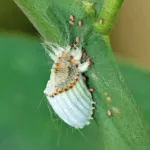 PestCottony Cushion ScaleIcerya purchasi
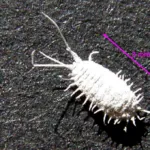 PestObscure mealybugPseudococcus viburni
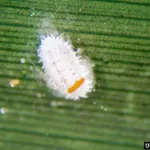 PestCitrus mealybugPlanococcus citri
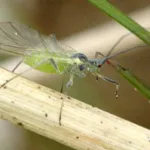 PestGreen Peach AphidMyzus persicae
Toxicity and pollen
Exact toxicity data for Aloe ‘Juvenna’ are limited, but recognized horticultural and veterinary references identify aloe plants as harmful or toxic when eaten, with anthraquinone-containing latex associated with gastrointestinal upset. Treat sap and leaf tissue as irritants, keep the plant away from children and pets, wear gloves when handling damaged leaves and seek medical or veterinary advice after ingestion.
- Typical season
- Summer when flowering
- Pollination / pollen
- Pollen released from insect-visited flowers
Aloe ‘Juvenna’ produces pollen only when it flowers. Its showy tubular flowers are primarily associated with animal visitation, so pollen is not expected to disperse like wind-pollinated grass or tree pollen. Nevertheless, sensitive people should avoid handling flowers and should not assume that insect pollination eliminates all allergy possibility.
Native habitat
Available botanical records place Aloe juvenna in Kenya, with some garden references extending the range to Tanzania. It is associated with warm African succulent conditions and is described as occurring in rocky settings. Fast drainage, bright light and a pronounced dry interval reflect those ecological conditions, while freezing winters explain its container culture in most of the United States.
Interesting fact
The plant was historically widespread in cultivation before its wild origin was clearly established. Its dense, tooth-edged leaves are arranged along branching stems rather than forming only one ground-level rosette. Strong light can change the foliage from green toward reddish or brown tones. It is often confused in horticultural trade with other small, spotted aloes.
Frequently asked questions (FAQ)
The most relevant questions about this plant, with short and direct answers.
🌱Quick care
How do you care for Aloe 'Juvenna' indoors?⌄
Give Aloe 'Juvenna' bright filtered light to several hours of direct sun, water thoroughly only after the potting mix dries, and use a fast-draining succulent mix. Keep it away from freezing temperatures and containers without drainage holes.
How often should you water Aloe 'Juvenna'?⌄
Water Aloe 'Juvenna' when the potting mix is completely dry, which may be every 2–4 weeks indoors depending on light, temperature, and pot size. Water less often during winter or low-light periods.
How much light does Aloe 'Juvenna' need?⌄
Aloe 'Juvenna' grows best in bright filtered light to full sun. Acclimate it gradually to strong outdoor sun to reduce the risk of leaf scorch.
Is Aloe 'Juvenna' easy to grow?⌄
Yes, Aloe 'Juvenna' is generally easy to grow because it tolerates dry conditions and produces offsets readily. The main risks are overwatering, poor drainage, and freezing temperatures.
🌤️Environment and placement
Can Aloe 'Juvenna' grow indoors?⌄
Yes, Aloe 'Juvenna' grows well indoors beside a bright south-, east-, or west-facing window. Rotate the pot periodically if the stems lean toward the light.
Can Aloe 'Juvenna' grow outside in the United States?⌄
Aloe 'Juvenna' can grow outdoors year-round only in frost-free parts of the United States. In colder USDA zones, grow it in a container and bring it indoors before temperatures approach freezing.
What temperature is too cold for Aloe 'Juvenna'?⌄
Protect Aloe 'Juvenna' from freezing temperatures because frost can cause severe damage or kill the plant. Move containers indoors before the first freeze and avoid leaving the plant against a cold window.
Can Aloe 'Juvenna' take full sun?⌄
Yes, established Aloe 'Juvenna' can tolerate full sun, especially outdoors, but it should be acclimated gradually. Intense afternoon sun may bronze or scorch leaves when the plant has been grown in shade.
Does Aloe 'Juvenna' need high humidity?⌄
No, Aloe 'Juvenna' does not require high humidity and usually prefers dry, well-ventilated conditions. Avoid placing it in a constantly damp bathroom or near humidifiers.
💧Care and problems
Why are the leaves of my Aloe 'Juvenna' turning brown?⌄
Brown leaves on Aloe 'Juvenna' commonly result from sun scorch, drought stress, cold injury, or prolonged wet soil. Check the roots and recent light or temperature changes before adjusting watering.
Why is Aloe 'Juvenna' turning bronze or reddish?⌄
Aloe 'Juvenna' may turn bronze or reddish when exposed to strong sunlight, heat, or drought stress. This color change is often normal if the leaves remain firm, but move the plant to brighter filtered light if bleaching or crispy patches develop.
Why is my Aloe 'Juvenna' becoming tall and sparse?⌄
Aloe 'Juvenna' becomes tall, stretched, or sparse when it does not receive enough light. Move it gradually to a much brighter location and prune or re-root healthy stem sections if the plant has become severely leggy.
Why are Aloe 'Juvenna' leaves soft and mushy?⌄
Soft, mushy leaves usually indicate overwatering or root rot in Aloe 'Juvenna'. Remove it from the pot, cut away rotted roots, allow healthy tissue to dry, and replant in fresh gritty mix.
What pests attack Aloe 'Juvenna'?⌄
Mealybugs, scale, and common sap-feeding pests can affect Aloe 'Juvenna', especially indoors. Inspect leaf bases and stems regularly and isolate infested plants while treating the pests with an appropriate labeled product.
🪴Planting and repotting
What soil is best for Aloe 'Juvenna'?⌄
Use a gritty cactus or succulent mix that drains rapidly for Aloe 'Juvenna'. If the mix stays wet for more than a few days, amend it with extra perlite, pumice, or coarse mineral material.
What type of pot is best for Aloe 'Juvenna'?⌄
Choose a pot with a drainage hole that is only slightly larger than the root system, and use terracotta if you tend to overwater. A broad, stable container is useful because mature stems can arch outward and produce offsets.
When should I repot Aloe 'Juvenna'?⌄
Repot Aloe 'Juvenna' in spring or early summer when roots fill the container, drainage slows, or the plant becomes unstable. Let damaged roots dry briefly before placing the plant into fresh, dry succulent mix.
Can Aloe 'Juvenna' grow in the ground?⌄
Yes, Aloe 'Juvenna' can grow in the ground in frost-free areas with sharply draining soil and strong light. Plant it on a slope, raised bed, or other site where rainwater does not remain around the roots.
✂️Propagation and pruning
How do you propagate Aloe 'Juvenna'?⌄
Propagate Aloe 'Juvenna' most reliably by separating offsets or rooting stem cuttings. Let cut surfaces callus for several days, then place them in dry, gritty mix and begin light watering after roots start forming.
Does Aloe 'Juvenna' produce pups?⌄
Yes, Aloe 'Juvenna' produces offsets freely from the base and along branching growth. Separate rooted pups with a clean knife or by hand, allow wounds to dry, and pot them in well-drained mix.
Can you grow Aloe 'Juvenna' from leaf cuttings?⌄
Leaf cuttings are not the preferred method for Aloe 'Juvenna' and commonly fail to produce a new plant. Use rooted offsets or stem cuttings instead.
How do you prune Aloe 'Juvenna'?⌄
Prune Aloe 'Juvenna' by removing dead, damaged, or badly stretched stems with a clean, sharp blade. Healthy cut stems can be allowed to callus and used for propagation.
⚠️Toxicity and safety
Is Aloe 'Juvenna' toxic to cats and dogs?⌄
Yes, Aloe 'Juvenna' is harmful if eaten and should be kept away from cats, dogs, rabbits, and children. Ingestion may cause gastrointestinal upset, so contact a veterinarian or poison-control service if a pet consumes it.
Can you eat Aloe 'Juvenna' or use it like Aloe vera?⌄
No, do not eat Aloe 'Juvenna' or use it as a substitute for Aloe vera. Its sap and plant tissues may be harmful when ingested, and it is best treated as an ornamental succulent only.
🌸Flowering and special interest
Does Aloe 'Juvenna' flower indoors?⌄
Aloe 'Juvenna' can flower indoors, but it is more likely to bloom when mature and grown with strong light, seasonal temperature changes, and appropriate winter dryness. Flowering is not guaranteed in a typical low-light room.
What do Aloe 'Juvenna' flowers look like?⌄
Aloe 'Juvenna' produces upright flower spikes with tubular coral-pink to reddish flowers. Mature, well-lit plants are more likely to bloom than young or heavily shaded specimens.
Similar plants
 Azure Monkshood (Aconitum carmichaelii) care guideAconitum carmichaelii
 Monkshood (Aconitum ‘Stainless Steel’)Aconitum 'Stainless Steel'
 Monkshood (Aconitum ‘Bressingham Spire’)Aconitum 'Bressingham Spire'
 Golden full moon maple (Acer shirasawanum ‘Aureum’)Acer shirasawanum 'Aureum'
 Globosum (Acer platanoides ‘Globosum’)Acer platanoides 'Globosum'
 Striped maple (Acer pensylvanicum) care guideAcer pensylvanicum