
 Source:
 Aloe brevifolia short overview
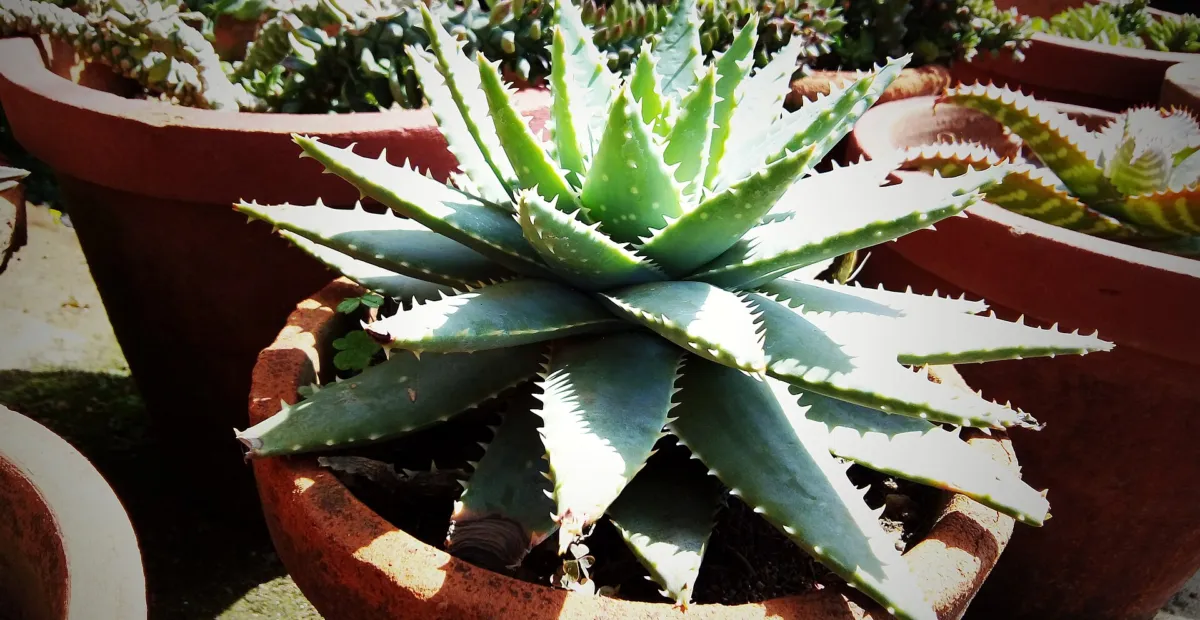
Aloe brevifolia is a compact South African succulent prized for its dense rosettes of short, blue-green leaves edged with small teeth. It forms offsets readily and suits sunny rock gardens, xeriscapes, and containers with sharply drained soil. In cooler parts of the United States, grow it in a pot and protect it from freezing temperatures. Mature plants may produce upright clusters of warm red to orange tubular flowers.
Taxonomic classification
Aloe brevifolia care guide
Light and placement
Give Aloe brevifolia several hours of direct sun, ideally in a south- or west-facing window indoors or an open, unobstructed position outdoors. In very hot climates, provide light afternoon shade to reduce scorch. Insufficient light causes looser rosettes and weaker color; excessive abrupt sun can bleach or brown leaf surfaces, so acclimate container plants gradually.
Watering and humidity
Water thoroughly, then wait until the potting mix is completely dry before watering again. Empty saucers promptly and keep water out of the central rosette. Water somewhat more often during warm, actively growing periods and much less in winter, especially indoors. Humidity does not need to be increased; good airflow is more important than moist air.
Soil and growing medium
Use a porous cactus or succulent mix amended with extra pumice, perlite, coarse sand, or fine gravel. The container must have an unobstructed drainage hole. In outdoor beds, plant on a raised or sloping site where winter rain drains quickly. A gritty mineral structure is preferable to rich, moisture-retentive soil; a mildly acidic to mildly alkaline reaction is generally tolerated.
Feeding
Feed sparingly in spring and summer with a balanced fertilizer diluted to about one-quarter to one-half of the label strength, or use a low-nitrogen succulent fertilizer. Apply only to already-moist soil. Do not fertilize newly repotted plants, stressed plants, or plants kept cool and nearly dry during winter.
Growth and habit
This species gradually forms dense clusters as offsets develop around the parent rosette. Its compact habit makes it useful where a small architectural succulent is wanted. Remove dead lower leaves and separate crowded offsets only when necessary; excessive shade, rich feeding, or frequent watering can produce softer, less compact growth.
Planting and repotting
Plant only after the soil has warmed and freezing weather has passed, unless establishing in a protected frost-free site. Set the crown level with the surrounding soil and do not bury the lower leaves. Water once after planting, then allow the mix or soil to dry substantially before repeating. In wet climates, use a raised bed or container.
Repot in spring when roots fill the container or the mix has broken down. Choose a pot only slightly larger than the root system and replace compacted, moisture-retentive soil with fresh gritty mix. Keep the plant dry for several days after repotting, then resume cautious watering.
Propagation and pruning
Propagation
Offsets are the most practical method: detach a well-rooted offset with a clean knife, let damaged tissue callus briefly, and pot it into dry gritty mix. Start watering lightly after roots begin to establish. Seed propagation is possible but slower and less predictable for routine home production.
Pruning
Pruning is limited to removing completely dry lower leaves and spent flowering stalks. Use clean, sharp tools and allow any fresh cut to dry before watering. Do not routinely cut healthy leaves to reshape the rosette.
Overwintering
Keep outdoors only where freezes are uncommon and brief, with protection from cold rain. In colder US regions, move containers indoors before temperatures approach freezing. Give bright light, excellent airflow, and very little water through winter; avoid placing the pot against a cold window.
Uses
Useful as a specimen or massed succulent in rock gardens, gravel gardens, xeriscapes, dish gardens, and patio containers. It is also suitable for bright indoor culture near a sunny window. It should not be promoted as a culinary or medicinal substitute for Aloe vera; species identity and chemical properties differ.
Appearance
The plant is recognized by tight rosettes of short, triangular, blue-green leaves with small marginal teeth. Leaf surfaces may take on warmer reddish or purplish tones under strong light or drought stress. Mature clumps can carry slender, upright flowering stalks that rise clearly above the foliage.
Flowering
The flowers are tubular and arranged in an upright raceme on a slender stalk. Color is typically described as red to orange, although intensity can vary among plants and conditions. Flowering is associated with the cooler part of the growing cycle in the native range, while cultivated plants may bloom at different times depending on light and temperature.
Pollination and visitors
Aloe flowers provide nectar and pollen resources, and aloe species are visited by animal pollinators. A species-specific visitor record for Aloe brevifolia was not sufficiently confirmed in the sources reviewed, so no narrower pollinator claim is made.
Aloe brevifolia photos
Click any photo for a larger view. Source, author and license are shown separately.
Diseases and pests
Diseases
The main risks are root and crown rots caused by overwatering, poor drainage, or cold wet soil. Use a porous mix, a draining container, and careful winter watering. Soft, darkened leaves or a collapsing base indicate serious rot; isolate the plant, remove damaged tissue, and reroot healthy material only if viable.
Pests
Watch for mealybugs, scale, and occasional aloe mites, especially on stressed indoor plants. Inspect leaf bases and crevices regularly. Remove small infestations with a cotton swab or appropriate horticultural treatment, improve airflow, and avoid unnecessary pesticide use in a flowering display.
Related diseases and pests
Only Plant Doctor profiles whose host data indicate this plant may be affected are shown here.
 Environmental stressOverwatering
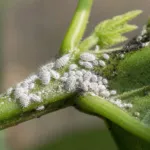 PestCotton mealybugPhenacoccus solenopsis Tinsley
 DiseasePhytophthora cactorum crown, collar, root and fruit rotPhytophthora cactorum
 DiseaseRhizopus soft rotRhizopus stolonifer
 DiseaseBacterial soft rotPectobacterium carotovorum
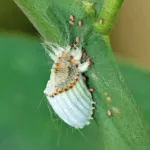 PestCottony Cushion ScaleIcerya purchasi
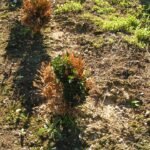 DiseasePhytophthora root and crown rotPhytophthora nicotianae
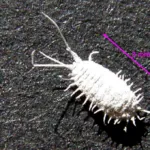 PestObscure mealybugPseudococcus viburni
Toxicity and pollen
Reliable species-specific human toxicity information for Aloe brevifolia was not confirmed. Aloe as a genus includes plants known to contain irritating compounds, and the closely related commonly grown Aloe vera is listed as toxic to dogs and cats by the ASPCA. Treat this species as potentially irritating if eaten, avoid ingestion of leaves or sap, and wash skin after handling damaged tissue.
- Typical season
- During flowering; US timing varies by climate and cultivation.
- Pollination / pollen
- Pollen presented within tubular, nectar-bearing flowers
This is a flowering, insect-pollinated succulent, so its pollen is generally released from flowers rather than dispersed in large quantities by wind. However, species-specific airborne pollen and allergy data were not located. People with known plant allergies should avoid rubbing the eyes after handling flowers and should wash hands after contact.
Native habitat
The species is native to the southwestern Cape of South Africa, where it occurs in a subtropical region characterized by seasonal moisture patterns and dry, well-drained substrates. Its compact succulent form reflects adaptation to periodic drought and exposed, rocky or sandy conditions. Wild populations have been affected by habitat loss and collecting pressure.
Interesting fact
The epithet brevifolia means “short-leaved,” referring to its notably short leaves. It is accepted as a distinct species by Kew’s current taxonomic backbone. The plant can form substantial clumps through offsets despite remaining individually compact. SANBI reports significant historical habitat loss and ongoing illegal removal from the wild.
Frequently asked questions (FAQ)
The most relevant questions about this plant, with short and direct answers.
🌱Quick care
How do you care for Aloe brevifolia?⌄
Give Aloe brevifolia bright light, gritty fast-draining soil, and infrequent deep watering after the soil dries completely. Protect it from freezing temperatures and keep winter watering especially light.
Is Aloe brevifolia easy to grow indoors?⌄
Yes, Aloe brevifolia is generally easy to grow indoors if it receives strong light and is planted in a container with drainage. A sunny window or bright filtered-light location is preferable to a dim room.
🌤️Environment and placement
How much light does Aloe brevifolia need?⌄
Aloe brevifolia grows best in full sun to bright filtered light. Acclimate it gradually when moving it into intense outdoor sun to reduce the risk of sunburn.
Can Aloe brevifolia grow in full sun?⌄
Yes, Aloe brevifolia can grow in full sun when it has excellent drainage and has been acclimated gradually. In very hot climates, some afternoon shade can help prevent scorch.
Can Aloe brevifolia grow in low light?⌄
Aloe brevifolia is unlikely to thrive in low light because it may become stretched, pale, and weak. Move it to the brightest available window or supplement natural light with a grow light.
What temperature can Aloe brevifolia tolerate?⌄
Aloe brevifolia prefers warm, dry conditions and should be protected from freezing temperatures. Container plants should be moved indoors or to a frost-free location before a freeze.
Can Aloe brevifolia survive winter outdoors in the United States?⌄
Aloe brevifolia may survive outdoors year-round only in warm, frost-free parts of the United States with sharply drained soil. In areas with regular freezes, grow it in a container or protect it indoors during winter.
Is Aloe brevifolia drought tolerant?⌄
Yes, Aloe brevifolia is drought tolerant because its fleshy leaves store water. Drought tolerance does not mean it should remain constantly dry during active growth; water thoroughly once the soil has dried.
💧Care and problems
How often should you water Aloe brevifolia?⌄
Water Aloe brevifolia thoroughly only after the potting mix has dried completely. The interval varies with light, temperature, pot size, and season, so soil dryness is more reliable than a fixed schedule.
How do you know when Aloe brevifolia needs water?⌄
Check that the soil is dry throughout the pot before watering Aloe brevifolia. Slightly wrinkled or less-firm leaves can indicate thirst, while translucent, mushy, or collapsing leaves usually indicate excess moisture.
Why are the leaves of my Aloe brevifolia turning brown?⌄
Brown leaves on Aloe brevifolia can result from sunburn, frost damage, prolonged drought, or root problems caused by overwatering. Check the plant’s recent light and temperature changes and inspect the roots if the base is soft.
Why is my Aloe brevifolia turning yellow?⌄
Yellowing leaves on Aloe brevifolia are commonly associated with overwatering, poor drainage, aging lower leaves, or insufficient light. If several leaves yellow and the base feels soft, check immediately for root or crown rot.
Why is Aloe brevifolia becoming soft or mushy?⌄
Soft or mushy Aloe brevifolia usually indicates overwatering, poor drainage, cold wet soil, or rot. Remove the plant from the pot, cut away rotten tissue with a sterile tool, and replant only healthy tissue in dry, gritty mix.
Why is my Aloe brevifolia stretching or leaning?⌄
Aloe brevifolia stretches or leans when it does not receive enough light or when growth is uneven toward a window. Move it gradually to a brighter position and rotate the container periodically.
Does Aloe brevifolia need fertilizer?⌄
Aloe brevifolia needs little fertilizer and can grow well without frequent feeding. If growth is active, apply a diluted cactus or balanced fertilizer sparingly in spring or summer, and avoid feeding dry, dormant, or stressed plants.
What pests attack Aloe brevifolia?⌄
Mealybugs, scale, and aphids can occasionally attack Aloe brevifolia, especially indoors or in crowded conditions. Remove small infestations manually or with a suitable houseplant treatment and improve light and airflow.
🪴Planting and repotting
What soil is best for Aloe brevifolia?⌄
Use a very well-drained gritty succulent or cactus mix for Aloe brevifolia. Adding pumice, perlite, coarse sand, or other mineral material can improve drainage when a commercial mix stays wet too long.
What type of pot is best for Aloe brevifolia?⌄
Choose a pot with drainage holes that is only slightly larger than the root system. Unglazed terracotta can help the mix dry faster, while a wide, stable container suits Aloe brevifolia’s clumping habit.
When should you repot Aloe brevifolia?⌄
Repot Aloe brevifolia in spring or when the soil has become compacted, drainage has declined, roots fill the container, or offsets overcrowd the pot. It usually does not need repotting on a strict annual schedule.
How do you repot Aloe brevifolia?⌄
Repot Aloe brevifolia into dry, gritty mix in a container with drainage, handling the fleshy roots gently. After repotting, wait several days before watering and keep the plant out of harsh direct sun while it recovers.
✂️Propagation and pruning
How do you propagate Aloe brevifolia?⌄
The easiest way to propagate Aloe brevifolia is by separating rooted offsets from the parent clump. Let damaged surfaces callus briefly, plant the offsets in dry gritty mix, and water sparingly until new growth appears.
Can Aloe brevifolia be propagated from leaf cuttings?⌄
Leaf-cutting propagation is unreliable for Aloe brevifolia because individual leaves generally do not produce new plants. Propagation by rooted offsets is the more dependable method, while seed propagation is possible but slower.
When should you separate Aloe brevifolia offsets?⌄
Separate Aloe brevifolia offsets during active growth, preferably in spring or early summer. Choose offsets with several leaves and their own roots, and allow any broken or cut surfaces to dry before planting.
How do you divide an Aloe brevifolia clump?⌄
Remove Aloe brevifolia from its pot, gently separate naturally connected rosettes, and retain as many roots as possible on each division. Replant the divisions in dry, well-drained mix and delay heavy watering until wounds heal.
Should you prune Aloe brevifolia?⌄
Aloe brevifolia needs little pruning beyond removing dead, damaged, or dried leaves and spent flower stalks. Cut close to the base with a clean tool without damaging healthy leaves or the central growing point.
⚠️Toxicity and safety
Is Aloe brevifolia toxic to cats and dogs?⌄
The toxicity of Aloe brevifolia specifically is not well established, so do not allow cats or dogs to chew it. Aloe sap and related aloe species can cause irritation or digestive upset, and veterinary advice is appropriate after ingestion.
Is Aloe brevifolia safe for humans to eat or use medicinally?⌄
Do not eat or use Aloe brevifolia medicinally because species-specific safety and toxicity are not well established. It should not be treated as Aloe vera, and sap may irritate sensitive skin.
Can Aloe brevifolia cause skin irritation?⌄
Aloe brevifolia may irritate sensitive skin, although species-specific toxicity is not well established. Wear gloves when cutting or dividing it and wash exposed skin with soap and water.
🌸Flowering and special interest
Does Aloe brevifolia flower?⌄
Yes, mature Aloe brevifolia can produce tall flower spikes with reddish-orange to orange tubular flowers. Strong light, a well-established plant, and suitable seasonal conditions encourage flowering.
When does Aloe brevifolia bloom?⌄
Aloe brevifolia commonly blooms from late spring into early summer in cultivation, although timing varies by climate and growing conditions. In its native region, flowering is often reported around November.
Why is my Aloe brevifolia not flowering?⌄
Aloe brevifolia may fail to flower when it is immature, kept in insufficient light, overwatered, overfertilized, or stressed by poor conditions. Provide brighter light, excellent drainage, and a pronounced dry rest during cooler months.
Similar plants
 Azure Monkshood (Aconitum carmichaelii) care guideAconitum carmichaelii
 Monkshood (Aconitum ‘Stainless Steel’)Aconitum 'Stainless Steel'
 Monkshood (Aconitum ‘Bressingham Spire’)Aconitum 'Bressingham Spire'
 Golden full moon maple (Acer shirasawanum ‘Aureum’)Acer shirasawanum 'Aureum'
 Globosum (Acer platanoides ‘Globosum’)Acer platanoides 'Globosum'
 Striped maple (Acer pensylvanicum) care guideAcer pensylvanicum