
 Source:
 Aging chive (Allium senescens) short overview
Aging chive is a compact, hardy ornamental allium valued for its unusual blue-green, softly twisted foliage and rounded clusters of lilac-pink flowers in late summer. This rhizomatous perennial forms tidy clumps and performs best in full sun with sharply drained soil. Once established, it tolerates dry conditions and fits naturally into rock gardens, front-of-border plantings, edging, containers and pollinator-friendly perennial beds. Its onion-scented foliage is ornamental and potentially edible, but it is not generally grown as a culinary staple.
Taxonomic classification
Aging chive (Allium senescens) care guide
Light and placement
Give the plant full sun, ideally with at least 6 hours of direct light and good air movement. A site facing south or west is suitable if drainage is sharp; in hot climates, light afternoon shade is acceptable. Sparse flowering and floppy growth usually indicate insufficient light, while scorched foliage can signal reflected heat combined with drought.
Watering and humidity
Water deeply when the top few inches of soil dry during the first growing season, then allow the soil to dry between waterings. Established plants need only occasional irrigation during prolonged drought. Reduce watering in fall and winter, and never leave containers standing in saucers of water. Humidity is not usually a special requirement.
Soil and growing medium
Use lean to moderately fertile soil that drains freely after rain. Sandy loam, gravelly soil and ordinary loam amended with grit are suitable; heavy clay should be raised or amended for drainage. A near-neutral to slightly alkaline reaction is generally suitable. Avoid persistently wet ground, especially during winter dormancy.
Feeding
A yearly spring application of compost or a balanced, slow-release perennial fertilizer is usually sufficient in average soil. Use a light rate rather than heavy nitrogen, which can produce lush foliage with weaker flowering. Do not fertilize drought-stressed, waterlogged or dormant plants, and stop routine feeding by late summer.
Growth and habit
A cool-season perennial that emerges into a dense clump, flowers on separate upright stems and usually remains visually useful after bloom if seedheads are retained. Short rhizomes can gradually enlarge the clump and may allow limited spread. Divide when crowded or when the center becomes thin.
Planting and repotting
Plant nursery divisions or container plants in spring or early fall. Set the crown at soil level and space plants about 8–12 inches apart, allowing room for clump development and airflow. Water thoroughly after planting, then reduce irrigation as roots establish. Fall planting is useful in regions with cool winters, but avoid waterlogged sites.
Repot container-grown plants in early spring or fall when the clump has filled its pot. Use a gritty, well-drained mix and a container with generous drainage holes. Move only one pot size larger, keeping the crown at the same level and avoiding prolonged saturation after transplanting.
Propagation and pruning
Propagation
Divide established clumps in early spring or fall by separating rhizomatous sections with healthy roots and shoots. Seed is possible, but seedlings may vary in foliage form and flower color and may require a longer establishment period. Plant divisions promptly and keep them evenly moist until rooted.
Pruning
Remove spent flower heads when they fade if a tidier appearance or reduced self-seeding is desired. Leave healthy foliage until it yellows naturally so the plant can replenish reserves. Cut back dead leaves in late fall or early spring, taking care not to injure emerging shoots.
Overwintering
Leave plants outdoors in the ground within their hardiness range. Maintain excellent winter drainage and avoid heavy mulch directly over the crown. In colder marginal areas, use a light, airy mulch after the ground freezes. Container plants are more exposed to root freezing and may need shelter beside an unheated wall or in a cold, protected location.
Uses
Use as an ornamental edging, rock-garden plant, dry-border accent, container perennial or late-season cut flower. The foliage has an onion-like aroma and some references describe Allium senescens as edible, but it is more commonly cultivated ornamentally than for food. Do not make medicinal claims, and do not allow pets to consume it.
Appearance
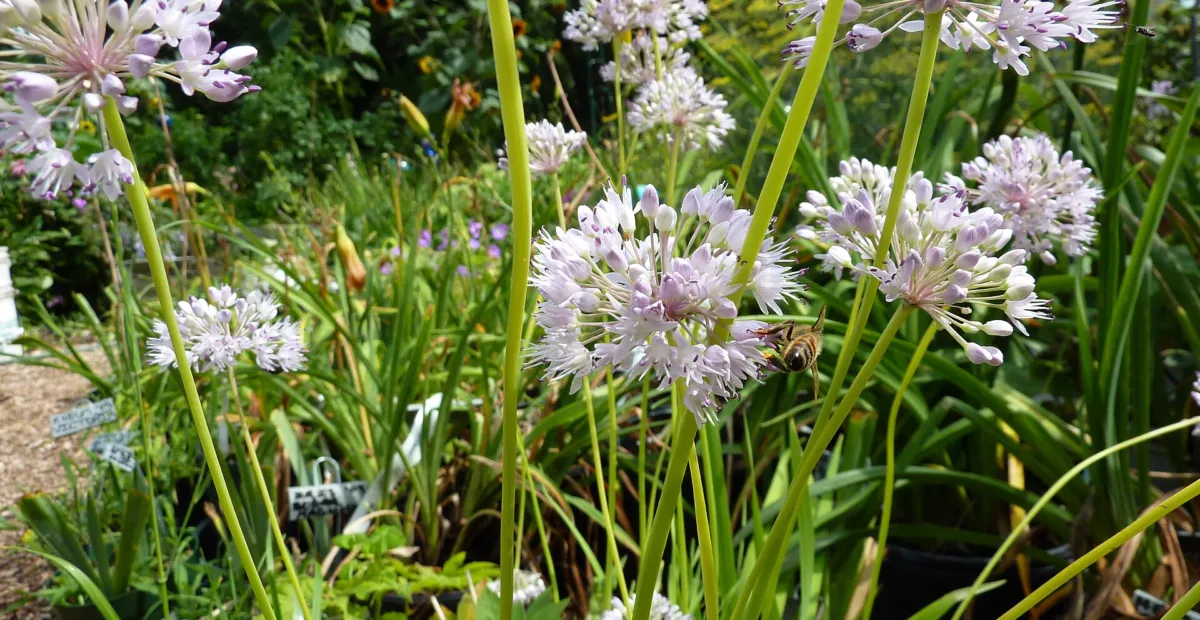
The plant forms a neat clump of broad, flattened, linear leaves that may twist or curl into distinctive loops and cowlick-like forms. Foliage ranges from green to blue-green and releases an onion-like odor when bruised. Upright, leafless flower stems rise above the clump and carry spherical heads of small star-shaped florets.
Flowering
Rounded umbels consist of many small, six-tepaled flowers carried above the foliage on upright stems. The species is typically a late-summer bloomer in U.S. gardens, with flowering often beginning in July or August and continuing into September depending on climate and form. Removing fading umbels can improve appearance and reduce self-seeding.
Pollination and visitors
The small flowers are visited by a range of insect flower visitors, including bees, bumblebees, butterflies and hoverflies. Its late-summer bloom period can provide forage when fewer ornamental perennials are flowering. Specific pollinator species are not sufficiently documented here to assign a named primary species.
Allium senescens photos
Click any photo for a larger view. Source, author and license are shown separately.
Diseases and pests
Diseases
Usually trouble-free when grown in well-drained soil. Excess moisture can encourage bulb or root decay and general decline. Prevent problems by avoiding wet winter sites, improving drainage, removing damaged material and watering at the soil surface rather than keeping foliage constantly wet.
Pests
Generally resistant to deer and usually free of serious pests. Watch for onion fly, thrips or slug damage where these are locally prevalent, especially on stressed plants. Remove badly affected foliage, improve plant vigor and use targeted controls only when damage is substantial.
Related diseases and pests
Only Plant Doctor profiles whose host data indicate this plant may be affected are shown here.
 PestOnion thripsThrips tabaci Lindeman
 PestMelon thripsThrips palmi Karny
 PestChilli thripsScirtothrips dorsalis Hood
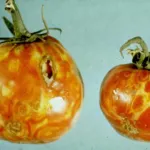 DiseaseTomato spotted wilt virusOrthotospovirus tomatomaculae (tomato spotted wilt virus; TSWV)
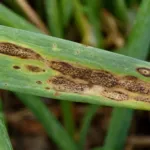 DiseaseStemphylium Leaf BlightStemphylium vesicarium (Wallr.) E.G. Simmons
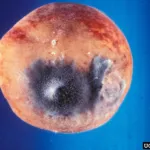 DiseaseRhizopus soft rotRhizopus stolonifer
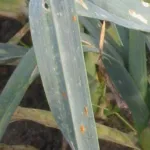 DiseaseAllium rustPuccinia allii
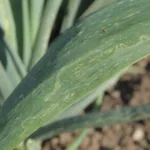 PestAllium leafminerPhytomyza gymnostoma Loew
Toxicity and pollen
Allium species contain sulfur compounds that can cause gastrointestinal upset and red-blood-cell damage when animals ingest sufficient quantities. Species-specific toxicity data for Allium senescens are limited, so keep dogs and cats from eating the foliage, bulbs or flowers. Normal garden contact is not generally considered a poisoning exposure; seek veterinary advice after suspected ingestion.
- Typical season
- Flowering season, usually July through September in the United States
- Pollination / pollen
- Insect-dispersed pollen
This is an insect-pollinated allium, so its pollen is not typically released in large airborne clouds like wind-pollinated grasses or trees. Airborne allergy concern is therefore generally low, but sensitive people may still react to pollen or plant contact during bloom, particularly when handling flowers closely.
Native habitat
In its native range, Allium senescens occurs across temperate regions from Siberia through Mongolia and northern China to Korea. It is associated with open, seasonally dry habitats and generally benefits from mineral, well-drained soils, full light and cold winter dormancy rather than humid, waterlogged conditions.
Interesting fact
The species is a rhizomatous geophyte native from Siberia to Korea. Its leaves are often flattened, twisted or curling rather than cylindrical like many onions. The plant flowers relatively late, extending allium interest after many spring-flowering species have faded. It forms a clump from a weakly developed bulb associated with fleshy rhizomes.
Frequently asked questions (FAQ)
The most relevant questions about this plant, with short and direct answers.
🌱Quick care
What is aging chive (Allium senescens)?⌄
Aging chive is a hardy, clump-forming ornamental allium with narrow, grass-like foliage and rounded pink to purple flower heads. Despite its common name, it is generally grown as an ornamental rather than as a culinary chive.
Is Allium senescens a perennial?⌄
Yes, Allium senescens is a hardy perennial that returns from its bulbous, rhizomatous base each year. It is commonly hardy in USDA Zones 4–8, although performance can vary with the cultivar and local conditions.
How tall does Allium senescens get?⌄
The foliage commonly reaches about 6–12 inches tall, while flowering stems may rise to roughly 24 inches. Compact cultivars can remain shorter and are useful for edging or containers.
Is Allium senescens the same as culinary chives?⌄
No, Allium senescens is a different species from culinary chives, Allium schoenoprasum. Allium senescens has broader, often flattened ornamental foliage and is generally selected for its flowers and form rather than its flavor.
🌤️Environment and placement
How much sun does aging chive need?⌄
Aging chive grows best in full sun, meaning at least six hours of direct sunlight daily. It tolerates light partial shade and may appreciate some afternoon shade in very hot summer climates.
What soil is best for Allium senescens?⌄
Use well-drained sandy, loamy, or gravelly soil for Allium senescens. It tolerates relatively poor soil, but heavy, consistently wet soil can cause bulb or root problems.
Is aging chive deer resistant?⌄
Aging chive is generally considered deer tolerant because its onion-like scent and flavor are unappealing to browsing deer. Deer resistance is not absolute, particularly when other food is scarce.
Can Allium senescens grow in rock gardens?⌄
Yes, Allium senescens is well suited to rock gardens, gravel gardens, sunny borders, and other sites with sharp drainage. Its drought tolerance and compact clumping habit make it especially useful in low-water plantings.
Is aging chive evergreen?⌄
Aging chive may retain foliage through much of a mild winter, but it commonly declines or goes dormant in colder climates. New growth usually returns in spring as temperatures and light improve.
💧Care and problems
How often should I water aging chive?⌄
Water aging chive when the soil has dried somewhat, then allow excess water to drain away. It needs low to moderate moisture and becomes drought tolerant once established, but newly planted divisions need more consistent watering.
Is Allium senescens drought tolerant?⌄
Yes, established Allium senescens is drought tolerant because its bulbous and rhizomatous root system can withstand relatively dry soil. Water it during prolonged drought, especially while it is actively growing or flowering.
Does aging chive need fertilizer?⌄
Aging chive usually needs little fertilizer when planted in reasonably fertile soil. If growth is weak, apply a light balanced fertilizer or a thin layer of compost in spring, avoiding excessive nitrogen.
Why is my Allium senescens turning yellow?⌄
Yellowing can be a normal sign of dormancy after flowering, but it can also result from overwatering or poor drainage. Check the soil before watering and remove damaged foliage only after it has naturally declined.
Does aging chive spread aggressively?⌄
Aging chive can slowly expand through short rhizomes and may self-seed when spent flower heads are allowed to mature. It is usually manageable, but deadheading and occasional division help keep it within its planting area.
🪴Planting and repotting
Can aging chive grow in containers?⌄
Yes, aging chive grows well in containers with drainage holes and a gritty, well-drained potting mix. Choose a pot only slightly larger than the root clump and avoid letting excess water collect around the bulb.
When should I plant aging chive?⌄
Plant aging chive in spring or fall while the soil is workable, using divisions or nursery-grown plants. In colder areas, spring planting gives divisions more time to establish before severe winter conditions.
How deep should I plant Allium senescens bulbs?⌄
Plant Allium senescens bulbs or divided clumps with the bulbs covered by soil and the crown near the surface, following the depth supplied with the plant. Avoid deep planting in heavy soil because poor drainage increases rot risk.
How far apart should I plant aging chive?⌄
Space aging chive about 8–12 inches apart, allowing room for the clumps to widen and for air circulation around the foliage. Use closer spacing when a dense edging is desired, provided the soil drains freely.
✂️Propagation and pruning
How do you propagate Allium senescens?⌄
The most dependable way to propagate Allium senescens is by dividing established clumps in spring or fall. Each division should contain healthy roots and several bulbs or shoots, and should be replanted promptly at the original depth.
Can aging chive be grown from seed?⌄
Yes, aging chive can be grown from seed, but seedlings generally take longer to reach flowering size than divisions. Sow fresh seed in a well-drained medium and expect variation in plant size and foliage among seedlings.
How often should I divide aging chive?⌄
Divide aging chive when clumps become crowded, lose vigor, or begin flowering poorly, often every three to four years. Spring or early fall division is usually most successful when followed by thorough initial watering.
Should I deadhead Allium senescens?⌄
Deadhead Allium senescens after flowering if you want to limit self-seeding and conserve the plant’s energy. Leave the flower heads in place if you prefer their ornamental seed-head appearance and do not mind additional seedlings.
Should I cut back aging chive after flowering?⌄
Cut back spent flower stems to the base after flowering, and remove declining foliage only when it has yellowed naturally. Avoid removing all healthy leaves during the growing season because they help replenish the bulb.
⚠️Toxicity and safety
Can you eat aging chive?⌄
Although Allium senescens has an onion-like smell and taste, it is generally treated as an ornamental plant rather than a culinary herb. Do not eat it unless the plant has been positively identified and grown under conditions appropriate for food use.
Is aging chive toxic to dogs and cats?⌄
Yes, Allium senescens may be harmful to dogs and cats if ingested, as with other Allium plants. Keep pets from eating the foliage, bulbs, or flowers and contact a veterinarian or pet poison service if ingestion occurs.
Is aging chive safe to plant around children?⌄
Aging chive is generally suitable as an ornamental garden plant, but its parts should not be eaten. Teach children not to chew unidentified plant material and keep bulbs and trimmed foliage out of reach.
🌸Flowering and special interest
Why is my aging chive not flowering?⌄
Aging chive may fail to flower when it is too young, crowded, heavily shaded, or stressed by excessive moisture. Give it full sun, well-drained soil, and time to establish before expecting reliable blooms.
When does Allium senescens bloom?⌄
Allium senescens typically blooms in mid to late summer, often from July through August in temperate parts of the United States. Flowering time can shift with the cultivar, latitude, and local weather.
What color are aging chive flowers?⌄
Aging chive produces rounded flower clusters in shades ranging from pale pink to lavender or purple. The flower heads rise above the foliage on upright, usually leafless stems.
Does aging chive attract pollinators?⌄
Yes, the rounded flowers of aging chive can attract bees and other flower-visiting insects during summer. Growing it in full sun and avoiding insecticide applications while it is blooming helps preserve that benefit.
Similar plants
 Azure Monkshood (Aconitum carmichaelii) care guideAconitum carmichaelii
 Monkshood (Aconitum ‘Stainless Steel’)Aconitum 'Stainless Steel'
 Monkshood (Aconitum ‘Bressingham Spire’)Aconitum 'Bressingham Spire'
 Golden full moon maple (Acer shirasawanum ‘Aureum’)Acer shirasawanum 'Aureum'
 Globosum (Acer platanoides ‘Globosum’)Acer platanoides 'Globosum'
 Striped maple (Acer pensylvanicum) care guideAcer pensylvanicum