
 Source:
 Yellow Garlic (Allium moly) short overview
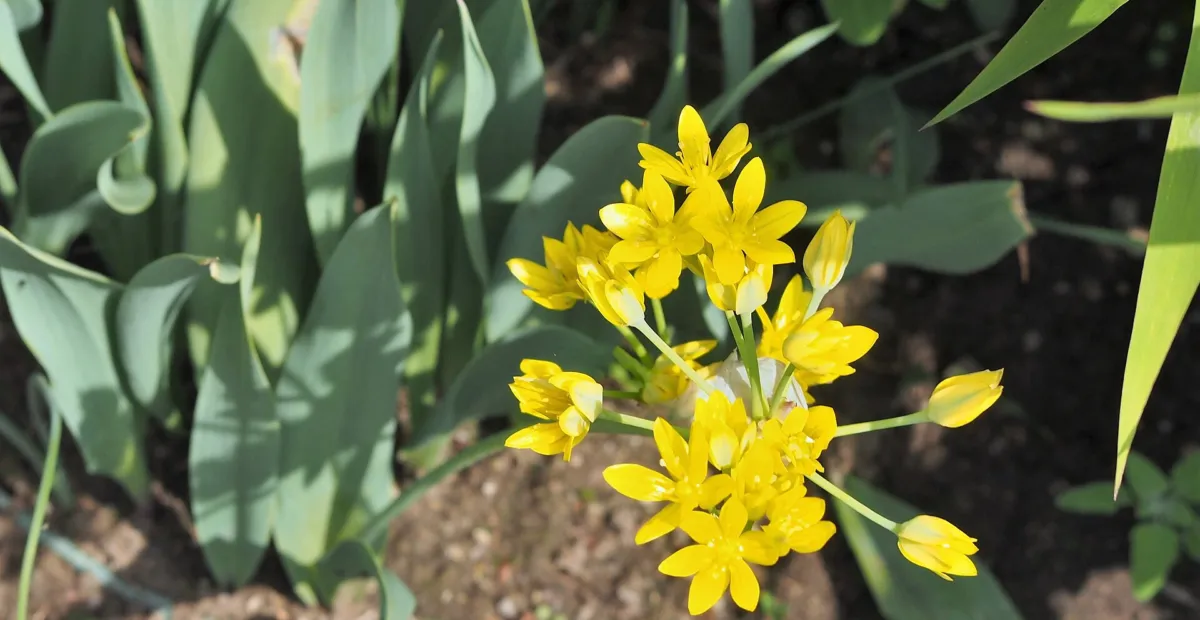
Yellow garlic is a compact bulbous perennial valued for its cheerful, star-shaped yellow flowers and tidy spring display. Native to southern and southwestern Europe, it grows well in sunny borders, rock gardens, containers, and naturalized plantings across much of the United States. Blue-green basal leaves emerge before the leafless flower stems, and established clumps can spread gradually through offsets and self-seeding.
Taxonomic classification
Yellow Garlic (Allium moly) care guide
Light and placement
Grow Yellow Garlic in full sun for the strongest flowering, ideally with at least 6 hours of direct light. In hot climates, light afternoon shade can reduce stress without greatly reducing bloom. Morning sun with open western exposure is suitable, while dense shade produces floppy growth and fewer flowers. Scorching, bleached foliage can indicate excessive reflected heat or drought rather than excessive light alone.
Watering and humidity
Water after planting and during the first growing season whenever the upper few inches of soil become dry. Once established, provide moderate water during active spring growth, then reduce watering as the foliage yellows and becomes dormant. Avoid saturated soil, especially in summer dormancy. Average garden humidity is adequate, and misting is unnecessary.
Soil and growing medium
Use loose, well-drained soil that does not remain waterlogged around the bulbs. Sandy loam enriched with a modest amount of compost is suitable, but avoid heavy, poorly drained clay unless it is amended with coarse organic matter and planted on a raised or sloping site. The species tolerates a broad pH range from slightly acidic through slightly alkaline.
Feeding
In ordinary fertile garden soil, Yellow Garlic needs little fertilizer. Apply a thin layer of compost in fall or early spring, or use a balanced slow-release bulb fertilizer at label rate as growth begins. Do not overfeed with high-nitrogen fertilizer, which can encourage soft foliage at the expense of sturdy flowering. Stop feeding once the foliage begins to die back.
Growth and habit
This species forms slowly enlarging clumps of bulbs and may naturalize through offsets and self-sown seedlings. Flowering stems rise above the basal foliage and remain relatively open. Allowing foliage to mature naturally helps replenish the bulbs; remove spent flower heads if you want to limit spread or preserve a tidier appearance.
Planting and repotting
Plant firm bulbs in fall with the pointed growing tip upward, at roughly three times the bulb’s height or about 3–5 inches deep. Choose a site with good drainage and full sun to light afternoon shade. Water after planting to settle the soil, then keep the bed only moderately moist until winter. Grouping bulbs in drifts gives a fuller display and supports naturalization.
Container-grown bulbs can remain in place for several years if drainage is excellent and the pot is not overcrowded. Repot or divide during summer dormancy or in early fall, using fresh, gritty, well-drained potting mix. Avoid keeping dormant bulbs in persistently wet compost.
Propagation and pruning
Propagation
Divide established clumps or separate offsets when the foliage has died back or during the dormant season. Seeds can be sown when fresh, but seedlings may take several seasons to reach flowering size and may not produce identical garden forms. Bulb offsets are the quickest practical method for increasing a true species planting.
Pruning
Remove spent flower heads after flowering if self-seeding is unwanted. Leave the foliage in place until it yellows naturally, because the leaves replenish the bulb for the following season. Once fully dormant, remove dead foliage for tidiness.
Overwintering
The species is cold hardy when planted at the correct depth in well-drained soil. In colder regions, a light mulch after the ground freezes can reduce temperature fluctuations, but avoid heavy, wet mulch directly over the bulbs. Containers are more exposed to freezing and may need shelter in an unheated garage or protected location.
Uses
Useful for rock gardens, sunny border fronts, cottage gardens, containers, naturalized drifts, and small cut-flower arrangements. Its compact habit suits the front of a perennial bed. Although some Allium species are edible, this plant is generally grown as an ornamental and should not be eaten unless its identity and intended culinary use are confirmed from a reliable source.
Appearance
The plant has flat, somewhat tulip-like blue-green basal leaves that commonly emerge in pairs. Leafless green flower stems carry loose umbels of bright yellow, six-parted, star-shaped flowers. Bruised or cut foliage and bulbs have an onion-like odor, a useful identification clue shared with many Allium species.
Flowering
Flowering occurs in late spring on upright, leafless stems. Numerous small yellow flowers form loose umbels rather than the dense spherical heads seen in some taller ornamental alliums. Bloom is most reliable when bulbs receive good light, remain well drained, and are allowed to complete their spring growth before dormancy.
Pollination and visitors
The open umbels provide accessible nectar and pollen for visiting insects. Allium flowers are commonly visited by bees, bumblebees, hoverflies, and other insects; butterflies may also visit open yellow umbels. Species-specific visitor records for A. moly are limited, so the visitor list is based on documented Allium pollination and horticultural observations rather than a claim of one exclusive pollinator.
Allium moly photos
Click any photo for a larger view. Source, author and license are shown separately.
Diseases and pests
Diseases
Serious disease problems are not usually reported. The main risk is bulb or root rot in waterlogged soil. Prevent problems with sharp drainage, clean planting stock, adequate spacing, and removal of collapsing or diseased material. Avoid overhead watering when foliage remains wet for long periods.
Pests
Allium foliage and bulbs are generally unattractive to deer and rabbits, but bulbs can still be affected by general bulb pests such as onion fly larvae, thrips, or mites in some regions. Inspect for distorted leaves, silvery feeding scars, or soft bulbs. Use healthy bulbs, avoid planting in contaminated beds, and remove severely affected material rather than applying broad pesticides unnecessarily.
Related diseases and pests
Only Plant Doctor profiles whose host data indicate this plant may be affected are shown here.
 PestOnion thripsThrips tabaci Lindeman
 PestMelon thripsThrips palmi Karny
 PestChilli thripsScirtothrips dorsalis Hood
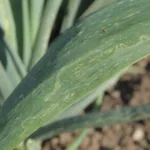 PestAllium leafminerPhytomyza gymnostoma Loew
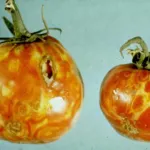 DiseaseTomato spotted wilt virusOrthotospovirus tomatomaculae (tomato spotted wilt virus; TSWV)
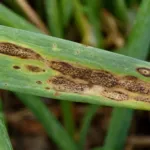 DiseaseStemphylium Leaf BlightStemphylium vesicarium (Wallr.) E.G. Simmons
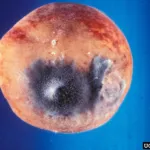 DiseaseRhizopus soft rotRhizopus stolonifer
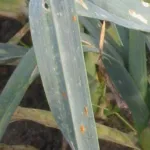 DiseaseAllium rustPuccinia allii
Toxicity and pollen
Allium plants contain sulfur compounds that can damage red blood cells in dogs and cats when sufficient plant material is consumed. Species-specific clinical data for A. moly are limited, and ornamental bulbs are not recommended as food. Prevent pets and children from chewing bulbs, leaves, or flowers; contact a veterinarian or poison service promptly after a substantial ingestion or if weakness, vomiting, pale gums, or dark urine develops.
- Typical season
- Typically May–June outdoors in much of the United States
- Pollination / pollen
- Exposed, insect-carried pollen released from the anthers
The flowers produce pollen, but the species is insect-pollinated and does not normally release large clouds of pollen into the air like wind-pollinated trees or grasses. Airborne exposure is therefore expected to be relatively low, although sensitive people can still react to pollen or plant contact. Avoid handling flowers closely if a personal allergy is known.
Native habitat
In its native range, Yellow Garlic occurs in temperate Mediterranean and southwestern European settings, including open grassy places, rocky ground, woodland margins, and well-drained soils. It is adapted to a spring-growing cycle followed by summer dormancy, making drainage especially important during the warmer resting period.
Interesting fact
The accepted species is a bulbous geophyte in the amaryllis family. Its species name is linked historically with the classical name moly, although the identity of Homer’s moly remains uncertain. The plant can form new bulbs and seedlings, allowing small plantings to become broad drifts under favorable garden conditions.
Frequently asked questions (FAQ)
The most relevant questions about this plant, with short and direct answers.
🌱Quick care
What is Yellow Garlic (Allium moly)?⌄
Yellow Garlic (Allium moly) is a low-growing, bulbous perennial in the Amaryllidaceae family, grown for clusters of bright yellow, star-shaped flowers. It is an ornamental allium rather than a culinary garlic crop.
Is Allium moly perennial?⌄
Yes, Allium moly is a cold-hardy, herbaceous bulb perennial. It returns each year and can gradually form larger colonies through offsets and self-seeding.
Does Yellow Garlic smell like garlic?⌄
Yes, bruised or cut Allium moly foliage and other plant parts typically release an onion or garlic-like odor. The scent is an identifying feature, but it should not be used to judge whether an unfamiliar plant is safe to eat.
🌤️Environment and placement
What USDA hardiness zones can grow Yellow Garlic?⌄
Yellow Garlic is generally hardy in USDA Zones 3 through 9. In warmer regions, afternoon shade can help protect it from intense summer heat.
How much sun does Allium moly need?⌄
Allium moly grows best in full sun, meaning at least 6 hours of direct light daily, but it also tolerates partial shade. Flowering is usually strongest with more sun.
Can Yellow Garlic grow in partial shade?⌄
Yes, Yellow Garlic can grow in partial shade, especially where summers are hot. Too much shade may produce weaker growth and fewer flowers.
What soil is best for Allium moly?⌄
Allium moly prefers fertile, well-drained soil, especially sandy loam. It tolerates several soil types, but consistently wet or poorly drained soil can cause bulb problems.
💧Care and problems
How much water does Allium moly need?⌄
Water Allium moly moderately while it is actively growing, allowing the soil to drain between waterings. Once established and after flowering, it tolerates relatively dry conditions.
Is Yellow Garlic drought tolerant?⌄
Yes, established Yellow Garlic is drought tolerant, particularly after flowering. Provide supplemental water during prolonged drought while the plant is actively growing, but avoid constantly wet soil.
Should I deadhead Yellow Garlic?⌄
Deadhead Yellow Garlic after flowering if you want to reduce self-seeding and keep the planting more controlled. Leave the foliage in place until it naturally yellows so the bulbs can replenish their energy.
Is Yellow Garlic deer resistant?⌄
Yes, Yellow Garlic is generally resistant to browsing by deer and rabbits. Resistance is not absolute, particularly when other food is scarce.
What problems affect Allium moly?⌄
Allium moly has few serious pest or disease problems when grown in well-drained soil. Excess moisture can contribute to bulb rot, white rot, mildew, or other fungal issues, and alliums may occasionally attract leaf miners or onion flies.
Should I cut back Yellow Garlic after it flowers?⌄
Remove spent flower stems after flowering if desired, but do not cut healthy leaves until they yellow and wither naturally. The foliage helps restore energy to the bulbs for the following year.
🪴Planting and repotting
Can I grow Yellow Garlic in clay soil?⌄
You can grow Yellow Garlic in clay soil if drainage is improved. Incorporate organic matter and consider a raised bed or container if the soil remains waterlogged during winter.
When should I plant Allium moly bulbs?⌄
Plant Allium moly bulbs in fall so they can establish roots before winter. In the United States, the ideal timing varies by climate, but planting before the ground freezes is generally suitable.
How deep should Yellow Garlic bulbs be planted?⌄
Plant Yellow Garlic bulbs about 5 inches deep, with the pointed end facing upward. Space them approximately 2 to 3 inches apart for a dense display or farther apart if you want room for natural spreading.
Can Allium moly be grown in containers?⌄
Yes, Allium moly grows well in containers filled with gritty, well-drained potting mix. Containers are particularly useful where garden soil is heavy clay or stays wet in winter.
How far apart should I plant Yellow Garlic bulbs?⌄
Space Yellow Garlic bulbs about 2 to 3 inches apart for a quick-filling group planting. Wider spacing is also acceptable because the bulbs form offsets over time.
✂️Propagation and pruning
Does Allium moly spread?⌄
Yes, Allium moly spreads by bulb offsets and readily by seed. It is not generally considered overly aggressive, but it can colonize an area quickly under favorable conditions.
How do I propagate Yellow Garlic?⌄
The easiest way to propagate Yellow Garlic is by dividing bulb clumps and replanting the offsets. Seed propagation is also possible, but seedlings may take longer to reach flowering size.
When should I divide Allium moly?⌄
Divide Allium moly clumps in spring when the plants are actively growing and can be identified easily. Replant the offsets promptly at the same approximate depth as the original bulbs.
Can Allium moly be grown from seed?⌄
Yes, Allium moly can be grown from seed, although seed-grown plants may take longer to mature and flower than offsets. Sow fresh seed in containers when ripe or in spring, using well-drained soil.
⚠️Toxicity and safety
Is Allium moly edible?⌄
Although some references list the leaves, bulbs, or bulblets as edible, Allium moly is also documented as having poisonous characteristics and is generally treated as a non-edible ornamental. Do not eat it or use it as a food plant without authoritative species-specific medical or botanical guidance.
Is Yellow Garlic toxic to dogs and cats?⌄
Yellow Garlic should be treated as potentially toxic to dogs, cats, and other animals because it belongs to the Allium genus. Ingestion can cause gastrointestinal upset and, with sufficient exposure, damage to red blood cells.
Which parts of Allium moly are toxic?⌄
Potential toxicity may involve the bulbs, leaves, flowers, and other plant material, with bulbs often presenting the greatest concern because pets may dig them up. Keep all parts away from children and animals and seek professional advice after ingestion.
What should I do if my pet eats Yellow Garlic?⌄
Contact your veterinarian or a U.S. animal poison-control service promptly if a pet eats Yellow Garlic. Do not wait for symptoms, which can be delayed and may include vomiting, weakness, pale gums, rapid breathing, or dark urine.
🌸Flowering and special interest
When does Allium moly bloom?⌄
Allium moly usually blooms in late spring to early summer, commonly around May and June in temperate parts of the United States. Bloom timing varies with climate and growing conditions.
What do Allium moly flowers look like?⌄
Allium moly produces loose clusters of small, bright yellow, six-parted, star-shaped flowers on mostly leafless stems. Individual flowers are typically about one-half inch wide.
How tall does Yellow Garlic get?⌄
Yellow Garlic typically grows about 10 to 18 inches tall and roughly 10 to 12 inches wide. Its narrow blue-green basal leaves usually appear before the flower stalks.
Does Allium moly attract pollinators?⌄
Yes, the yellow flowers of Allium moly attract butterflies and other flower-visiting insects. Planting several bulbs together creates a more visible and useful pollinator display.
Why is my Allium moly not flowering?⌄
Allium moly may fail to flower because of insufficient sunlight, immature bulbs, excessive moisture, or foliage being removed too early the previous year. Move crowded or shaded plants to brighter, better-drained conditions and allow the leaves to die back naturally.
Similar plants
 Azure Monkshood (Aconitum carmichaelii) care guideAconitum carmichaelii
 Monkshood (Aconitum ‘Stainless Steel’)Aconitum 'Stainless Steel'
 Monkshood (Aconitum ‘Bressingham Spire’)Aconitum 'Bressingham Spire'
 Golden full moon maple (Acer shirasawanum ‘Aureum’)Acer shirasawanum 'Aureum'
 Globosum (Acer platanoides ‘Globosum’)Acer platanoides 'Globosum'
 Striped maple (Acer pensylvanicum) care guideAcer pensylvanicum