
 Source:
 Gladiator onion (Allium ‘Gladiator’) short overview
Allium 'Gladiator' is a dramatic bulbous perennial grown for its tall, sturdy stems and large, rounded heads of lavender-purple flowers. The foliage emerges in spring and often fades as flowering begins, leaving the architectural blooms prominent above the border. Plant bulbs in full sun and sharply drained soil, where established clumps provide reliable late-spring to early-summer color and valuable nectar for bees and butterflies.
Taxonomic classification
Gladiator onion (Allium ‘Gladiator’) care guide
Light and placement
Give full sun, ideally in a south- or west-facing border with open overhead exposure and some shelter from strong winds. Strong light supports sturdy stems and flowering. Too little light can produce weaker, floppier growth and fewer flowers; excessive heat is usually tolerated if the soil drains freely and bulbs are not kept constantly wet.
Watering and humidity
Water newly planted bulbs after planting, then keep soil lightly and evenly moist while roots establish. During active spring growth, water when the upper few inches of soil begin to dry; reduce watering after flowering as foliage dies back. Established plants tolerate short dry periods, but winter saturation is more damaging than ordinary summer dryness.
Soil and growing medium
Use fertile, moderately drained soil that does not remain waterlogged in winter. Loam or sandy loam is suitable, and raised beds or containers help where heavy clay holds excess moisture. Published horticultural guidance allows a broad pH range, from acidic through alkaline, so drainage and structure are more important than precise pH adjustment.
Feeding
Incorporate a modest amount of finished compost before planting. If soil is poor, apply a balanced bulb fertilizer at planting or as growth begins in spring, following the product label rather than overfeeding. Stop nitrogen-rich feeding once flowering is approaching, since excessive lush growth can weaken the display and increase lodging.
Growth and habit
This clump-forming bulb produces a spring rosette of strap-shaped leaves followed by tall, upright flowering stems. Leaves commonly yellow and decline as the flower stems develop, so pairing it with later-emerging perennials can conceal the seasonal foliage gap. Mature clumps may expand through offsets and occasional seedlings.
Planting and repotting
Plant bulbs in fall, after summer heat has passed and before the ground freezes. Set them about 6–8 inches deep, measured from the bulb base, in groups for stronger visual impact. Allow roughly 6–9 inches between bulbs, or space more widely where naturalizing and clump expansion are desired.
Container-grown bulbs can remain in place for several seasons if drainage stays good. Repot or divide congested clumps during dormancy, after the foliage has died back, using fresh free-draining potting mix and a container with generous drainage holes.
Propagation and pruning
Propagation
Divide established clumps or separate offsets during dormancy, preferably after foliage has naturally died back. Seed propagation is possible but is slower and may not produce plants identical to the named cultivar. For dependable cultivar maintenance, use division or offsets from a verified stock plant.
Pruning
Do not cut the foliage while it is still green; allow it to yellow naturally so the bulb can replenish reserves. Remove spent flowerheads when a tidy appearance is preferred, or leave them standing for dried texture and seedhead interest. Cut remaining stems and dead foliage back after they have fully dried.
Overwintering
Leave bulbs outdoors in the ground in suitable USDA Zones 4–8 sites. The key winter requirement is drainage, not warmth. In colder exposed locations, apply a light mulch after the ground cools, but avoid heavy, moisture-trapping mulch directly over poorly drained soil. Containers are more vulnerable to deep freezing and should be sheltered or insulated.
Uses
Use in sunny borders, formal or naturalistic bulb groups, pollinator gardens, and large containers. The long stems are useful as fresh or dried cut flowers, and the persistent seedheads add winter structure. Do not use it as a culinary onion or garlic substitute; ornamental planting material is not sold or selected for food use.
Appearance
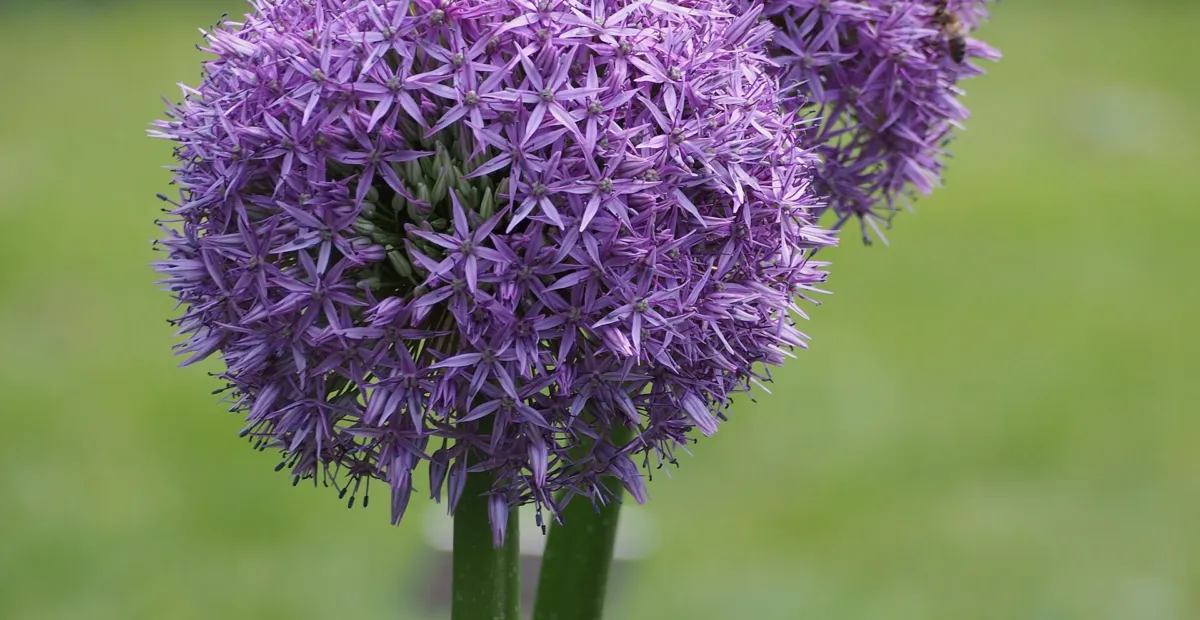
The plant forms a basal clump of long, strap-shaped blue-green to gray-green leaves. Tall, smooth, upright stems carry large, nearly spherical flowerheads made of numerous small four- to six-pointed florets in lavender-purple tones. Foliage often fades around bloom, leaving the geometric umbels visually dominant.
Flowering
Dense, rounded umbels of many small, star-shaped lavender-purple florets rise on strong, straight stems in late spring to early summer. The spherical heads can reach about 6–8 inches across. Individual florets open across the head, creating a long-lasting display, and the dried seedheads remain ornamental after bloom.
Pollination and visitors
The open florets in the rounded umbels provide accessible nectar and pollen for bees, bumblebees, and butterflies. The cultivar is repeatedly described in horticultural references as attractive to pollinators, especially during its late-spring to early-summer flowering period.
Allium 'Gladiator' photos
Click any photo for a larger view. Source, author and license are shown separately.
Diseases and pests
Diseases
The main risks are rot in persistently wet soil and occasional fungal leaf problems. Prevent trouble with excellent drainage, adequate spacing, clean-up of declining foliage, and avoidance of overhead irrigation. Remove badly affected plant tissue; improve drainage before considering any treatment.
Pests
Onion thrips, bulb mites, and allium leaf-mining pests may occur, though serious problems are uncommon in well-managed plantings. Inspect new growth and bulbs, avoid planting in chronically wet or contaminated soil, remove infested debris, and rotate vulnerable bulb plantings where pests recur.
Related diseases and pests
Only Plant Doctor profiles whose host data indicate this plant may be affected are shown here.
 PestOnion thripsThrips tabaci Lindeman
 PestMelon thripsThrips palmi Karny
 PestChilli thripsScirtothrips dorsalis Hood
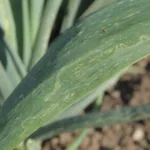 PestAllium leafminerPhytomyza gymnostoma Loew
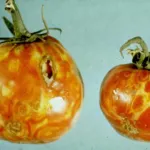 DiseaseTomato spotted wilt virusOrthotospovirus tomatomaculae (tomato spotted wilt virus; TSWV)
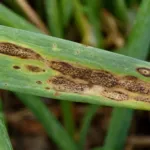 DiseaseStemphylium Leaf BlightStemphylium vesicarium (Wallr.) E.G. Simmons
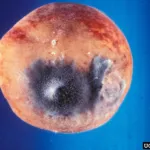 DiseaseRhizopus soft rotRhizopus stolonifer
 DiseaseAllium rustPuccinia allii
Toxicity and pollen
Allium species contain sulfur compounds and can cause gastrointestinal upset or more serious hemolytic anemia if pets ingest substantial amounts, especially bulbs or other concentrated plant material. Keep bulbs and cut plant material away from chewing pets and avoid ingestion by children. This ornamental cultivar should not be treated as an edible onion.
- Typical season
- May–June in much of the United States
- Pollination / pollen
- Insect-dispersed pollen
This is an insect-pollinated ornamental with pollen presented within the flowers rather than released in large windborne clouds. Airborne exposure is therefore generally limited compared with wind-pollinated plants, but sensitive people may still react to contact with flowers or pollen.
Native habitat
This is a cultivated garden hybrid rather than a wild North American native, so it has no single natural habitat or native range to report. Its parentage and ornamental selection reflect dry-summer, well-drained bulb culture; in gardens it performs best where winter moisture does not remain around the bulbs.
Interesting fact
The cultivar was developed as a garden and cut-flower allium and has received the RHS Award of Garden Merit. Its flowerheads can remain attractive as dried structures after the florets fade. The foliage often declines before or during flowering, emphasizing the stems and umbels.
Frequently asked questions (FAQ)
The most relevant questions about this plant, with short and direct answers.
🌱Quick care
How do you care for Allium 'Gladiator'?⌄
Grow Allium 'Gladiator' in full sun, moderately water it during active growth, and keep the soil well drained. Let the soil dry somewhat between waterings because wet conditions can rot the bulb.
Is Allium 'Gladiator' a perennial?⌄
Yes, Allium 'Gladiator' is a cold-hardy perennial bulb that can return for many years. It performs best when its foliage is allowed to mature naturally after flowering.
How tall does Allium 'Gladiator' get?⌄
Allium 'Gladiator' typically grows about 3 to 4 feet tall. Plant it where its tall flower stems will not shade shorter plants.
🌤️Environment and placement
Does Allium 'Gladiator' need full sun?⌄
Yes, full sun is best for strong stems and reliable flowering. Choose a site with at least 6 hours of direct sunlight daily.
Can Allium 'Gladiator' grow in partial shade?⌄
Allium 'Gladiator' may survive in light partial shade, but flowering and stem strength can be reduced. Avoid deep shade, especially after the leaves emerge in spring.
What soil is best for Allium 'Gladiator'?⌄
Use well-drained loam or sandy loam with moderate fertility. Heavy, waterlogged clay should be amended or avoided because prolonged moisture increases the risk of bulb rot.
Are Allium 'Gladiator' plants deer resistant?⌄
Allium 'Gladiator' is generally avoided by deer because of its onion-like sulfur compounds, although no plant is completely deer-proof. Hungry animals may still sample unfamiliar plants.
Are Allium 'Gladiator' plants rabbit resistant?⌄
Rabbits usually avoid ornamental alliums, including Allium 'Gladiator'. Protection may still be useful where rabbit pressure is unusually high or alternative food is scarce.
💧Care and problems
How often should you water Allium 'Gladiator'?⌄
Water when the soil begins to dry, providing moderate moisture during active growth and flowering. Reduce watering after the foliage yellows and the bulb enters dormancy.
Can Allium 'Gladiator' tolerate drought?⌄
Established Allium 'Gladiator' has some drought tolerance, particularly after flowering and during dormancy. Water during extended dry periods in spring, but do not keep the soil constantly wet.
Why is my Allium 'Gladiator' not blooming?⌄
Poor flowering is commonly linked to insufficient sunlight, immature or undersized bulbs, overcrowding, premature leaf removal, or poor drainage. Give the plant full sun and leave the foliage intact until it yellows naturally.
Why are Allium 'Gladiator' leaves turning yellow after flowering?⌄
Yellowing leaves after flowering are normal as the bulb stores energy for the next season. Do not cut or braid the leaves until they have yellowed and withered naturally.
Why do Allium 'Gladiator' flower stems flop?⌄
Flopping is usually caused by insufficient sunlight, overly rich or wet soil, wind exposure, or weak bulbs. Grow the plant in full sun, avoid excess nitrogen, provide drainage, and use discreet support if the site is windy.
🪴Planting and repotting
Can you leave Allium 'Gladiator' bulbs in the ground over winter?⌄
Yes, Allium 'Gladiator' is a cold-hardy bulb and can generally remain outdoors over winter in suitable climates. Good drainage is more important than winter protection, although a light mulch can help moderate temperature swings.
When should you plant Allium 'Gladiator' bulbs?⌄
Plant Allium 'Gladiator' bulbs in fall, before the ground freezes and early enough for roots to develop. In much of the United States, this commonly means September through November, depending on USDA zone.
How deep should you plant Allium 'Gladiator' bulbs?⌄
Plant the bulbs with the pointed end up at a depth of roughly 2 to 3 times the bulb's height, or follow the supplier's instructions for that bulb size. Firm the soil lightly and water once after planting.
How far apart should Allium 'Gladiator' bulbs be planted?⌄
Space Allium 'Gladiator' bulbs about 8 to 12 inches apart for a balanced display and good air circulation. Closer planting creates a fuller effect but may require division sooner.
Can Allium 'Gladiator' be grown in containers?⌄
Yes, it can be grown in a large container with drainage holes and a porous potting mix. Use a pot deep enough for the bulb and tall stems, and protect the container from extreme winter cold because container soil freezes more quickly than garden soil.
✂️Propagation and pruning
Should you cut back Allium 'Gladiator' after it blooms?⌄
Remove the faded flower head if you want to limit seed production, but leave the leaves in place. Cut the foliage only after it has naturally yellowed and dried.
How do you divide Allium 'Gladiator' bulbs?⌄
Divide Allium 'Gladiator' after the foliage has yellowed and dried, usually in early summer. Lift the clump, separate healthy offsets, and replant them in fall at the recommended depth.
Can Allium 'Gladiator' be grown from seed?⌄
Seed propagation is possible for some alliums, but Allium 'Gladiator' is a cultivar and seedlings may not reproduce its exact flower color, height, or form. Dividing offsets is the more dependable way to preserve the cultivar.
Does Allium 'Gladiator' spread aggressively?⌄
Allium 'Gladiator' generally forms gradually expanding clumps rather than spreading aggressively. Remove unwanted seedlings or divide crowded clumps after the foliage dies back.
⚠️Toxicity and safety
Is Allium 'Gladiator' toxic to dogs and cats?⌄
Yes, Allium 'Gladiator' should be treated as potentially toxic if ingested, especially by dogs and cats. Keep bulbs, leaves, and flowers away from pets and contact a veterinarian or poison-control service promptly after ingestion.
Is Allium 'Gladiator' poisonous to people?⌄
Allium 'Gladiator' is not grown as an edible onion, so do not eat any part of it. Keep bulbs and plant material away from children, and seek medical advice if ingestion occurs.
🌸Flowering and special interest
What color are Allium 'Gladiator' flowers?⌄
Allium 'Gladiator' produces large purple to rose-purple, globe-shaped flower heads. Individual flower heads are commonly about 6 inches across, although size varies with growing conditions and bulb quality.
When does Allium 'Gladiator' bloom?⌄
Allium 'Gladiator' usually blooms in late spring to early summer, often during May or June in much of the United States. The exact timing depends on USDA zone, spring temperatures, and planting conditions.
Does Allium 'Gladiator' attract bees and other pollinators?⌄
Yes, its spherical purple flower heads provide nectar and pollen for bees and other pollinating insects. Planting several bulbs together makes the display more useful and visible to pollinators.
Can you use Allium 'Gladiator' as a cut flower?⌄
Yes, Allium 'Gladiator' makes a long-lasting cut flower with tall stems and rounded purple heads. Cut stems when the flowers are opening and leave enough foliage on the plant to support bulb renewal.
Can Allium 'Gladiator' flowers be dried?⌄
Yes, the flower heads can be dried for decorative arrangements. Cut them when the blooms are fully formed and hang or place them in a dry, well-ventilated location away from direct sunlight.
Similar plants
 Azure Monkshood (Aconitum carmichaelii) care guideAconitum carmichaelii
 Monkshood (Aconitum ‘Stainless Steel’)Aconitum 'Stainless Steel'
 Monkshood (Aconitum ‘Bressingham Spire’)Aconitum 'Bressingham Spire'
 Golden full moon maple (Acer shirasawanum ‘Aureum’)Acer shirasawanum 'Aureum'
 Globosum (Acer platanoides ‘Globosum’)Acer platanoides 'Globosum'
 Striped maple (Acer pensylvanicum) care guideAcer pensylvanicum