
 Source:
 Weingartia neocumingii short overview
Weingartia neocumingii is a compact Bolivian cactus valued for its rounded, strongly ribbed body, dense spination, and vivid yellow to orange flowers that can form a striking crown around the upper stem. It suits a sunny windowsill, greenhouse bench, or sheltered rock-garden pot where drainage is excellent. Water during active growth, let the mix dry thoroughly, and give it a cool, completely dry winter rest to reduce rot and encourage reliable flowering.
Taxonomic classification
Weingartia neocumingii care guide
Light and placement
Provide several hours of direct sun, ideally in a south- or west-facing window, greenhouse, or gradually acclimated outdoor position. Strong light supports compact stems and dense spines. Pale, stretched growth indicates insufficient light; bleached patches or corking after sudden exposure indicate sun stress. Use afternoon shade temporarily during acclimation or extreme heat.
Watering and humidity
During spring and summer, water thoroughly only after the mix has dried completely, then let excess drain away. Reduce frequency in cool weather and keep the plant fully dry through winter, particularly below about 50°F. Good airflow matters more than added humidity; avoid misting and damp stagnant air.
Soil and growing medium
Use a very open mineral cactus mix with abundant pumice, grit, coarse sand, or crushed lava. The root zone must drain rapidly and never remain waterlogged. A mildly acidic to neutral reaction is suitable; avoid heavy, peat-dominated mixes that stay wet around the roots.
Feeding
Feed only during active growth, using a balanced or low-nitrogen cactus fertilizer diluted to about one-quarter to one-half strength every four to six weeks. Do not fertilize newly repotted plants, plants with damaged roots, or during the cool winter rest.
Growth and habit
This is a slow-growing, usually solitary or lightly offsetting cactus with a rounded to somewhat depressed stem. Strong light helps maintain compact growth and good spine development. Excess water, low light, or warm winter conditions can produce weak growth and reduce flowering.
Planting and repotting
Plant outdoors only in a frost-free or exceptionally sheltered site with sharp drainage. Set the root collar at the same level as before and keep the surrounding mix dry until roots settle. In most US climates, container culture is safer than open-ground planting.
Repot in late winter or early spring, before regular watering resumes. Use a dry mix and handle the plant with thick gloves or folded paper to avoid the spines. Allow damaged roots to callus briefly, then wait several days before watering.
Propagation and pruning
Propagation
Propagate mainly from seed or offsets when a plant produces them. Sow fresh seed in a sterile, gritty mix with warmth, bright filtered light, and restrained moisture. Separate offsets only after they have formed a suitable base, allow cuts to dry, and root in dry mineral substrate.
Pruning
No routine pruning is needed. Remove dead flowers only after they dry, and cut away diseased tissue with a sterile blade if rot is localized. Protect hands and eyes from spines during any cutting work.
Overwintering
Keep cool, bright, and completely dry in winter. A range around 41–50°F is useful when available, but protect from prolonged freezing and wet soil. Resume watering gradually in spring once growth begins and temperatures are reliably mild.
Uses
Primarily grown as a collector’s cactus, small container specimen, greenhouse plant, or sheltered rock-garden accent. Its compact habit and bright crown of flowers suit mineral displays. It has no documented culinary or medicinal use.
Appearance
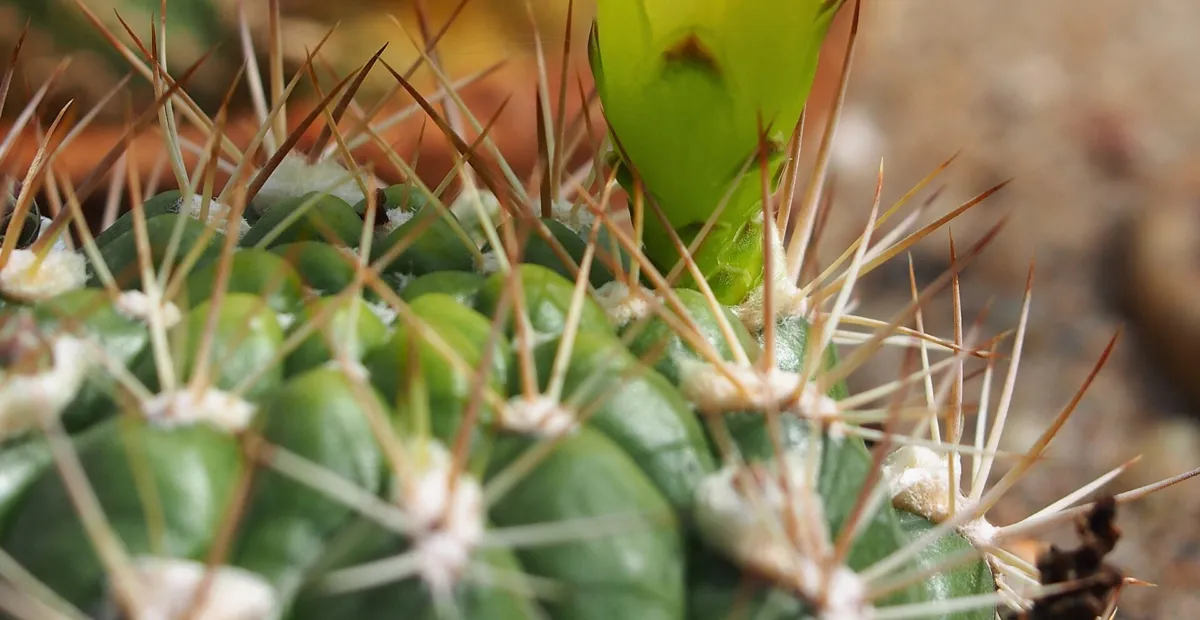
The plant has a pale to medium green, globular or slightly depressed stem with pronounced ribs or tuberculate structure. Areoles carry dense, often yellowish, reddish, or darker spines. The stem may elongate with age, while the flowers emerge around the upper portion and create a crown-like display.
Flowering
Flowers are produced from areoles near the upper stem, often appearing in a crowded crown. They are diurnal, funnel-shaped, yellow to orange, and may remain open for several days. Flowering is commonly associated with a cool, dry winter rest followed by bright spring and early-summer growth.
Pollination and visitors
No reliable species-specific pollinator study was located. The exposed, daytime funnel-shaped flowers are compatible with small insect visitation, but a stronger attraction rating would be speculative.
Weingartia neocumingii photos
Click any photo for a larger view. Source, author and license are shown separately.
Diseases and pests
Diseases
The main risk is root or stem rot from wet soil, especially in cool weather. Use a porous mix, clean containers, good airflow, and a dry winter rest. Soft dark tissue or a collapsing base indicates serious rot; isolate the plant and remove affected tissue only if viable tissue remains.
Pests
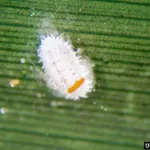
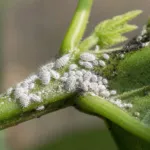
Watch for mealybugs on the crown and roots, scale, and spider mites under hot, dry stress. Inspect areoles and root balls during repotting. Remove small infestations mechanically or use an appropriate labeled insecticide; avoid routine spraying in humid, poorly ventilated conditions.
Related diseases and pests
Only Plant Doctor profiles whose host data indicate this plant may be affected are shown here.
Toxicity and pollen
No species-specific human or veterinary toxicity record was confirmed in the sources reviewed. The principal practical hazards are sharp spines, glochidia-like fragments if present, and possible mechanical injury. Keep away from children and pets, and use gloves when handling.
- Typical season
- No target-country exposure period documented
- Pollination / pollen
- Insect-associated flower pollen
Cactus pollen is released within the flowers and is generally associated with insect pollination rather than persistent wind dispersal. However, species-specific airborne allergy evidence for Weingartia neocumingii was not located, so allergy relevance remains unknown.
Native habitat
The species is native to Bolivia and occurs in dry shrubland or desert-like highland environments. It is associated with rocky, rapidly drained ground, seasonal rainfall, strong light, and cool, dry periods rather than humid lowland conditions.
Interesting fact
The species has a long and complicated synonymy in cactus literature. Its accepted name is still widely encountered alongside Rebutia and Sulcorebutia combinations. Populations and cultivated forms can differ greatly in stem shape, spine density, and flower color.
Frequently asked questions (FAQ)
The most relevant questions about this plant, with short and direct answers.
🌱Quick care
What is Weingartia neocumingii?⌄
Weingartia neocumingii is a small Bolivian cactus in the family Cactaceae, often encountered in older references under names such as Rebutia neocumingii or Sulcorebutia neocumingii. It is grown mainly for its compact body, spines, and colorful flowers.
How much sunlight does Weingartia neocumingii need?⌄
Give Weingartia neocumingii full sun, ideally several hours of direct light each day. Acclimate it gradually when moving it outdoors to reduce the risk of sunburn.
How often should I water Weingartia neocumingii?⌄
Water Weingartia neocumingii thoroughly only after its soil has dried completely. Reduce watering substantially in winter, especially when the plant is kept cool or receives less light.
What soil is best for Weingartia neocumingii?⌄
Use a sharply draining, mostly mineral cactus mix for Weingartia neocumingii. The mix should release excess water quickly and avoid staying damp around the roots.
Is Weingartia neocumingii easy to grow indoors?⌄
Weingartia neocumingii can grow indoors if it receives strong direct sun or a suitable grow light and is planted in fast-draining soil. Poor light combined with frequent watering is the main cause of weak, stretched growth and root problems.
What are the older names for Weingartia neocumingii?⌄
Older or alternate names associated with Weingartia neocumingii include Rebutia neocumingii, Sulcorebutia neocumingii, and Gymnocalycium neocumingii. Taxonomic treatments have changed, so nursery labels may use one of these synonyms.
🌤️Environment and placement
Can Weingartia neocumingii grow outside in the United States?⌄
Weingartia neocumingii can grow outdoors in warm, dry parts of the United States if drainage is excellent and frost is avoided. In colder USDA hardiness zones, grow it in a container that can be moved under cover.
Is Weingartia neocumingii frost hardy?⌄
Protect Weingartia neocumingii from frost and freezing temperatures. A completely dry plant may tolerate brief cool conditions better than a wet one, but dependable frost tolerance should not be assumed.
What temperatures are best for Weingartia neocumingii in winter?⌄
Keep Weingartia neocumingii cool and dry during winter rather than warm and wet. A bright, ventilated location protected from freezing weather is generally safer than a heated room with low light.
Where does Weingartia neocumingii grow naturally?⌄
Weingartia neocumingii is native to Bolivia, where it occurs in dry valleys, shrublands, and rocky areas across elevations of roughly 4,600 to 9,800 feet. Its habitat explains its preference for bright light, mineral soil, and sharply timed watering.
💧Care and problems
Why is my Weingartia neocumingii turning soft?⌄
A soft Weingartia neocumingii is often suffering from excess moisture, root loss, or rot rather than simple thirst. Stop watering, inspect the roots and base, and improve drainage and ventilation before watering again.
Why is my Weingartia neocumingii stretching?⌄
Stretching usually means Weingartia neocumingii is not receiving enough light. Move it gradually toward stronger direct light or supplement it with a grow light, while avoiding a sudden change that can scorch the plant.
How can I prevent root rot in Weingartia neocumingii?⌄
Prevent root rot by using a mineral, fast-draining mix, a pot with a drainage hole, and a watering cycle that allows the soil to dry fully. Keep the plant nearly or completely dry during cool winter conditions.
Does Weingartia neocumingii need fertilizer?⌄
Weingartia neocumingii needs only light feeding during active growth. If you fertilize, use a diluted cactus fertilizer after watering rather than applying strong fertilizer to dry roots.
What pests affect Weingartia neocumingii?⌄
Mealybugs, scale, and root pests can affect Weingartia neocumingii, particularly in collections with crowded or poorly ventilated plants. Inspect the areoles, pot rim, and roots when growth looks weak or the plant declines unexpectedly.
🪴Planting and repotting
When should I repot Weingartia neocumingii?⌄
Repot Weingartia neocumingii when the container is crowded, the soil has broken down, or drainage has deteriorated. Early in the growing season is usually the safest time, followed by several dry days before watering.
What type of pot is best for Weingartia neocumingii?⌄
Choose a pot with a drainage hole that is only slightly larger than the root system of Weingartia neocumingii. Unglazed clay can help the mix dry faster, but any well-drained container can work with suitable soil.
Can Weingartia neocumingii be planted in the ground?⌄
Weingartia neocumingii can be planted in the ground only where winters are frost-free or the plant can be protected reliably. Use a raised, rocky bed or another site that drains rapidly after rain.
✂️Propagation and pruning
How do you propagate Weingartia neocumingii?⌄
Weingartia neocumingii is most reliably propagated from seed. Sow fresh seed in a sterile, well-drained medium, provide warmth and bright filtered light, and keep seedlings lightly moist until they are established.
Can Weingartia neocumingii be propagated from offsets?⌄
Offsets may sometimes be separated from a mature Weingartia neocumingii if the plant produces them, but this species is more commonly raised from seed. Allow any cut surface to dry and callus before planting the offset in dry cactus mix.
Can I grow Weingartia neocumingii from cuttings?⌄
Cuttings are not the usual propagation method for Weingartia neocumingii because it is primarily a small globular cactus. Seed propagation is generally more practical, while offsets can be used when naturally available.
⚠️Toxicity and safety
Is Weingartia neocumingii poisonous to cats or dogs?⌄
There is no confirmed species-specific toxicity information for Weingartia neocumingii. Even so, keep it away from pets and children because its spines can cause painful punctures and plant material may cause stomach upset if chewed.
Does Weingartia neocumingii have sharp spines?⌄
Yes, Weingartia neocumingii has spines that can injure skin during handling. Use cactus tongs, folded paper, or thick gloves when repotting, and position the plant away from high-traffic areas.
🌸Flowering and special interest
When does Weingartia neocumingii flower?⌄
Weingartia neocumingii commonly flowers during the growing season, especially after a bright, cool, dry winter rest. Exact timing varies with the clone, local conditions, and whether the plant receives enough light.
What color are Weingartia neocumingii flowers?⌄
Weingartia neocumingii can produce brightly colored flowers in shades that vary among forms, including yellow, orange, red, or pinkish tones. Plants sold under older synonyms may show considerable variation in flower color.
Why is my Weingartia neocumingii not flowering?⌄
Insufficient light, a lack of winter rest, young age, or excessive watering can prevent Weingartia neocumingii from flowering. Provide strong light, keep it cooler and drier in winter, and resume careful watering when active growth begins.
Similar plants
 Azure Monkshood (Aconitum carmichaelii) care guideAconitum carmichaelii
 Monkshood (Aconitum ‘Stainless Steel’)Aconitum 'Stainless Steel'
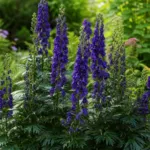 Monkshood (Aconitum ‘Bressingham Spire’)Aconitum 'Bressingham Spire'
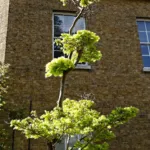 Golden full moon maple (Acer shirasawanum ‘Aureum’)Acer shirasawanum 'Aureum'
 Globosum (Acer platanoides ‘Globosum’)Acer platanoides 'Globosum'
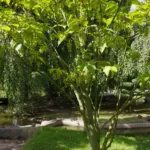 Striped maple (Acer pensylvanicum) care guideAcer pensylvanicum