
 Source:
 Thelocactus bicolor short overview
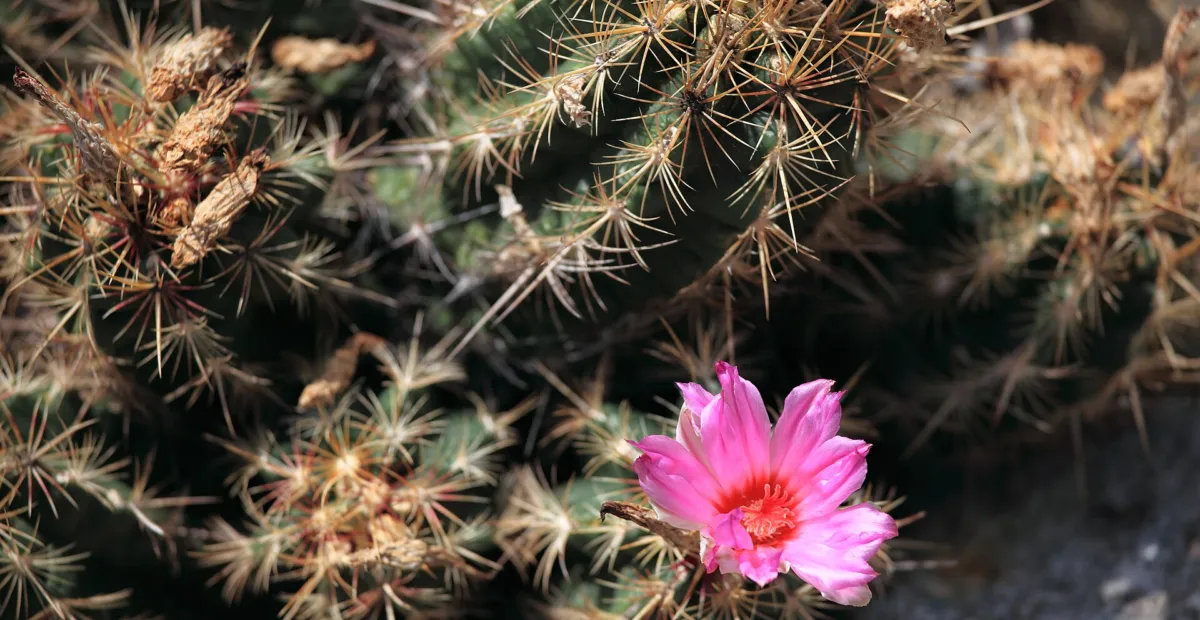
Thelocactus bicolor is a compact, rounded cactus native from southwestern Texas into northeastern Mexico. Its blue-green to green body is divided into strongly tuberculate ribs and covered with contrasting pale and reddish spines. In spring or early summer, mature plants can produce striking magenta-pink flowers from the crown. Give it intense light, porous mineral soil, and careful seasonal watering; keep it protected from prolonged cold and winter moisture.
Taxonomic classification
Thelocactus bicolor care guide
Light and placement
Provide full sun or the brightest unobstructed light available, ideally with several hours of direct light from a south- or west-facing exposure. Acclimate gradually when moving a plant outdoors to prevent sunscald. Pale, stretched growth suggests insufficient light; yellowing, bleached patches, or dry tan scars can indicate excessive abrupt exposure or heat combined with poor watering.
Watering and humidity
Water thoroughly only after the substrate has dried completely, allowing excess water to drain away. During spring and summer growth, this may mean occasional deep watering followed by a full dry-down; in fall and winter, reduce sharply and keep the plant nearly dry, especially below 50°F. Do not mist routinely, and never leave the pot standing in water.
Soil and growing medium
Use a very porous cactus mix dominated by mineral material such as pumice, coarse grit, lava, or crushed stone, with only a modest organic fraction. The species occurs in dry, often calcareous landscapes, so fast drainage is more important than rich soil. A neutral to slightly alkaline reaction is suitable; avoid waterlogged or strongly acidic mixes.
Feeding
Feed only during active growth, typically from spring through summer. Use a balanced or cactus fertilizer diluted to about one-quarter to one-half of the label strength, preferably with modest nitrogen. Do not fertilize a dry, stressed, recently repotted, dormant, or cool plant, and flush accumulated salts periodically with clean water.
Growth and habit
A slow-growing, compact cactus that is generally solitary, with a rounded body that may become somewhat short-cylindrical with age. Bright light and a pronounced cool, dry rest help maintain firm growth and encourage flowering. Excess fertilizer or shade can produce softer, less characteristic growth.
Planting and repotting
Plant outdoors only in a warm, frost-protected site with exceptionally sharp drainage. Set the root collar at the same depth as before and avoid burying the stem. Space plants so air can circulate and the body does not remain shaded or wet after irrigation. Establish with small, infrequent waterings during active growth, then reduce sharply in cool weather.
Repot in spring only when the container is crowded, the mix has broken down, or roots need inspection. Let the soil dry, remove the plant carefully with thick gloves or folded cardboard, and allow any root damage to dry before replanting. Use a pot with a drainage hole and do not water immediately after repotting.
Propagation and pruning
Propagation
Propagation is primarily by seed. Sow fresh seed in a sterile, very free-draining medium in warm spring conditions, provide bright filtered light, and keep the medium lightly and evenly moist until germination. Seedlings need gradual exposure to stronger light and careful reduction of watering as they mature.
Pruning
No routine pruning is needed. Remove only dead, damaged, or rotting tissue with a sterile tool, allowing the cut surface to dry fully before any watering. Use gloves, tongs, or folded cardboard because the spine clusters can cause injury.
Overwintering
Keep dormant plants bright, cool, and almost completely dry. A protected position above about 25°F is preferable; in colder US climates, bring container plants indoors before hard freezes. Avoid placing the cactus directly beside a humidifier or in a warm, dim room, where winter watering can trigger rot.
Uses
Used primarily as an ornamental specimen for cactus collections, xeric displays, rock gardens, greenhouses, and containers. Its compact form and colorful flowers make it suitable for windowsill or patio culture where drainage and winter shelter can be controlled. It has no established culinary or medicinal use documented here.
Appearance
The plant has a green to blue-green, globular body marked by prominent tubercles arranged in rib-like rows. Areoles carry contrasting pale, reddish, or purplish spines, giving the cactus a distinctly two-toned appearance. The crown bears large, vivid flowers relative to the body, making the species easy to recognize when in bloom.
Flowering
Mature plants produce funnel-shaped, brightly colored flowers from the crown, commonly in shades of magenta to pink. Flowering is associated with active growth and warm, bright conditions, usually after a dry winter rest. Flower production is less reliable in low light, overly rich soil, or plants that remain wet and cool.
Pollination and visitors
The showy flowers are insect-pollinated in nature, but a reliably documented primary visitor or pollinator specific to this species was not established in the sources reviewed. Avoid presenting generic bee or butterfly visitation as species-confirmed.
Thelocactus bicolor photos
Click any photo for a larger view. Source, author and license are shown separately.
Diseases and pests
Diseases
The main risks are root or stem rots caused by excess moisture, poor drainage, or cool wet conditions. Prevent problems with a porous mix, a pot with drainage, good air movement, and a dry winter rest. Remove affected tissue only when the rot is localized; severe root rot may require discarding the plant to protect nearby collection plants.
Pests
Watch for mealybugs, scale, spider mites, and root mealybugs. Inspect areoles and the root collar regularly, isolate affected plants, remove visible insects with a cotton swab or suitable insecticidal treatment, and correct weak light or excess moisture that encourages decline.
Related diseases and pests
Only Plant Doctor profiles whose host data indicate this plant may be affected are shown here.
 PestCotton mealybugPhenacoccus solenopsis Tinsley
 PestCottony Cushion ScaleIcerya purchasi
 PestObscure mealybugPseudococcus viburni
 PestCitrus mealybugPlanococcus citri
 DiseaseCucurbit AnthracnoseColletotrichum orbiculare
 DiseaseBean AnthracnoseColletotrichum lindemuthianum
 DiseaseAnthracnoseColletotrichum gloeosporioides
 DiseaseBlack Dot DiseaseColletotrichum coccodes
Toxicity and pollen
No authoritative evidence was located establishing systemic toxicity for Thelocactus bicolor in humans or pets. The practical hazard is mechanical injury from spines, plus possible irritation if sap or plant tissue contacts sensitive skin. Handle with gloves and keep fallen spines and plant fragments away from children and animals.
- Pollination / pollen
- Flower pollen; airborne relevance not established
This cactus produces pollen when it flowers, but reliable US airborne-pollen or clinical allergy data specific to Thelocactus bicolor were not located. Because the flowers are animal-pollinated and the plant is uncommon in general landscapes, routine airborne exposure is likely limited, but it should not be labeled allergy-free without evidence.
Native habitat
Native from southwestern Texas into northeastern Mexico, where it occupies desert or dry shrubland in the Chihuahuan Desert region. It is associated with open, sunny settings and rapidly draining mineral soils, often including calcareous substrates. Seasonal drought, intense sun, and large temperature shifts shape its natural growth rhythm.
Interesting fact
The species is native to the Chihuahuan Desert region and extends into the United States in southwestern Texas. Its epithet bicolor refers to contrasting coloration, especially visible in the spine arrangement. The body is strongly tuberculate rather than formed into smooth, continuous ribs. Flowering is most dependable after a bright, dry winter rest.
Frequently asked questions (FAQ)
The most relevant questions about this plant, with short and direct answers.
🌱Quick care
What is Thelocactus bicolor?⌄
Thelocactus bicolor is a small, globose to shortly cylindrical cactus in the Cactaceae family, often known in the United States as the glory of Texas. It is valued for colorful spines and large pink to purplish flowers.
How much light does Thelocactus bicolor need?⌄
Give Thelocactus bicolor full sun or very bright light for strong growth and good spine color. Acclimate it gradually when moving it from shade to intense direct sunlight to prevent sunburn.
How often should I water Thelocactus bicolor?⌄
Water thoroughly, then allow the soil to dry completely before watering again. Water more regularly during active warm-season growth and keep the plant nearly dry in winter.
Is Thelocactus bicolor easy to grow?⌄
Yes, Thelocactus bicolor is generally considered an easy cactus when given strong light, porous soil, and restrained watering. The main risk is root or stem rot from staying wet.
🌤️Environment and placement
Can Thelocactus bicolor grow indoors?⌄
Thelocactus bicolor can grow indoors if it receives several hours of direct sun or very bright supplemental light. A sunny south- or west-facing window is usually the best placement in the United States.
Can Thelocactus bicolor grow outside?⌄
Yes, it can grow outdoors in a sunny, sheltered location where the soil drains rapidly. Container culture is especially practical in regions with wet winters, summer humidity, or freezing temperatures.
What USDA hardiness zone is suitable for Thelocactus bicolor?⌄
Thelocactus bicolor is more cold-tolerant than many cacti, but it should still be protected from frost in cultivation. Brief temperatures near 15°F may be tolerated by established, completely dry plants, while wet roots and prolonged freezes are much more dangerous.
Can Thelocactus bicolor tolerate frost?⌄
Protect Thelocactus bicolor from frost whenever possible. Cold may be survived briefly if the plant and its roots are completely dry, but freezing moisture and extended cold can cause serious damage.
What temperatures are best for Thelocactus bicolor in winter?⌄
Keep Thelocactus bicolor cool, bright, and dry during winter, ideally above freezing. Avoid watering when temperatures are low because cold, wet soil greatly increases the risk of rot.
Does Thelocactus bicolor need low humidity?⌄
Thelocactus bicolor prefers dry conditions and moving air, particularly during winter. Good ventilation helps the soil dry quickly and reduces fungal and rot problems.
💧Care and problems
Why is my Thelocactus bicolor turning soft?⌄
A soft or collapsing Thelocactus bicolor most often indicates overwatering, poor drainage, or cold wet soil. Stop watering, inspect the roots and base, and repot into dry porous mix if rot is suspected.
Why is my Thelocactus bicolor stretching or becoming elongated?⌄
Stretching usually means Thelocactus bicolor is not receiving enough light. Move it gradually to a brighter location and avoid rich, moisture-retentive soil, which can also encourage weak growth.
Why are the spines on my Thelocactus bicolor losing color?⌄
Spine color can fade with age, but weak light may also make new growth less compact and less vividly colored. Provide stronger light while avoiding an abrupt transition from shade to intense sun.
Should I fertilize Thelocactus bicolor?⌄
Fertilize lightly during active spring and summer growth with a dilute cactus fertilizer. Avoid heavy feeding and do not fertilize a stressed, recently repotted, dormant, or dry-rooted plant.
What pests attack Thelocactus bicolor?⌄
Mealybugs are the main pest concern for Thelocactus bicolor, especially around the areoles, roots, and pot rim. Inspect regularly and isolate affected plants before treating them with a cactus-safe method.
How do I know when Thelocactus bicolor needs water?⌄
Check that the potting mix is completely dry and that the plant is actively growing before watering Thelocactus bicolor. During winter dormancy, slight shriveling is usually safer than keeping the roots continually moist.
🪴Planting and repotting
What soil is best for Thelocactus bicolor?⌄
Use a porous, fast-draining mineral cactus mix with substantial grit, pumice, perlite, or coarse sand. The mix should release excess water quickly rather than remain damp around the roots.
What type of pot should I use for Thelocactus bicolor?⌄
Use a pot with a drainage hole that is only slightly larger than the root system. Unglazed clay can help the mix dry faster, but any well-draining container is suitable if watering is controlled.
When should I repot Thelocactus bicolor?⌄
Repot Thelocactus bicolor during active growth, preferably in spring or early summer, when the plant can recover more readily. Repot sooner if the mix has decomposed, drainage is poor, or roots have rotted.
How do I repot Thelocactus bicolor safely?⌄
Handle Thelocactus bicolor with thick gloves, folded cardboard, or cactus tongs, then place it in dry porous mix at the same depth as before. Wait several days before watering so any damaged roots can callus.
Can Thelocactus bicolor be planted in a rock garden?⌄
Thelocactus bicolor can be planted in a rock garden where the site receives strong sun and has exceptionally rapid drainage. In areas with heavy rainfall or freezing winters, a raised bed or container offers better control.
✂️Propagation and pruning
How is Thelocactus bicolor propagated?⌄
Thelocactus bicolor is propagated mainly from seed and sometimes from offsets when a plant produces them. Seed propagation is generally the more dependable method because the species is often solitary.
Can I grow Thelocactus bicolor from seed?⌄
Yes, Thelocactus bicolor grows from seed when sown in a sterile, gritty medium and kept warm with bright filtered light. Seedlings need careful moisture management until they are established, because they are more vulnerable to damping off than mature plants.
Does Thelocactus bicolor produce offsets?⌄
Thelocactus bicolor may form offsets or clumps, but many plants remain solitary. If an offset develops roots or can be removed cleanly, let the cut surface dry before planting it in dry cactus mix.
Does Thelocactus bicolor need pruning?⌄
No, Thelocactus bicolor normally requires no pruning. Remove only dead material or damaged growth, using tools and handling methods that protect your hands from the spines.
⚠️Toxicity and safety
Is Thelocactus bicolor toxic to people or pets?⌄
There is no well-documented systemic toxicity associated with Thelocactus bicolor, but its spines can cause painful punctures and retained fragments. Keep it away from children and pets and use protective gloves when handling it.
Are Thelocactus bicolor spines dangerous?⌄
Thelocactus bicolor spines are the primary safety hazard and can puncture skin or injure eyes. Place the plant where it will not be brushed against, and wear eye and hand protection during repotting.
🌸Flowering and special interest
When does Thelocactus bicolor flower?⌄
Thelocactus bicolor usually flowers during the warm growing season, with flowering reported from late spring into summer and sometimes later. Bloom timing varies with light, temperature, plant age, and local conditions.
What do Thelocactus bicolor flowers look like?⌄
The flowers are large and funnel-shaped, commonly pink, rosy purple, or magenta with a contrasting reddish throat and yellow center. They emerge near the crown of the cactus.
How can I encourage Thelocactus bicolor to bloom?⌄
Provide strong light, a porous mix, active-season watering followed by thorough drying, and a cool, dry winter rest. Mature plants are more likely to flower, so a young cactus may need several years before blooming reliably.
Why is my Thelocactus bicolor not flowering?⌄
Insufficient light, excessive winter moisture, lack of dormancy, or an immature plant can all reduce flowering. Improve light and seasonal dryness first, while recognizing that young plants may simply not be old enough to bloom.
Similar plants
 Azure Monkshood (Aconitum carmichaelii) care guideAconitum carmichaelii
 Monkshood (Aconitum ‘Stainless Steel’)Aconitum 'Stainless Steel'
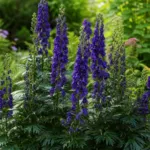 Monkshood (Aconitum ‘Bressingham Spire’)Aconitum 'Bressingham Spire'
 Golden full moon maple (Acer shirasawanum ‘Aureum’)Acer shirasawanum 'Aureum'
 Globosum (Acer platanoides ‘Globosum’)Acer platanoides 'Globosum'
 Striped maple (Acer pensylvanicum) care guideAcer pensylvanicum