
Pest
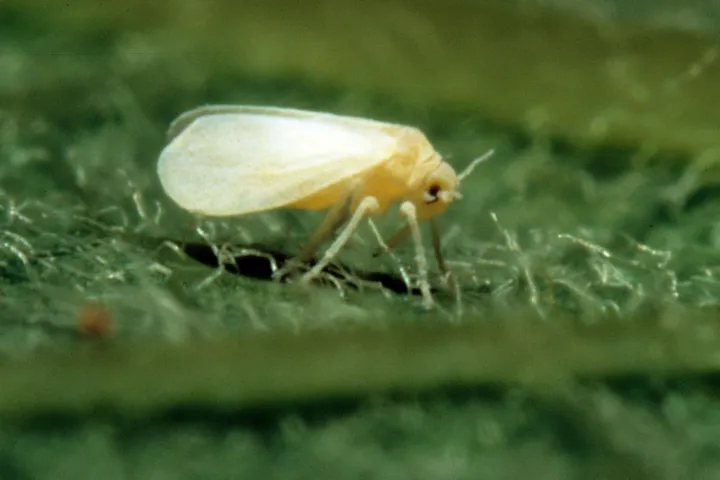
Sweetpotato whitefly
Bemisia tabaci species complexSweetpotato whitefly, Bemisia tabaci, is a small sap-feeding pest complex that attacks vegetables, field crops, ornamentals and weeds throughout warm regions of the United…
DetailsDetailed profiles of common plant diseases, pests, nutrient deficiencies and environmental problems.
Sweetpotato whitefly, Bemisia tabaci, is a small sap-feeding pest complex that attacks vegetables, field crops, ornamentals and weeds throughout warm regions of the United…
Details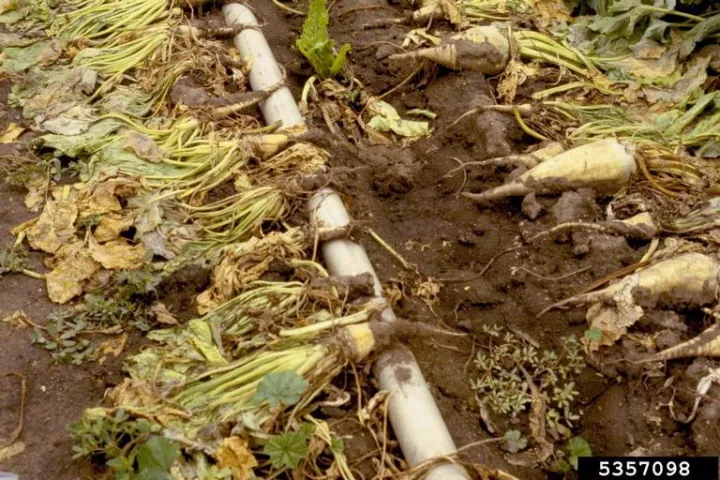
Rhizomania is a serious soilborne viral disease caused by beet necrotic yellow vein virus (BNYVV), especially damaging to sugar beet. Infected plants may remain…
Details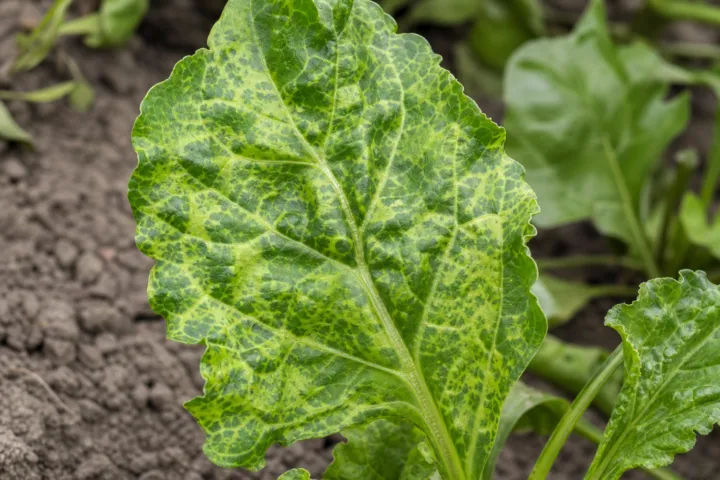
Beet mosaic is a viral disease caused by Beet mosaic virus, now classified as Potyvirus betaceum. It mainly affects sugar beet, garden beet and…
Details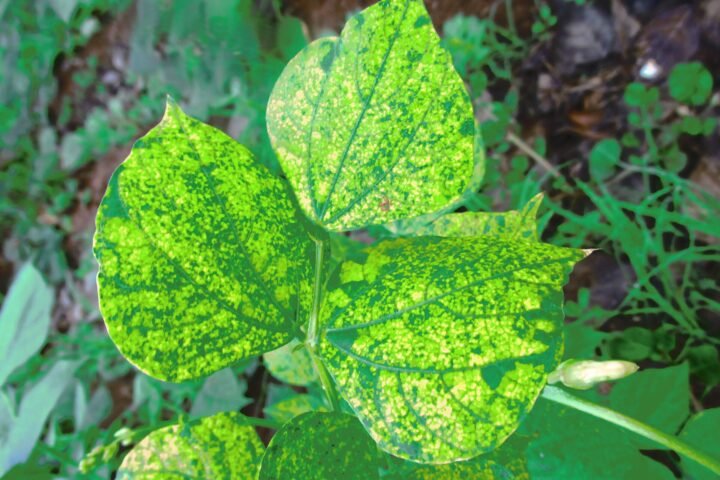
Bean yellow mosaic is a viral disease caused by Bean yellow mosaic virus (BYMV), most often recognized by sharply contrasting yellow and green mottling…
Details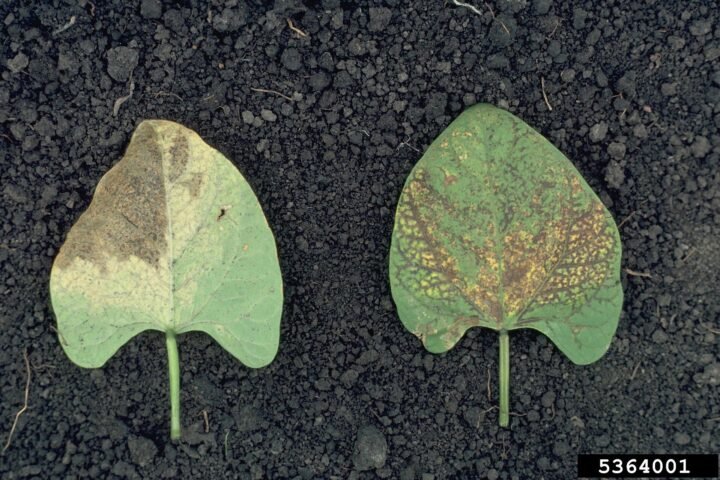
Bean common mosaic is a virus disease of beans that produces light- and dark-green mosaic patterns, leaf puckering, curling, distortion and plant stunting. It…
Details
The potato/tomato psyllid, Bactericera cockerelli, is a tiny, mobile sap-feeding insect that attacks potatoes, tomatoes, peppers, eggplants and related plants in the United States.…
Details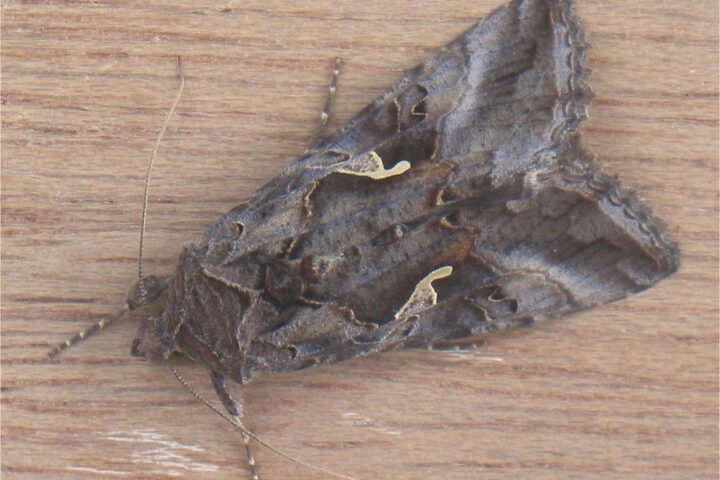
The silver Y moth, Autographa gamma, is a migratory, highly polyphagous noctuid whose caterpillars chew vegetable, field-crop and ornamental foliage. Heavy infestations can skeletonize…
Details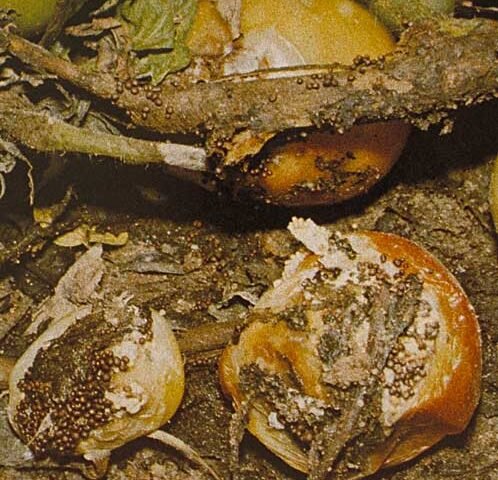
Southern blight, caused by the soilborne fungus Athelia rolfsii, can rapidly kill tomatoes, peppers, beans, peanuts, onions, ornamentals and many other plants during hot,…
Details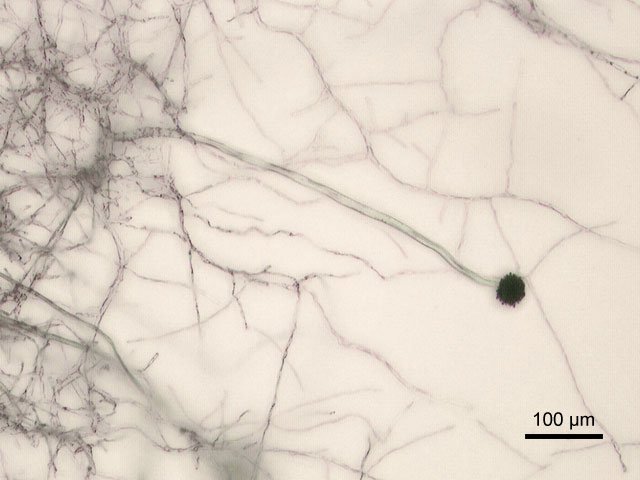
Black mold caused by Aspergillus niger is primarily a wound- and stress-associated disease of stored bulbs, fruits, grains, and some field crops. It produces…
Details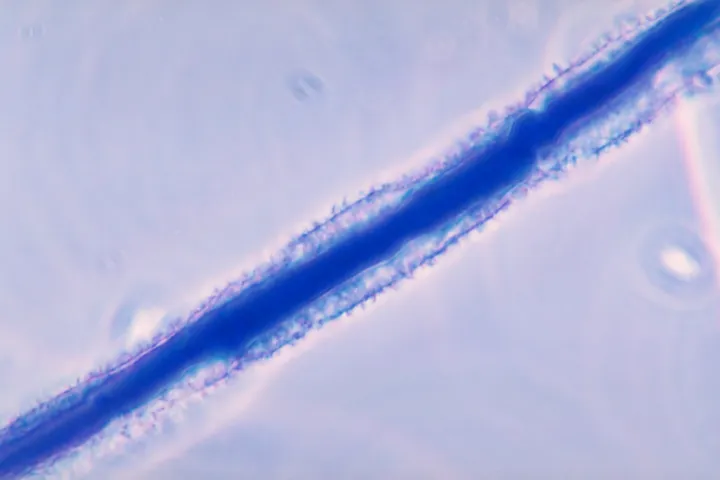
Aspergillus flavus is a soil- and residue-associated fungus that can colonize developing corn kernels, peanuts, cottonseed and tree nuts, particularly when crops experience heat,…
Details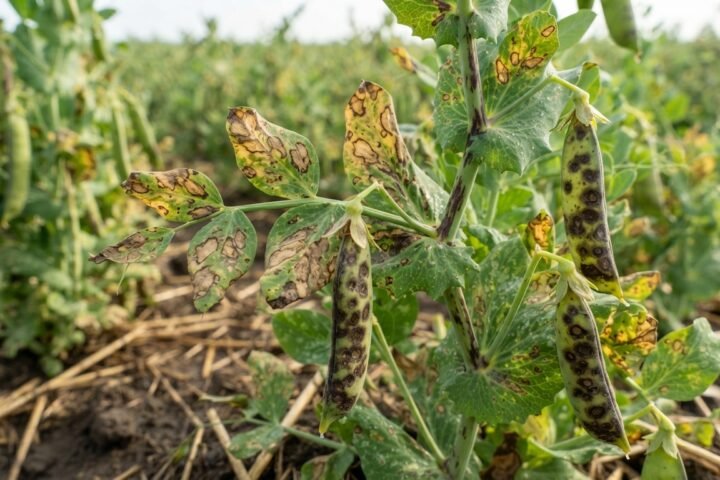
Ascochyta pisi causes a fungal leaf and pod spot disease of garden and field pea in the United States. Symptoms include tan to brown,…
Details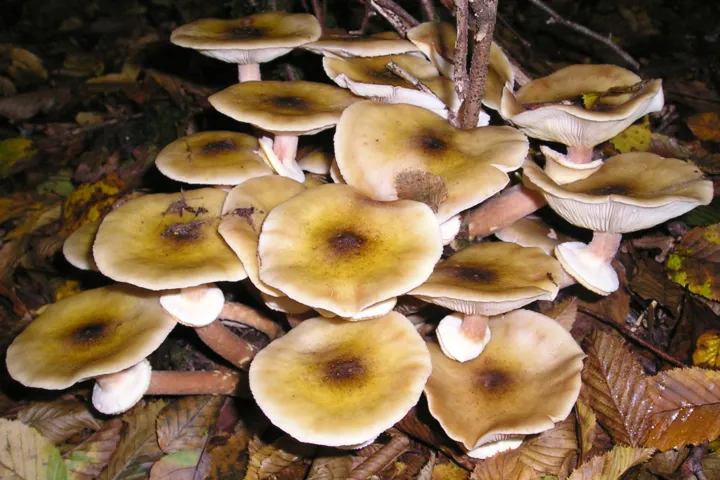
Armillaria root rot is a persistent soilborne fungal disease caused here by Armillaria mellea, commonly called honey fungus or oak root fungus. It attacks…
Details