
 Source:
 Fishbone Fern (Nephrolepis cordifolia) short overview
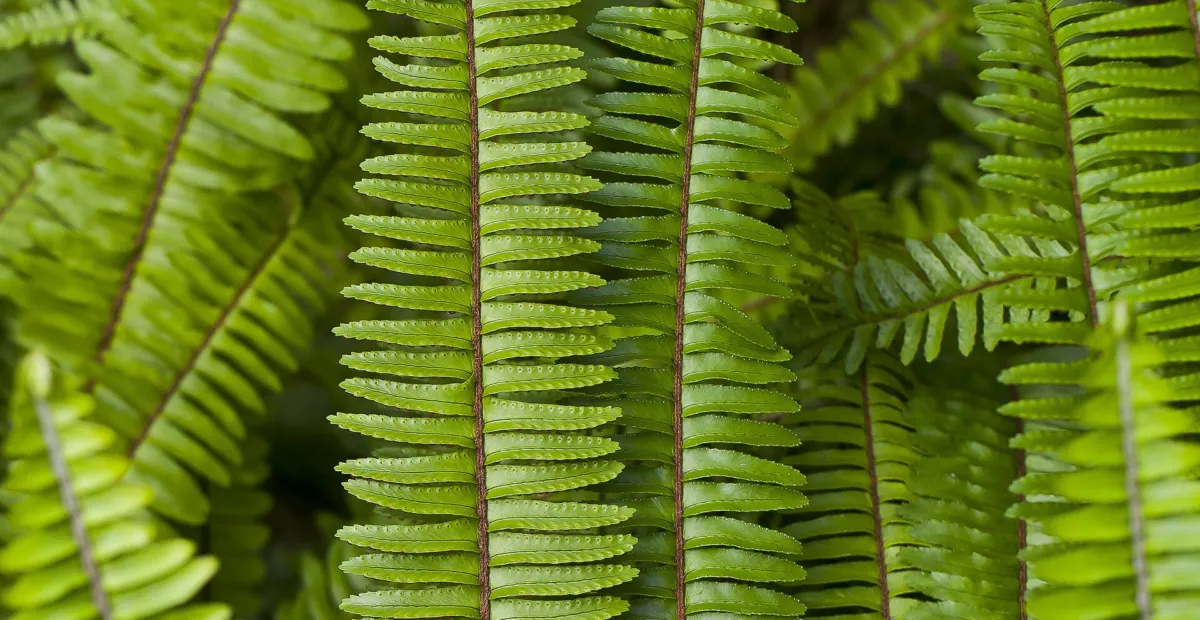
Fishbone Fern is a vigorous tropical and subtropical fern with upright to arching, sword-shaped fronds and finely toothed leaflets arranged along brown-scaled stems. It makes an attractive indoor or container plant in bright filtered light, and it can be grown outdoors in warm parts of the United States. Keep the root zone evenly moist but well drained. Because this species can spread by runners, tubers, and spores, avoid releasing it into natural areas where it is invasive.
Taxonomic classification
Fishbone Fern (Nephrolepis cordifolia) care guide
Light and placement
Provide bright filtered light indoors, such as near an east-facing window or several feet back from a bright south- or west-facing window. Outdoors, use dappled shade or morning sun with afternoon protection. Harsh direct sun can bleach or scorch fronds, while very dim light produces sparse, elongated growth and fewer healthy new fronds. Acclimate gradually before increasing direct light.
Watering and humidity
Water thoroughly when the upper 1 inch of mix begins to feel slightly dry, then let excess drain completely. Keep the root zone evenly moist during active growth without leaving the pot standing in water. Reduce frequency in cool, low-light winter conditions, but do not allow the plant to become bone dry for extended periods. Humidity helps fronds remain attractive, especially in heated homes.
Soil and growing medium
Use a loose, organic-rich potting mix that drains freely but retains some moisture. A mixture based on quality potting soil with added perlite, fine bark, or another aerating component works well in containers. Slightly acidic to neutral conditions are suitable. Avoid compacted soil and containers that remain waterlogged, while recognizing that established plants can tolerate occasional drier conditions better than many cultivated ferns.
Feeding
Feed actively growing container plants in spring and summer with a balanced liquid fertilizer diluted to about half the label strength every 4–6 weeks, or use a controlled-release product sparingly. Outdoor plants in fertile soil may need little feeding. Do not fertilize drought-stressed, recently divided, cold-damaged, or freshly repotted plants. Flush containers occasionally if mineral salts accumulate at the surface.
Growth and habit
This perennial fern develops an upright to arching clump of fronds and can spread through slender runners, rhizomes, and tubers. Growth is usually moderate in containers and faster in warm, humid outdoor conditions. Remove unwanted runners and divide crowded clumps before they overrun a bed. Invasive behavior is possible in suitable climates, especially where tubers and spores escape cultivation.
Planting and repotting
Plant outdoors after the danger of frost has passed, or in fall in frost-free climates. Set the crown level with the soil surface; do not bury the growing point. Allow about 18 inches between plants for ordinary clumps, with more room where spreading is acceptable. Water thoroughly during establishment and mulch lightly without covering the crown. Do not plant where escape into natural habitat is likely.
Repot in spring when roots or tubers fill the container, moving up only one pot size. Handle the shallow root system gently and keep the crown at its previous depth. Refresh compacted mix even when a larger container is unnecessary. Divide overcrowded clumps during repotting, ensuring each section has healthy roots, fronds, and some rhizome or tuber-bearing material.
Propagation and pruning
Propagation
The most practical method is division in spring. Separate established clumps carefully so each division retains roots, rhizome tissue, and growing points. Spores can be sown on a sterile, consistently moist medium, but fern spore propagation is slower and requires more controlled conditions. Detached tubers or runners may contribute to spread, but do not use them to propagate plants outdoors in regions where the species is invasive.
Pruning
Cut damaged, yellow, or frost-burned fronds at the base with clean shears. Remove old fronds as new growth emerges, and trim runners when the plant begins to spread beyond its intended area. Avoid shearing healthy fronds routinely because the plant looks best when its natural arching habit is retained.
Overwintering
Bring container plants indoors before temperatures approach the low 40s °F. Give bright filtered light, reduce watering to match slower growth, and keep them away from heating vents and cold drafts. In Zones 8–10, outdoor plants may survive mild winters but can suffer frond damage from freezes. Remove damaged foliage after new growth begins. Do not overwinter or release the plant outdoors where local authorities identify it as invasive.
Uses
Useful as an indoor foliage plant, hanging basket, terrarium subject, shaded container plant, mass planting, or groundcover in warm climates where it is not invasive. It can help stabilize shaded slopes, but use only where local invasive-plant guidance permits. Do not plant near natural waterways or conservation lands in regions where escaped populations are a concern.
Appearance
The plant is recognized by its clump of erect to arching, sword-like fronds divided into many narrow oblong to lance-shaped leaflets. Leaflet margins are finely toothed, and the stipes are green to brown with contrasting pale and dark scales. Underground tubers may be visible around the root mass. Mature fronds often create a full, fountain-like outline.
Pollination and visitors
No animal pollination is expected because this fern does not produce flowers, nectar, or pollen-bearing seed structures. Its spores are dispersed by wind, water, clothing, and other incidental movement rather than carried between flowers by animal visitors.
Nephrolepis cordifolia photos
Click any photo for a larger view. Source, author and license are shown separately.
Diseases and pests
Diseases
Serious diseases are not usually prominent. Reduce problems by avoiding chronically saturated soil, improving air circulation, and watering the root zone rather than keeping foliage wet for long periods. Remove badly damaged or dead fronds promptly. Brown patches can also result from drought, salt accumulation, cold injury, or direct hot sun rather than infection.
Pests
Watch for mealybugs, scale, ants associated with honeydew, slugs, and occasional fern caterpillars. Inspect fronds and growing points regularly, isolate infested containers, and remove pests manually where practical. Improve airflow and avoid excessive nitrogen, which can encourage soft growth. Use a labeled treatment only when necessary and according to its directions; outdoor release of this species should be avoided in invasive-prone regions.
Related diseases and pests
Only Plant Doctor profiles whose host data indicate this plant may be affected are shown here.
 PestBrown Soft ScaleCoccus hesperidum
 Environmental stressSalt spray injury
 PestObscure mealybugPseudococcus viburni
 PestCitrus mealybugPlanococcus citri
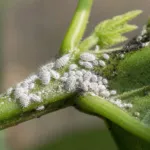 PestCotton mealybugPhenacoccus solenopsis Tinsley
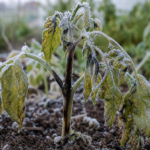 Environmental stressFreeze injury
 Environmental stressFrost injury
 Environmental stressChilling injury
Toxicity and pollen
The species is not generally recognized as poisonous, and the documented ornamental cultivar Dwarf Whitman Fern is listed as non-toxic to dogs and cats. Normal plant hygiene still applies: discourage chewing, wash hands after handling soil or plant material, and seek professional advice if a child or animal consumes a large amount or develops symptoms. Do not assume every plant sold under a fern label is this species.
- Pollination / pollen
- Wind- and water-dispersed spores, not pollen
Ferns do not produce airborne pollen. Nephrolepis cordifolia reproduces through spores, which can become airborne or move on water and surfaces. Spores are not equivalent to pollen, but people with respiratory sensitivities may still prefer good ventilation when handling large, mature specimens or potting material.
Native habitat
In its native range, the species occurs across tropical and subtropical parts of Asia, northern Australia, the western Indian Ocean, and tropical Africa. It may grow in moist swamps, ditches, rocky sites, and as an epiphyte. The plant tolerates a wider range of soils and drier conditions than many ferns, but vigorous growth is favored by warmth, moisture, organic matter, and humidity.
Interesting fact
The species forms underground tubers, a feature that helps distinguish it from some native sword ferns and contributes to its persistence. Its genus name refers to kidney-shaped sori coverings, while the epithet cordifolia means heart-leaved. Although commonly grown as an ornamental fern, it has naturalized and become invasive in some warm regions. Fronds may reach about 3 feet in cultivation and considerably more in favorable native habitats.
Frequently asked questions (FAQ)
The most relevant questions about this plant, with short and direct answers.
🌱Quick care
How do you care for a Fishbone Fern (Nephrolepis cordifolia)?⌄
Give Fishbone Fern bright filtered or indirect light, evenly moist but well-drained soil, moderate to high humidity, and protection from frost. Let excess water drain completely rather than leaving the pot standing in water. ([plants.ces.ncsu.edu](https://plants.ces.ncsu.edu/plants/nephrolepis-cordifolia/common-name/herringbone-fern/?utm_source=openai))
Is Fishbone Fern easy to grow indoors?⌄
Yes, Fishbone Fern is generally manageable indoors when it receives bright indirect light and consistent moisture. It is more forgiving of occasional dryness than some ferns, but prolonged dry soil can cause browning and frond loss. ([plants.ces.ncsu.edu](https://plants.ces.ncsu.edu/plants/nephrolepis-cordifolia/common-name/herringbone-fern/?utm_source=openai))
🌤️Environment and placement
How much light does Fishbone Fern need?⌄
Fishbone Fern grows best in bright filtered or indirect light. It tolerates partial shade, while intense direct afternoon sun can scorch fronds, especially indoors near an unfiltered window. ([plants.ces.ncsu.edu](https://plants.ces.ncsu.edu/plants/nephrolepis-cordifolia/common-name/herringbone-fern/?utm_source=openai))
Can Fishbone Fern grow in low light?⌄
Fishbone Fern can tolerate partial shade, but very low indoor light usually produces slower, thinner growth. Move it closer to a bright window or supplement with a grow light if new fronds are weak or sparse. ([plants.ces.ncsu.edu](https://plants.ces.ncsu.edu/plants/nephrolepis-cordifolia/common-name/herringbone-fern/?utm_source=openai))
Does Fishbone Fern need high humidity?⌄
Fishbone Fern performs best with moderate to high humidity, although established plants can tolerate somewhat drier air. Dry indoor air may cause brown tips, so a humidifier or naturally humid room can help. ([plants.ces.ncsu.edu](https://plants.ces.ncsu.edu/plants/nephrolepis-cordifolia/common-name/herringbone-fern/?utm_source=openai))
What temperature is best for Fishbone Fern?⌄
Keep Fishbone Fern in a warm, frost-free environment and protect it from cold drafts. It is best treated as frost tender in most of the United States, with outdoor plants moved indoors before freezing weather. ([plants.ces.ncsu.edu](https://plants.ces.ncsu.edu/plants/nephrolepis-cordifolia/common-name/herringbone-fern/?utm_source=openai))
💧Care and problems
How often should I water Fishbone Fern?⌄
Water Fishbone Fern when the surface of the mix begins to dry, then water thoroughly until excess drains from the pot. The exact frequency varies with light, temperature, pot size, and season, so check the soil rather than using a fixed schedule. ([rhs.org.uk](https://www.rhs.org.uk/plants/11507/nephrolepis-cordifolia/details?utm_source=openai))
Should Fishbone Fern soil dry out completely?⌄
No, Fishbone Fern should not remain completely dry for long periods because its fronds may crisp, curl, or drop. Keep the mix lightly and evenly moist while allowing excess water to drain freely. ([plants.ces.ncsu.edu](https://plants.ces.ncsu.edu/plants/nephrolepis-cordifolia/common-name/herringbone-fern/?utm_source=openai))
Why are my Fishbone Fern’s leaves turning brown?⌄
Brown tips or fronds usually indicate inconsistent watering, dry air, excessive sun, or accumulated salt in the soil. Check moisture and humidity first, then move the plant away from harsh direct light and trim fully dead tissue. ([rhs.org.uk](https://www.rhs.org.uk/plants/11507/nephrolepis-cordifolia/details?utm_source=openai))
Why is my Fishbone Fern turning yellow?⌄
Yellowing fronds can result from consistently wet soil, poor drainage, aging foliage, or stress from unsuitable light. Confirm that the container drains well and that the plant is not sitting in water. ([nativeplants.hawaii.edu](https://nativeplants.hawaii.edu/plants/nephrolepis-cordifolia/?utm_source=openai))
Can I use tap water for Fishbone Fern?⌄
Fishbone Fern can be grown with tap water, but softened, filtered, or rainwater may reduce problems from mineral or salt buildup. If leaf tips repeatedly brown despite good moisture and humidity, flush the mix occasionally with clean water. ([rhs.org.uk](https://www.rhs.org.uk/plants/11507/nephrolepis-cordifolia/details?utm_source=openai))
Does Fishbone Fern need fertilizer?⌄
Fishbone Fern benefits from light, balanced fertilization during active growth, but excessive fertilizer can burn its shallow roots. Follow the product label and dilute more cautiously if the plant is stressed or recently repotted. ([plants.ces.ncsu.edu](https://plants.ces.ncsu.edu/plants/nephrolepis-cordifolia/common-name/herringbone-fern/?utm_source=openai))
What pests attack Fishbone Fern?⌄
Fishbone Fern is generally trouble-free but may occasionally attract scale, mealybugs, ants, slugs, or fern caterpillars. Inspect fronds and stems regularly and address infestations promptly with an appropriate treatment. ([plants.ces.ncsu.edu](https://plants.ces.ncsu.edu/plants/nephrolepis-cordifolia/common-name/herringbone-fern/?utm_source=openai))
🪴Planting and repotting
What soil is best for Fishbone Fern?⌄
Use an organic-rich, loose, moisture-retentive but well-drained potting mix. A standard indoor potting mix amended with materials that improve aeration is preferable to dense garden soil. ([plants.ces.ncsu.edu](https://plants.ces.ncsu.edu/plants/nephrolepis-cordifolia/common-name/herringbone-fern/?utm_source=openai))
When should I repot Fishbone Fern?⌄
Repot Fishbone Fern when roots fill the container, growth slows, or water runs rapidly through the root ball. Spring is a suitable time, and the new pot should be only slightly larger with drainage holes. ([rhs.org.uk](https://www.rhs.org.uk/plants/11507/nephrolepis-cordifolia/details?utm_source=openai))
Can Fishbone Fern grow in a terrarium?⌄
Yes, Fishbone Fern can grow well in a terrarium or bottle garden when there is filtered light, moisture, and adequate ventilation. Avoid permanently saturated conditions, which can encourage root or frond rot. ([plants.ces.ncsu.edu](https://plants.ces.ncsu.edu/plants/nephrolepis-cordifolia/common-name/herringbone-fern/?utm_source=openai))
Can Fishbone Fern be planted outdoors in the United States?⌄
Fishbone Fern can grow outdoors year-round only in suitable warm, frost-free climates; elsewhere, grow it as a seasonal container plant or houseplant. Check local invasive-plant guidance before planting outdoors, particularly in Florida. ([plants.ces.ncsu.edu](https://plants.ces.ncsu.edu/plants/nephrolepis-cordifolia/common-name/herringbone-fern/?utm_source=openai))
✂️Propagation and pruning
How do you propagate Fishbone Fern?⌄
The most practical method is division: separate rooted sections of the plant and pot each division with roots and growing points attached. Fishbone Fern can also be grown from spores, but spore propagation is slower and less predictable. ([plants.ces.ncsu.edu](https://plants.ces.ncsu.edu/plants/nephrolepis-cordifolia/common-name/herringbone-fern/?utm_source=openai))
Can you propagate Fishbone Fern from its tubers?⌄
Yes, Fishbone Fern’s underground tubers can be separated with a small piece of stolon or attached growth and replanted. The division should include healthy roots or a viable growing point so it can establish successfully. ([nativeplants.hawaii.edu](https://nativeplants.hawaii.edu/plants/nephrolepis-cordifolia/?utm_source=openai))
Should I cut off dead Fishbone Fern fronds?⌄
Yes, remove completely dead, yellow, or badly damaged fronds at the base with clean scissors. Light pruning improves appearance and makes room for new growth, but avoid cutting healthy emerging fronds. ([plants.ces.ncsu.edu](https://plants.ces.ncsu.edu/plants/nephrolepis-cordifolia/common-name/herringbone-fern/?utm_source=openai))
⚠️Toxicity and safety
Is Fishbone Fern toxic to cats and dogs?⌄
Fishbone Fern is generally considered non-toxic to cats and dogs. Even non-toxic plants can cause mild stomach upset if eaten, so contact a veterinarian if a pet consumes a large amount or shows symptoms. ([peasandbeesco.com](https://www.peasandbeesco.com/plantcare/lemonbuttonfern?utm_source=openai))
Is Fishbone Fern safe for children?⌄
Fishbone Fern is generally regarded as non-toxic, making it a relatively suitable choice for homes with children. Normal plant-safety practices still apply because ingesting large amounts of any plant material can cause discomfort. ([peasandbeesco.com](https://www.peasandbeesco.com/plantcare/lemonbuttonfern?utm_source=openai))
🌸Flowering and special interest
Does Fishbone Fern produce flowers?⌄
No, Fishbone Fern does not produce flowers or seeds; it is a fern that reproduces through spores. Small sori may appear on the undersides of mature fronds and can look like brown or dark dots. ([plants.ces.ncsu.edu](https://plants.ces.ncsu.edu/plants/nephrolepis-cordifolia/common-name/herringbone-fern/?utm_source=openai))
What are the brown dots under Fishbone Fern leaves?⌄
The brown dots are usually sori, structures that contain spores for fern reproduction. They are a normal feature of mature fronds and are not automatically a sign of pests or disease. ([plants.ces.ncsu.edu](https://plants.ces.ncsu.edu/plants/nephrolepis-cordifolia/common-name/herringbone-fern/?utm_source=openai))
Similar plants
 Azure Monkshood (Aconitum carmichaelii) care guideAconitum carmichaelii
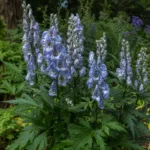 Monkshood (Aconitum ‘Stainless Steel’)Aconitum 'Stainless Steel'
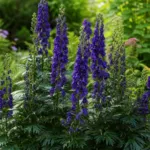 Monkshood (Aconitum ‘Bressingham Spire’)Aconitum 'Bressingham Spire'
 Golden full moon maple (Acer shirasawanum ‘Aureum’)Acer shirasawanum 'Aureum'
 Globosum (Acer platanoides ‘Globosum’)Acer platanoides 'Globosum'
 Striped maple (Acer pensylvanicum) care guideAcer pensylvanicum