
 Source:
 He African Moringa or cabbage tree (Moringa stenopetala) short overview
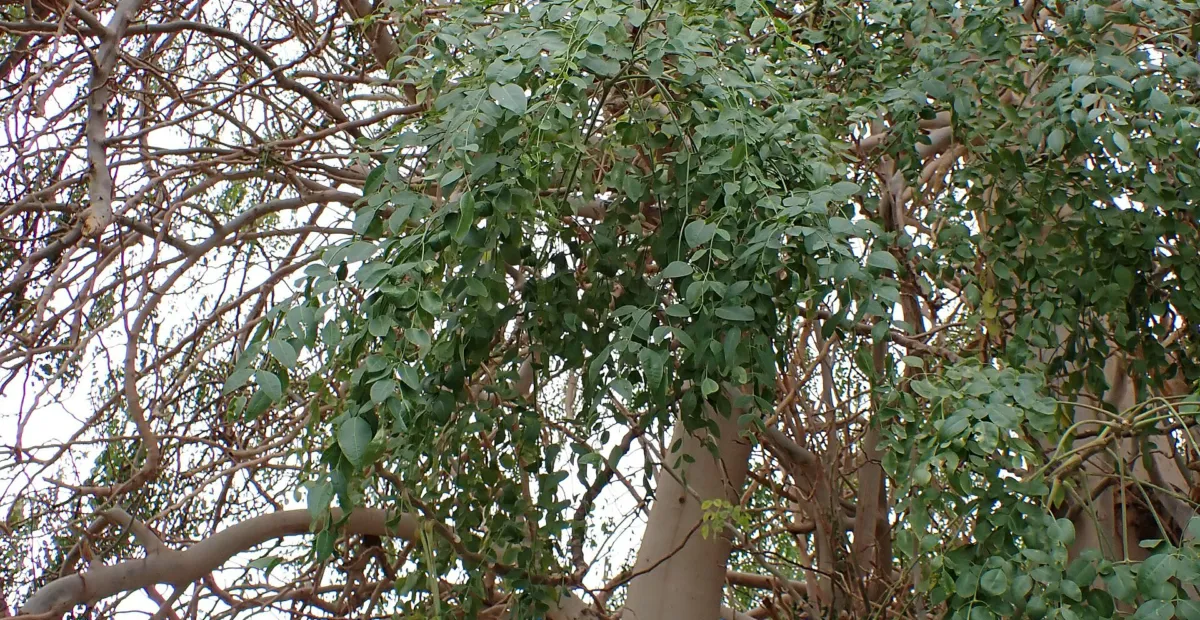
The African Moringa or cabbage tree is a drought-adapted, bottle-trunked species from Ethiopia and Kenya. Its rounded, bluish-green leaflets, pale flowers and long, angular seed pods give it a distinctive appearance. In the United States it is best treated as a frost-tender tropical tree, grown outdoors only in warm climates or in a large container that can be protected indoors during cold weather.
Taxonomic classification
He African Moringa or cabbage tree (Moringa stenopetala) care guide
Light and placement
Give this tree the brightest position available: full sun with at least 6–8 hours of direct light, ideally in a south- or west-facing location. In containers, acclimate gradually before moving into intense summer sun. Weak, stretched growth and sparse foliage indicate insufficient light; scorched patches after a sudden move usually indicate sun shock rather than a permanent light requirement.
Watering and humidity
Water thoroughly, then allow the soil to dry substantially before watering again. During active summer growth, check containers regularly but do not keep the root zone constantly wet. Reduce watering sharply in cool weather or after leaf drop, and keep nearly dry while overwintering indoors. Humidity is usually less important than excellent drainage and airflow.
Soil and growing medium
Use a very open mix that drains quickly, such as a cactus-style medium amended with coarse mineral material. In the ground, a sandy or rocky site is preferable to heavy clay; raised planting can help where drainage is marginal. The species tolerates a broad pH range, but persistent saturation is more damaging than modest pH variation.
Feeding
Feed only during active growth, using a balanced liquid fertilizer at half strength about once every 4–6 weeks, or apply a modest amount of slow-release fertilizer in spring. Do not fertilize a leafless, recently stressed or cold-stored plant. Excess nitrogen can produce soft, elongated growth that is more difficult to manage indoors.
Growth and habit
This is a woody perennial tree with a swollen, water-storing trunk and seasonal leaf loss in dry or cool conditions. It can grow quickly when warm, sunny and well watered, but responds poorly to cold wet roots. Container plants are easier to maintain when young and can be cut back after active growth to encourage a manageable branching framework.
Planting and repotting
Choose the hottest, brightest, fastest-draining site available. Plant after frost danger has passed and warm soil encourages new roots. Keep the trunk base above surrounding grade in heavy or seasonally wet soil. Water deeply during establishment, then extend the interval as roots settle. In most of the United States, a large movable container is the more practical option.
Repot in spring or early summer when the plant is actively growing, moving only one container size larger. Use a heavy pot for stability and a sharply draining mix. Handle the swollen stem and roots carefully, keep the trunk base at its previous level, and wait briefly before the first thorough watering if roots were disturbed.
Propagation and pruning
Propagation
Propagate from fresh seed or suitable stem cuttings. Sow seed in a very free-draining medium and keep it warm with restrained watering until growth begins. Cuttings need warmth, bright indirect light and a porous medium. Seed-grown plants may vary in vigor and form; practical success depends strongly on temperature and moisture control.
Pruning
Prune during warm active growth, removing dead, crossing or weak branches first. Tip-pruning can encourage branching and keep container plants compact. Avoid heavy pruning immediately before cold weather, because tender regrowth is vulnerable to chilling. Make clean cuts and do not leave the trunk base buried or constantly shaded.
Overwintering
Move containers indoors before nights become cool, placing them in the brightest available window or under a strong grow light. Keep the plant warm, reduce watering as growth slows, and avoid placing it beside cold glass or heat vents. Leaf drop indoors can occur; prevent cold, wet soil rather than trying to maintain lush growth through winter.
Uses
The species is grown as a food and multipurpose tree in parts of East Africa, especially for its leaves and pods. In the United States it is mainly an ornamental or container specimen and a specialty leafy-green crop in warm climates. Use only correctly identified, properly prepared plant material and avoid making medicinal claims unsupported by clinical evidence.
Appearance
The species is recognized by its swollen bottle-like trunk, smooth pale bark, compound leaves with rounded leaflets, and long, narrow to angular hanging pods. The crown can look airy rather than dense. Leaf drop during drought or cool conditions is a normal adaptation, while persistent soft stems and yellowing in wet soil suggest root stress.
Flowering
Flowers are produced in branched inflorescences and are followed by elongated seed pods. Reliable month-by-month flowering data for cultivated plants in the United States is limited because flowering depends strongly on warmth, drought cycles, plant age and container conditions.
Pollination and visitors
The flowers are insect-pollinated, but a reliable species-level account of the principal visitors for Moringa stenopetala was not established in the available sources. Do not assume that observations reported for Moringa oleifera apply exactly to this species.
Moringa stenopetala photos
Click any photo for a larger view. Source, author and license are shown separately.
Diseases and pests
Diseases
The main preventable problem is root or stem rot caused by cold, saturated soil. Use a porous medium, a draining container and careful winter watering. Remove damaged tissue, improve airflow and isolate affected plants. Yellowing combined with soft stems or an odor from the mix warrants immediate inspection of the roots.
Pests
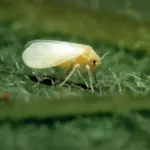
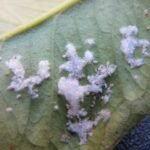
Inspect new growth and leaf undersides for spider mites, aphids, whiteflies and scale, especially indoors. Rinse foliage when practical, improve airflow and remove heavily infested material. Use insecticidal soap or horticultural oil only according to the product label and test a small area first, since stressed foliage can be sensitive.
Related diseases and pests
Only Plant Doctor profiles whose host data indicate this plant may be affected are shown here.

Toxicity and pollen
Reliable species-specific human and companion-animal toxicity data were not established in the available authoritative sources. Although leaves and pods are used as food in parts of East Africa, that history does not prove that every plant part or preparation is safe. Avoid consuming roots, bark, concentrated extracts or unverified material, and seek professional advice after a significant exposure.
- Typical season
- During flowering; US timing is variable
- Pollination / pollen
- Insect-carried pollen; airborne exposure has not been well characterized for this species.
Moringa stenopetala produces pollen, but reliable measurements of airborne pollen levels and documented allergy cases for this exact species are scarce. Its insect-pollinated flowers may reduce long-distance pollen dispersal compared with wind-pollinated trees, but that is not evidence of zero allergy risk. People with pollen sensitivity should avoid handling flowers during active bloom if symptoms occur.
Native habitat
Native populations occur in seasonally dry tropical regions of Ethiopia and Kenya, including rocky areas, dry scrub, woodland and watercourse margins. The species is adapted to pronounced dry periods, intense sunlight and soils that drain rapidly, often storing water in its swollen trunk.
Interesting fact
Its swollen trunk is a water-storage adaptation associated with seasonally dry habitats. The species is one of the bottle-trunked members of Moringa. It has been cultivated in southern Ethiopia as a leafy food plant. Its accepted name has the synonym Donaldsonia stenopetala.
Frequently asked questions (FAQ)
The most relevant questions about this plant, with short and direct answers.
🌱Quick care
What is Moringa stenopetala, the African Moringa or cabbage tree?⌄
Moringa stenopetala is a drought-adapted tree in the Moringaceae family, native to Ethiopia and Kenya. It is valued for its swollen trunk, edible leaves in its native cultivation areas, and tolerance of hot, seasonally dry conditions.
How much sunlight does Moringa stenopetala need?⌄
Give Moringa stenopetala full sun, ideally at least 6 hours of direct sunlight daily. Strong light supports compact growth and reduces the risk of weak, stretched stems.
How often should I water Moringa stenopetala?⌄
Water Moringa stenopetala deeply but infrequently, allowing the soil to dry substantially between waterings. Reduce watering further during cool or dormant periods, because persistently wet soil can cause root problems.
Is Moringa stenopetala drought tolerant?⌄
Yes, established Moringa stenopetala is highly drought tolerant because it stores water in its swollen trunk and roots. Young plants still need regular watering while establishing, especially in hot, dry weather.
🌤️Environment and placement
Can Moringa stenopetala grow outdoors in the United States?⌄
Moringa stenopetala can grow outdoors year-round only in frost-free parts of the United States. In areas with freezing temperatures, grow it in a container or move it indoors for winter protection.
What USDA hardiness zone is suitable for Moringa stenopetala?⌄
Moringa stenopetala is best suited to warm, frost-free USDA zones, generally around Zones 10–11. Because reliable zone guidance is limited for this exact species, gardeners in marginal areas should treat it as frost tender and provide winter protection.
Can Moringa stenopetala survive frost?⌄
No, Moringa stenopetala is frost tender and may be damaged or killed by freezing temperatures. Protect container plants before the first frost and keep them warm, bright, and relatively dry through winter.
What soil is best for Moringa stenopetala?⌄
Use sandy, rocky, sharply drained soil for Moringa stenopetala. Avoid heavy clay or sites that stay waterlogged, and amend poor drainage rather than simply increasing watering.
Can Moringa stenopetala grow in a pot?⌄
Yes, Moringa stenopetala can be grown in a large container with excellent drainage and a gritty soil mix. Container culture is especially useful in the United States where winter freezes occur, but the plant may eventually become root-bound or top-heavy.
💧Care and problems
Why are the leaves falling off my Moringa stenopetala?⌄
Leaf drop can be normal during seasonal dormancy, especially when temperatures fall or conditions become dry. Sudden leaf loss during warm weather may also indicate overwatering, poor drainage, root damage, or inadequate light.
Why is my Moringa stenopetala trunk soft or rotting?⌄
A soft or rotting trunk usually indicates excess moisture, poor drainage, cold wet conditions, or physical damage. Move the plant to a warm, sunny location, stop routine watering until the soil dries, and remove severely decayed tissue if recovery is still possible.
Does Moringa stenopetala need fertilizer?⌄
Moringa stenopetala generally needs little fertilizer when grown in well-drained soil with adequate sunlight. If growth is weak, use a light application of balanced fertilizer during active growth, but avoid heavy feeding that encourages soft, overly lush growth.
How fast does Moringa stenopetala grow?⌄
Moringa stenopetala can grow rapidly in warm weather when it receives full sun, heat, and adequate water during establishment. Growth slows markedly in cool conditions or when the plant enters dormancy.
🪴Planting and repotting
When should I plant Moringa stenopetala outdoors?⌄
Plant Moringa stenopetala outdoors after the danger of frost has passed and soil temperatures are warm. Choose the warmest part of the growing season and a site that drains quickly after rain.
How deep should I plant Moringa stenopetala seeds?⌄
Sow Moringa stenopetala seeds shallowly, roughly one-half to 1 inch deep, in a loose, sharply drained medium. Keep the medium lightly moist and warm until germination, then avoid saturated conditions.
Can I transplant Moringa stenopetala seedlings?⌄
Yes, but transplant Moringa stenopetala seedlings carefully because young roots can be disturbed easily. Move them while small, keep the root ball intact, and provide bright light with moderate moisture until new growth resumes.
✂️Propagation and pruning
How do you propagate Moringa stenopetala?⌄
Moringa stenopetala is most commonly propagated from seed, although stem cuttings may also be possible. Fresh, viable seed and warm temperatures generally provide the most dependable starting method.
How long do Moringa stenopetala seeds take to germinate?⌄
Moringa stenopetala seeds may germinate in about 1–3 weeks under warm, well-drained conditions, but timing varies with seed freshness and temperature. Discard seeds that remain soft or moldy rather than keeping the medium constantly wet.
Should I soak Moringa stenopetala seeds before planting?⌄
Soaking Moringa stenopetala seeds for several hours before sowing may help hydrate them, but it is not essential. The more important requirements are fresh seed, warmth, shallow sowing, and a medium that drains freely.
Can Moringa stenopetala be pruned?⌄
Yes, Moringa stenopetala tolerates pruning and can be cut back to control height or encourage branching. Prune during active warm-season growth and avoid severe pruning immediately before cold or wet weather.
How do I keep Moringa stenopetala small?⌄
Keep Moringa stenopetala small by regularly tip-pruning vigorous shoots and removing weak or crossing branches. Container growing and annual warm-season pruning can make the plant more manageable, but it will still develop a tree-like form.
⚠️Toxicity and safety
Is Moringa stenopetala toxic to people or pets?⌄
Toxicity evidence for Moringa stenopetala is insufficient, so it should not be assumed safe for people or pets. Avoid eating ornamental plants or plant parts unless their identity, preparation, and food safety have been confirmed by a qualified local or medical source.
Are Moringa stenopetala leaves edible?⌄
Leaves of Moringa stenopetala are traditionally used as food in parts of Ethiopia and Kenya, but evidence does not establish that every cultivated plant or preparation is safe. Do not use leaves, pods, flowers, roots, or seeds medicinally without reliable species-specific guidance.
Can Moringa stenopetala be used as a medicinal plant?⌄
Moringa stenopetala has documented traditional uses, but that does not prove the safety or effectiveness of medicinal preparations. Consult a qualified healthcare professional before consuming extracts, concentrated powders, roots, seeds, or other preparations.
🌸Flowering and special interest
Does Moringa stenopetala flower?⌄
Yes, mature Moringa stenopetala produces flowers, but flowering is most likely when the plant has strong sunlight, warm temperatures, and enough time to reach maturity. Container plants or plants repeatedly exposed to cold may flower rarely or not at all.
Why is my Moringa stenopetala not flowering?⌄
Lack of flowering is commonly related to insufficient maturity, limited sunlight, cool temperatures, excessive nitrogen, or repeated pruning before flowering wood develops. Provide full sun, warm conditions, excellent drainage, and patience.
Similar plants
 Azure Monkshood (Aconitum carmichaelii) care guideAconitum carmichaelii
 Monkshood (Aconitum ‘Stainless Steel’)Aconitum 'Stainless Steel'
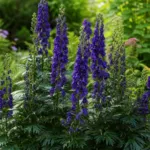 Monkshood (Aconitum ‘Bressingham Spire’)Aconitum 'Bressingham Spire'
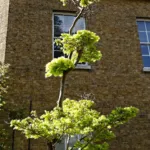 Golden full moon maple (Acer shirasawanum ‘Aureum’)Acer shirasawanum 'Aureum'
 Globosum (Acer platanoides ‘Globosum’)Acer platanoides 'Globosum'
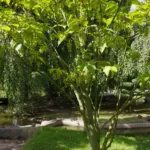 Striped maple (Acer pensylvanicum) care guideAcer pensylvanicum