
 Source:
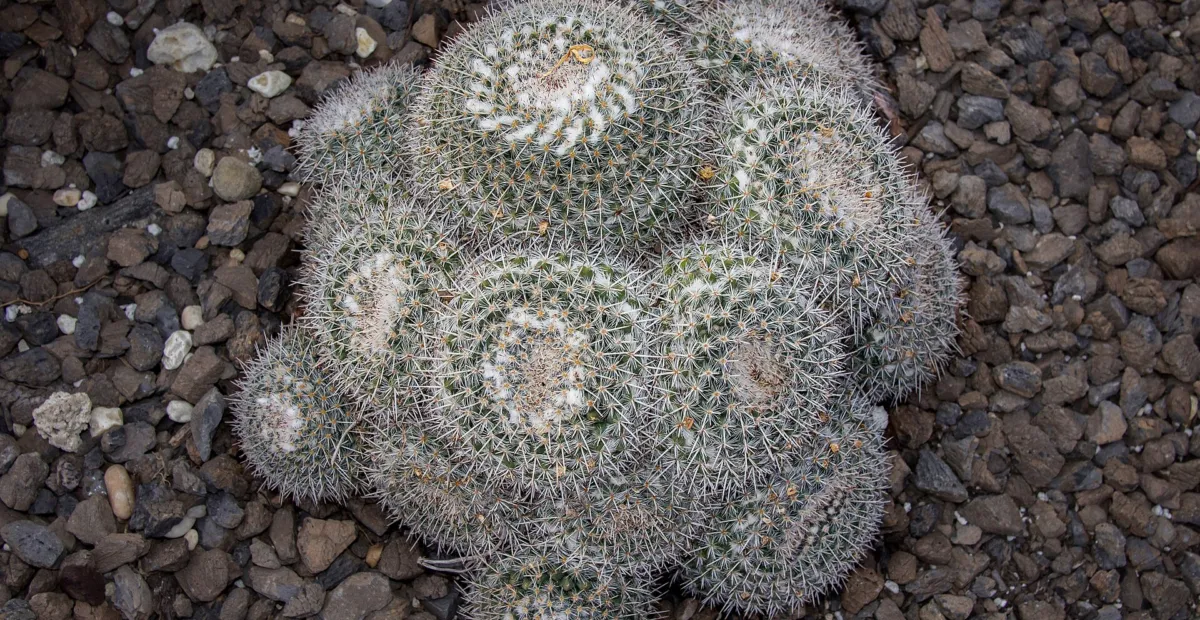
 Owl-eye pincushion or owl-eye cactus (Mammillaria parkinsonii) short overview
Mammillaria parkinsonii, commonly called the owl-eye pincushion or owl-eye cactus, is a compact Mexican cactus valued for its blue-green, tubercled stems and dense white spination. Brown-tipped central spines create a distinctive facial pattern, while pale yellow flowers with pink markings form a ring near the stem apex in spring. It is best grown in a sharply drained container, with bright light, restrained watering, and a dry winter rest.
Taxonomic classification
Owl-eye pincushion or owl-eye cactus (Mammillaria parkinsonii) care guide
Light and placement
Provide several hours of direct sun, ideally in a south- or west-facing window, greenhouse, or acclimated patio position. Introduce intense outdoor light gradually to prevent scorching. Pale color, weak spines, or elongated growth indicate insufficient light; bleached patches or crispy tan areas indicate excessive sudden exposure.
Watering and humidity
Water thoroughly only after the mix has dried completely, allowing excess water to drain away. During spring and summer, the interval may be roughly every 2–4 weeks depending on heat, pot size, and airflow. Reduce sharply in fall and keep nearly dry in winter. Do not mist; low humidity and fast drying are safer than damp air.
Soil and growing medium
Use a very porous cactus mix dominated by mineral grit, coarse sand, pumice, or perlite. The container must drain freely, because stagnant moisture around the roots can cause rapid rot. The species tolerates somewhat acidic, neutral, or mildly alkaline media; excellent drainage is more important than a narrowly controlled pH.
Feeding
Feed only during active spring and summer growth, using a balanced or cactus fertilizer diluted to about one-quarter strength every 3–4 weeks. Water first if the root ball is completely dry, then fertilize with the next watering. Stop feeding in late summer or early fall and do not fertilize during the cool, dry winter rest.
Growth and habit
This cactus begins with a rounded to depressed-globose stem and may become short-cylindrical with age. Plants can remain solitary or produce offsets, eventually forming a compact cluster. Slow growth and a dry winter rest help maintain dense spination and reduce stretching; insufficient light produces elongated, weaker growth.
Planting and repotting
Plant outdoors only in frost-free or reliably protected locations with sharply drained soil. Set the root ball at its original depth, never burying the stem base. Space plants so air can circulate and mature clumps do not press against neighboring specimens. Establish with light watering, then allow the medium to dry thoroughly.
Repot in spring or early summer only when the mix is dry and the plant is actively growing. Use a pot with a drainage hole, move up only one size, and allow damaged roots to dry before watering. Heavy gloves, folded newspaper, or cactus tongs help protect both plant and grower from the spines.
Propagation and pruning
Propagation
Sow fresh seed in spring or early summer in a sterile, gritty medium kept lightly moist and warm, approximately 66–75°F. Offsets can be separated during active growth when they have developed their own roots or a suitable basal connection. Let wounds callus before planting, and introduce water gradually after rooting.
Pruning
No routine pruning is needed. Remove dead flowers or damaged offsets with sterilized tools only after the tissue is dry. Avoid cutting healthy stems simply to control size; allow the plant to grow naturally or propagate an offset if space is limited.
Overwintering
Bring containers indoors before temperatures approach freezing. Keep the plant bright, cool to moderately warm, and almost completely dry through winter. Avoid placing it beside humidifiers or in rooms where poor airflow keeps the soil damp. Resume watering gradually in spring when new growth or flower-bud activity appears.
Uses
Primarily an ornamental specimen for cactus collections, windowsills, conservatories, sunny patios, and protected rock-garden displays. Its compact form and distinctive spination suit small containers. Do not present it as a culinary or medicinal plant; the spines make handling and placement important.
Appearance
The stem is blue-green and covered with prominent pyramid-shaped tubercles arranged in regular rows. Dense white radial spines create a frosted appearance, while a few stronger central spines are curved and brown-tipped. White wool occurs in the axils and near the crown. Flowers form a ring below the growing apex.
Flowering
Flowers are funnel-shaped and appear in a subapical ring or halo. They are pale creamy yellow, often with pink or reddish mid-stripes. Cultivated plants commonly bloom in spring, with flowering reported from March through June in U.S. garden conditions. Flowering is more reliable after a bright, dry winter rest and sufficient maturity.
Pollination and visitors
Reliable species-specific pollinator or visitor records were not located. The flowers may be visited by insects, but a particular visitor group should not be asserted without stronger documentation.
Mammillaria parkinsonii photos
Click any photo for a larger view. Source, author and license are shown separately.
Diseases and pests
Diseases
The main risk is root or stem rot caused by wet soil, poor drainage, or watering during cool, inactive conditions. Use a porous medium, keep water out of the crown, and inspect for soft, discolored tissue. Remove affected tissue only when localized, let cuts callus, and reroot or replace badly rotted plants.
Pests
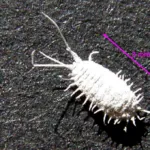
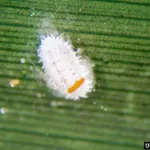
Mealybugs may hide among the wool, tubercles, or roots. Inspect new growth and stem crevices regularly, isolate affected plants, remove visible insects with a careful cotton swab, and improve airflow. Severe infestations may require a labeled houseplant insecticide used according to its U.S. product instructions.
Related diseases and pests
Only Plant Doctor profiles whose host data indicate this plant may be affected are shown here.
Toxicity and pollen
No authoritative species-specific toxicology record was found. The plant should not be treated as edible or harmless by default: spines can puncture skin, glochids or spine fragments can irritate tissue, and ingestion of plant material may cause mechanical or gastrointestinal irritation. Keep away from children and pets and seek medical or veterinary advice after significant exposure.
- Pollination / pollen
- Flower pollen; airborne relevance not documented
Mammillaria parkinsonii produces pollen as a flowering cactus, but authoritative information specifically measuring airborne pollen release or allergy risk for this species was not found. Because the flowers are generally insect-associated and the plant is usually grown in containers, routine airborne exposure is likely limited, but sensitive individuals should avoid handling flowers during symptoms.
Native habitat
Native to Mexico, with Kew recording a range from Guanajuato to Veracruz. It occurs in dry shrubland and desert-associated environments where porous mineral soils, seasonal rainfall, intense light, and pronounced dry periods shape its growth cycle.
Interesting fact
The species is named parkinsonii after the English botanist John Parkinson. Its dense white radial spines contrast with darker central spines, producing the owl-eye appearance associated with its common name. Kew records the accepted species as native to Mexico from Guanajuato to Veracruz. The plant can remain solitary or form clumps with age.
Frequently asked questions (FAQ)
The most relevant questions about this plant, with short and direct answers.
🌱Quick care
What is Mammillaria parkinsonii commonly called?⌄
Mammillaria parkinsonii is commonly called the owl-eye pincushion or owl-eye cactus. It is a clumping, spiny cactus in the family Cactaceae.
Is Mammillaria parkinsonii easy to grow?⌄
Mammillaria parkinsonii is generally manageable for beginners who provide strong light, gritty soil, and careful watering. The main risk is root or stem rot from staying wet.
How much light does Mammillaria parkinsonii need?⌄
Mammillaria parkinsonii grows best in full sun or several hours of strong direct light daily. Acclimate it gradually when moving it from shade to intense sunlight to prevent sunscald.
How often should I water Mammillaria parkinsonii?⌄
Water Mammillaria parkinsonii thoroughly only after its soil has dried completely. Water much less often in winter, and keep it nearly dry during cool, low-light dormancy.
What soil is best for Mammillaria parkinsonii?⌄
Use a very well-drained sandy or gritty cactus mix for Mammillaria parkinsonii. The container must have a drainage hole, because dense or water-retentive soil can cause rot.
🌤️Environment and placement
Can Mammillaria parkinsonii grow outdoors in the United States?⌄
Mammillaria parkinsonii can grow outdoors year-round only in warm, dry areas where frost is uncommon. In most of the United States, grow it in a container and move it indoors before freezing weather.
Is Mammillaria parkinsonii frost hardy?⌄
Mammillaria parkinsonii is frost tender and should not be allowed to freeze. Keep it dry and protected when temperatures approach freezing, especially if the plant is outdoors.
What USDA zones can grow Mammillaria parkinsonii outdoors?⌄
Mammillaria parkinsonii is best treated as an outdoor container plant in much of the United States rather than assigned a reliable year-round USDA zone. Frost-free, dry climates offer the safest outdoor conditions.
Where should I place Mammillaria parkinsonii indoors?⌄
Place Mammillaria parkinsonii in the sunniest window available, preferably a south- or west-facing window. A grow light may be needed if the plant becomes pale, stretched, or weak.
Does Mammillaria parkinsonii need good air circulation?⌄
Mammillaria parkinsonii benefits from good air circulation, particularly after watering and in humid conditions. Air movement helps the soil dry and reduces the risk of fungal or rot problems.
💧Care and problems
Why is my Mammillaria parkinsonii turning soft or brown?⌄
A soft, dark, or rapidly browning Mammillaria parkinsonii often has rot caused by excess moisture. Stop watering, inspect the roots and stem, and remove severely rotted tissue with a sterile blade if salvage is possible.
Why is my Mammillaria parkinsonii stretching?⌄
Mammillaria parkinsonii stretches when it does not receive enough light. Move it gradually into brighter light, because an already elongated section will not return to its original compact shape.
How do I water Mammillaria parkinsonii in winter?⌄
Water Mammillaria parkinsonii very sparingly in winter and only when the plant is warm, receiving adequate light, and the soil is completely dry. In cool indoor conditions, withholding water is usually safest.
Does Mammillaria parkinsonii need fertilizer?⌄
Mammillaria parkinsonii can receive a diluted cactus fertilizer during active spring and summer growth. Do not fertilize dry, dormant, recently repotted, or visibly unhealthy plants.
What pests affect Mammillaria parkinsonii?⌄
Mealybugs and scale insects can affect Mammillaria parkinsonii, especially in indoor collections. Inspect between tubercles and around the roots, and isolate affected plants before treatment.
🪴Planting and repotting
What type of pot is best for Mammillaria parkinsonii?⌄
A pot with a drainage hole is essential for Mammillaria parkinsonii, and an unglazed clay pot can help the mix dry faster. Choose a pot only slightly larger than the root system.
When should I repot Mammillaria parkinsonii?⌄
Repot Mammillaria parkinsonii during active growth, usually in spring or early summer, when the plant has outgrown its container or the soil has degraded. Allow damaged roots to dry before watering after repotting.
How do I repot Mammillaria parkinsonii without getting pricked?⌄
Handle Mammillaria parkinsonii with folded newspaper, thick gloves, or cactus tongs rather than bare hands. Avoid crushing the stem or bending the spines while loosening the root ball.
✂️Propagation and pruning
How can I propagate Mammillaria parkinsonii?⌄
Mammillaria parkinsonii can be propagated from offsets or seeds. Offsets are the quicker method when available, while seed propagation is useful for producing new plants and preserving genetic diversity.
Can Mammillaria parkinsonii be grown from pups?⌄
Mammillaria parkinsonii can be grown from pups that develop as offsets around the parent plant. Separate a healthy offset with a clean cut, let the wound callus, and plant it in dry, gritty mix before watering lightly.
How do I grow Mammillaria parkinsonii from seed?⌄
Sow Mammillaria parkinsonii seeds on a sterile, well-drained medium and keep them warm, lightly moist, and bright until they germinate. Seedlings require protection from harsh direct sun and prolonged saturation.
Does Mammillaria parkinsonii need pruning?⌄
Mammillaria parkinsonii normally does not need pruning. Remove only dead, diseased, or badly damaged growth with sterile tools, and allow cut surfaces to dry before exposure to moisture.
⚠️Toxicity and safety
Is Mammillaria parkinsonii poisonous to cats or dogs?⌄
Species-specific toxicity information for Mammillaria parkinsonii is uncertain, so prevent cats, dogs, and children from chewing it. Its spines can cause painful punctures and may break off in skin.
Are Mammillaria parkinsonii spines dangerous?⌄
Mammillaria parkinsonii has physically hazardous spines that can puncture skin and irritate eyes. Wear hand and eye protection when repotting or handling the plant.
🌸Flowering and special interest
Does Mammillaria parkinsonii flower?⌄
Mammillaria parkinsonii can produce small flowers in a ring near the top of mature stems. Bright light, proper summer growth, and a cool, dry winter rest can support flowering.
When does Mammillaria parkinsonii bloom?⌄
Mammillaria parkinsonii commonly blooms in spring under cultivation, although timing varies with light, temperature, age, and winter dormancy. A plant that is too young, shaded, or kept warm and wet in winter may not flower.
Why is my Mammillaria parkinsonii not flowering?⌄
Insufficient light, lack of maturity, or no cool and dry winter rest are common reasons Mammillaria parkinsonii fails to flower. Improve light and seasonal conditions gradually rather than increasing water or fertilizer.
Does Mammillaria parkinsonii form a clump?⌄
Mammillaria parkinsonii is known for clumping and distinctive dichotomous branching, in which a stem divides into two growing points. Older plants can develop multiple heads and a broad, sculptural form.
Similar plants
 Azure Monkshood (Aconitum carmichaelii) care guideAconitum carmichaelii
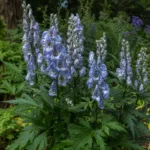 Monkshood (Aconitum ‘Stainless Steel’)Aconitum 'Stainless Steel'
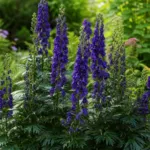 Monkshood (Aconitum ‘Bressingham Spire’)Aconitum 'Bressingham Spire'
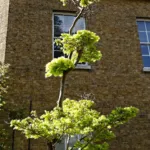 Golden full moon maple (Acer shirasawanum ‘Aureum’)Acer shirasawanum 'Aureum'
 Globosum (Acer platanoides ‘Globosum’)Acer platanoides 'Globosum'
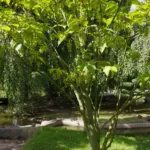 Striped maple (Acer pensylvanicum) care guideAcer pensylvanicum