
 Source:
 Himalayan Crane’s-bill (Geranium himalayense) short overview
Himalayan Crane's-bill is a hardy, rhizomatous perennial that forms a broad mat of finely divided, palmate foliage. In summer, it produces open light blue flowers marked with pale or white eyes, often offering a second flush in early fall. Give it full sun to partial shade and moderately fertile, moist but well-drained soil. Its relaxed spread suits borders, gravel gardens, wildlife plantings, shrub underplanting, and informal ground-cover use.
Taxonomic classification
Himalayan Crane’s-bill (Geranium himalayense) care guide
Light and placement
Grow in full sun for the strongest flowering, or partial shade where summers are hot. An east-, south-, or west-facing border can work if soil does not dry excessively; afternoon shade is useful in hot regions. Too little light causes weaker stems and fewer flowers, while excessive heat and reflected sun can scorch or wilt foliage.
Watering and humidity
Water deeply when the upper inch of soil begins to dry during the first growing season. Once established, maintain moderate, even moisture but never leave the crown saturated. Water more often during hot, dry spells and less in cool or rainy weather. Good drainage matters more than high humidity.
Soil and growing medium
Use moderately fertile, moisture-retentive but well-drained soil. Loam, clay, sand, and chalk-based soils can work if drainage is reliable. The species tolerates acid, neutral, or alkaline conditions, but stagnant winter moisture is the main soil risk.
Feeding
Apply a balanced, slow-release perennial fertilizer or a thin compost mulch in spring if the soil is poor. Avoid heavy nitrogen feeding, which can produce lush, floppy foliage and fewer flowers. Do not fertilize drought-stressed, waterlogged, or newly divided plants until they resume active growth.
Growth and habit
A rhizomatous perennial that gradually forms a low, spreading mat rather than a sharply upright clump. It can knit through neighboring plants without being an aggressive runner. Remove spent flowering stems to encourage a cleaner habit and possible rebloom; divide when the center becomes crowded.
Planting and repotting
Plant in spring or early fall while soil is workable. Set the crown at the same level as in its nursery pot, firm gently, and water deeply during establishment. Allow roughly 18–24 inches between plants where a broad mat is wanted; use closer spacing for faster cover.
Repot container plants in spring when roots fill the pot. Move into fresh, well-drained multipurpose potting mix and a container only modestly larger than the root ball. Handle the rhizomatous crown carefully and water thoroughly after transplanting.
Propagation and pruning
Propagation
Divide established clumps in spring, separating rhizomatous sections with healthy roots and shoots. Basal cuttings can be taken in early to mid-spring and rooted with bottom heat. Seed propagation is possible, but germination and offspring uniformity may be less predictable than division.
Pruning
After the main flowering flush, remove spent stems and tired leaves to encourage fresh foliage and possible repeat bloom. Cut back remaining old growth in late fall or very early spring once it has lost its ornamental value, taking care not to damage the crown.
Overwintering
Plants grown in the ground are generally winter hardy in USDA Zones 4–8. Leave a light layer of mulch over the root zone in regions with severe freeze-thaw cycles, but keep mulch away from the crown. Container plants are more exposed to root freezing and should be placed in a sheltered location or insulated.
Uses
Primarily an ornamental perennial for borders, gravel gardens, informal plantings, wildlife gardens, shrub underplanting, and broad ground-cover effects. It is not recommended as an edible or medicinal plant because authoritative support for such uses is lacking and the RHS reports harm if eaten.
Appearance
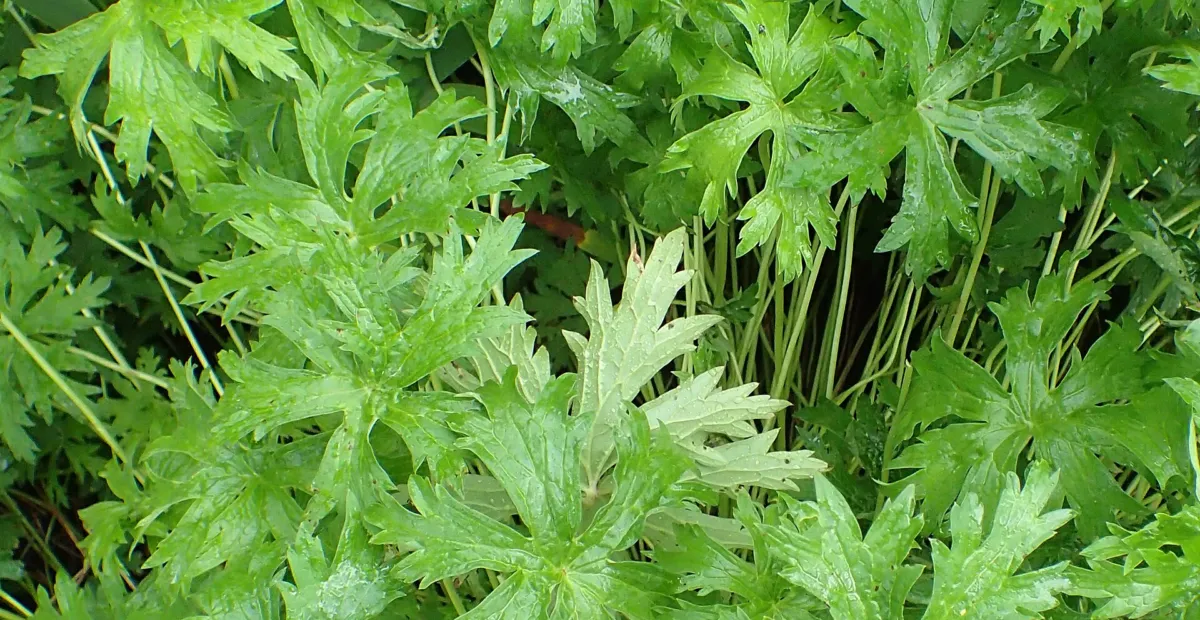
The plant has a low, spreading habit with a rhizomatous crown and rounded, deeply divided palmate leaves. Flowering stems rise above the foliage and carry broad, open blue blooms with contrasting pale eyes. Deciduous foliage can develop attractive autumn coloration before dormancy.
Flowering
This true flowering plant bears open, five-petaled flowers in light blue to violet-blue shades, commonly with a pale or white eye. Blooms are produced in summer and may return in early fall, especially after removing spent stems. Flower size is about 1.6–2.4 inches across.
Pollination and visitors
The open, accessible flowers are characteristic of insect visitation, with bees, bumblebees, and hoverflies documented or considered reliable visitor groups for hardy Geranium flowers. This describes flower visitation and does not establish the plant as risk-free for pollen-sensitive people.
Geranium himalayense photos
Click any photo for a larger view. Source, author and license are shown separately.
Diseases and pests
Diseases
Watch for powdery mildew and downy mildew, particularly where foliage stays crowded, shaded, or wet overnight. Improve air circulation, water at the soil surface, remove badly affected leaves, and avoid unnecessary overhead irrigation. Clean up old foliage at season's end.
Pests
Vine weevil, capsid bugs, and sawfly larvae may occur. Inspect leaves and crowns regularly, especially on container plants. Remove affected foliage or larvae by hand where practical, maintain plant vigor, and use targeted controls only when damage is significant and the product is labeled for the site.
Related diseases and pests
Only Plant Doctor profiles whose host data indicate this plant may be affected are shown here.
 DiseaseBacterial blight of geraniumXanthomonas hortorum pv. pelargonii
 DiseaseCucumber mosaic virusCucumber mosaic virus
 DiseaseMaple powdery mildewSawadaea bicornis
 DiseaseCucurbit Downy MildewPseudoperonospora cubensis (Berk. & M.A. Curtis) Rostovzev
 PestBlack Vine WeevilOtiorhynchus sulcatus
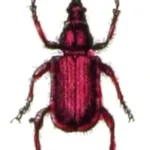 PestPeach weevilRhynchites bacchus
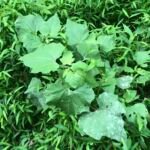 DiseaseCucurbit Powdery MildewPodosphaera xanthii (Castagne) U. Braun & Shishkoff
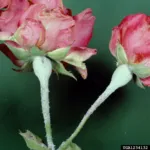 DiseaseRose powdery mildewPodosphaera pannosa
Toxicity and pollen
The RHS lists this plant as potentially harmful if eaten and advises protective handling. Because plant-specific toxicology data for humans and pets are limited, do not eat it and prevent children or animals from chewing the foliage, flowers, or roots. Contact a poison-control or veterinary professional after a concerning ingestion.
- Typical season
- Typically late spring through summer in the United States
- Pollination / pollen
- Insect-dispersed floral pollen; airborne relevance not well documented
No reliable species-specific United States airborne-pollen or clinical allergy profile was located. The flowers are generally insect-pollinated, but insect pollination does not prove zero allergy risk. People with known plant sensitivities should avoid prolonged handling during bloom and monitor their own response.
Native habitat
The species is associated with Himalayan and Central Asian regions, including Afghanistan, India, Nepal, Pakistan, Tajikistan, Tibet, Uzbekistan, and the western Himalaya. Regional floristic information places it in meadows, grasslands, open woods, roadsides, and other open habitats, generally in cool temperate to montane settings.
Interesting fact
The name has a documented taxonomic disagreement: Kew currently synonymizes it with Geranium saxatile, while several horticultural and regional floristic sources retain Geranium himalayense. It is rhizomatous and can produce a second flowering period after the first flush. The foliage may color attractively in autumn.
Frequently asked questions (FAQ)
The most relevant questions about this plant, with short and direct answers.
🌱Quick care
What is Himalayan Crane's-bill?⌄
Himalayan Crane's-bill (Geranium himalayense) is a hardy, rhizomatous perennial in the Cranesbills group, grown for blue to violet flowers and attractive divided foliage. It forms a spreading mat or low mound rather than a tall, upright plant.
Is Geranium himalayense a perennial?⌄
Yes, Geranium himalayense is a herbaceous perennial that dies back or becomes dormant in winter and regrows in spring. It is very hardy and can live for many years in suitable garden conditions.
How big does Himalayan Crane's-bill get?⌄
Himalayan Crane's-bill typically reaches about 4–20 inches tall and spreads roughly 20–40 inches wide. Its mature size depends on the cultivar, soil, moisture, and growing conditions.
Is Himalayan Crane's-bill easy to grow?⌄
Yes, it is generally an easy-care perennial when grown in moist but well-drained soil with sun or partial shade. Avoid persistently waterlogged ground, especially during winter.
🌤️Environment and placement
How much sun does Geranium himalayense need?⌄
Geranium himalayense grows best in full sun to partial shade. In hot, dry areas of the United States, afternoon shade can help the foliage remain attractive and reduce moisture stress.
What soil is best for Himalayan Crane's-bill?⌄
Plant Himalayan Crane's-bill in moderately fertile, moist but well-drained soil. It can tolerate loam, clay, sand, or chalk, provided the site does not stay waterlogged.
Can Geranium himalayense grow in clay soil?⌄
Yes, Geranium himalayense can grow in clay soil if drainage is improved and excess water does not remain around the roots. Incorporating organic matter and planting slightly high can help in heavy clay.
Can Himalayan Crane's-bill grow in shade?⌄
It tolerates partial shade and may grow in brighter shade, but flowering is usually better with several hours of direct sunlight. Dense, deep shade can lead to weaker growth and fewer flowers.
Is Geranium himalayense drought tolerant?⌄
Geranium himalayense is not a strongly drought-tolerant cranesbill and prefers even moisture while establishing. Once mature it may tolerate short dry periods, but prolonged heat and drought can reduce flowering and cause foliage decline.
Is Himalayan Crane's-bill hardy in the United States?⌄
Yes, Himalayan Crane's-bill is considered very hardy and is suitable for cold-winter gardens. Exact performance depends on cultivar, drainage, snow cover, and local USDA growing conditions.
💧Care and problems
How often should I water Geranium himalayense?⌄
Water Geranium himalayense when the soil surface begins to dry, keeping the root zone evenly moist while the plant establishes. After establishment, water more deeply during extended hot or dry weather rather than giving frequent shallow watering.
Why is my Himalayan Crane's-bill not flowering?⌄
The most common causes are insufficient sunlight, drought stress, excessive nitrogen, or overcrowding. Move or thin the plant if necessary, provide consistent moisture, and avoid heavy nitrogen fertilizer.
Should I fertilize Geranium himalayense?⌄
Usually, Geranium himalayense needs little fertilizer if planted in reasonably fertile soil. A light spring application of balanced, slow-release fertilizer is sufficient; excessive feeding can produce foliage at the expense of flowers.
What pests affect Himalayan Crane's-bill?⌄
Himalayan Crane's-bill can be affected by vine weevils, capsid bugs, and sawfly larvae. Inspect foliage regularly and remove or control pests early, especially when plants show chewing or distorted growth.
What diseases affect Geranium himalayense?⌄
Geranium himalayense may develop powdery mildew or downy mildew, particularly where air circulation is poor and foliage stays damp. Space plants appropriately, water at the soil line, and remove badly affected leaves.
Can Himalayan Crane's-bill be grown as ground cover?⌄
Yes, Himalayan Crane's-bill is useful as a low, spreading ground cover beneath roses and shrubs, along borders, or in informal planting areas. It spreads gradually and is not usually an aggressive, invasive ground cover.
🪴Planting and repotting
When should I plant Geranium himalayense?⌄
Plant Geranium himalayense in spring or early fall, giving the roots time to establish before severe heat or freezing weather. Spring planting is especially useful in colder parts of the United States.
How far apart should I plant Himalayan Crane's-bill?⌄
Space Himalayan Crane's-bill about 18–24 inches apart for a connected planting over time. Use wider spacing for better air circulation or when growing larger cultivars.
Can Geranium himalayense grow in containers?⌄
Yes, Geranium himalayense can grow in a container with drainage holes and a quality potting mix. Choose a container wide enough for its spreading habit, and protect the root ball from extreme winter temperature swings.
✂️Propagation and pruning
How do you propagate Himalayan Crane's-bill?⌄
The easiest method is division in spring, when the plant is actively beginning growth. Geranium himalayense can also be propagated from basal cuttings in early to mid-spring, although cuttings require suitable rooting conditions.
Can Geranium himalayense be grown from seed?⌄
Yes, Geranium himalayense can be grown from seed, although germination and flowering time may vary. Seed-grown plants may differ from named cultivars and generally take longer to reach flowering size than divisions.
When should I divide Himalayan Crane's-bill?⌄
Divide Himalayan Crane's-bill in spring as new growth begins. Replant healthy sections promptly at the same depth and keep them evenly moist until they establish.
Should I cut back Geranium himalayense after flowering?⌄
Yes, cut back spent flower stems and tired foliage after the main flowering period to encourage fresh leaves and potentially another flush of flowers. Remove dead foliage in fall or late winter before new growth resumes.
Does Himalayan Crane's-bill spread aggressively?⌄
Himalayan Crane's-bill spreads to form a broad clump or mat but is generally regarded as manageable rather than aggressively invasive. Divide or trim it if it begins to crowd neighboring perennials.
⚠️Toxicity and safety
Is Himalayan Crane's-bill toxic to people?⌄
Himalayan Crane's-bill is potentially harmful if eaten. Keep plant material away from children and pets, and wear gloves if your skin is sensitive when handling the plant.
Is Geranium himalayense safe for dogs and cats?⌄
Geranium himalayense should be treated as potentially harmful if eaten by pets. Contact a veterinarian or animal poison service if a dog or cat consumes the plant and develops symptoms.
🌸Flowering and special interest
When does Himalayan Crane's-bill bloom?⌄
Himalayan Crane's-bill usually blooms in summer, producing saucer-shaped blue or light violet flowers with a pale center. In favorable conditions it may flower again in early fall.
What color are Geranium himalayense flowers?⌄
The flowers are usually light blue to violet-blue, often with a contrasting pale or white eye and darker veining. Color can vary somewhat among cultivars and growing conditions.
Does Himalayan Crane's-bill attract pollinators?⌄
Yes, Himalayan Crane's-bill provides nectar and pollen for bees and other pollinating insects. Its open, five-petaled flowers are most useful when planted where they receive adequate sunlight.
Does Geranium himalayense have attractive fall color?⌄
Yes, the divided foliage of Geranium himalayense may develop reddish or crimson tones in fall before dying back. The intensity depends on temperature, sunlight, moisture, and cultivar.
Similar plants
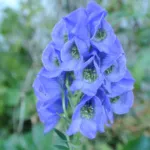 Azure Monkshood (Aconitum carmichaelii) care guideAconitum carmichaelii
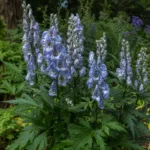 Monkshood (Aconitum ‘Stainless Steel’)Aconitum 'Stainless Steel'
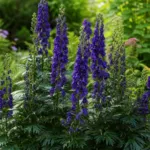 Monkshood (Aconitum ‘Bressingham Spire’)Aconitum 'Bressingham Spire'
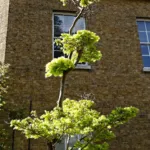 Golden full moon maple (Acer shirasawanum ‘Aureum’)Acer shirasawanum 'Aureum'
 Globosum (Acer platanoides ‘Globosum’)Acer platanoides 'Globosum'
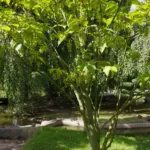 Striped maple (Acer pensylvanicum) care guideAcer pensylvanicum